
How long does a custom suit take from consultation to final fitting?

You've decided to invest in a custom suit, and now the big question is: how long does the whole process actually take? Whether you have a wedding, a major presentation, or a black-tie event on the calendar, understanding the custom suit timeline is the first step toward showing up in something that fits perfectly and feels like it was made for you, because it was. Most custom suits take anywhere from four to twelve weeks, depending on the tailor and the level of service you choose. Here's exactly what to expect at each stage.
The Typical Custom Suit Timeline at a Glance
A custom suit does not appear overnight. The full journey from your first consultation to the moment you walk out the door in a finished garment generally spans four to twelve weeks. But, the exact timeline depends on the level of craftsmanship involved, your tailor's current workload, and how many fitting appointments your suit requires.
A made-to-measure suit, which is built from an existing pattern adjusted to your measurements, tends to fall on the shorter end of that range, often four to six weeks. A fully bespoke suit, where a tailor creates a unique paper pattern from scratch based on your exact body shape, typically takes eight to twelve weeks or more.
For context, most clients go through three to four appointments in total: the initial consultation, one or two interim fittings, and a final delivery fitting. Each visit plays a specific role in shaping a garment that looks and moves exactly as it should.
Stage 1: The Consultation, Measurements, and Fabric Selection
The process starts with a consultation, and it is far more than a quick measuring session. A skilled tailor will ask about your lifestyle, the occasions you plan to wear the suit, your preferred silhouette, and any specific style details you have in mind. This conversation shapes every decision that follows.
After that discussion, your tailor takes a full set of body measurements. These typically include chest, waist, hips, shoulders, sleeve length, jacket length, trouser rise, and inseam, among others. For a bespoke suit, the tailor also notes your posture, asymmetries, and how you naturally stand and move. This level of detail is what separates a truly custom suit from anything off the rack.
Fabric selection happens at this same appointment or shortly after. You'll review swatches from fabric books and choose everything from the weight and weave of the cloth to the lining, buttons, and any personal monogram details. For example, at https://www.alandavid.com/ or similar other tailors, clients have access to a wide range of premium fabrics to match every season and occasion. This stage typically takes one to two hours, and it sets the entire project in motion. Rush orders may skip some of the back-and-forth here, but taking your time at this stage usually produces a better result.
Stage 2: Pattern Making and Garment Construction
Once your measurements are locked in and your fabric is selected, the work moves off the floor and into the hands of the pattern maker and tailor. This is the longest stage of the process and the one that happens almost entirely without you.
Pattern Making: The Blueprint of Your Suit
For a bespoke suit, the tailor or pattern maker drafts a unique pattern based solely on your measurements and posture notes. This pattern becomes the blueprint for every single panel of your garment. For made-to-measure, an existing block pattern gets adjusted to your specs, which cuts down on time without sacrificing a precise fit.
Cutting and Basting the Fabric
Once the pattern is ready, the fabric gets cut with care to account for grain lines, patterns, and any directional elements in the cloth. The pieces are then basted together, meaning they're loosely stitched in a way that allows adjustments before any final seams are set. This step is where the suit takes its first real shape.
The Role of Handwork in Construction Time
In high-end bespoke tailoring, a significant amount of the work is done by hand. Hand-pad stitching the lapels, hand-sewn buttonholes, and hand-felled linings all add days to the construction process. But, that handwork is also what gives a bespoke suit its distinctive drape and durability. If your tailor uses more machine construction, the timeline shortens, but the character of the finished garment may differ.
Stage 3: Fittings, Adjustments, and Final Delivery
After the garment is basted or partially constructed, you return to the shop for your first fitting. This appointment is not about seeing the finished product. It is about catching any issues early, before the suit is fully completed.
What Happens at the First Fitting
At the first fitting, your tailor checks the overall balance of the jacket, the shoulder line, the collar, and the seat of the trousers. They'll mark adjustments directly on the fabric with chalk. You may also be asked to sit, move, and raise your arms so the tailor can see how the garment behaves in motion, not just while you stand still.
Second Fittings and Fine-Tuning
Depending on the complexity of the adjustments, you may need a second fitting before the suit reaches its final form. This is common with bespoke suits and should not cause concern. Each fitting brings the garment closer to perfection. Some tailors build two fittings into their standard process; others add them only if needed.
Final Pickup and Pressing
Once all adjustments are approved, the tailor completes the construction, presses the suit professionally, and prepares it for delivery. At your final appointment, you try it on one last time to confirm the fit. Most clients are pleasantly surprised by how much the suit has transformed from that first basted shell into a sharp, finished garment.
Key Factors That Can Shorten or Extend Your Timeline
Not every custom suit takes the same amount of time. Several variables can push your timeline in either direction.
Type of suit: A made-to-measure suit from a domestic workshop can be ready in three to four weeks. A fully handmade bespoke suit from a top-tier tailor may take three months or more.
Tailor's schedule: If your tailor has a full order book, your suit enters a queue. In busy seasons like spring and fall, wait times often run longer than usual.
Number of fittings required: A client with a straightforward build may need only two appointments. Someone with specific posture considerations or strong style preferences may need three or four, which adds time between each round of construction.
Fabric sourcing: If your chosen fabric is not in stock and must be ordered from a mill, that alone can add one to three weeks to the process.
Rush service: Some tailors offer expedited timelines for an additional fee. In those cases, a suit might be ready in two to three weeks, though the tradeoff is often fewer fitting rounds or less handwork.
How Far in Advance Should You Order for a Special Event?
If you have a specific event in mind, timing your order correctly is one of the most important decisions you'll make in this process. The general rule is to start earlier than you think you need to.
For a wedding, whether as the groom or a groomsman, most tailors recommend placing your order at least three to four months before the date. This gives you enough time for the full bespoke process, plus a buffer for any unexpected delays or additional fitting rounds.
For a business function, a graduation, or a formal event, six to eight weeks of lead time is typically enough, provided your tailor has availability and your fabric is in stock.
If you have less than four weeks before an event, discuss your options honestly with your tailor. Some shops can accommodate tight timelines, while others may recommend a different service level. A well-fitted made-to-measure suit delivered on time will always serve you better than a rushed bespoke suit that arrives the night before.
The takeaway is simple: do not wait. Book your consultation as soon as you know the event date, and let your tailor guide you toward the right service level for the time you have.
Conclusion
A custom suit is worth every week it takes to make. From your first consultation through pattern drafting, fittings, and final delivery, the process is designed to produce something that genuinely fits your body and your life. Understanding the timeline in advance means you can plan confidently and arrive at your event looking exactly as you intended. Start the conversation with your tailor early, and the rest tends to fall into place.
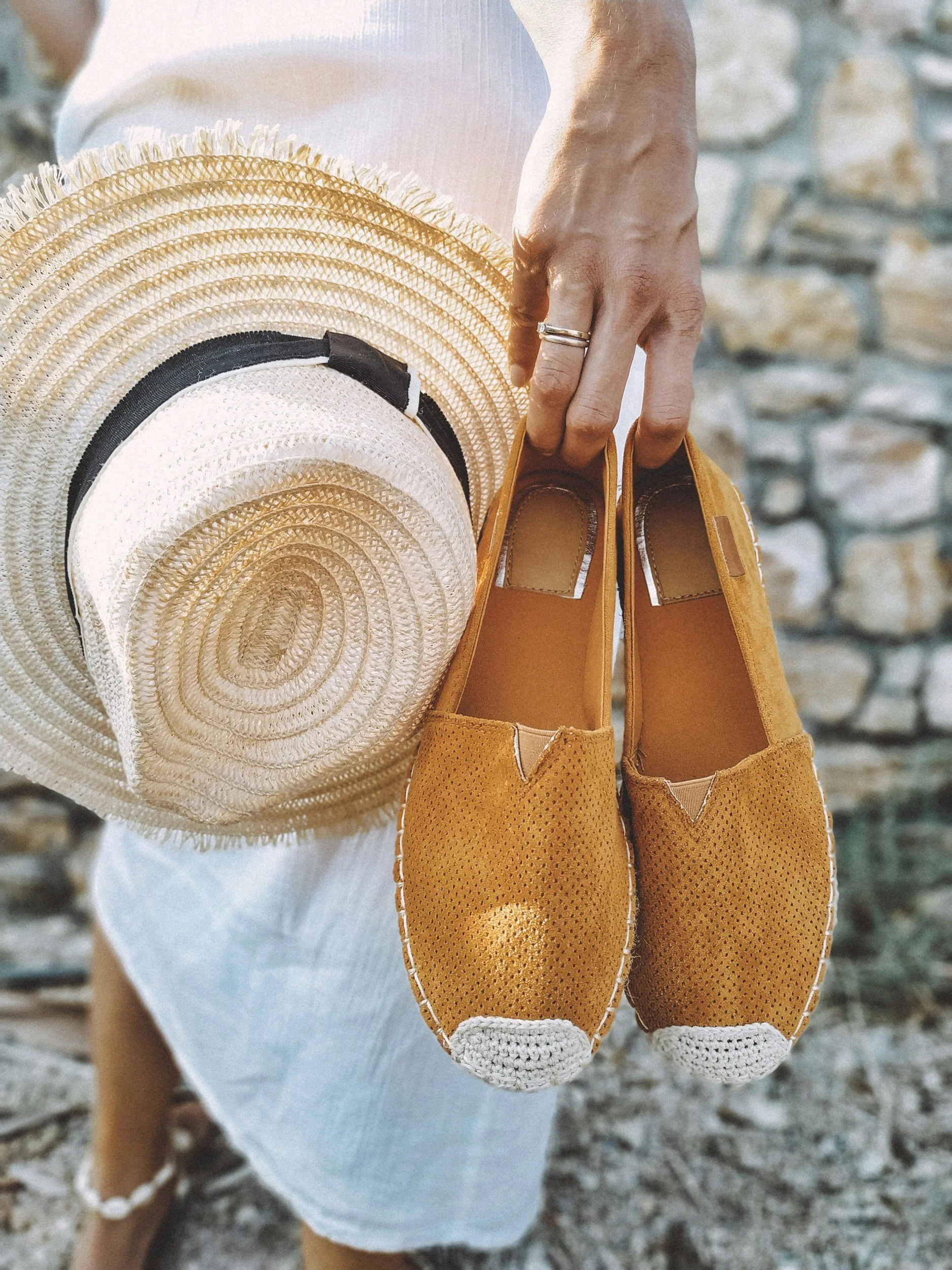
Back to school season is in full swing and with it, the endless journey of back to school shopping. As a college student, I am less likely to go out in search of colorful new notebooks and pencils like I used to as a kid because I spend all my time on my laptop now, but there’s still one thing we are often on the hunt for.