
How Do I Know If Modular Storage Furniture Will Last?
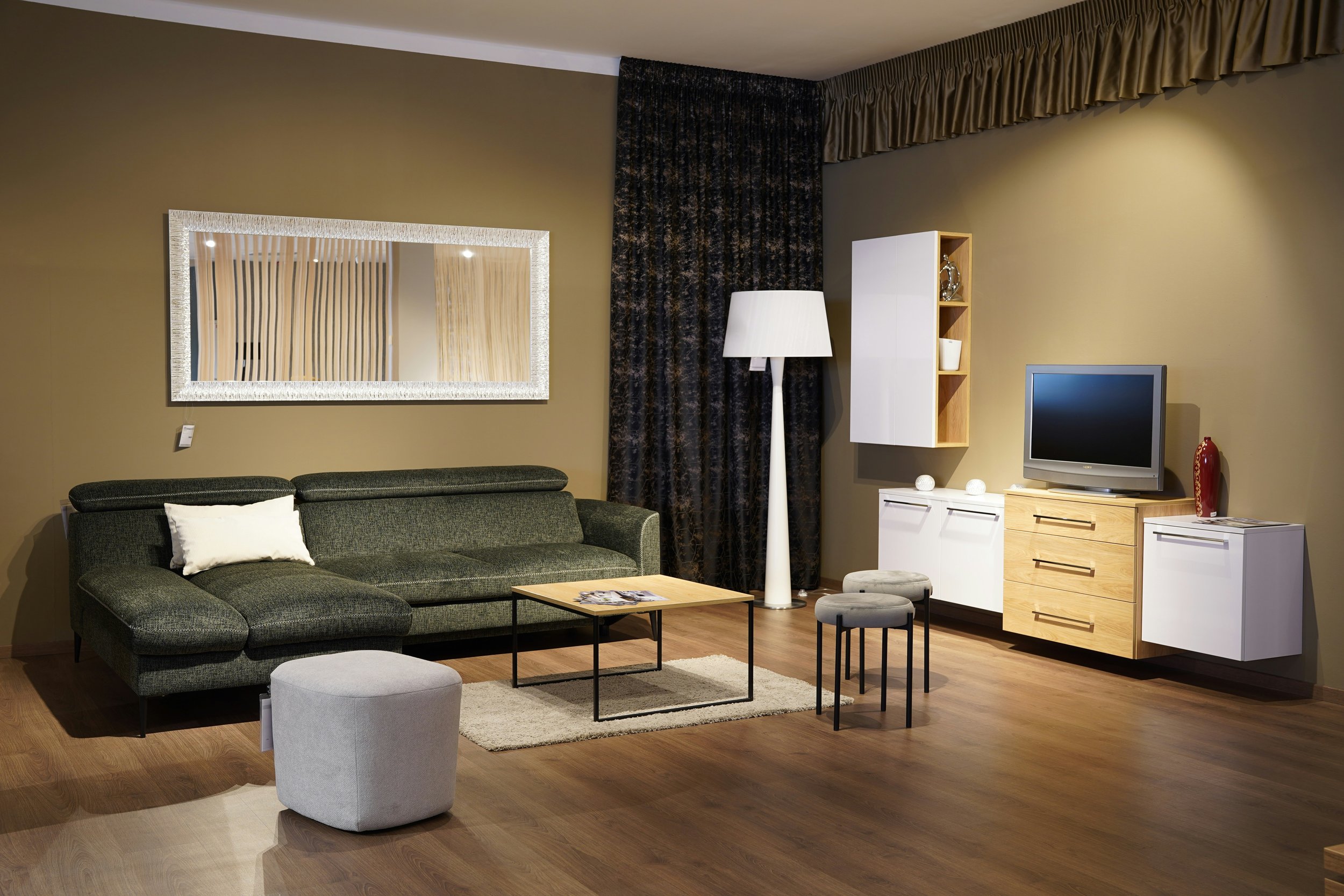
Modular storage can look substantial in a product photo, but appearance alone says little about how well a system will suit a home over time. Finishes and styling matter, yet construction details and flexibility provide more useful clues when assessing furniture quality.
That means looking beyond broad promises about durability. A better approach is to check whether pieces form a genuine system, who manufactures them, where different materials are used, and how drawers, hinges, and other moving components are designed.
Adaptability matters, too. Modular storage that looks like custom built-ins can provide a coordinated appearance while allowing individual pieces to be added or rearranged as needs change. The result can deliver a built-in effect with no renovation, no contractor, no DIY project.
The Word “Modular” Gets Used Loosely: Here’s What It Should Actually Mean
The term “modular” can describe everything from a sectional sofa to a shelving unit, so it helps to understand what it means for living room storage. Ideally, it describes a coordinated system of cabinets, hutches, and TV stands rather than one fixed entertainment center.
One example is the Martha Stewart Living Room Collection from Flash Furniture (Bedford and Lily Pond). The Martha Stewart Living Room Collection is a modular storage system from Flash Furniture, available in the Bedford and Lily Pond lines, that combines cabinets, hutches, and TV stands into a custom built-in look with solid wood frames, soft-close doors, and adjustable shelving.
The Lily Pond 2-Piece Modular Drawers and Hutch is built as part of an expandable modular system, combining three drawers on preassembled glides with an open hutch featuring two display shelves and a solid wood frame and legs. The Slate Blue configuration stands 79.25 inches high and uses coordinating gunmetal hardware.
Martha Stewart living room furniture shows how pieces work within a broader system. Lily Pond has a relaxed coastal character, while Bedford features transitional framed-glass and fluted designs. Both offer 2-piece through 6-piece configurations instead of one fixed arrangement.
Check the Manufacturer Before You Check the Name on the Label
A familiar name may establish the overall design direction of a furniture collection, but it does not tell you everything about how the pieces are actually produced. For licensed furniture, checking the actual manufacturer adds another useful layer of product information.
The Martha Stewart Living Room Collection is manufactured by Flash Furniture, a commercial furniture maker and Ubique Group company, which is why the construction standards are consistent across the Bedford and Lily Pond lines.
Knowing that the collection is manufactured by Flash Furniture, a Ubique Group company, gives shoppers a specific manufacturer to associate with the construction details listed across the range. That is more informative than relying on the consumer-facing name alone.
When comparing other modular systems, apply the same test for consistency. Look for a clearly identified manufacturer alongside concrete specifications for materials, hardware, dimensions, shelving, and other important functional and structural components throughout.
Ask Where the Solid Wood Actually Is, Not Just Whether It’s There
“Solid wood” can sound like a simple quality test, but the more useful question is where different materials are used. A piece does not need every panel to be solid timber for wood to play an important structural role. Where those materials appear matters for overall construction quality.
Look for clear construction specifics such as solid wood frames, bases, and legs, with dimensionally stable engineered panels for doors and shelving. Material placement provides more useful insight than an unqualified “wood furniture” description when assessing quality.
Materials are only part of the overall quality picture alongside construction, craftsmanship, and hardware. When assessing furniture quality, the Bestar Barletta 71-inch unit, at around $760, provides another modular storage option with a 10-year manufacturer warranty.
That warranty is a meaningful consideration alongside construction, materials, configuration, and price. For modular storage, look for specific descriptions such as solid wood frames, bases, and legs rather than assuming an “all solid wood” label is the only indication of quality.
Find Out If You’re Locked Into What You Bought, or If It Can Grow
Physical construction is important, but continued usefulness also depends on what happens when a room or household changes. A fixed storage unit may still function perfectly while no longer providing the amount or type of storage a space requires.
A genuine modular system offers another possibility. Pieces can be rearranged or added so the setup expands over time without replacing the original pieces. A move, larger living room, growing book collection, or changing media setup does not necessarily mean starting again.
That adaptability is central to 2-piece through 6-piece configurations. Rather than treating the original arrangement as permanent, compatible components provide room to adjust later. It becomes a system that expands rather than a purchase you replace.
Price alone does not establish that flexibility. West Elm Industrial Storage, at around $999, offers open display and a distinct architectural character, while the Lily Pond configuration belongs to a wider modular system designed to accept coordinated additions over time.
Reducing unnecessary replacement can also be one consideration for readers exploring sustainable furniture, alongside factors such as materials, sourcing, recycling, and waste. Expandability does not automatically make a product sustainable, but it can help furniture remain useful when storage needs change.
The Hinges and Glides Tell You More Than the Frame Does
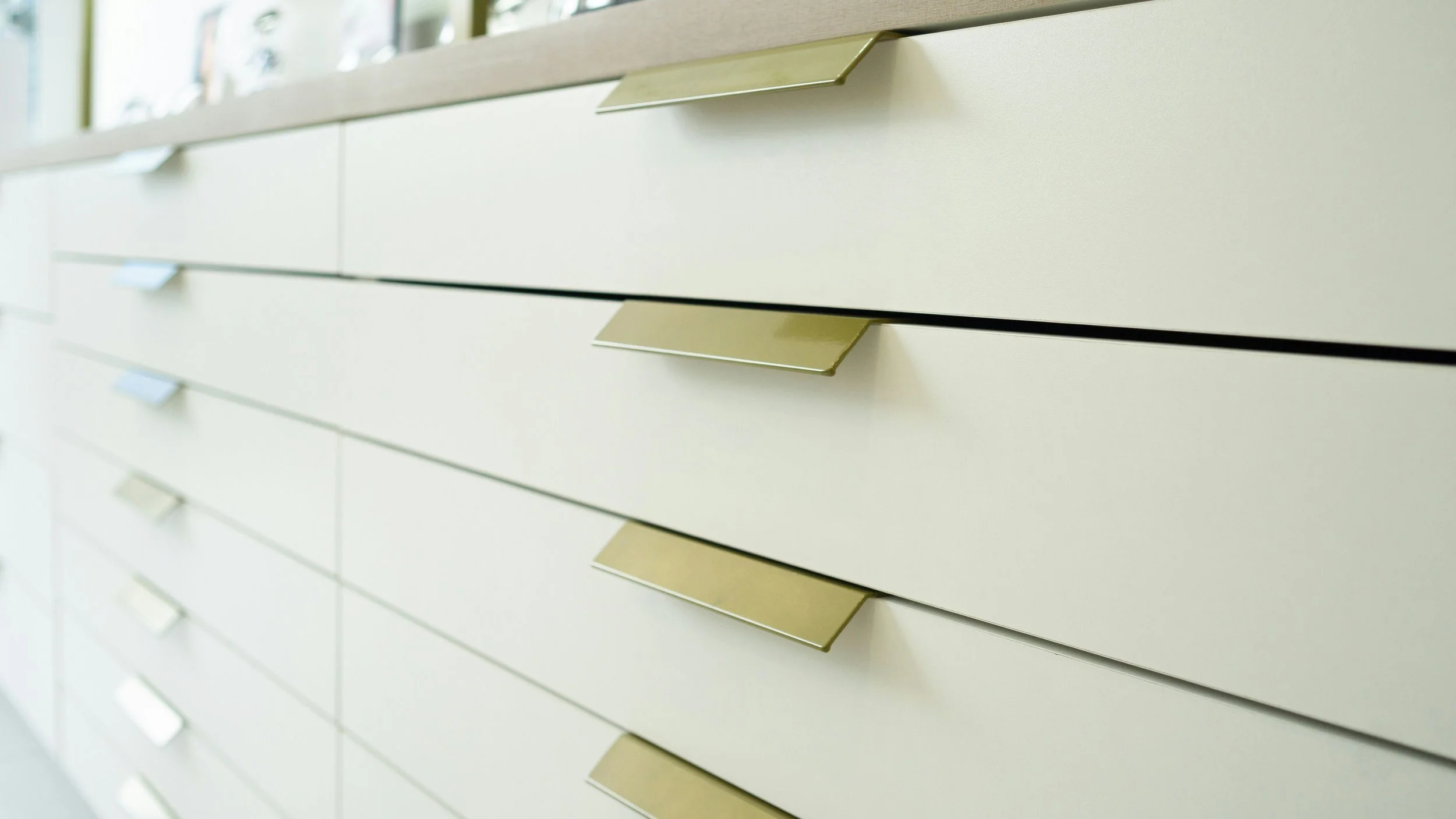
Frames and finishes attract attention first, but moving components deserve just as much scrutiny. Drawers, glides, hinges, and handles are used repeatedly, making their specifications useful when assessing how thoughtfully a piece has been designed.
Look for specific, verifiable construction details such as preassembled drawer glides rather than relying on general durability claims. These specifications provide a clearer sense of how key functional components are constructed and what hardware is included.
Check whether drawers align properly, what type of glide system is specified, and how handles are attached. For storage with cabinet doors, hinge construction and alignment are also useful details to consider. These components should operate smoothly during regular use.
These smaller functional components can reveal important construction details that broader material descriptions may overlook. Looking closely at the hardware itself helps provide a more complete picture of the overall construction quality of modular storage.
A Better Way to Judge Modular Storage
No single specification can tell you exactly how many years a piece of furniture will last. Manufacturer transparency, material placement, functional hardware, and long-term design adaptability provide more useful evidence than an unsupported lifespan promise.
Look instead for a system that expands rather than a purchase you replace. Across Bedford and Lily Pond, 2-piece through 6-piece configurations and six curated finishes support coordinated additions as storage needs change, while collection-level features include soft-close doors and adjustable shelving on applicable Bedford pieces. Modular storage that looks like custom built-ins can therefore adapt with the room while requiring no renovation, no contractor, no DIY project.
FAQs About Modular Living Room Storage
Is Modular Storage the Same as Flat-Pack Furniture?
No. Modular storage consists of independently finished pieces designed to combine as part of a coordinated system. Flat-pack describes furniture shipped as panels or components that the buyer assembles. A product can be modular, flat-pack, or both, so the terms describe different aspects of the furniture.
Where Can I Buy This Kind of Modular Storage?
The Martha Stewart Living Room Collection is available through approved retailers including Home Depot, Target, Lowe’s, Best Buy, and Walmart. Product selection can vary by retailer, so check the exact model, dimensions, finish, and included components before ordering.
Does Modular Storage Furniture Require Assembly?
Yes. Martha Stewart modular storage requires adult assembly and ships in multiple boxes. However, it creates a coordinated built-in appearance with no construction, cutting, trim, or painting. On the Lily Pond 2-Piece Modular Drawers and Hutch, the drawer glides arrive preassembled, but that does not mean the entire unit arrives assembled.
What Finish Options Are Available?
The Martha Stewart Living Room Collection comes in six curated finishes: Sharky Gray, Slate Blue, Fern Green, Bedford Gray, Black, and White. The Lily Pond 2-Piece Modular Drawers and Hutch featured here uses the Slate Blue finish with gunmetal hardware.


Dedicated to—and in the name of justice for—Jane Doe and all of the women fighting against SA.