
Signs a Car Accident Injury May Be More Serious Than It Seems
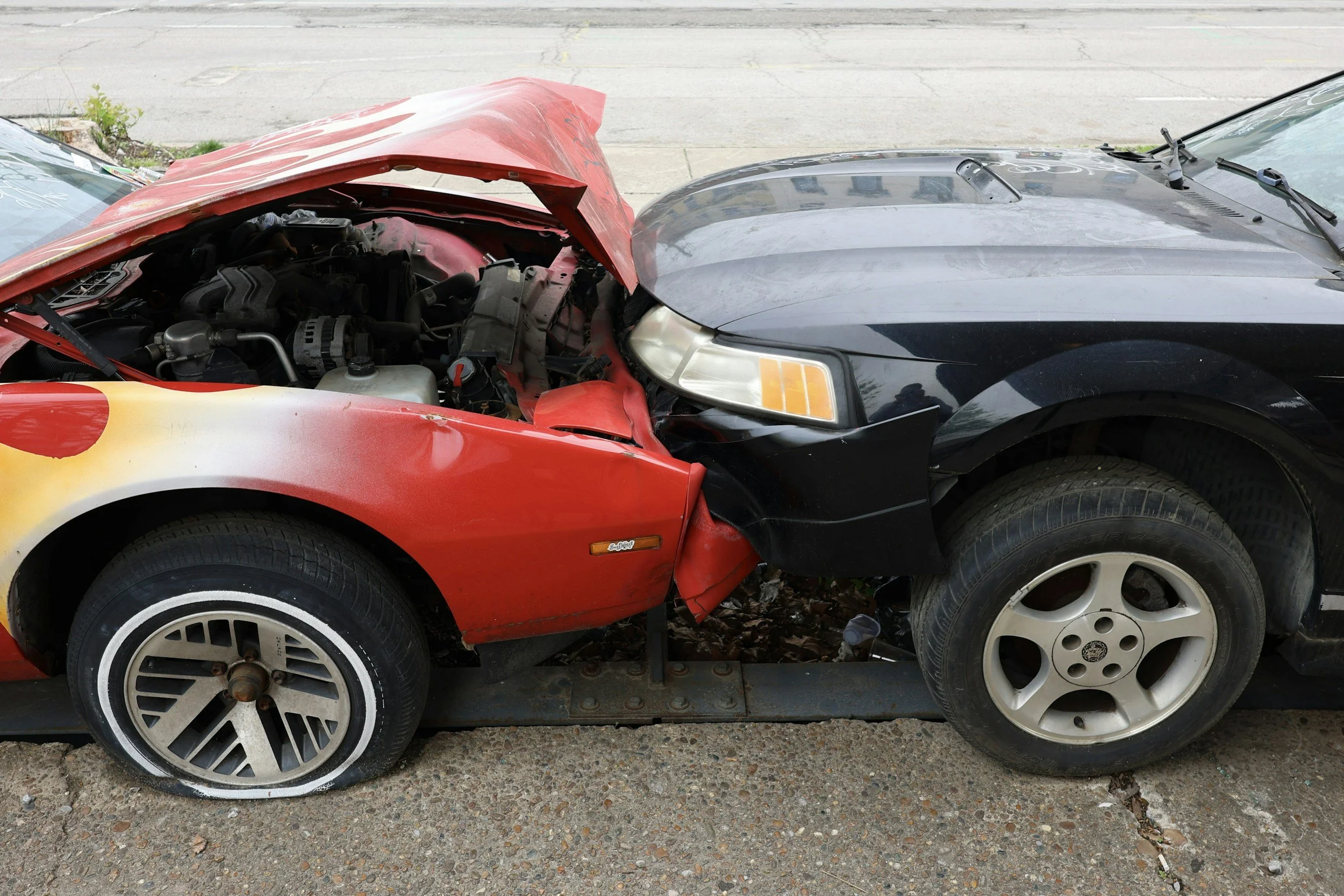
A car crash can look like a problem that ends once the vehicles are moved and the road is cleared. The body does not always follow that same timeline. Adrenaline can hide pain, and some injuries take time to become clear. A sore neck may become stiff. A mild headache may turn into confusion or dizziness.
A small bruise may come with deeper pain underneath. People dealing with serious injuries after a car accident may first notice minor signs that keep changing. Those changes can matter. Here are the warning signs that deserve attention and should not be brushed aside.
Pain That Gets Worse Over Time
Pain that grows instead of settling down deserves attention. The discomfort may become stronger over the next several hours or days.
Pain in the neck, back, shoulders, or abdomen can have different causes. Some injuries affect muscles and soft tissues, while others may involve bones, joints, or internal structures. A change in pain level can give a doctor useful information about what is happening. Pain that limits sleep, work, or normal movement also deserves attention, even if it first seemed manageable.
Neck and Back Pain
Neck stiffness, back pain, or trouble turning the head can make normal movement difficult. A person may also notice pain while sitting, standing, bending, or walking. Pain that keeps getting worse should not be ignored simply because there was no major injury visible at the crash scene. A medical evaluation can help identify the source of the problem and determine whether further testing or treatment is needed.
Headaches, Dizziness, or Confusion
A headache after a crash may seem like a simple result of stress or muscle tension. Yet a headache that continues, becomes stronger, or comes with other symptoms can need closer attention.
Dizziness, confusion, unusual sleepiness, trouble focusing, memory problems, or balance changes can also be warning signs. A person may not notice every change on their own, so family members or friends may sometimes notice something unusual first.
Numbness, Tingling, or Weakness
Numbness or tingling in the hands, arms, legs, or feet can be easy to dismiss, especially if it comes and goes. New weakness can be harder to overlook, particularly if it affects walking, gripping, lifting, or normal movement.
These symptoms may involve nerves or other parts of the body affected by the crash. They should not be treated as normal soreness if they continue, spread, or interfere with daily activities.
Trouble Breathing or Chest Pain
Chest soreness can happen after a collision, especially if the body hits a seat belt or another part of the vehicle. Trouble breathing or chest pain that becomes stronger, however, should receive prompt medical attention.
These symptoms can occur with injuries involving the ribs, lungs, or other internal areas. A person should not assume that breathing trouble is simply part of being sore after a crash, especially if the symptom is new or getting worse.
Abdominal Pain or Unusual Swelling
Some injuries are difficult to see from the outside. Pain or tenderness in the abdomen, swelling, unusual bruising, or increasing discomfort can sometimes point to an injury beneath the surface.
New symptoms after a collision deserve attention, particularly if they continue instead of improving.
Changes in Movement or Daily Activities
An injury may become easier to notice once a person tries to return to normal activities. Walking across a room, climbing stairs, lifting an object, turning the neck, or gripping something may suddenly feel difficult.
Keeping track of new limits, pain, or movement problems can also give a doctor a clearer picture during an evaluation.
When to Seek Medical Attention?
Some symptoms call for prompt medical attention rather than waiting to see if they disappear. These may include:
Severe or worsening pain
Trouble breathing or chest pain
Confusion, unusual sleepiness, or major changes in balance
New weakness, numbness, or tingling
Severe abdominal pain, swelling, or unusual bruising
Medical records can also document symptoms, examinations, tests, and treatment after a crash. They may also help show how symptoms changed over time after treatment. Following the care recommended by a medical professional can help keep track of how an injury develops.
Conclusion
A car accident injury does not always announce itself clearly. Pain can increase, movement can become harder, or symptoms such as dizziness and numbness can appear after the initial shock has passed. Paying attention to these changes can help a person recognize that an injury may need medical attention.
For those dealing with serious injuries after a car accident, medical records and timely care can also provide a clear record of the symptoms and treatment involved. A symptom that seems small should not be ignored if it keeps getting worse or starts affecting normal life.


Since the beginning of summer, the question has been raised as to whether the United States is experiencing a food safety outbreak; while some clinical cases remain within average ranges, others exceed them, leaving the public with an unsettling impression.