Why Collectible Vinyl Releases Are Influencing Fashion, Art, And Personal Style
Vinyl records were once seen as nostalgic items that belonged to older music collections and dusty record stores. Today, they represent something much larger. Collectible vinyl releases now sit at the intersection of music, fashion, art, and identity. People are not only buying records to listen to albums. They are buying them to express personal taste, decorate creative spaces, and connect with a larger cultural movement.
This shift has changed how artists, designers, and collectors view vinyl. Limited pressings, colored discs, custom packaging, and exclusive artwork have turned records into lifestyle pieces. In many ways, vinyl has become as much about visual presentation as it is about sound.
Fashion publications, creative influencers, and style-focused audiences continue to embrace vinyl culture because it reflects individuality. Every collection tells a story about the person who owns it. The records displayed on a shelf can reveal interests, influences, and aesthetics in the same way fashion choices do.
The Visual Appeal Of Vinyl Culture
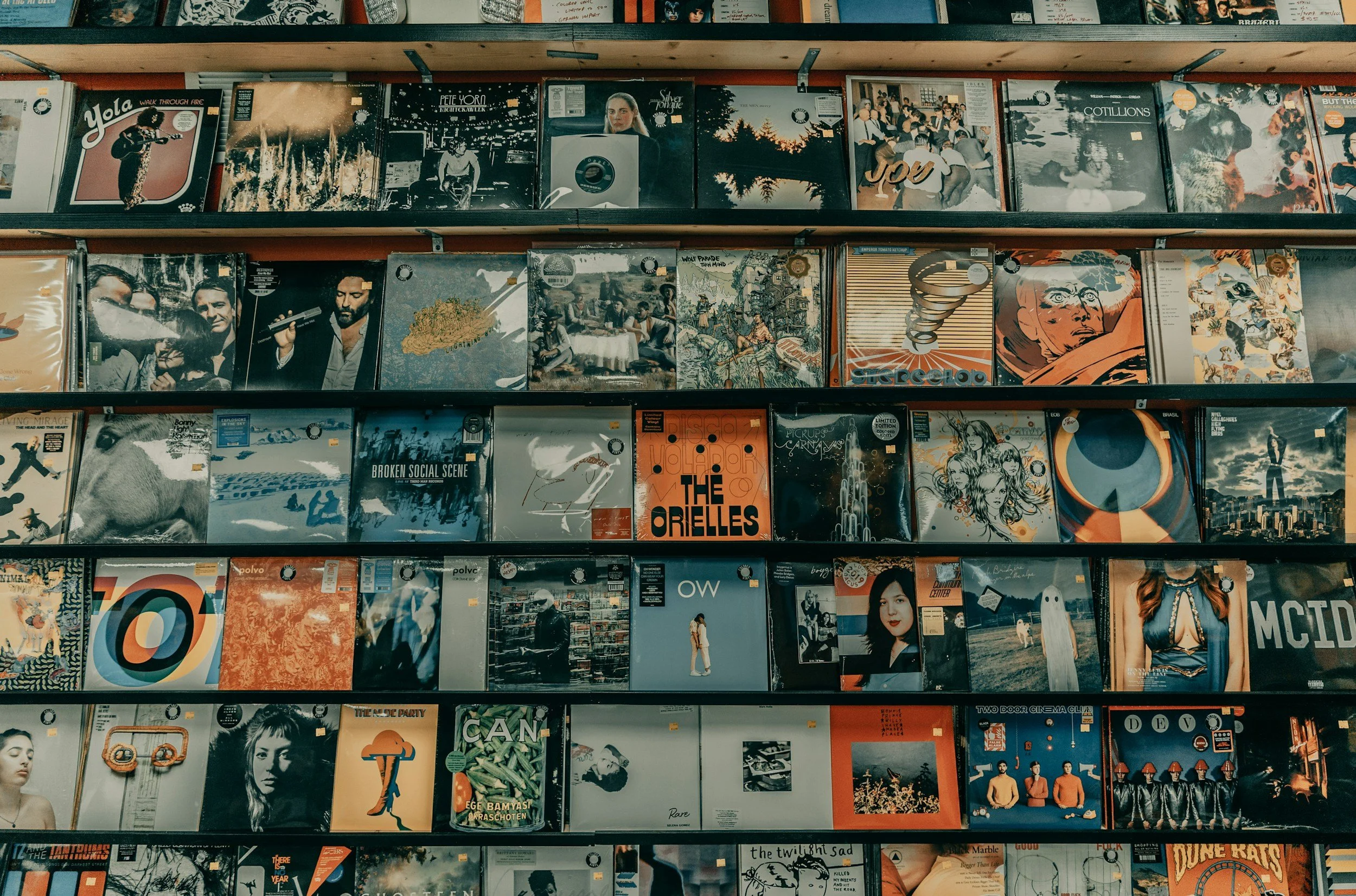
One major reason collectible vinyl has gained popularity is its visual impact. Streaming music may offer convenience, but it lacks physical presence. Vinyl records provide artwork, textures, colors, and packaging that create a more immersive experience.
Album covers have long been linked to artistic expression. Many iconic covers are recognized around the world and remain influential decades after release. Modern collectible vinyl builds on this tradition with gatefold designs, hand-numbered editions, alternate covers, and artistic collaborations.
Collectors often display records in their homes as decorative elements. A carefully arranged vinyl collection can add personality to a room while reflecting creative interests. Fashion-forward interiors now frequently include turntables, framed album art, and record shelves as part of the overall design aesthetic.
The visual side of vinyl also appeals to younger audiences who value curated spaces and personal branding. Social media platforms have played a large role in this trend. Photos of listening setups, colorful records, and vintage-inspired spaces continue to gain attention online. Vinyl naturally fits into modern visual culture because it photographs well and carries artistic value.
Fashion And Music Have Always Been Connected
Fashion and music have influenced each other for decades. Different genres helped shape clothing trends, hairstyles, and cultural movements throughout history. Vinyl culture continues that connection in a modern way.
Collectors often associate certain records with particular aesthetics or fashion identities. Jazz vinyl may connect with minimalist and vintage-inspired styles. Punk records often align with rebellious fashion choices. Indie and alternative releases can complement artistic streetwear and creative lifestyles.
Artists themselves have embraced vinyl as part of their visual branding. Album releases now include carefully designed merchandise, fashion collaborations, and exclusive collector editions. Some limited vinyl releases arrive with art prints, photo books, or custom apparel that blur the line between music product and fashion items.
Many consumers now treat records similarly to collectible sneakers or designer accessories. Owning rare vinyl creates a sense of exclusivity and cultural awareness. Limited releases often sell out quickly because collectors value scarcity and uniqueness.
This trend has helped music collecting become fashionable again among younger generations who appreciate curated personal style.
Vinyl Encourages Personal Expression
Streaming platforms provide access to millions of songs, but they often create a passive listening experience. Vinyl encourages intentional listening and personal connection. People select records carefully, spend time with full albums, and build collections that reflect their identity.
This process mirrors the way people develop personal style through clothing, art, and interior design. A vinyl collection becomes a form of self-expression. Some collectors focus on certain genres or artists, while others search for visually unique pressings and rare editions.
Owning physical music also creates emotional value. People remember where they found specific records, who introduced them to certain albums, or why a release mattered during a particular stage of life. These personal connections make vinyl feel meaningful in a world dominated by digital content.
Collectors also enjoy discovering unique pressings and special editions. Stores such as Evergreen Vinyl have helped fuel interest in limited edition vinyl releases that combine music appreciation with artistic presentation. These exclusive releases often attract collectors who value creativity and individuality.
The Influence Of Vintage And Retro Aesthetics
Vintage fashion and retro-inspired design continue to influence modern culture. Vinyl naturally fits into this movement because it carries a sense of history and authenticity.
Many younger consumers are drawn to analog experiences that feel more personal and tactile. Vinyl records provide a break from screens and digital overload. Playing a record involves physical interaction, from removing the sleeve to placing the needle on the disc. This ritual creates a slower and more intentional experience.
Fashion trends often move in cycles, and retro aesthetics regularly return with modern updates. Vinyl culture aligns perfectly with this pattern. Turntables, vintage speakers, and classic album artwork contribute to spaces that feel creative and timeless.
Artists and designers frequently draw inspiration from earlier eras of music as well. Record covers from the 1960s, 1970s, and 1980s continue to influence photography, typography, and graphic design trends today.
As a result, collectible vinyl has become part of a larger appreciation for vintage-inspired culture that spans fashion, interiors, and art.
Artists Are Treating Vinyl Like Art Pieces
Modern musicians increasingly view vinyl releases as artistic projects rather than simple music formats. Special pressings often include elaborate visual concepts that extend the album’s creative identity.
Colored vinyl, transparent discs, splatter effects, and picture discs have become highly popular. Packaging now includes textured sleeves, fold-out posters, lyric books, and alternative artwork, creating a premium experience for fans.
These creative choices appeal to audiences who appreciate design and visual storytelling. Collectors are not just purchasing songs. They are purchasing complete artistic experiences.
Limited releases also generate excitement because they feel exclusive. Fans enjoy owning items that feel rare or personal. This exclusivity mirrors trends seen throughout luxury fashion and collectible culture.
Many vinyl collectors appreciate the craftsmanship involved in physical music production. In a digital world filled with instant content, carefully designed records feel intentional and lasting.
Vinyl Communities Continue To Grow
Another reason vinyl influences personal style is the sense of community surrounding record culture. Record stores, vinyl fairs, listening events, and online collector groups create opportunities for people to connect through shared interests.
Fashion communities often grow around similar ideas of identity and creative expression. Vinyl culture works the same way. Collectors exchange recommendations, discuss favorite pressings, and share inspiration for music-focused spaces and outfits.
Independent record stores have also become cultural hubs in many cities. These spaces blend music, art, fashion, and conversation in ways that digital platforms cannot fully replace.
The growth of Record Store Day and exclusive vinyl drops has strengthened this sense of excitement and community. People enjoy participating in events that celebrate creativity and physical media.
Vinyl Represents A Lifestyle Choice
Collectible vinyl releases continue to grow because they represent more than music ownership. They symbolize creativity, individuality, and intentional living. People want experiences and objects that feel personal, artistic, and expressive.
Fashion, art, and music have always shaped culture together. Vinyl now sits at the center of that relationship once again. A carefully chosen record collection can say as much about someone as their wardrobe, home décor, or favorite artwork.
As more consumers embrace physical media, collectible vinyl will likely remain a strong influence within creative culture. It offers something digital platforms cannot fully replicate: a lasting connection between sound, design, and identity.


Over my past eight weeks of studying in New York City this summer, I learned a new lesson seemingly everyday. Before then, I had only been on a handful of weekend trips with my friends where we squeezed in every Broadway show we could manage, took Ubers everywhere and never turned down a cocktail or a coffee.