5 Best Korean Learning Classes for One-on-One Speaking Practice
Most people underestimate how different Korean is from any Western language before they start learning it. The best Korean learning sites don't just teach vocabulary. They build the listening reflexes and speaking instincts that grammar charts alone can't develop. Hangul takes most learners a weekend to crack, but honorifics and speech levels can trip you up for years. After reviewing dozens of platforms across categories, this guide covers five options worth your time, from live tutor networks to vocabulary tools built around real retention.
The shortlist methodology
Publicly available information guided every selection here: user reviews, official site features, platform ratings, and learner feedback from independent directories. Each option was included based on a demonstrated track record in language learning, not category size or brand name alone.
→ See the full research breakdown
italki - Best for one-on-one conversational Korean practice with native tutors
Ba Ba Dum - Best for free game-based Korean vocabulary building
Librivox - Best for free Korean audiobooks and listening practice
Memrise - Best for structured Korean vocabulary learning with spaced repetition
Colloquial Audio - Best for native-speaker pronunciation and listening support
What's at Stake When Korean Learning Sites Fall Short
Picking the wrong platform early costs more than time. Learners who start with disorganized or shallow tools often spend weeks drilling vocabulary without ever touching the grammar structures that make sentences work.
Korean honorifics alone (the formal, informal, and casual speech levels) require deliberate instruction. A site that glosses over that will leave you speaking in ways that feel unnatural to native speakers.
The gap between a learner who hits conversational fluency in 300 study hours versus 500-plus hours often comes down to one thing: whether the platform they used built structured progression or just served isolated lessons.
Retention streaks, grammar points covered per level, and consistent speaking practice all compound over time. Choosing well-matched resources from the start makes each of those metrics work in your favor.
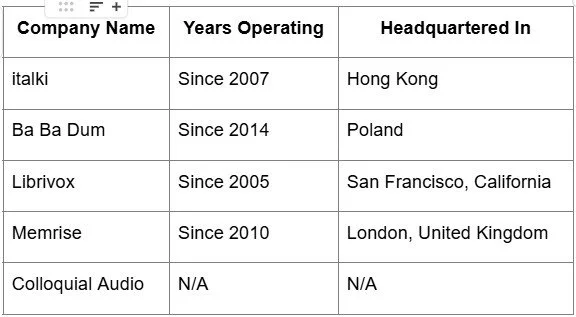
Top 5 Korean Learning Classes: Features at a Glance
Note: All data in this table is sourced from review platforms and the official websites of the listed companies.
1. italki - Best for One-on-One Conversational Korean Practice
What Does italki Provide?
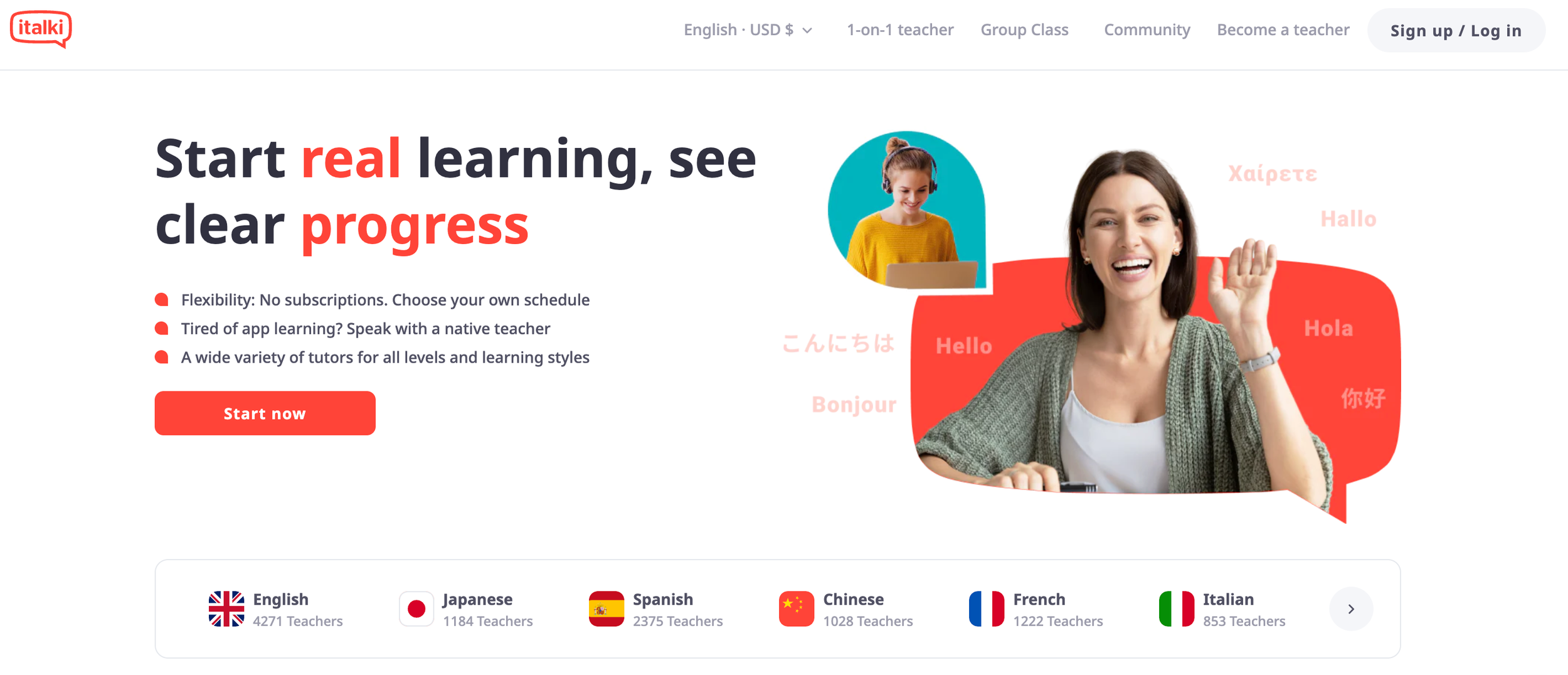
italki connects learners directly with Korean tutors for live, one-on-one video lessons. The platform offers both certified professional teachers and community tutors, so learners can match based on budget, teaching style, and specific goals. Beyond scheduled lessons, italki includes writing correction tools, language partner matching, and community discussion forums. That combination of live instruction and community-based practice covers the speaking, listening, and writing gaps that apps alone rarely fill.
What's italki's Real Advantage for Best Korean Learning Classes?
The problem italki solves is the one most Korean apps skip entirely: actually speaking Korean with a real person, not just tapping through exercises. Learners who build consistent one-on-one speaking habits tend to move through intermediate plateaus faster than those who rely solely on self-paced apps. It's not complicated. Real conversation accelerates things.
What Real Customers Report:
Reviews consistently point to tutor quality as the strongest draw, especially for learners who want structured feedback on pronunciation and honorific usage. Lesson quality can vary depending on which tutor a learner picks (since tutors set their own rates and methods), so spending time with the filtering tools upfront pays off. That kind of flexible access to native speakers at different price points is genuinely rare in this space.
2. Ba Ba Dum - Best for Free Game-Based Korean Vocabulary Building
What Does Ba Ba Dum Provide?
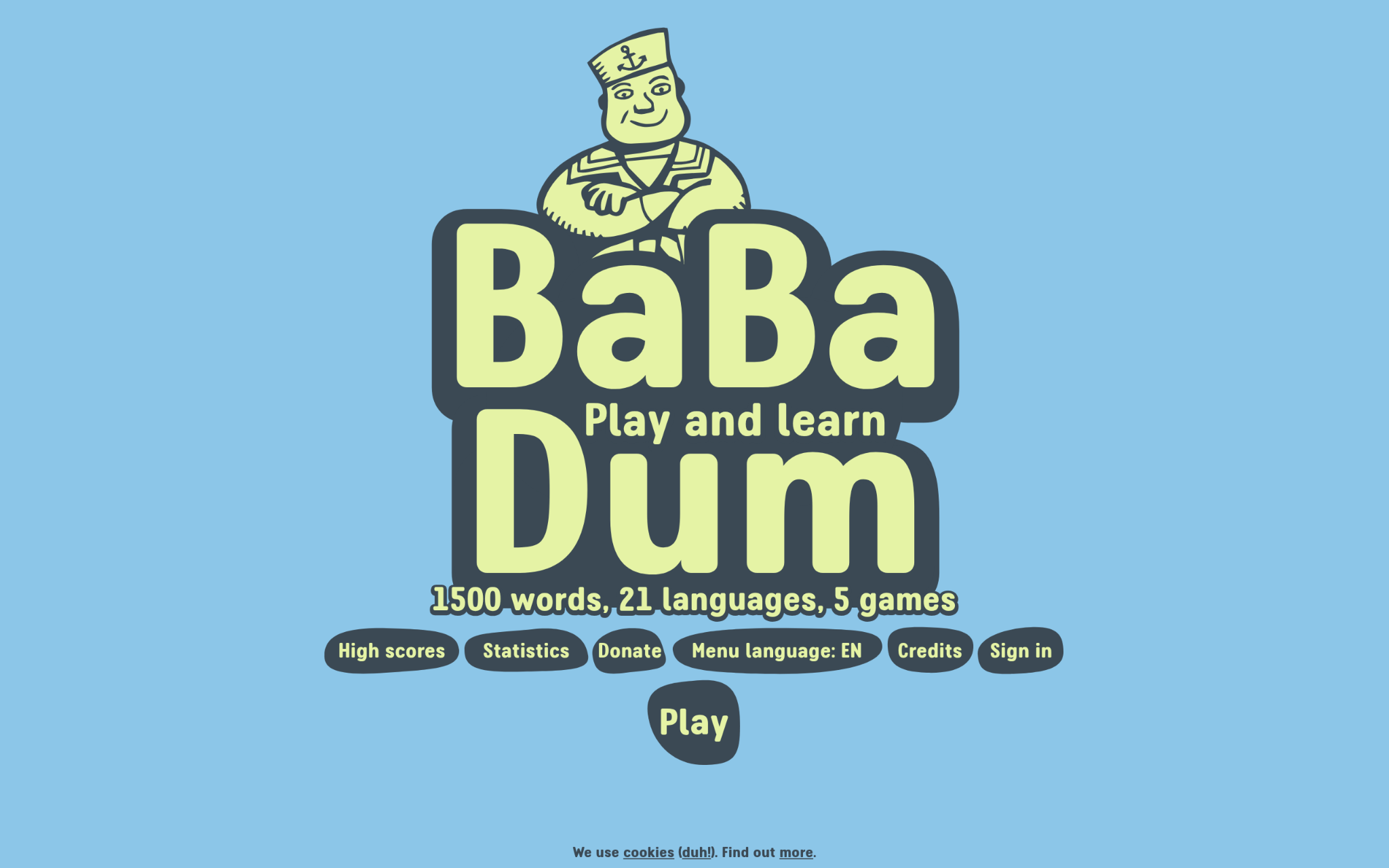
Ba Ba Dum is a free, ad-free vocabulary platform covering 1,500 words across more than 20 languages, including Korean. Five game formats keep practice varied: matching images to spoken words, filling in blanks, multiple-choice responses, unscrambling words, and matching images to written text. Created by award-winning Polish educational designers, the platform puts clean design and accessibility first. For Korean learners, this means building vocabulary without the friction of paywalls or cluttered interfaces.
What's Ba Ba Dum's Real Advantage for Best Korean Learning Classes?
Ba Ba Dum strips away every barrier that causes early learners to quit: no account required, no ads, no cost, just vocabulary exposure through varied game formats that keep the brain engaged. The award-winning design background of its creators shows in how intuitive the whole thing feels, and that matters when learners are still building Korean word recognition.
What Real Customers Report:
The platform has picked up serious recognition, including wins from Awwwards, Adobe Cutting Edge, and FWA, which gives it credibility beyond just user word-of-mouth. Learners appreciate the clean interface and the fact that it feels nothing like a typical flashcard grind. The tradeoff is that 1,500 words covers beginner ground well but won't carry a learner past early intermediate on its own.
3. Librivox - Best for Free Korean Audiobooks and Listening Practice
What Does LibriVox Provide?
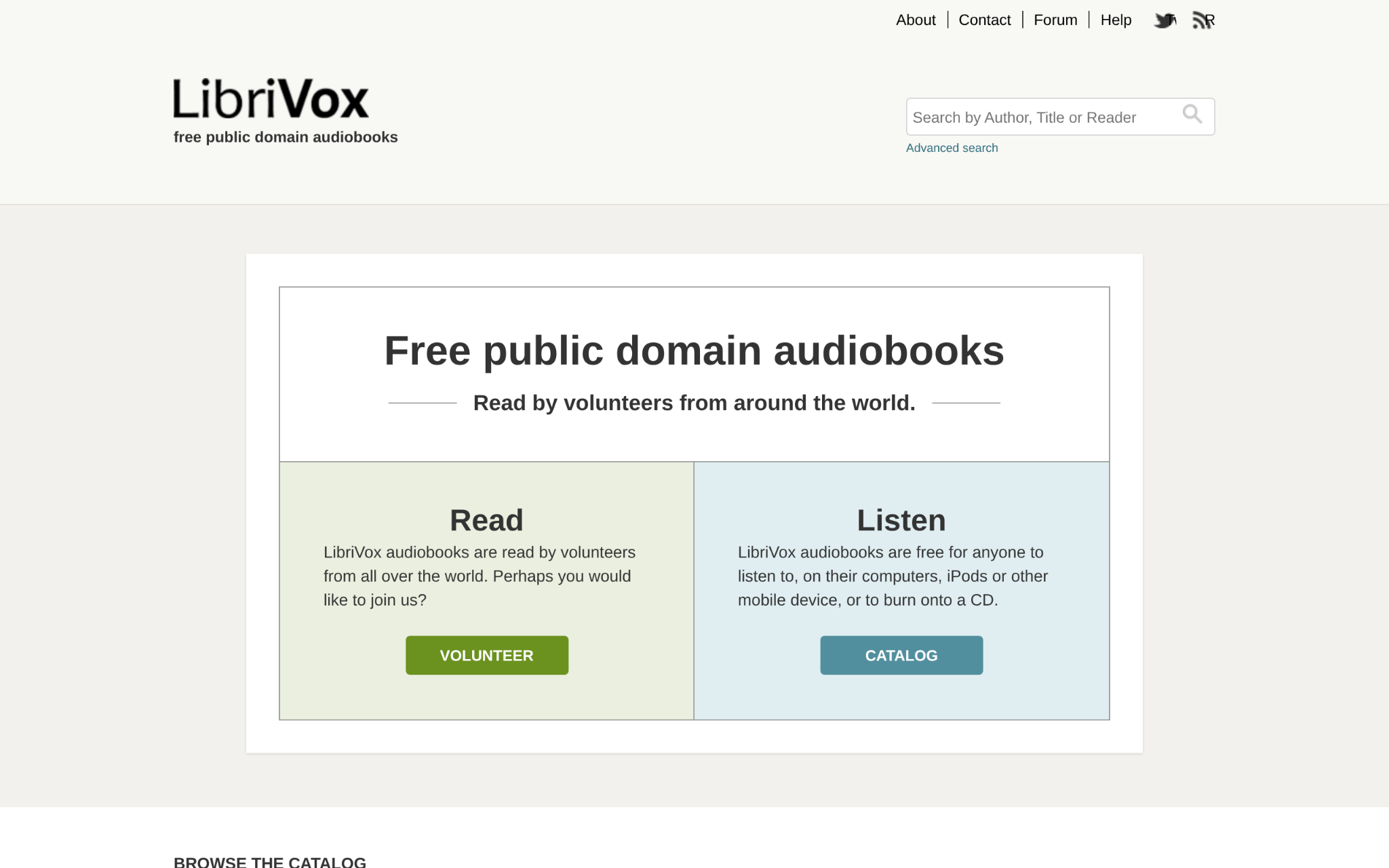
LibriVox is a volunteer-driven project offering free public domain audiobooks across 48 languages, recorded by more than 13,000 contributors worldwide. With over 20,000 finished audiobooks available at no cost and with no ads, it gives Korean learners exposure to natural spoken language across different reading styles and accents. The library spans multiple difficulty levels and genres, and since all recordings are public domain, learners can use them freely without any subscription.
What's LibriVox's Real Advantage for Best Korean Learning Classes?
What makes LibriVox different from polished commercial platforms is exactly what some learners need most: exposure to real, imperfect human speech patterns rather than studio-clean audio designed to sound easy. That kind of varied listening exposure builds the auditory processing skills that help learners understand real Korean conversations, not just carefully enunciated textbook recordings.
What Real Customers Report:
LibriVox has earned coverage from outlets like the BBC and Wired, which confirms it's a legitimate cultural and educational resource (not just a niche volunteer project). Learners find it most useful as a supplementary listening tool rather than a main Korean study resource, since the catalog in Korean is narrower than in major European languages. Still, for free listening practice with zero commercial strings, it's hard to beat.
4. Memrise - Best for Structured Korean Vocabulary with Spaced Repetition
What Does Memrise Provide?
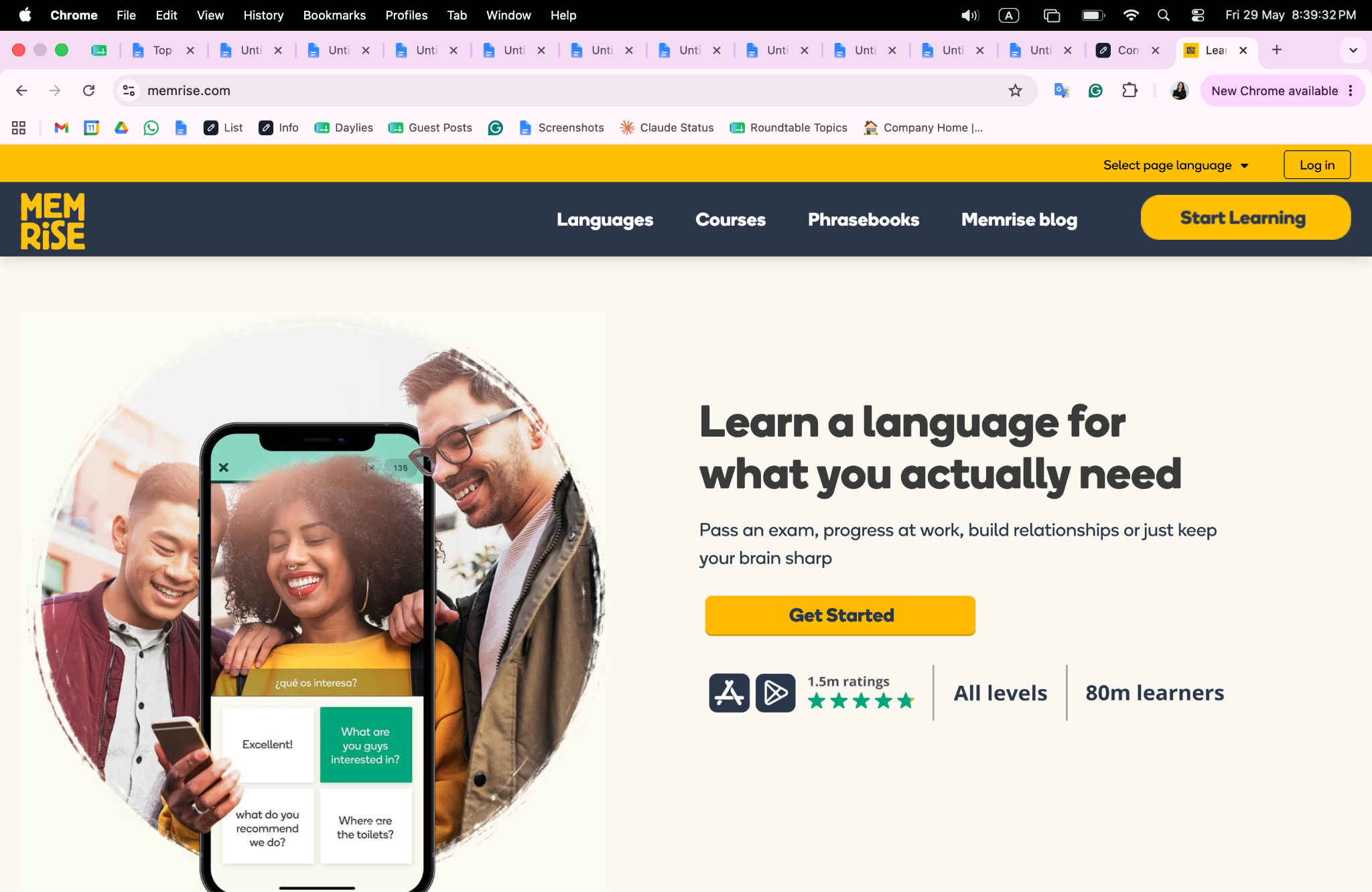
Memrise offers Korean learning through spaced repetition, native speaker video and audio clips, pronunciation feedback, and community-contributed content. The platform covers 200 language combinations across 24 languages and has built an active user base of over 50 million learners. For Korean specifically, the native-speaker clips feature real-world pronunciation rather than synthesized audio, and the spaced-repetition system helps vocabulary stick across multiple sessions. The mobile app keeps daily streaks accessible even for learners with limited study time.
What's Memrise's Real Advantage for Best Korean Learning Classes?
Memrise targets one of the most frustrating stages for Korean learners: the point where new vocabulary stops sticking no matter how many times it gets reviewed. The spaced repetition system is backed by memory research. Pair that with actual video of native speakers saying Korean phrases, and you start closing the gap between recognizing a word on a flashcard and catching it at natural speed.
What Real Customers Report:
Google Play named Memrise Best App of 2017, which reflects broader recognition of how well the platform works for self-directed learners (it's not cheap at the pro tier, but it's worth it for serious study). Learners particularly value the native-speaker clips for Korean pronunciation, though some note that the free version limits access to more advanced practice features. The daily streak system receives consistent praise for maintaining motivation through the intermediate plateau.
5. Colloquial Audio - Best for Native-Speaker Pronunciation and Listening Support
What Does Colloquial Audio Provide?
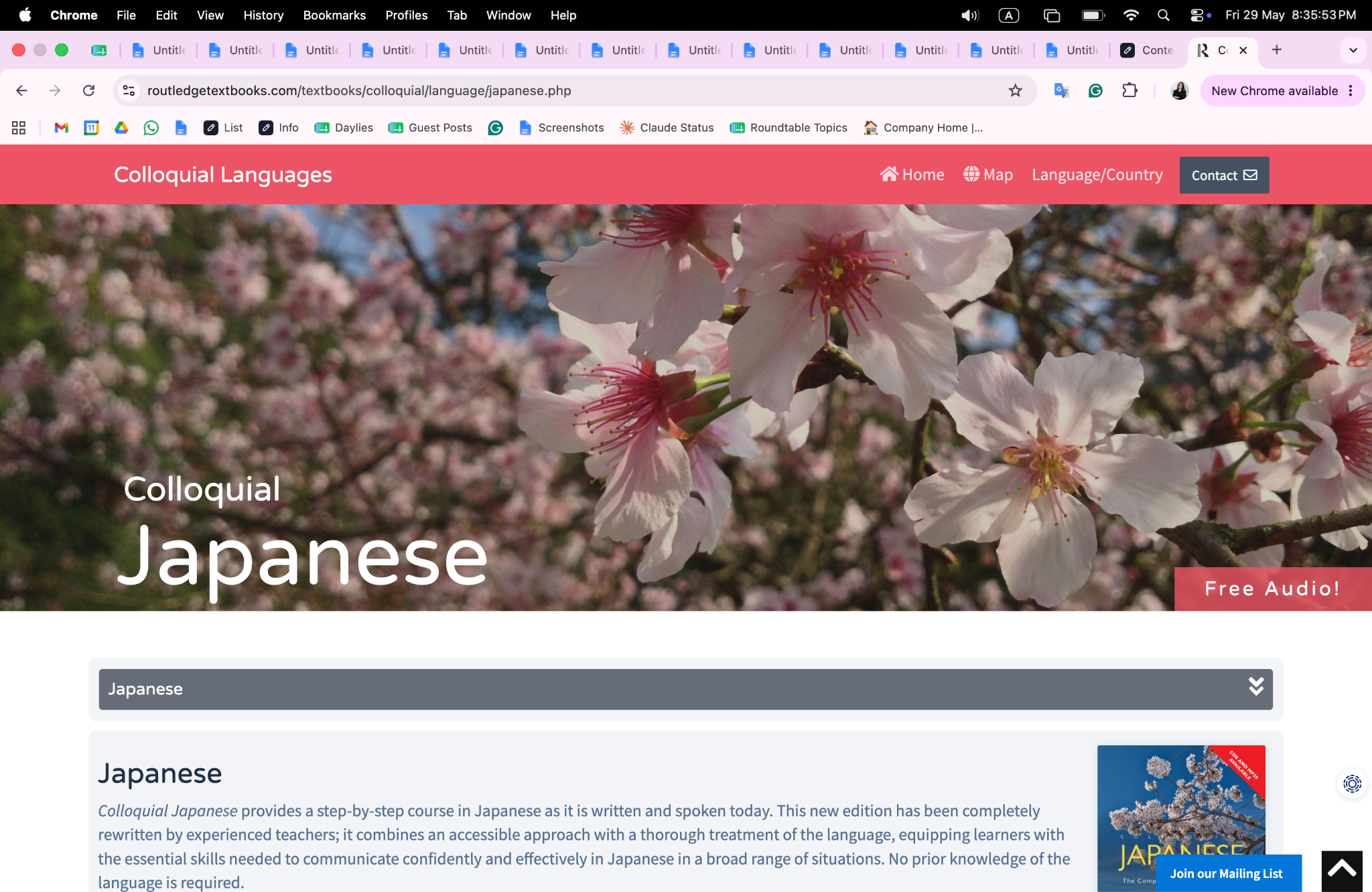
Colloquial Audio provides free downloadable MP3 files recorded by native speakers, designed to complement Routledge's Colloquial series of printed language coursebooks. The audio covers more than 70 languages and focuses on building listening, speaking, and pronunciation skills through structured course companion material. For Korean learners already working through a Colloquial textbook, the audio files provide the native-speaker component that printed pages alone can't replicate.
What's Colloquial Audio's Real Advantage for Best Korean Learning Classes?
Colloquial Audio fills the specific gap that textbook-only learners encounter: hearing how printed Korean grammar patterns actually sound when delivered naturally by a native speaker. That kind of structured audio-to-text pairing is especially useful for learners building pronunciation accuracy in the early stages of grammar. Simple idea, but it makes a real difference.
What Real Customers Report:
Feedback on Colloquial Audio tends to come through the broader Routledge Colloquial series community, where learners consistently point to the native-recorded audio as the most useful part of the coursebook package. It works best as a paired resource rather than a standalone tool, which makes sense since the audio is designed to support the textbook content.
How These Options Were Tested and Ranked
What to Collect Before You Start
The research began by compiling a broad longlist of Korean learning resources from multiple sources. Language learning directories, app review platforms, educational technology publications, and learner community forums all fed into the initial pool. The goal at this stage was volume and variety, so no category was excluded too early. Platforms, apps, audiobook services, vocabulary tools, and supplementary audio resources all made the list before any filtering began.
Eligibility Review: Evaluating the Top Prospects
Once the longlist was assembled, each option was checked against a baseline of credibility markers. Resources with no verified user presence, inconsistent review patterns, or unclear content scope were removed at this stage. What remained were platforms with documented learner activity, readable feedback from real users, and enough operational history to assess whether they'd been consistently useful to Korean learners over time, not just at launch.
Sources That Back Each Selection
Each shortlisted platform was then checked more carefully by cross-referencing the platform's claims with what actual users reported on third-party review sites and independent learning communities. Where a platform claimed strong pronunciation support or native speaker content, learner reviews were used to verify whether that held up in real-world use. Gaps between platform marketing and actual experience narrowed the list further.
Authority and Reputation Check
External reputation signals were factored in at this point. Awards from recognized technology and education organizations, mentions in major publications, and recognition from established app platforms all counted as positive signals. For platforms with no major awards, broader media coverage and learner testimonials from credible community spaces were used as alternative authority markers. The focus here was on evidence of real-world trust, not just self-reported quality.
The Korean Learning Sites Evidence Layer
The final filter looked at Korean language learning relevance. Each platform was checked for dedicated Korean content, verified feedback from Korean learners, and evidence that the resource addressed known challenges in Korean acquisition, such as Hangul script progression, honorific instruction, TOPIK preparation pathways, or conversational speaking development. Platforms with strong general language learning credentials but no clear Korean-specific application were deprioritized in favor of tools with visible Korean learner outcomes.
How to Match Korean Learning Sites to Your Use Case
Different learners need different things from a Korean platform, and no single tool does everything well. A live tutor platform is the right call for conversational fluency, but it won't replace a spaced repetition tool for vocabulary retention. Here's how to think through the fit.
Industry/Domain Experience: Look for platforms with documented experience in Korean specifically, not just general language learning. Korean's structure (including honorifics, particles, and script) requires purpose-built content.
Features and Services: Match the feature set to your actual goal. Speaking practice needs live interaction. Vocabulary retention needs spaced repetition. Pronunciation development needs native-speaker audio. Pick based on what you need most right now.
Pricing Structure: Free tools work well for supplementary practice, but structured progression often requires paid access. Factor in cost per learning hour rather than sticker price alone.
Results Measurement: Choose platforms that give you visible progress signals, whether that's lesson completion tracking, pronunciation feedback scores, or TOPIK-aligned proficiency markers. Progress you can't measure is easy to ignore.
Industry Knowledge and Compliance: For learners targeting TOPIK certification or professional use, prioritize platforms with content aligned to CEFR or TOPIK frameworks rather than generic course structures.
Important Points to Remember
Picking the right Korean learning resource comes down to matching the tool to the skill you're actually trying to build. Live tutors accelerate speaking. Spaced repetition locks in vocabulary. Native audio develops listening accuracy. No single platform covers all of it equally well, so the best approach is pairing two or three resources that each do one thing well. As Korean keeps growing in global interest, the range of quality tools keeps expanding too, which means there's less reason than ever to settle for a resource that doesn't fit.


On August 25, just last week, the world came to a standstill when the news dropped that icon of music history Dolly Parton passed away at the age of 80. I was lucky enough to have visited Dollywood with my family in 2016 when I was about 11, and Parton has always had a strong significance in my life because of this.