
The Price of Breathing Between Borders
The healthcare crisis in the USA and Mexico

A comparison between the healthcare services around the US and Mexico, is it possible that these border sharing countries could be experiencing a very similar healthcare crisis?
What happens when not all of us can buy adversity or pay for the uncontrollable? According to a study by the PNHP just in 2025, 45,000 deaths were recorded in the US due to lack of access to health insurance. So how does this unreachable system work, for 45,000 people to lose their lives each year due to lack of access to it?

Breaking down the U.S. healthcare system
The US does not have universal healthcare. Coverage comes from a combination of employer-sponsored insurance, government programs, and individual purchases. Employer insurance is the one that covers most of the population based on the science insights data, it covers 53.8% of the population , and it was first popularized during World War two, as a way to attract workers when wages were frozen.
Medicare and Medicaid
Medicare and Medicaid were the first public health programs, established on July 30, 1965. These two programs marked the first public health insurance initiatives in the United States, aimed at providing healthcare coverage for the elderly and for low-income individuals, respectively.
Medicare is the federal program for people 65 and older, along with younger people who have certain disabilities. It’s funded through payroll taxes and beneficiary premiums and has multiple parts like: hospital coverage, outpatient coverage, and a prescription drug benefit. However, despite being a government program, most Medicare beneficiaries still pay premiums, deductibles, and copays, and many purchase supplemental private insurance to fill the gaps. Among its main disadvantages are that premiums and deductibles are constantly rising, hidden out-of-pocket expenses are often found, coverage is limited, it is exclusive to certain services, it doesn’t work outside the country, and above all, there are time limitations and bureaucratic processes.

On the other hand, Medicaid is a joint federal and state program that provides free or low-cost health coverage to millions of Americans, including low-income adults, children, pregnant women, the elderly, and people with disabilities. However, there is a common list of disadvantages to this insurance. First of all, Medicaid is particularly difficult to qualify for, since, according to the US government, it covers almost 19% of the US population. If we consider that, based on US Census Bureau studies, 43% of the population is low-income this based on a result of combining the official poverty rate, the supplemental poverty line, and the vulnerable population, so if only 19% are insured by Medicaid, which primarily covers those most in need outside the age range (65 and more) what about the other 24%? Those who aren’t lucky enough are staying out of the picture, just how this insurance shapes from different states, with this type of system there's always someone being left out! Some states have it better than other, this is based on the Healthcare executive, with Medicaid “Each state sets its own standards for eligibility and how it addresses population health needs in women’s and children’s health, mental health, long-term care support for seniors and people with a disability, dental care and more. Complicating matters, in 37 states care coordination is delegated to private managed care organizations that are reluctant to share data, limiting the availability of timely clinical, financial and administrative data for overseers”. How can we neglect the needs of people when the theme is a right for health?

Ultimately, we are talking about services that are more accessible or linked to the government; undoubtedly, in many cases, they provide tremendous support that’s for sure. However, this does not alter the fact that these are not universal services, accessible to only a limited number of people. It is a fact that both sides have their flaws, but the real void lies in the absence of a universal system to address a fundamental human need.
Where do US citizens go when the bill becomes unreachable?
According to medical tourism packages, an estimated 1.2 million Americans cross the border each year in search of affordable, quality medical care. Mexico has become the top destination for US medical tourists, offering world-class hospitals, internationally trained surgeons, and savings of 50% to 80% on major procedures. People traveling from Washington to border cities like Tijuana, paying for lodging, food, and hospital bills, still find it more affordable than the same service in the US.
What doesn't add up here? While those who refuse or cannot afford medical care in the US can travel to Mexico to access it, why then, according to the newspaper El Economista, do 44.5 million Mexicans (34% of the population) lack access to public or private health services?
Mexico’s healthcare crisis
What makes this question way more complicated, is the fact that Mexico actually has one universal health insurance. In Mexico, the system designed to be accessible to all citizens is the Universal Health Service (SUS). This model integrates all public institutions (such as IMSS, ISSSTE, IMSS-Bienestar, and state services). Public health insurance in Mexico officially came into existence in 1943, with the publication of the decree and the promulgation of the Social Security Law, first it came insurance that depended on a job, and later the system has transitioned toward new models such as IMSS-Bienestar, which seeks to guarantee free, universal medical care for individuals without social security coverage.
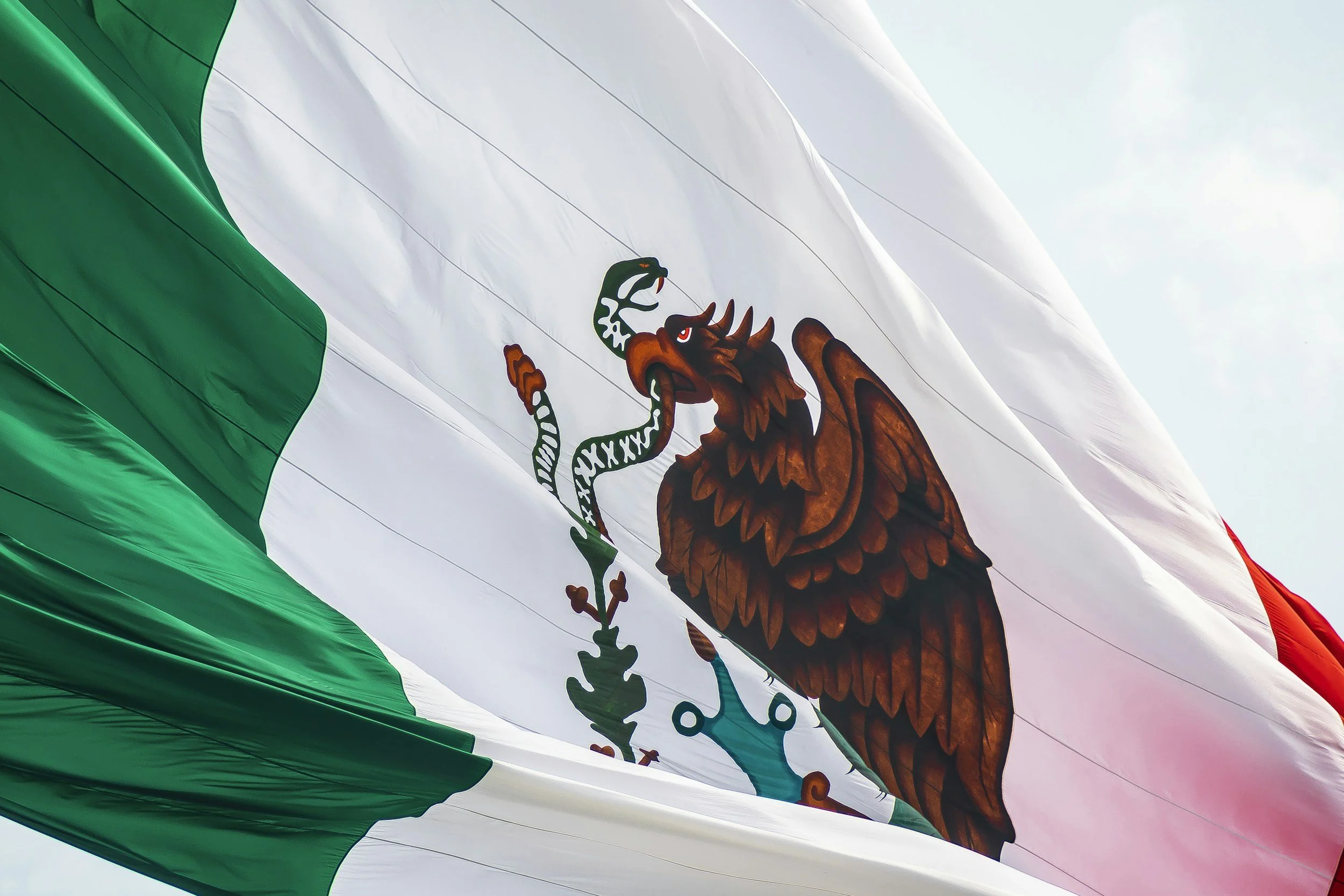
Mexico's universal healthcare
The IMSS-Bienestar program provides medical care, medications, and laboratory tests completely free of charge to people in Mexico who do not have social security (such as IMSS or ISSSTE). Services cover the first and second levels of care, including family medicine, surgery, gynecology, and pediatrics. Surgical procedures covered include general surgery, gynecological and obstetric surgery, pediatrics, and internal medicine, such as appendectomies and gallbladder surgeries. However, this insurance is only available in 23 states of the country, and because of this, and the need for social security coverage in a country without it, this service is extremely in demand, and unfortunately, there are not enough people to provide it. This is mainly due to the poor quality of work under which public health specialists operate in Mexico, a system characterized by a structural shortage of specialists, hospital overcrowding, and a lack of supplies and medications. Currently, the country has only 2.5 doctors per 1,000 inhabitants, well below the international average.
This is why at first, in theory, this seems like a completely functional system; However, as I have previously mentioned, there are several points where this fallacy breaks down: the answer to how, despite having such a theoretically good healthcare system, almost half the population can't access it. First of all, we must clarify that because of the high demand on the universal health system (IMSS Bienestar) most public health insurance plans in Mexico (Such as IMSS and ISSSTE) come bundled with employment benefits as a false promise within a contract. And why false? According to studies by Oxfam Mexico, more than 32 million people in the country work in the informal sector. These workers lack secure contracts, social security, access to medical services, and legally mandated benefits.

This places the Mexican worker in an extremely difficult position: how can one question job benefits in a country where jobs are scarce? According to Forbes Mexico, the country has a historically low unemployment rate hovering around 2.5% yet 54.8% of the employed workforce works in the informal sector. This forces citizens to accept substandard working conditions simply to earn a wage, often at the expense of access to health insurance. And what happens when the unexpected strikes? unforeseen accidents, late-stage diagnoses, etc. The financial burden falls on the citizens' hands; according to the health consultancy Salud MX, out of pocket health spending by the average Mexican accounts for nearly 50% of the country's total health expenditure. On average, Mexican families spend approximately 6,421 pesos (365.30 USD) per household annually. In total, this amounts to an annual contribution of around 1.12 billion pesos (63,644,800,000 USD) nationwide.
We the people must help each other
Just talking about these two neighboring countries we demonstrate in fact how healthcare is not just a nation's issue, since having access to health is a universal right, or at least that's how it should be. How can we deny a service that every human being needs just for the fact of being a human? So if the system is failing it is in our hands as a community to help each other.

How can we help each other?
Health starts with a community, with no racial, social or cultural differences, since it’s a matter of humanism. A good example of this is supporting activism like NAACP, an American healthcare organization focused on ending racial health disparities. Their aim is not simply disease prevention “but to create an inclusive culture of healthy people and communities.” Their mandate is “to drive equitable health outcomes and transform healthcare systems” they collaborate with communities through coordinated action to address the social determinants of health racism, poverty, exclusion, inferior schools, unsafe housing, poor nutrition, and toxic environments.
Just as when we have our public endurance but it denies us the medicine we need, we can support movements like “People's action institutes: healthcare for all” where they help individuals fight for care when insurers deny treatment, and hold companies to account for denying claims. Advancing affordable, universal health care for all.
On the other hand, what happens when we do receive medical service, but negligence works against us? The right to health not only implies access to medical services, but also the assurance that these services are provided under clear and equitable standards. Based on the Maloney Law Group, estimates indicate that medical errors and negligence cause between 44,000 and over 250,000 deaths annually, ranking as the third-leading cause of death in the US. And on the other side of the door in Mexico in 2024-2025, the landscape of medical negligence remains a serious concern, with statistics reflecting the severity and complexity of the problem: it is estimated that between 250,000 and 400,000 deaths occur each year due to medical errors. That's why we need to support organizations like "Soy Paciente” , a Mexican movement focused on defending patients' rights. They address issues such as strengthening transparency in healthcare services, establishing mandatory care protocols, and guaranteeing informed consent, among other measures to improve access to and protection of the right to health. These are key elements to ensure that everyone receives adequate medical care, with clear and accessible information, as well as treatment options.
Lastly, making healthcare a human right for everyone, doesn't mean getting medical workers pay out of the picture. It means we pay taxes for a system that doesn't respond to us in the way we actually need, a system that builds pretty buildings but limits us from getting the medicine we need. As I write about it, reader, I have also known what it is like to see new monuments in my city but unaffordable medical bills in my home; In 2016, my father was diagnosed with multiple sclerosis, a disease that in Mexico initially could only be treated in private hospitals with a medication that has kept him stable to this day. If my family hadn't had the privilege of private health insurance, I don't know if he would be reading this today. The treatment alone for multiple sclerosis in Mexico costs approximately between $26,000 pesos (US$1,480) and $60,000 pesos (US$3,416) per month, resulting in annual treatments that can exceed $200,000 pesos (US$11,368), and this is just to maintain a life with multiple sclerosis. So yes, medical care should be a universal right, because while my father lives with me, in Mexico there are more than 116,000 people who aren't so fortunate each year. It's estimated that this number of people die annually without having received prior medical attention. Experts and researchers estimate that up to 20% of all deaths in the country are linked to a lack of access to healthcare or shortages of necessary medications. Similarly, in the United States, approximately 45,000 people are also unlucky enough to live within an unjust system. It is estimated that this number of people die each year due to a lack of health insurance and limited access to timely healthcare. This equates to an average of one preventable death every 12 minutes.
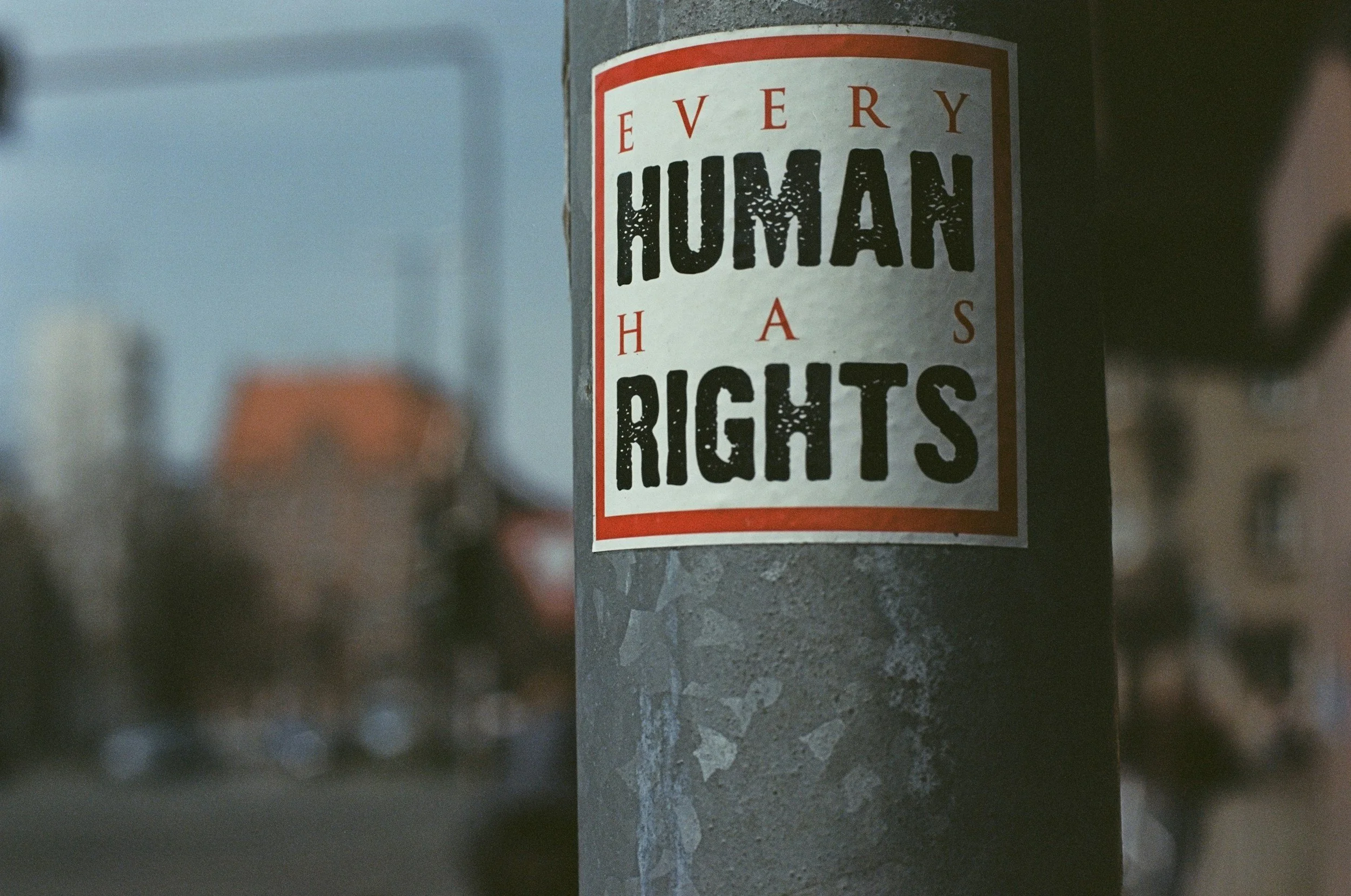
Let us then come together as a community, let us support those who are making a change today, because life can change in an instant, health is not guaranteed, and we never know when we will have to reach into our pockets because the system still does not prioritize life as a fundamental right.


A comparison between the healthcare services around the US and Mexico, is it possible that these bordersharing countries could be experiencing a very similar healthcare crisis?