Anita’s Way: How One Woman Is Making Room for Artists in New York City
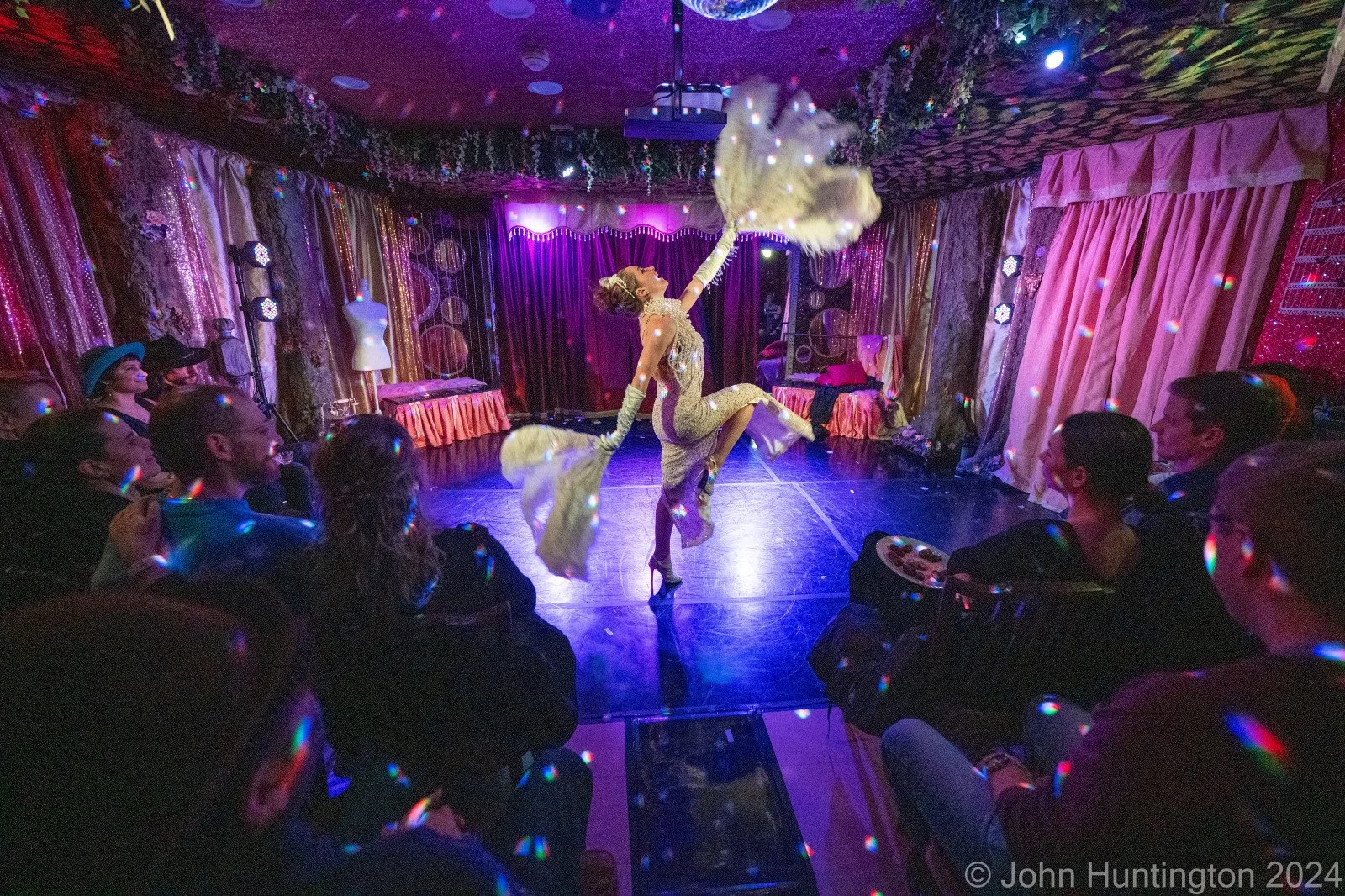
Angela Harriell The Love Show at Port Authority 2025
Anita Durst and I stood on the south side of 42nd Street as she pointed across the street.
“Anita’s Way. Do you see it?”
I squinted, trying to figure out what she was pointing to. My eyes scanned the entrance to a passageway connecting 42nd and 43rd Streets. I couldn't imagine where I'd find a sign bearing her name on a sleek, modern Manhattan building. Then I spotted it, emblazoned in steel across an overhead awning.
“Wait. A tunnel was named after you? Why?”
“The Durst family owns this property,” she replied nonchalantly. Then, with a hint of amusement, she added, “My dad tells me, ‘Anita always gets her way!’”
As I learned during an inspiring afternoon with philanthropist and arts champion Anita Durst, her father was right. Anita does tend to get her own way. But because of her tenacity, she's also helped thousands of dancers, singers, actors, visual artists, and performers of every kind get theirs.
Through her organization, ChaShaMa, Durst has taken on one of the biggest challenges facing artists in a city where every square foot comes at a premium: finding affordable places to create, rehearse, perform, and exhibit their work. Since founding the organization in 1995, she has turned vacant storefronts, unused offices, and overlooked spaces into opportunities for artists and communities throughout New York City.
The idea is simple but powerful: rather than let empty real estate sit unused, why not put it to work for the arts?
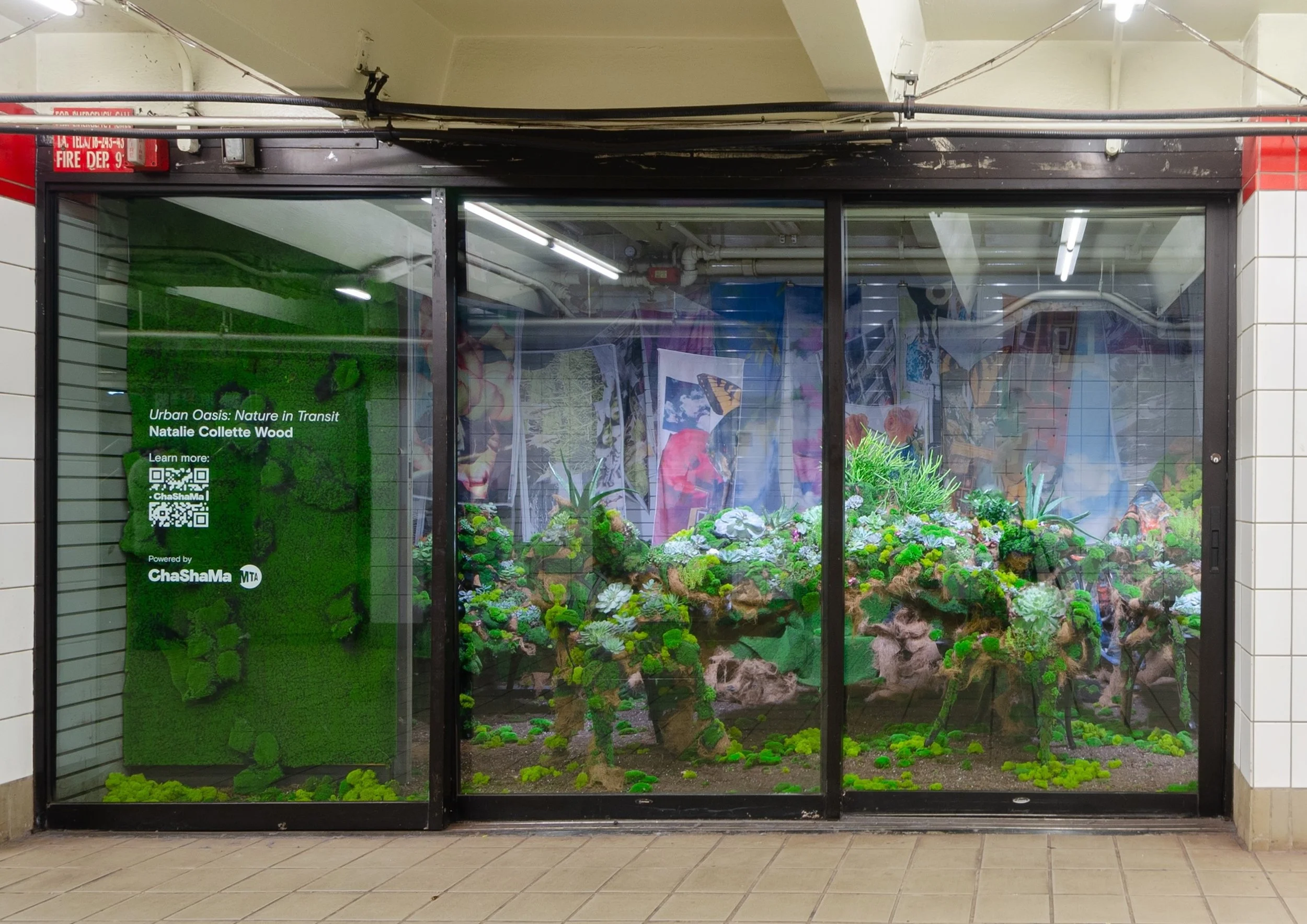
Natalie Collette Wood 53rd & 5th Ave Subway Station FY25
In doing so, Durst is helping ensure that art doesn't simply survive in New York City. It has room to thrive.
The Durst family's New York real estate story began in 1902, when Joseph Durst arrived from what is now Poland with just three dollars. He eventually entered the real estate business, purchasing his first Manhattan property in 1915 and establishing the Durst Organization in 1927. Over the generations, the family developed some of New York's most recognizable buildings, including Four Times Square and the Bank of America Tower.
Anita, the daughter of Douglas Durst, grew up around the family's real estate business, but her own interests took a different direction. Dyslexia made traditional schooling difficult, and she left high school in ninth grade. An improv class at a second-chance school changed her life. Theater, she says, “saved me.”
After studying at Lee Strasberg's Acting Studio, she met experimental theater director Reza Abdoh. She performed in his unconventional productions, including a 1989 play in Manhattan's Meatpacking District, and spent three years touring Europe with his theater troupe, Dar a Luz. Abdoh died of AIDS in 1995. His fearless approach to theater left a lasting impression on Durst, both as an artist and as someone who would eventually make it possible for others to create.
That same year, she founded ChaShaMa. Initially, the organization produced experimental theater, using a space her family provided on 42nd Street. The company eventually occupied 12 storefronts and presented hundreds of performances.
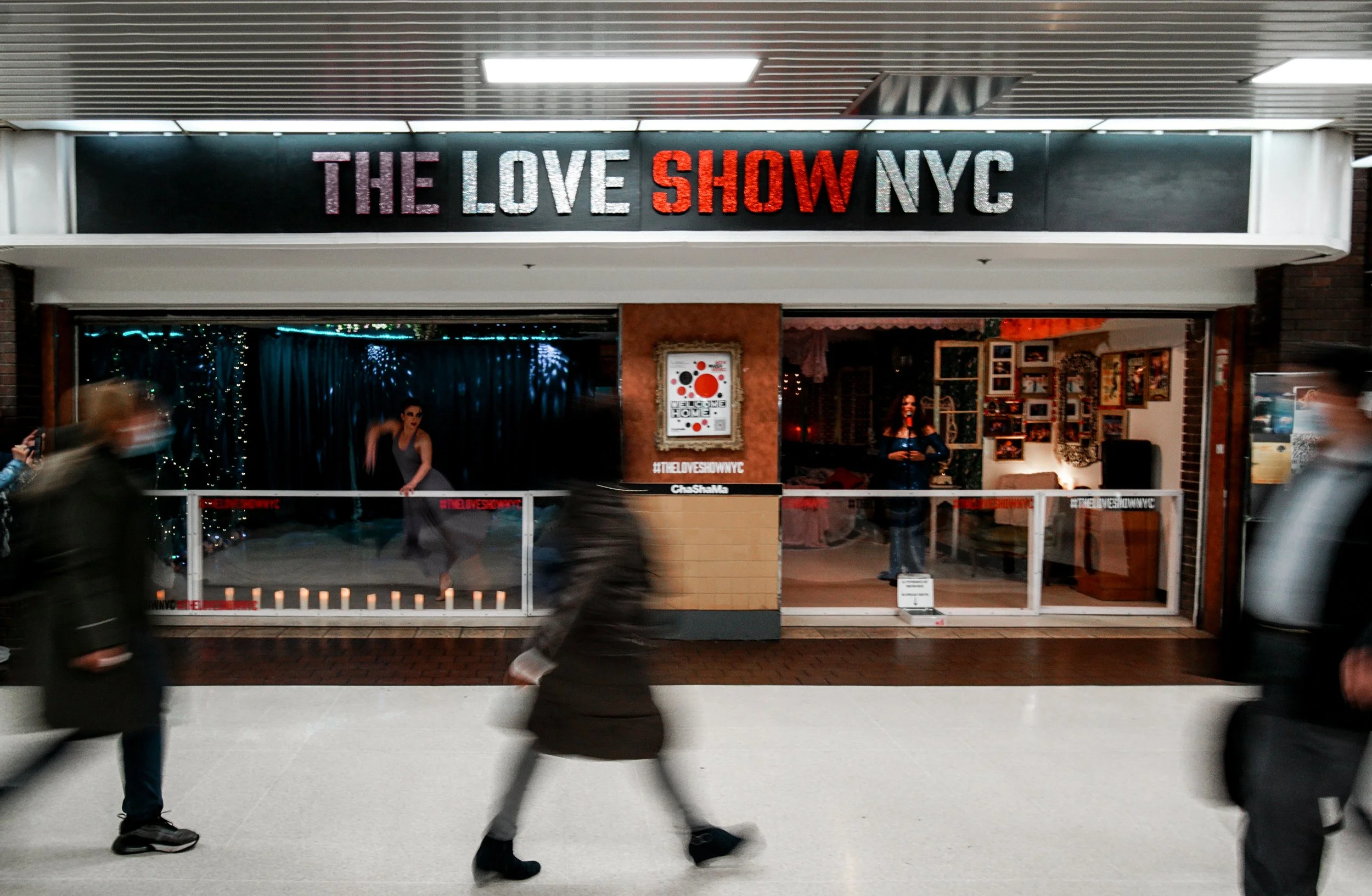
The Love Show by JulianClark4
But Durst came to realize that she didn't need to produce the shows herself. Artists of all kinds needed places to work and present their creations. When Disney's redevelopment of Times Square displaced the organization, she began approaching other property owners.
“I'll go and ask if people would give us space,” she recalls.
They did. Her family connections helped open doors, but the spaces were secured primarily by her own initiatives and chutzpah. She also built relationships with property owners and found ways to address practical concerns such as insurance. Over time, ChaShaMa evolved from a theater company into something much larger: an organization that connects underused real estate with the people who need it to make art.
ChaShaMa doesn't operate every space in the same way. It matches each property to one of four programs, depending on its location, characteristics, and the terms negotiated with the owner. The result is a range of opportunities for artists, entrepreneurs, and neighborhoods that might otherwise have limited access to creative spaces.
ChaShaMa has developed four programs to make underused spaces available to artists and creative entrepreneurs. Some vacant storefronts become affordable places to exhibit or perform, while others are transformed into studios and workspaces for visual artists. Through its community program, artists receive free workspace in exchange for teaching free arts classes in underserved neighborhoods. Another initiative helps women and BIPOC entrepreneurs establish creative businesses in affordable retail spaces.
The approach benefits more than the artists themselves. ChaShaMa brings exhibitions, performances, workshops, and small businesses into neighborhoods, turning otherwise empty properties into places where people can gather, learn, and experience the arts. Fees are kept well below typical market rates, with the goal of making creative space accessible to people who might otherwise be priced out.
Artists and entrepreneurs can apply through free, open calls posted on ChaShaMa's website and shared through its social media, newsletters, and community partners. The organization prioritizes local artists and those who have traditionally faced barriers to accessing affordable space.
Since 1995, Durst estimates that 40,000 artists have been granted workspace or exhibition opportunities through ChaShaMa. The organization also reports that it has offered 3,000 fine arts classes in underserved communities, enlivened 700 spaces through artistic residencies, and provided $9 million in real estate opportunities to creative people.
Today, ChaShaMa has grown to 40 locations stretching from Niagara to Far Rockaway, with a staff of 15. Durst remains deeply involved, from fundraising and programming to visiting potential sites, securing spaces, and working directly with artists. Finding artists, she says, has never been the challenge.
Whitebox NY
Bringing overlooked spaces to life
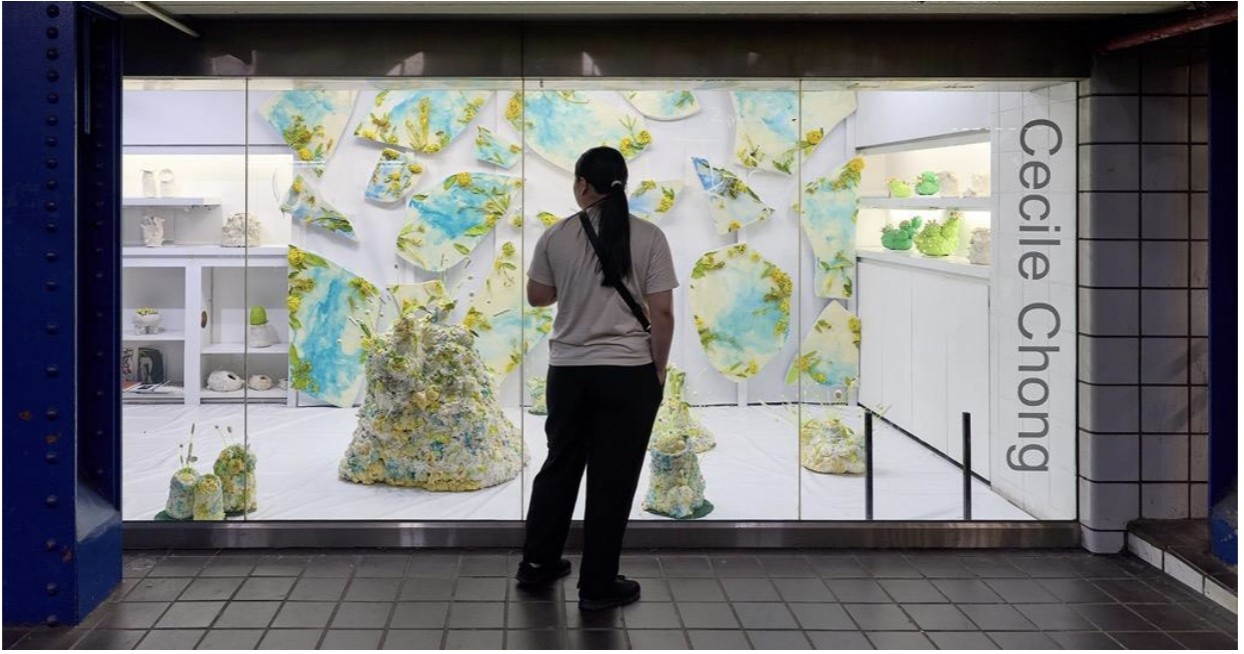
On a beautiful fall afternoon, I walked with the hospitable and effervescent Durst as she took me on a tour of several ChaShaMa properties. We visited an artists' space inside the 42nd Street subway station showcasing visual art; an unusual triangular space in the Garment District featuring the work of a single designer; a tucked-away space inside a transit hub that houses a theater company; and a “remake” shop where upcycled clothing is transformed into wearable art.
I was struck by the sheer scope of what Durst had accomplished and by the creativity flourishing in spaces that might otherwise have gone unused. Each location had its own personality and purpose, but all shared one thing: someone had been given an opportunity to create something that might not otherwise have existed.
Looking around at all she had helped make possible, I found myself wondering what motivated her to keep doing it.
“Vision is fine,” Durst told me, “but what I care about is whether it reaches the community and whether the space is being utilized. Is it safe? Can people come here and create?”
She wants ChaShaMa to be a place where artists feel free to experiment, even fail. “This is a place where you can go and make a mistake.”
She says she could do this forever, continually observing what works, making changes, and watching the impact unfold. Her philosophy is simple: “It's not what you have, it's what you do with it.”
She loves watching artists grow and witnessing the power of creativity to transform not only people but the places around them. Art, she explained, can change the face of a building or an otherwise uninviting space, bringing it to life.
“It goes from dark to light.”
And, she added with refreshing candor, “I like succeeding. I like accomplishing something.”
One artist who has benefited from ChaShaMa is Julie Kinkle, who transforms existing clothing into wearable art. This year, with Durst's help, Kinkle realized a longtime dream by opening her own upcycling and “remaking” shop called Blue Greenie.
But the store is more than a place to sell her creations. It also serves as a working studio and a platform for other creatives to showcase and sell their work, making Kinkle's distinctive approach accessible to a wider community of artists. It's another part of Durst's vision: not simply to provide individual artists with space, but to bring creatives together, encourage collaboration, and spread the love.
“To my knowledge, there's not a store that does what we do,” Kinkle says. “And Anita makes it all possible.”
The relationship extends well beyond providing a space. Durst regularly stops by to check on the shop's progress and is a customer herself. For her, helping artists succeed isn't just about opening doors. It's about building relationships and becoming part of their journeys.
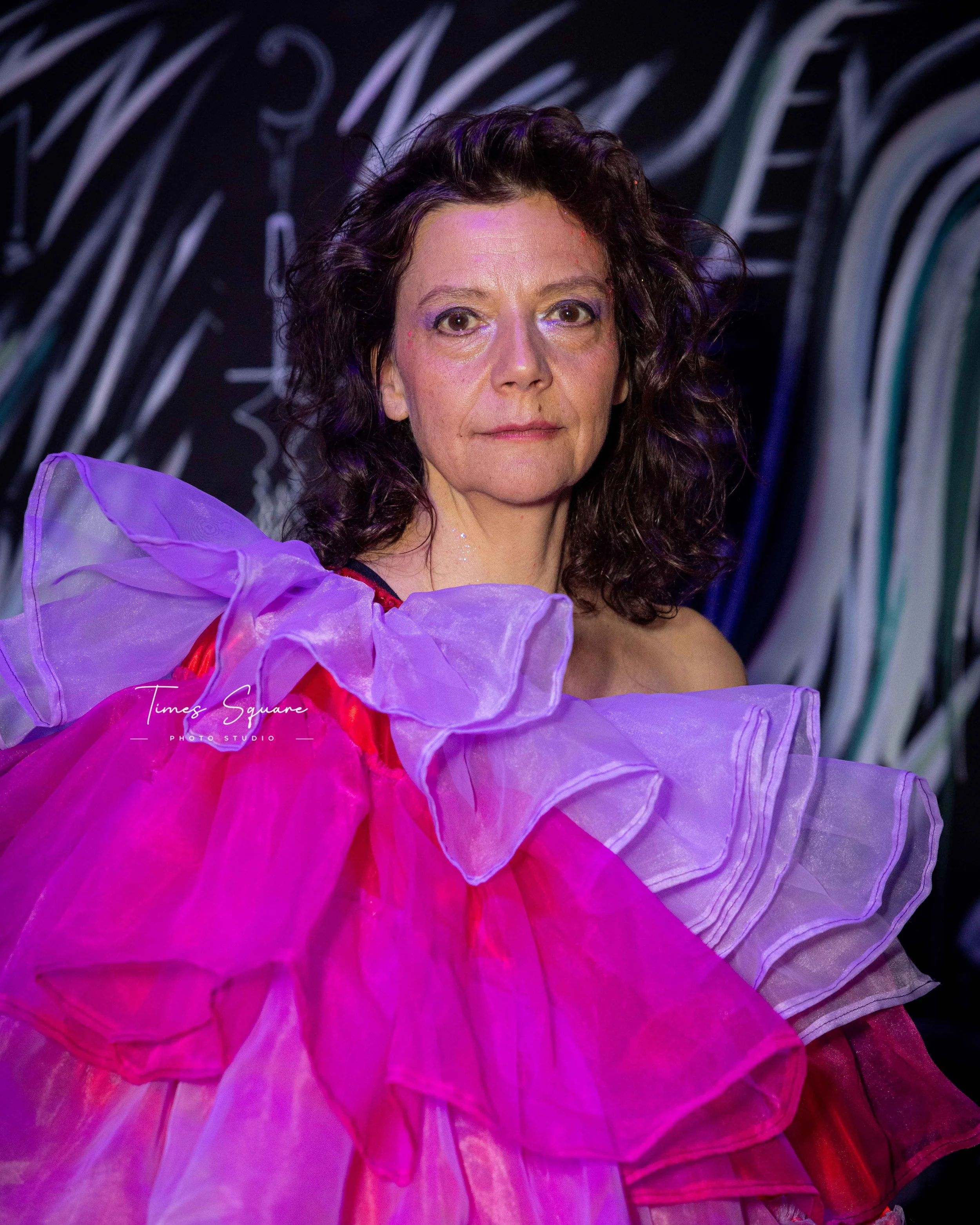
Anita Durst, Chashama Gala by Times Square Photo Studio
Durst has never stopped making art herself. She produced and starred in Prime, directed by Meagan Coyle, which premiered at the 2026 Sundance Film Festival. In 2001, she earned a Drama Desk Award nomination for Outstanding Featured Actress in a Play for her portrayal of Marianne in New York Theatre Workshop's production of Rainer Werner Fassbinder's The Bitter Tears of Petra von Kant, staged at the Henry Miller Theatre.
She also finds joy in working at her family's organic farm upstate, another creative outlet she clearly cherishes. The artistic spirit extends to the next generation, too. Her son performs as a vocalist in a band, and her family has continued to support her work and her vision for ChaShaMa.
Standing beneath the sign for Anita's Way, I thought again about her father's playful observation that Anita always had to get her own way. He may have been right, but the meaning of that phrase has taken on a life of its own.
Durst has used the opportunities available to her not simply to pursue her own artistic ambitions, but to open doors for others. She has turned vacant properties into creative spaces, given emerging artists room to experiment, and helped transform forgotten corners of New York into places where imagination can flourish.
Anita Durst has gotten her own way. But more importantly, she's made a way for thousands of other artists to get theirs.
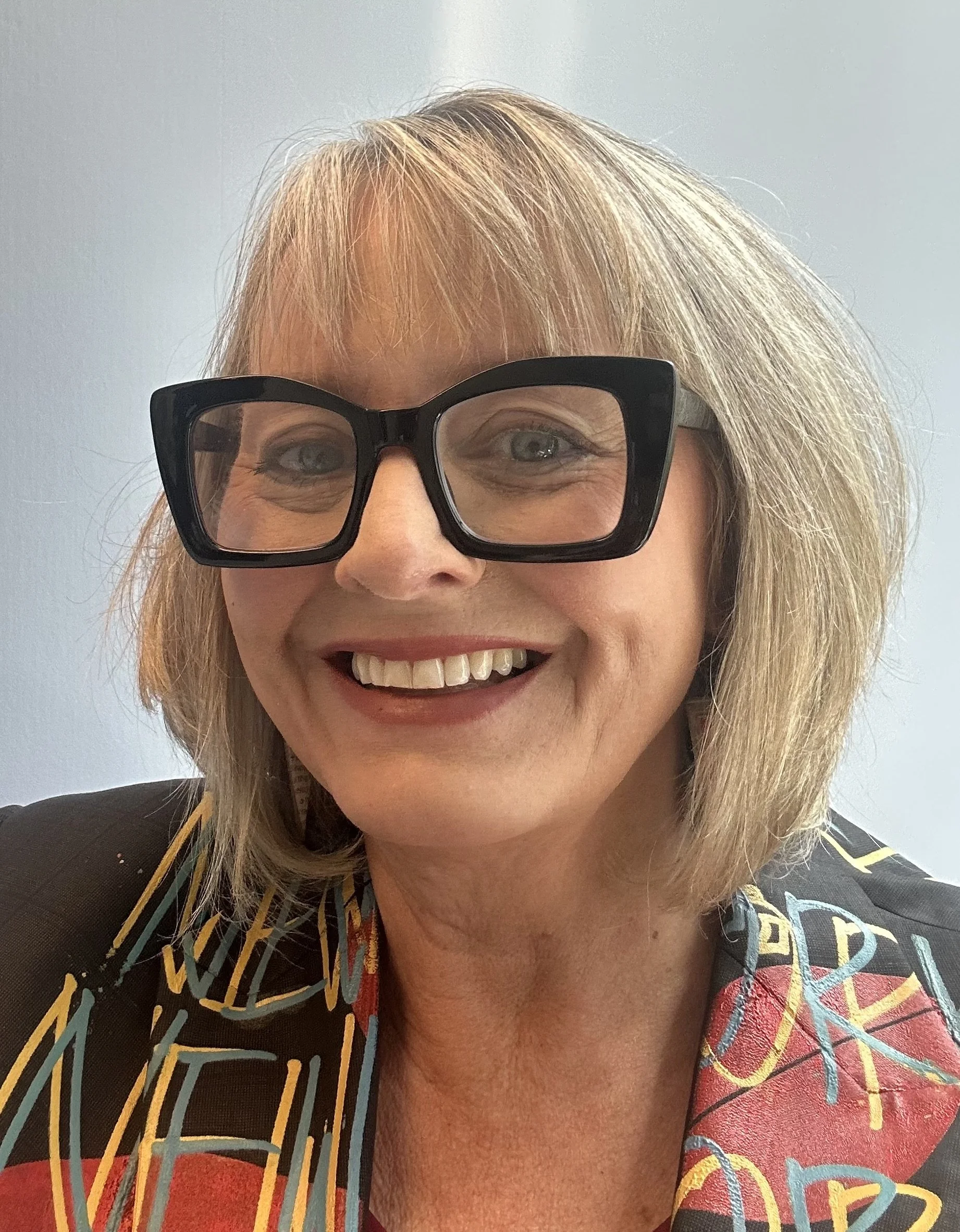
Anita’s Way is written by Christina Ray Stanton, an award winning writer and author and can be found at www.christinaraystanton.com.
Anita Durst and I stood on the south side of 42nd Street as she pointed across the street.
“Anita’s Way. Do you see it?”
I squinted, trying to figure out what she was pointing to. My eyes scanned the entrance to a passageway connecting 42nd and 43rd Streets. I couldn't imagine where I'd find a sign bearing her name on a sleek, modern Manhattan building. Then I spotted it, emblazoned in steel across an overhead awning.