Our Favorite Progressive Candidates in 2026 - Elizabeth Ferris, West Virginia Senate District 15
West Virginia is undoubtedly a working-class state, with a long, rich history of organized labor. The state was on the forefront of the labor revolution against inhumane working conditions: the West Virginia coal mine wars raged for nine years, culminating in the Battle of Matewan. The ultimate effect of this revolution was the National Industrial Recovery Act of 1933, which empowered American workers and strengthened labor rights.
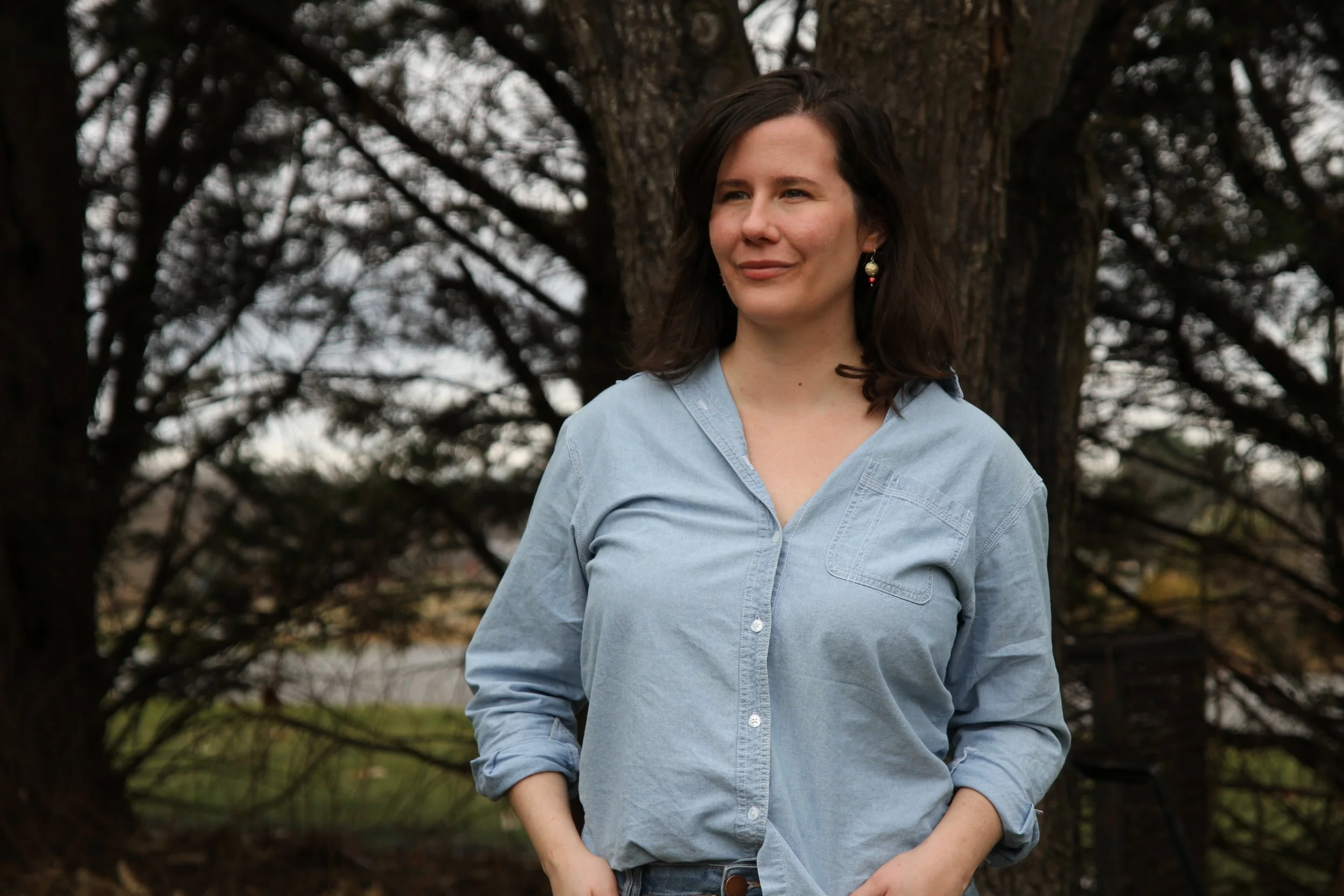
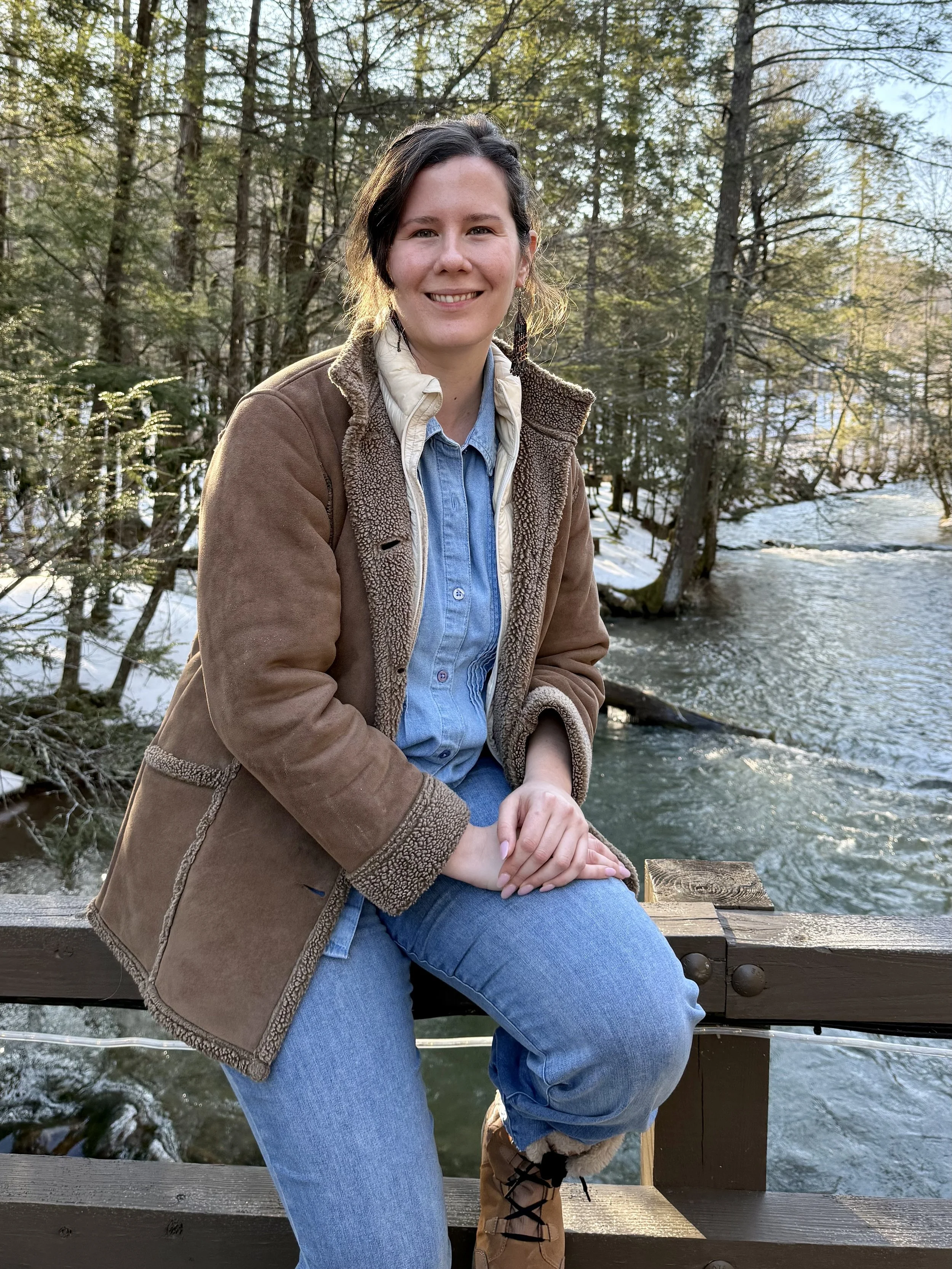
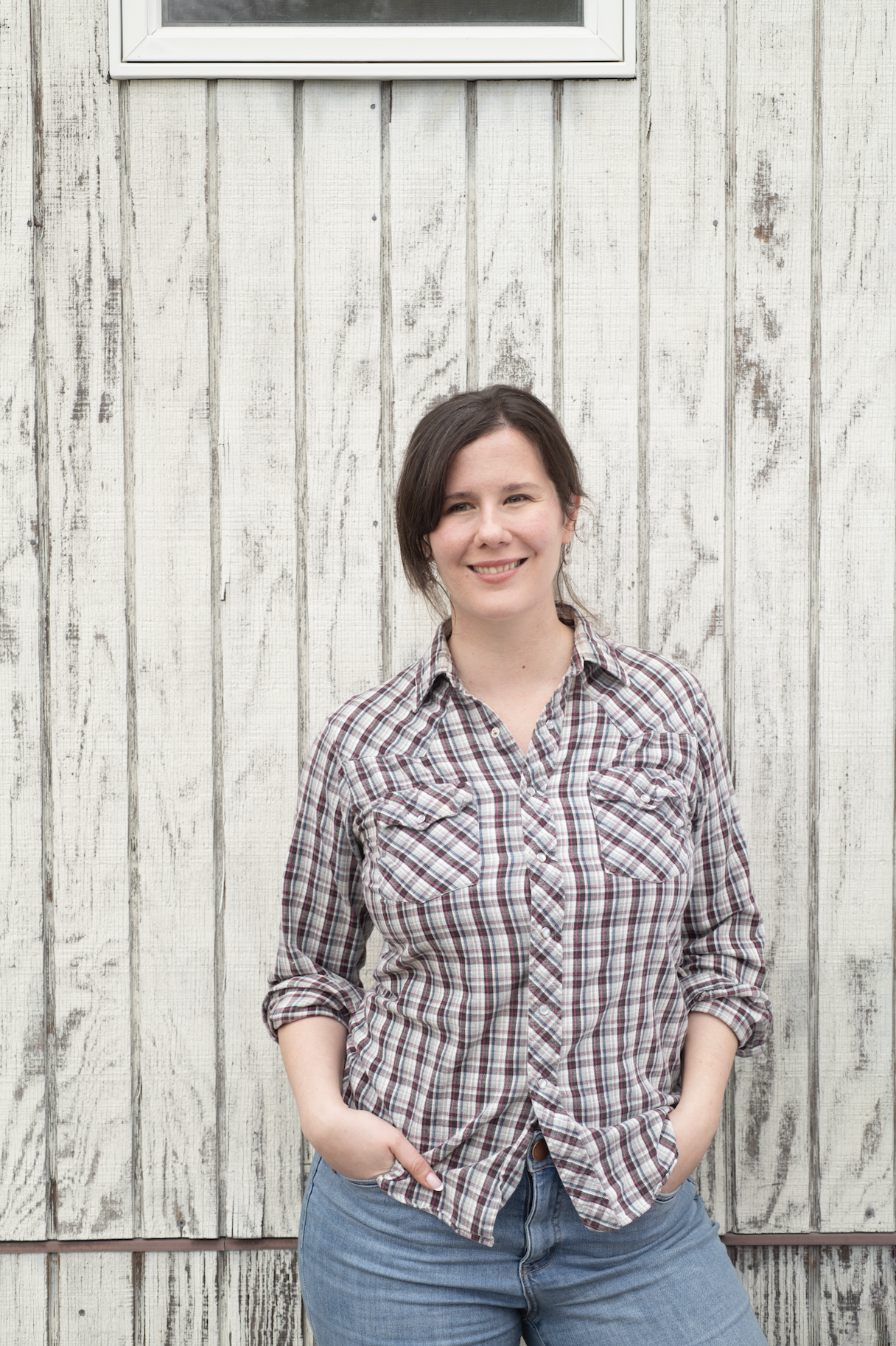
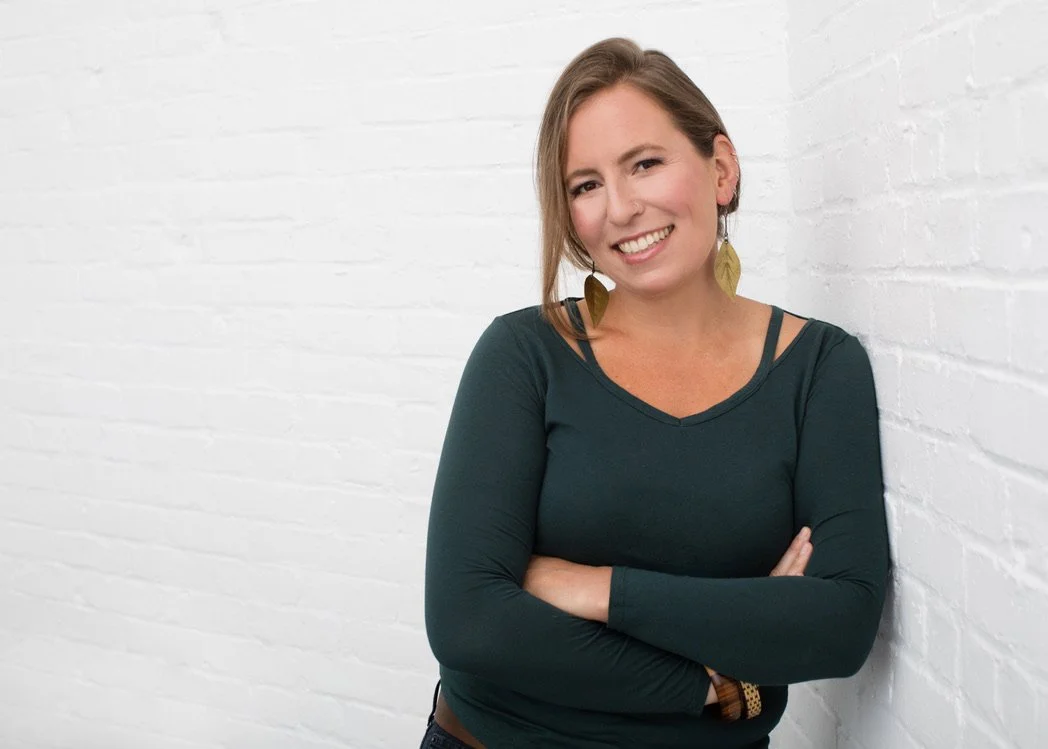
That is why West Virginia needs a representative who will fight for the working class, especially in a time where the rights of workers are being systematically rolled back nationwide, especially in West Virginia. Elizabeth Ferris (she/her), is a millennial teacher and writer who has had a diverse job history: hotel maid in northern Spain, nanny in Australia, garden worker on a commune in Sweden, and holiday delivery person for UPS. Elizabeth is passionate about reforming tax policy to eases the tax burden on the working class and shifts it back onto the wealthy; this will give West Virginia a better chance to invest in road infrastructure, make healthcare and childcare affordable for all, and improve the public school system. Elizabeth credits her Lutheran faith for guiding her toward serving the neediest; indeed, through her church she became co-chair of the Winchester Area Temporary Transitional Shelter Committee, helping provide homeless residents with a safe and warm bed from November to March every year.
Where are you based?
Berkeley Springs, in the Eastern Panhandle of West Virginia.
What position are you running for?
West Virginia State Senate in District 15 (Morgan, Hampshire, and portions of Berkeley County including Martinsburg).
How would you briefly summarize your platform?
I want to see a West Virginia that works better for working people. West Virginia has so much going for it. We’re one of the most beautiful states in the country, and we have some of the friendliest, hardest working people you’ll ever meet. If a tree falls across the road, you can bet within a few minutes one of your neighbors will be out there with their own chainsaw making sure the road is clear again. We also face some serious problems—the highest rates of opioid overdose in the country, some of the most children living in poverty, parts of the state (specifically the region known as the southern coalfields) where the water that comes out of people’s taps is not safe to drink. Years of Democratic majorities failed to make meaningful progress on these issues, and now a decade-plus of the largest Republican supermajority in the country has failed to make progress. We’ve got to move beyond left vs. right and get serious about what working people need in this state.
What inspired you to run?
I’ve gotten tired of seeing bill after bill that is about scoring political points instead of tackling real issues. For example, we passed a bill this year mandating Bibles in public school social studies classrooms, but as of writing this (with three days left to go in our legislative session) we’ve been unable to pass a bill to fix the fact that we’re one of the only states in the country that doesn’t make adequate school funding adjustments based on the number of special-need students in a given district.
What change are you hoping to bring to your district and country?
I desperately want us to move beyond our current political polarization so that we can get to policies that help the real pain many working families in our state and country are experiencing. Both major political parties have attached themselves to the buzzword “affordability”—but as long as Republican neighbors are convinced that their Democrat neighbors are the enemy and vice versa, it’s going to be really hard for meaningful progress to be made on this issue.
What do you feel are the most important issues right now, why, and how do you plan to tackle them?
Right now, in my opinion, the most important issues in West Virginia are: The mass exodus of our young people (we’re the only state in the country to have fewer residents today than we did in 1950); the public school funding crisis; and the lack of clean drinking water in the southern coalfields. All these issues require a certain amount of investment from the state to make headway on. We’re in a situation right now where the only real policy ideas advanced by the Governor’s office and taken up by our legislature are: income tax cuts and attracting data centers by having the fewest data-center related regulations and oversights in the country. I think the problems with the latter policy sort of speak for themselves. When it comes to the income tax cuts, what I wish we were better at communicating about is the fact that they do very little to help the ordinary earner. The Governor’s 10% income tax proposal would save a West Virginian earning $50,000 a year about $3 a week (median income in our state is $52,000, per capital income is $34,000) while costing the state $250,000,000 a year—the same amount of money the residents of the southern coalfields were told was too much to clean up their water.
America is extremely divided these days. How would you hope to bridge that divide with your constituents to better unite Americans?
I’m a firm believer that our democracy is only as strong as our neighborhoods. I’m in an 80-to-20 Republican-to-Democrat district. The likelihood of me winning with a D next to my name is very slim. However, one positive impact I can definitely have is cutting through some of our toxic political divide. This is already happening in my campaign. I’ve had conversations with folks that begin with them telling me they’d never trust a Democrat and end with us finding that, especially when it comes to state-level issues, we actually agree on quite a lot. This would be my number one piece of advice to others interested in uniting their communities. When you find something you disagree with your neighbors about, listen, then keep the conversation moving forward until you find your common ground. It will be there.
How do you see your unique identity and background to be an asset to you in office?
I’m a practicing Christian heavily guided by the tradition of the Gospels. To me this means going to where your neighbors are suffering or excluded and learning from them. There are a lot of folks suffering in West Virginia from generations of not-good-enough policy by both our current Republican supermajority and our past Democratic majorities. I believe more of our policies need to start from conversations with everyday working people.
What is your motto in life?
“Let love live through you—that’s where the joy is.” – Father Gregory Boyle
Where can we find out more about you?
My campaign website is elizabethforwv.com. Readers can also find my campaign on Facebook and Instagram. My personal/author Instagram is @eliza_be_than and my author website is: elizabethferris.com
Facebook: @elizabeth.ferris.15
Instagram: @elizabethforwv
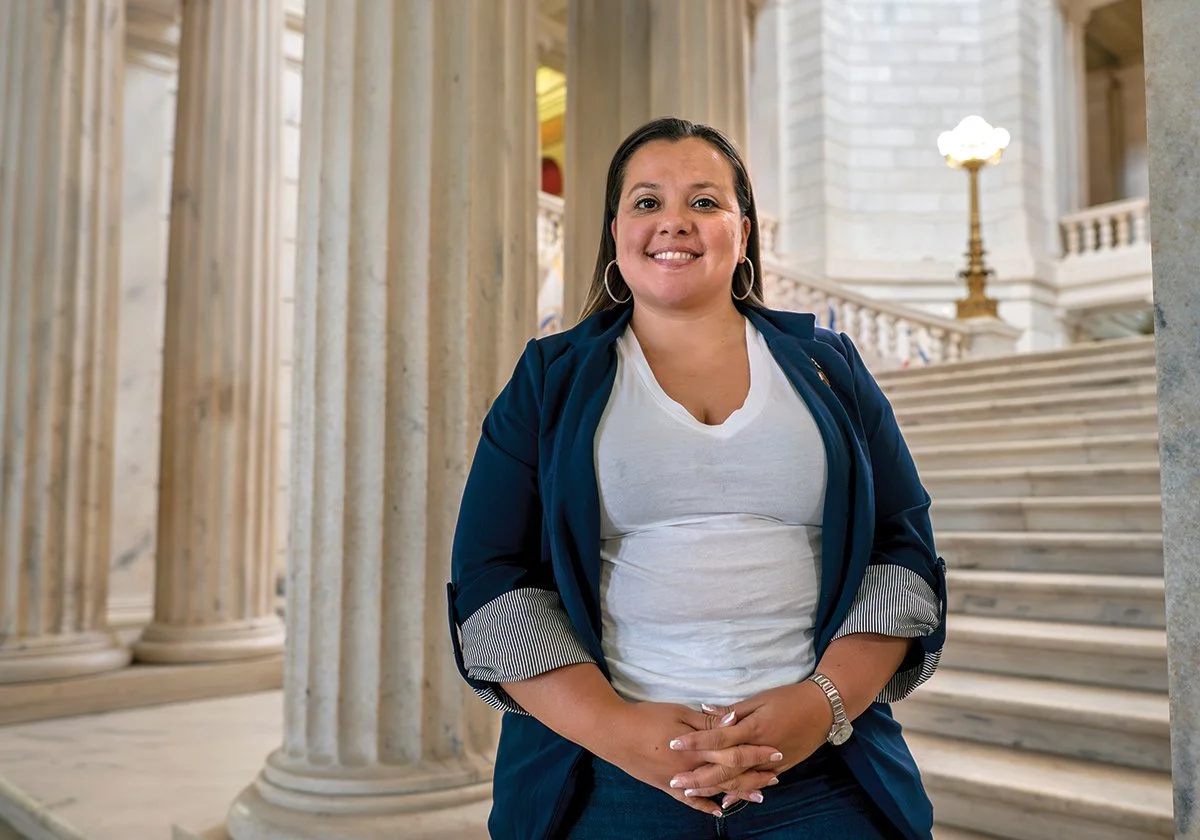
Ashanti Martinez (he/him) is a gay Afro-Latino millennial representative in Maryland’s House of Delegates. Active in politics from his early teenage years, Ashanti comes from a working-class family in Prince George’s County, a majority-Black county outside of Washington, DC. Ashanti attended Howard University, and is passionate about LGBTQ rights, universal healthcare, gun control, and the environment.