
From Morning Walks to Weekend Hikes: Your Guide to Effortless Outdoor Adventures
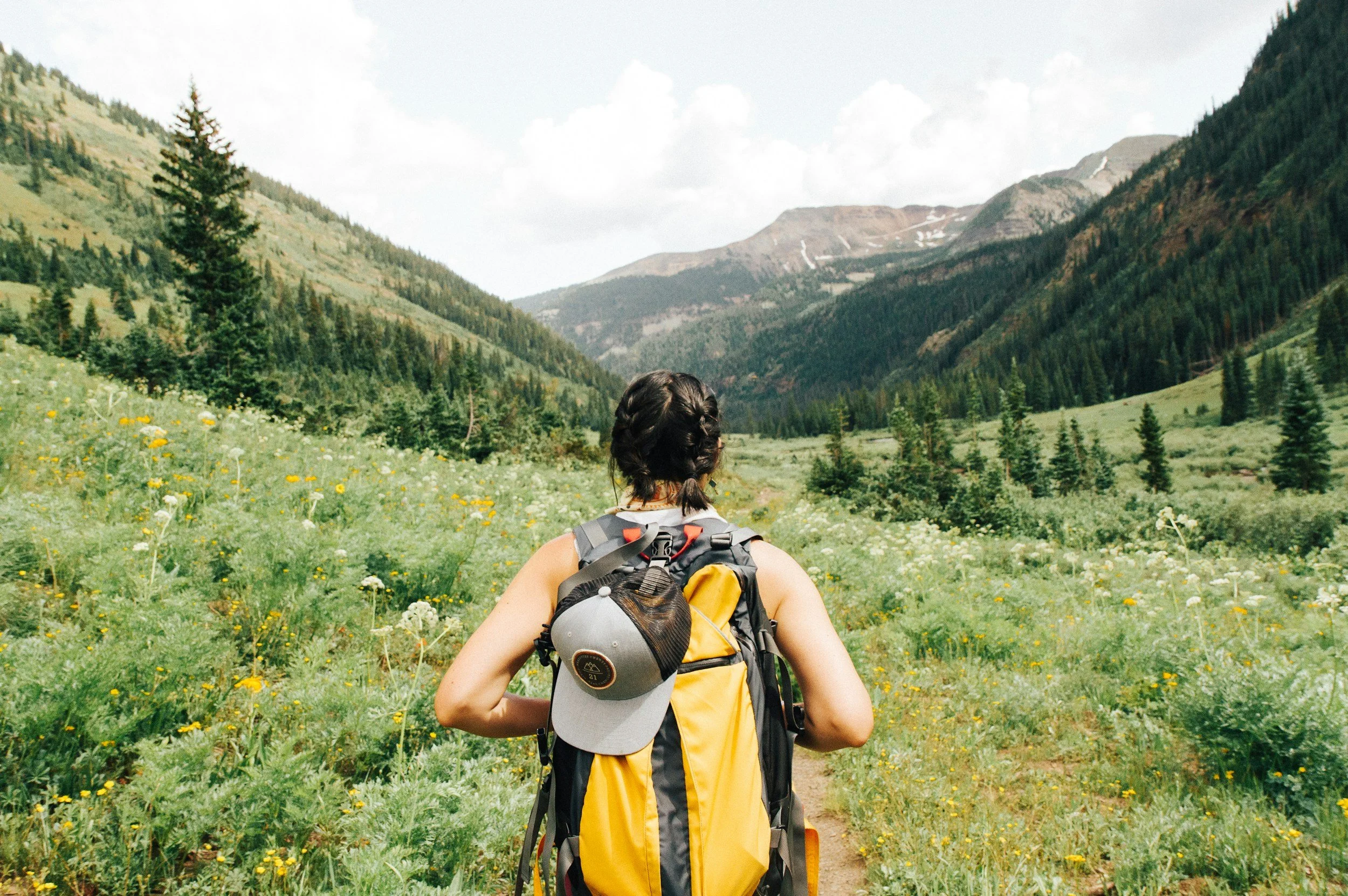
Spending time outdoors doesn't have to mean climbing mountains, planning long camping trips, or investing in expensive gear. Sometimes, a peaceful morning walk through your neighborhood or an afternoon on a nearby nature trail is enough to feel refreshed and reconnect with yourself.
Outdoor activities offer a welcome break from screens, busy schedules, and indoor routines. Whether you enjoy walking, hiking, cycling, or stretching in the park, getting outside can support your physical health and mental well-being.
The secret to enjoying outdoor adventures lies in keeping things simple. With comfortable clothing, thoughtful preparation, and a few practical habits, you can make spending time outside a natural part of your lifestyle.
Start Small: Make Morning Walks Part of Your Routine
You don't need hours of free time to enjoy the benefits of outdoor movement. A 20-minute morning walk can help you wake up, clear your mind, and start your day with a sense of calm.
Walking is one of the most accessible forms of physical activity. It requires little equipment, suits different fitness levels, and can easily fit into a busy schedule.
To make morning walks more enjoyable, consider these simple habits:
Choose a peaceful route through a park, quiet street, or green space.
Wear comfortable walking shoes that support your feet.
Bring water, especially during warmer months.
Leave yourself enough time to walk without rushing.
Change your route occasionally to discover new surroundings.
If mornings aren't convenient, an evening stroll can be just as rewarding. What matters most is finding a routine that feels enjoyable rather than another obligation.
Dress for Comfort, Not Just the Weather
The right clothing can make a noticeable difference in how comfortable you feel outdoors. Whether you're walking around the neighborhood or hiking through wooded trails, breathable fabrics and supportive layers help you move freely.
Start with clothing that suits both your activity and the weather. Lightweight tops, flexible leggings, and moisture-managing socks are useful choices for active days. On cooler mornings, bring an extra layer that you can remove as temperatures rise.
For women, choosing comfortable undergarments deserves equal attention. Q for Quinn's soft organic cotton sports bra is an option worth considering for relaxed walks, gentle stretching, and other low-impact activities. Its organic cotton material offers a soft alternative for those who prefer natural fibers against their skin. Other useful clothing choices include breathable cotton T-shirts, lightweight leggings, flexible hiking pants, and moisture-wicking socks that help keep feet comfortable during longer walks. A loose-fitting long-sleeve shirt can provide extra sun protection, while a lightweight fleece or windbreaker is useful when temperatures change. Choosing comfortable, easy-to-layer pieces allows you to adjust your outfit throughout the day without carrying unnecessary clothing.
For longer hikes or more demanding workouts, look for support suited to your activity level. Clothing should allow comfortable movement without constant adjustments.
Remember that comfort isn't about wearing the most expensive outdoor outfit. It's about choosing pieces that feel good, fit properly, and suit your plans.
Protect Your Everyday Tech While Outdoors
Although outdoor adventures are a chance to disconnect, smartphones still serve several useful purposes. They help with checking trail maps, monitoring weather conditions, contacting friends, and capturing memorable moments.
Outdoor environments can be unpredictable. Uneven ground, sudden rain, and accidental drops can put your phone at risk, especially when you're walking over rocky surfaces or stopping to take photographs.
A protective phone case is a practical addition to your outdoor gear. Brands such as Ghostek offer phone case options worth looking at when preparing your device for everyday outings and outdoor activities.
When choosing a case, consider its grip, raised edges, drop-protection features, and compatibility with your phone. Keep in mind that a protective case doesn't automatically make a device waterproof.
Before heading out, download offline maps when possible, charge your phone, and consider carrying a small portable charger for longer trips.
Technology can be helpful outdoors without becoming the center of your adventure. Once you've checked your route, put your phone away and enjoy the surroundings.
Plan Weekend Hikes Without Overcomplicating Things
Weekend hiking is a wonderful way to spend more time in nature, discover unfamiliar places, and enjoy movement at your own pace.
If you're new to hiking, begin with shorter, clearly marked trails. Look for routes that match your fitness level and allow enough time for breaks.
Before leaving home, check the trail's distance, elevation gain, weather forecast, and current conditions. A three-mile hike on flat ground can feel very different from a three-mile route with steep climbs.
A small backpack can hold everything you need for a comfortable day outdoors:
Water and snacks to maintain your energy.
Sunscreen, sunglasses, and a hat.
A lightweight jacket or rain layer.
A charged phone and downloaded trail map.
A small first-aid kit.
Any personal medication you may need.
Let someone know where you're going, especially if you're hiking alone. Stay on marked paths, follow local trail guidance, and turn back if conditions become unsafe.
Hiking should feel rewarding, not like a race to reach the finish line.
Make Outdoor Activities More Enjoyable Through Mindful Habits
Spending time outside offers an opportunity to slow down and notice things that often go unnoticed during busy days.
Instead of focusing entirely on distance, speed, or step counts, pay attention to your surroundings. Listen to birds, notice changing light, or take a moment to appreciate the fresh air.
You can also introduce variety into your outdoor routine. Try stretching in a quiet park, cycling along a scenic path, or bringing a book to your favorite green space.
Inviting a friend can make outdoor activities more social, while spending time alone may provide a welcome opportunity for reflection.
Respecting nature is another part of enjoying outdoor spaces. Carry reusable items when practical, take your rubbish home, avoid disturbing wildlife, and leave natural areas as you found them.
These small choices help keep parks and trails pleasant for everyone.
Build an Outdoor Routine That Works for Your Lifestyle
One of the biggest mistakes people make when starting outdoor activities is setting expectations that are difficult to maintain.
You don't need to hike every weekend or walk several miles each morning. Start with realistic goals that suit your schedule and gradually increase your activity as you become more comfortable.
You might begin with two short walks during the week and a longer outdoor outing on Sunday. Over time, you can try new routes, visit nearby nature reserves, or experiment with different activities.
Pay attention to how your body feels, take breaks when needed, and allow yourself rest days.
The goal isn't to turn every outdoor adventure into a fitness challenge. It's to create opportunities for movement, relaxation, and enjoyment.
Let the Outdoors Become Part of Everyday Life
Outdoor adventures don't need complicated plans or a large collection of specialized equipment. Comfortable clothing, reliable everyday accessories, and a little preparation can make even simple outings more enjoyable.
From peaceful morning walks to scenic weekend hikes, spending time outside offers countless ways to reconnect with nature and yourself.
Start with what feels manageable, choose activities you genuinely enjoy, and remember that some of the best outdoor moments happen close to home.


Halloween is coming up and with celebrating it lots of fun activities too. But enjoying festivities doesn't mean to harm the planet. That’s why I have put together a list of actions we can do to celebrate in a more eco-friendly way!