Teo Tala - A Message of Hope For National Suicide Prevention Month
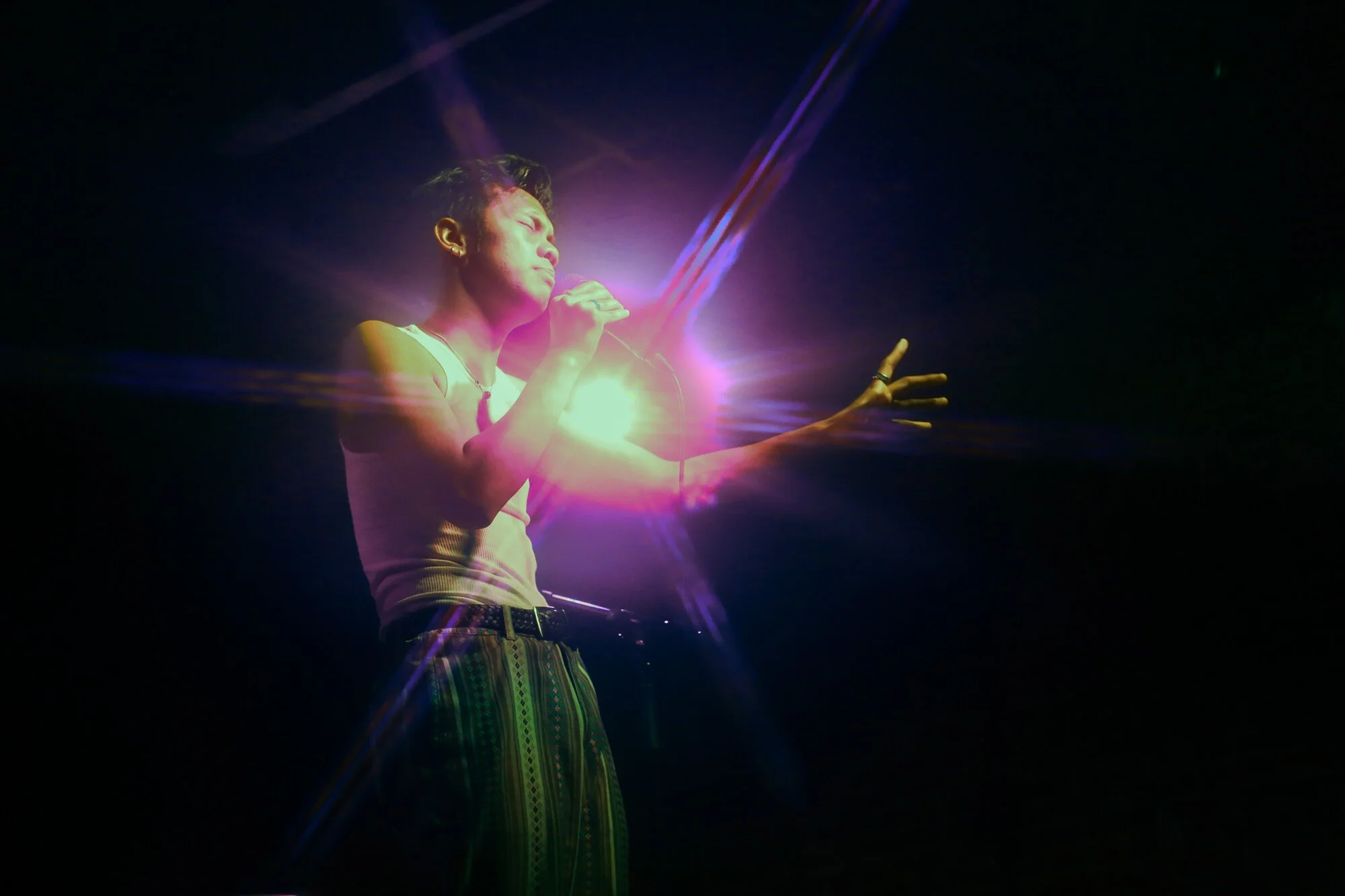
Photo credit: Seha Kahn
Teo Tala is an inspiring LA Based musician, he specializes in indie-pop music and writes melodies with the aim of shifting dark thoughts to hope, constantly exploring vulnerability and making consciousness about mental health.
Where are you from?
I was born and raised in Southern California, specifically the San Gabriel Valley! It’s an area that means a lot to me, and I think being an LA County native really shaped a lot of my aesthetic that I bring into my music.
Tell us about your background history! What steps led you to create music?
I like to think I grew up with music in my DNA. I can remember putting on mini concerts in the living room for my large Filipino family, singing karaoke at potlucks, and telling my parents I wanted to be a rockstar and insisting that I needed a Jonas Brothers poster for my room. Middle school is really where creating music began for me. I picked up my sister’s ukulele, taught myself a few songs — specifically Colbie Caillat’s “Bubbly” — and realized how much I loved writing. After going to college at Santa Clara and working at Google in Chicago, I realized music was still the dream I wanted to pursue, so I moved back home to SoCal to give it everything I have.
You’re a singer and songwriter; where do these beautiful stories come from?
My songs come from a mix of personal experiences, my imagination, and listening to the lives of my friends. One of my favorite parts of storytelling is being able to step into different points of view when I write, treating each song almost like a different diary entry. Whether it’s a personal memory or someone else’s story, I always aim for that raw, confessional honesty.
Your melodies really capture feelings and themes such as vulnerability, love, and mental battles. Where do you find the strength to sing from such a personal place?
I think a lot of that strength comes from self-awareness and being a huge advocate for therapy. I attend therapy weekly, and I like to think I’m deeply in tune with my feelings and make a point to process and unpack them rather than hiding them away, which, don’t get me wrong, is easier said than done sometimes. I think sharing those vulnerable moments through music is my I think a lot of that strength comes from self-awareness and being a huge advocate for therapy. I attend therapy weekly, and I like to think I’m deeply in tune with my feelings and make a point to process and unpack them rather than hiding them away, which, don't get me wrong, is easier said than done sometimes. I think sharing those vulnerable moments through music is my way of not only processing my emotions but also my way of turning them into something relatable that can hopefully comfort someone else.
Your new single, "The Boy's Lullaby", just came out. Can you tell us about it?
Yes! "the boy's lullaby" is one of my most intimate, stripped-back tracks, specifically written about my journey with mental health. It comes from a very honest and personal POV, and I like to think of each section as almost comforting past versions of myself through my battle with anxiety and depression. I can remember nights were always the hardest for me when dealing with heavy emotions, so I wanted to create something that felt like a warm hug or a quiet reassurance when the negative voices in your mind get too loud.
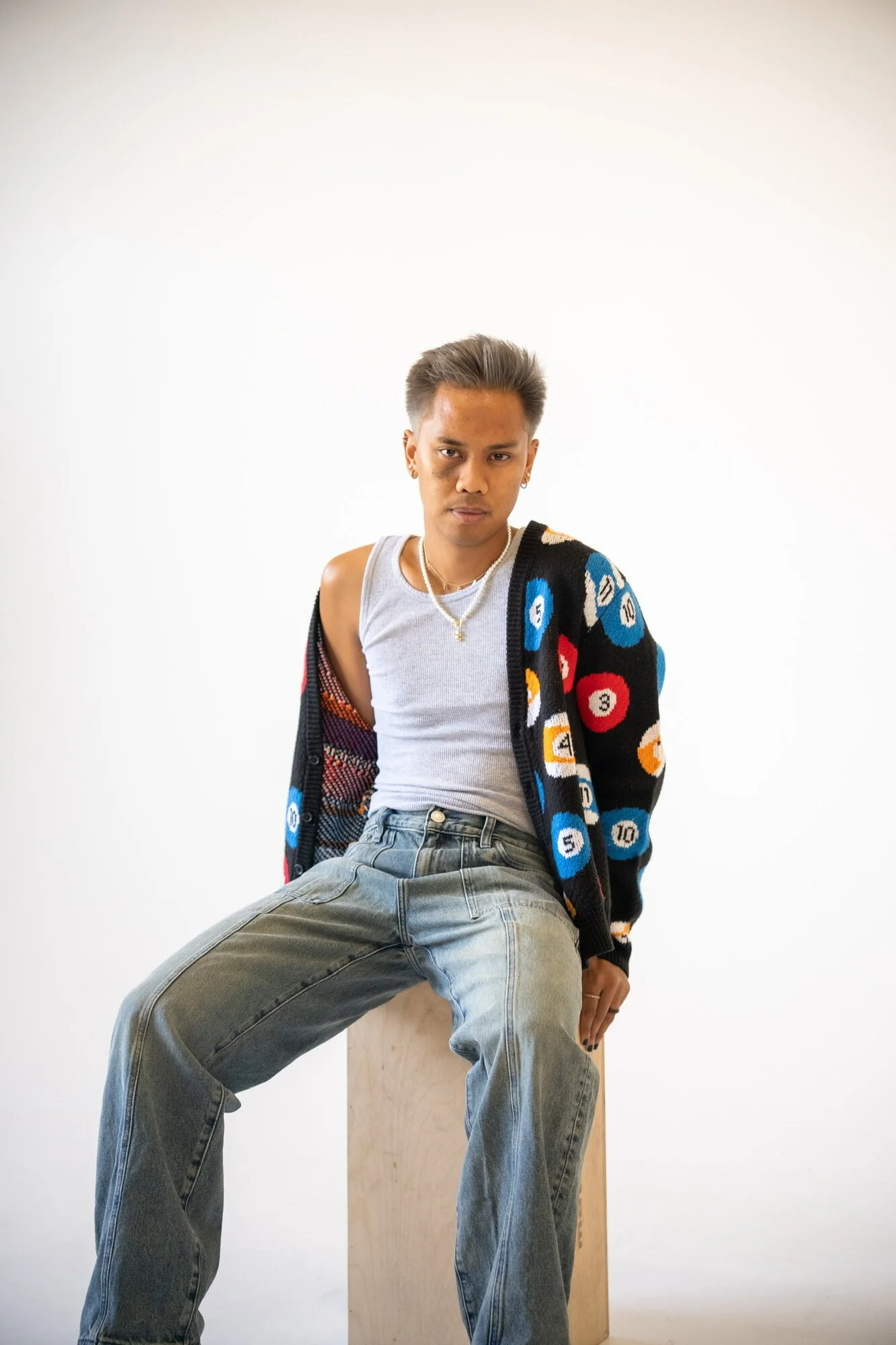
Photo provided by TREND PR.
Why do you think it's so important to be vulnerable while creating art?
To me, vulnerability is the entire point of making music. I think of it almost like a truth serum. Some of the things I write down in my lyrics are feelings I haven't even brought up to my therapist yet, but putting them into a song gives them a purpose. When you're willing to share your truth and be honest with yourself, even if it's messy or embarrassing, it gives yourself and listeners permission to feel less alone in their own struggles.
"The Boy 's Lullaby" came out September 4th, in honor of National Suicide Prevention Month, why do you think it's so important to speak up about it through music?
I am a firm believer that music has a unique way of reaching people when traditional words can’t. Releasing the song during Suicide Prevention Month was incredibly important to me because I wanted to create a reminder that no one has to carry their heaviest nights and feelings on their own. If a single song of mine can sit with someone in the dark at 2 a.m. and help them hold on until tomorrow, then speaking up through my art is worth everything.
Do you have any advice for anyone struggling with mental health?
My biggest piece of advice is something that my best friend used to tell me: you don't have to wait for a light at the end of the tunnel—you are the light. I would also encourage people to find what kind of self-care works for them. Managing mental health is not a one-size-fits-all approach, so it’s important to try out and find what a fit for you is. For me, I lean a lot on therapy, box breathing, exercise, especially running, and surrounding myself with people who make me feel safe and like my best self.
How can we bring humanitarian change through music?
I love this question. I think humanitarian change first starts with empathy, and I think music is one of those powerful tools we have as humans to be able to build connections across different communities. When an artist shares a vulnerable truth, it can help break down barriers and make listeners care about experiences outside of their own. I think by using our platforms to raise awareness, support youth, and highlight underrepresented voices, music can also become that bridge that inspires real action.
We love that you founded a youth organization straight out of high school called Student-Led Leadership (SLED Leadership) that connected Southern California High Schoolers to college mentors across the country and led this for four years and grew it to over 300 high school students. Can you tell us more about SLED? What inspired you to create this organization?
I started SLED Leadership right after high school because youth empowerment and leadership development hold such a special place in my heart. Having served as a student government president and an active attendee of leadership conferences throughout my upbringing, I wanted to create a bridge for high schoolers to receive guidance, leadership development, and real mentorship from college students nationwide. Watching it grow to over 300 students over four years proved just how much young people can accomplish when they’re given a supportive community.
You used to work with HOBY Leadership a lot. Can you tell us a bit about them and your work with them?
HOBY holds such a special place in my heart, and I am so grateful to still be good friends with so many people I met through it. For context, HOBY is an organization dedicated to empowering high school sophomores to make a difference in their communities through leadership and service. I am a proud HOBY LA alum myself and spent a few years volunteering with them. My time with HOBY really shaped my belief in relationship-based leadership and reinforced my passion for pouring back into the next generation.
You organized an AAPI Unplugged Event in May to highlight local AAPI artists in the area for AAPI Month, and also participated in a few AAPI/Filipino showcases: one for Bukas Society, one called $wagapino: the showcase in Woodland Hills, and will be performing at FPAC in September, which is the longest-running Filipino festival in the States. Tell us about the AAPI Unplugged Event. What inspired you to organize this event? Can you tell us a little bit about these other events?
I organized AAPI Unplugged because I wanted to build a dedicated, intimate space that celebrated local Asian American artists and brought our community together through live music. Performing at showcases like Bukas Society, $wagapino, and FPAC has also been so surreal because growing up, I didn't always see artists who looked like me on mainstream stages. It continues to be a goal of mine as well to advocate for and represent the AAPI and Filipinx communities well through my music. Being part of FPAC in particular, a festival with such a rich history, also feels like a full-circle moment for me as a Fil-Am creative.
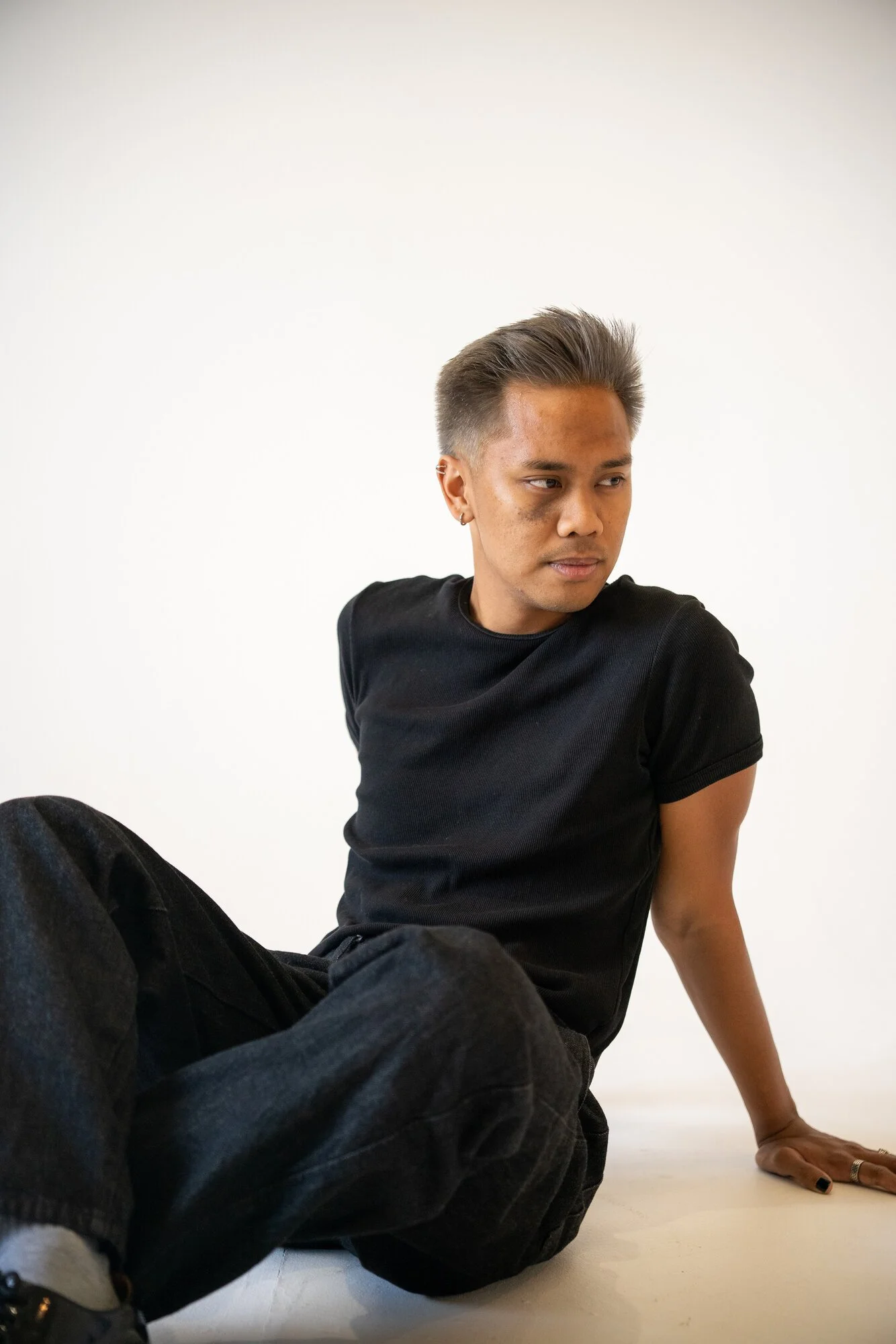
Photo provided by TREND PR.
You also volunteer as a postgraduate mentor for your university’s Filipino club. Why is being so active in the Filipino community so important to you?
My Filipino heritage is deeply woven into who I am, from my family's music-filled gatherings to the acoustic Fil-Am artists like AJ Rafael and Jeremy Passion who inspired me to pick up the ukulele. Giving back as a mentor allows me to support young Fil-Am students navigating their own growth and identity in college. Being active in the community is my way of honoring where I came from and helping pave the way for future Asian American storytellers.
Socially and politically, the past few years have been crazy. What do you do to stay positive?
I stay grounded by focusing on the small, meaningful things in everyday life like going for a morning run, grabbing a good coffee, and spending intentional time with family and friends. I also try to channel my energy into creative outlets and community work rather than absorbing all the noise.
What is your motto in life?
My motto comes straight from the starfish story: even if you can’t fix everything all at once, your efforts make a world of difference to the one life you do touch. I apply that mindset to my music, my community work, and how I treat the people around me every day.
To learn more about Teo Tala, please check out the links below:
Linktree: http://linktr.ee/teotalamusic
Instagram: @teotalamusic
TikTok: @teotalamusic
Spotify: Teo Tala
Apple Music: Teo Tala
YouTube: @teotalamusic


Sometimes we pay more attention to what others are saying about us than actually who we are, and we end up getting lost in their noise. However, some people eventually can connect with their true self like Toronto-based musician Holly Clausius, thanks to music. Her social change single ‘Big Plans’ placed second in the Cross Canada Artist For Social Change competition in February 2021. This song focuses on marginalized youth and individuals who have been outcasted in society. She dedicated the song to those who felt isolated and pressured not to be their authentic self. Also, she wanted to take the idea of a tour indoors, with opening acts from people's kitchens, bathrooms, and bedrooms, making it a virtual apartment-wide tour to raise funds for Black Lives Matter Toronto. We talked to Holly Clausius about her latest album, BLM, the queer music industry, and more. Check out our interview below to find out more about Holly Clausius.