
6 Tiny Health Swaps With Massive Payoffs
Alt: Fresh ingredients in a rustic kitchen setting
The six evidence-based wellness swaps worth making, including switching cooking oils, going fragrance-free, filtering your water, rethinking toothpaste, adjusting caffeine timing, and reducing ultra-processed foods, are buried under years of trend-driven content generated primarily by marketing departments.
If you have worked through several rounds of swap advice and found most of it oversold, that is not cynicism. That is pattern recognition.
This list functions as a rigorous filter for evaluating daily health habits. Each swap faces scrutiny against peer-reviewed research, dermatological consensus, or established nutritional science to determine what the evidence actually supports.
The question for every entry focuses entirely on what the clinical data shows rather than what marketing copy claims.
Some of these lifestyle adjustments boast strongly replicated evidence while others remain highly conditional. This gradient becomes explicit by the end so you can prioritize your efforts effectively.
1. What Hydroxyapatite Toothpaste Changes
Hydroxyapatite forms approximately 97 percent of human tooth enamel, making it the primary mineral compound protecting your teeth. Replenishing this exact natural substance provides a clear mechanistic advantage for maintaining structural integrity over time.
This foundational logic explains why the research base has expanded so rapidly since Japanese clinical studies in the 1980s first highlighted its effectiveness for cavity prevention.
Multiple clinical trials confirm that this formulation works comparably to traditional treatments for caries prevention. A recent analysis demonstrated non-inferiority by noting a caries increase in 72.7 percent of the hydroxyapatite group compared with 74.2 percent of the control group.
The protective pathways differ significantly since this alternative works by directly restoring the enamel structure rather than just inhibiting bacterial acid production.
This growing product category varies wildly in quality and active concentration across different brands. For household use, the fluoride-free hydroxyapatite toothpaste from Wellnesse provides a clean formulation backed by biological dentist advisory support.
It cleanly integrates micro hydroxyapatite with the enamel surface while completely removing the accidental ingestion concerns that conventional formulas carry for young children.
2. Why Afternoon Caffeine Timing Matters

Alt: Cozy living room with armchair and soft lighting
Caffeine processing timelines in most adults span approximately five to seven hours after the initial cup. A mid-afternoon brew leaves roughly half its compound biologically active by bedtime, which automatically reduces your total sleep potential.
Polysomnography results routinely show that late stimulant consumption degrades slow-wave sleep even when subjects self-report no trouble falling asleep immediately.
Physical sleep latency and actual cognitive recuperation measure entirely different restorative states. Accumulating a slow-wave sleep deficit often manifests as reduced mood regulation rather than a classic inability to fall asleep at night.
Shifting your intake timing protects this critical biological architecture without requiring you to eliminate the habit altogether.
The comforting warmth and physical preparation sequence of an afternoon cup often hold more motivational weight than the energy spike.
Transitioning to an alternative like the chemical-free decaf coffee from Bones Coffee Company preserves this sensory ritual while shielding your sleep cycle.
A standard decaffeinated serving contains around two to 15 milligrams of caffeine compared to 95 milligrams in a standard roast, making the adjustment highly effective for long-term health.
Key Insight: Caffeine's half-life of 5-7 hours means a 3pm coffee still has roughly half its caffeine active at 9pm, but the hidden cost is reduced slow-wave sleep even if you fall asleep easily.
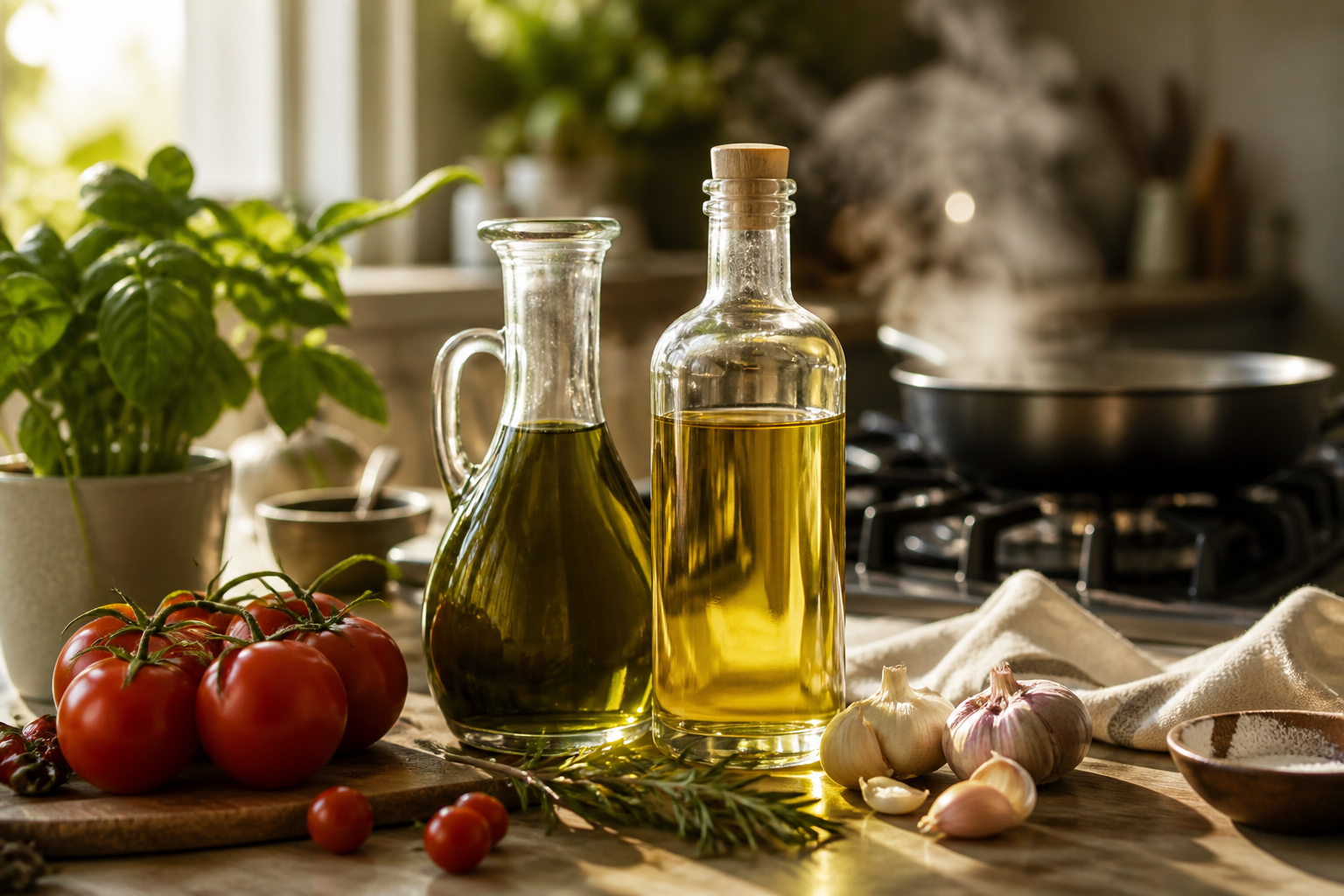
3. How Cooking Oils Impact Your Health
Moving away from refined vegetable oils supports better metabolic responses during low-to-medium heat cooking applications. Avocado oil handles high-heat searing securely because its smoke point reaches up to 500 degrees Fahrenheit without denaturing.
Longitudinal research tracking broad dietary patterns confirms that increased ingestion of quality fats correlates closely with long-term cardiovascular stability.
Participants in the highest consumption bracket for olive oil experienced a 39 percent risk reduction compared to the reference group.
Utilizing these cooking aids preserves oleocanthal and oleuropein polyphenols that survive standard stovetop preparation techniques.
Pricing differences present a genuine barrier when switching from low-cost commodity oils to premium cold-pressed alternatives. Buying smaller volumes helps manage chemical oxidation after breaking the seal, thereby protecting your investment.
Storing both varieties away from direct stovetop heat in opaque containers safeguards their beneficial profiles so you capture maximum nutritional value before degradation begins.
4. Why Fragrance-Free Products Protect Skin
Alt: Modern bathroom with aloe plant and towels
Artificial fragrance consistently ranks as the leading trigger for contact allergic dermatitis across modern dermatology literature. This cumulative issue impacts all standard skin types rather than restricting itself to patients with previously diagnosed conditions.
Repeated application of common scented compounds gradually sensitizes healthy cell barriers until contact allergies develop unexpectedly.
Consumers frequently confuse marketed unscented items with completely fragrance-free formulations. Unscented lotions often rely heavily on masking chemicals to neutralize raw ingredient odors, thereby exposing you to the exact same damaging agents.
Genuine fragrance-free cosmetics omit these additional masking compounds entirely to keep the dermal barrier intact.
Regulatory authorities acknowledge that botanical derivatives also pose measurable topical risks. Essential oils containing linalool and limonene frequently trigger strong reactions in standardized patch testing clinics worldwide.
Prioritizing the removal of all perfumes from leave-on moisturizers and sunscreens delivers an immediate reduction in problematic chemical exposure.
Warning/Important: ‘Unscented’ often means masking fragrances, not fragrance-free. True fragrance-free products have no added fragrance at all, reducing cumulative sensitisation risk over time.
5. Where Filtered Water Makes a Difference
Household purification platforms act as highly conditional interventions specific to neighborhoods where local testing documents excessive contaminant loads.
Municipal water quality fluctuates wildly based on regional geography, natural aquifers, and the physical degradation of local transit pipes.
Reviewing records from the Environmental Working Group acts as a necessary diagnostic step before purchasing any equipment.
Lead leaching from aging subterranean infrastructure represents an ongoing public health concern spanning thousands of utilities nationwide. Heavily treated grid systems also generate chlorine disinfection residues that require monitoring for localized health impacts.
Mitigating these microscopic risks relies solely on knowing exactly what chemicals flow into your specific sink.
Activated carbon cartridges selectively capture volatile organic compounds, while reverse osmosis systems successfully handle heavy dissolved solids like nitrites.
Failing to schedule routine cartridge replacements transforms expensive hardware into bacterial reservoirs that actively degrade your daily drinking supply.
6. How to Reduce Ultra-Processed Foods
Alt: Colorful fresh produce next to packaged snacks
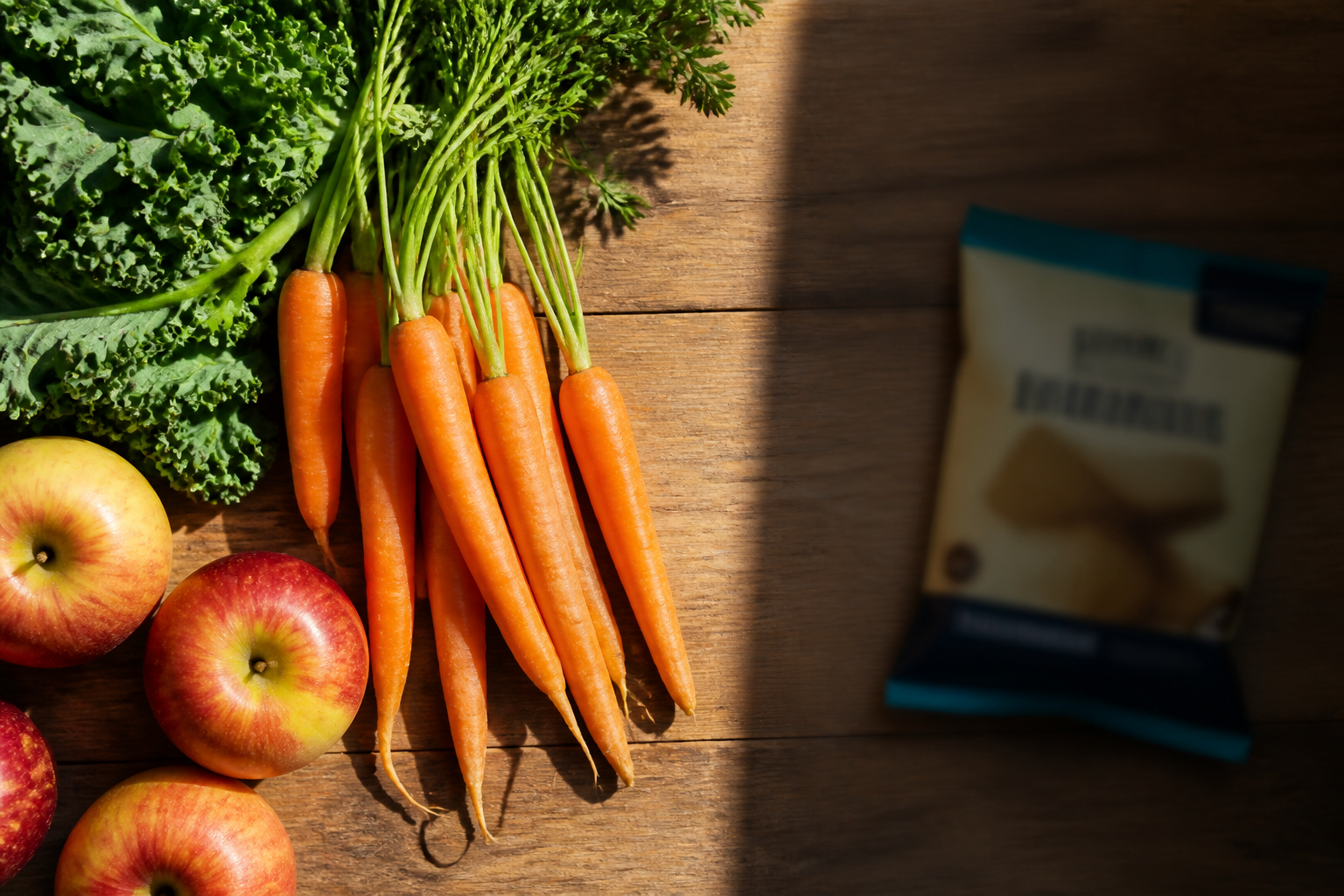
Curtailing the intake of highly engineered snacks succeeds rapidly when approached sequentially over several months.
The universally recognized NOVA classification framework defines these consumables as items heavily formulated from extracted industrial ingredients and synthesized additives.
Medical researchers recently confirmed that patients eating engineered diets consumed 500 calories more daily than their baseline control group.
Technically, mass-produced whole-grain loaves and artificially colored candies both inhabit this broad dietary category despite harboring vastly different nutritional profiles.
Cleaner alternatives commonly carry higher price tags and remain tough to track down in specific geographic food deserts. Demanding sweeping dietary perfection immediately usually initiates rapid burnout and subsequent cycles of compensatory overeating.
Targeting the single processed category you consume most frequently sets up a deeply sustainable dietary strategy. Locating just one accessible substitute for prepackaged chips or flavored sodas builds foundational momentum for broader nutritional shifts.
Pro Tip: Replace one UPF category at a time packaged snacks before flavoured drinks before ready meals. Sequential adoption improves adherence far more than eliminating everything at once.
The Final Verdict
Evaluating the explicit evidence behind wellness adjustments protects your finances and valuable daily energy. Replacing generic personal care items or adjusting cooking fats provides a documented pathway toward better longevity.
Switching your evening routine to include a targeted mineral enamel treatment or transitioning to a ritual-preserving decaffeinated brew introduces concrete improvements directly supported by clinical trials. These distinct strategies prioritize structural ingredient replacements rather than chasing vague holistic promises.
Enduring improvements take root when you integrate targeted adjustments smoothly into existing family schedules. Pinpoint the specific technique that cleanly matches your current household demands before implementing the next tier of changes.


On August 25, just last week, the world came to a standstill when the news dropped that icon of music history Dolly Parton passed away at the age of 80. I was lucky enough to have visited Dollywood with my family in 2016 when I was about 11, and Parton has always had a strong significance in my life because of this.