
How to Buy Abstract Art From Emerging Artists Without Overspending
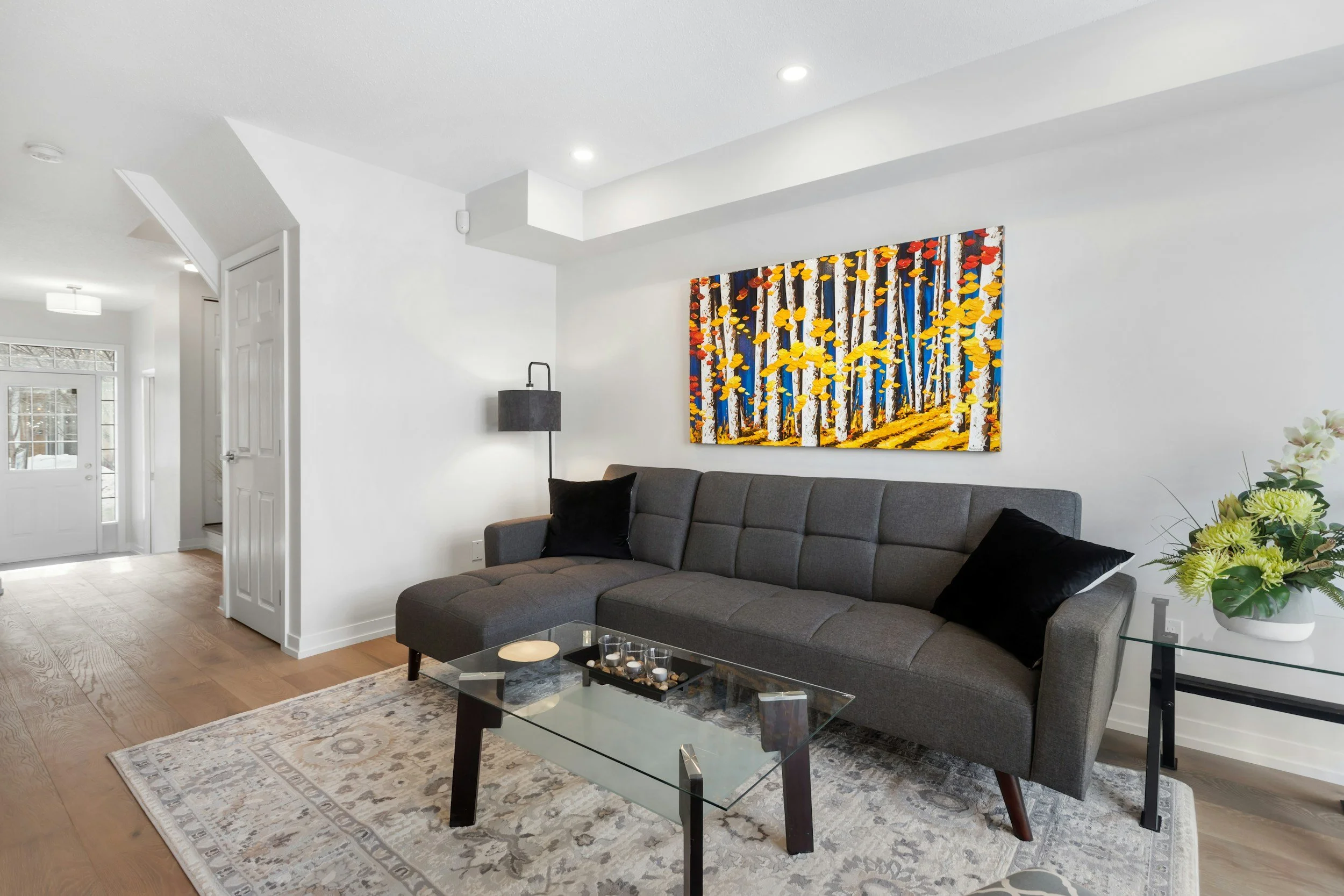
Most of us furnish a home with whatever’s cheapest and easiest. Then we look at the bare wall above the sofa and realize we’ve never actually chosen anything. Original art feels like a luxury for other people, but it doesn’t have to be. Emerging artists sell real paintings directly to buyers, and an abstract piece is a forgiving place to start.
The catch is knowing what you’re buying. Some sellers pass off prints as paintings. Others bury the shipping fees. Here’s a plain way to sort it out.
Start With a Wall, a Budget and One Color
Say you’ve just moved into a rental with white walls and a tired gray sofa. You don’t need a collection; you need one piece that makes the room feel like yours. Searching for an abstract painting for sale from a studio that makes work by hand is a reasonable first step. Look for original paintings made with oil or acrylic on canvas rather than printed reproductions. Emerging artists often offer a range of styles and sizes, making it easier to find something that suits your space and budget.
Before you click anything, measure the wall and pick one color from the room to echo. A rust-orange accent in a blue-gray space works. A canvas in six competing colors rarely does. Set your ceiling price first, then include framing and shipping in it, since those can add a surprising amount.
It also helps to live with a candidate for a few days. Save two or three photos to your phone, print a small version of each, and see which one you still like by Friday. Impulse is the enemy of a good wall. The painting that survives a week of ordinary life is the one you won’t regret.
Know What Abstract Actually Means
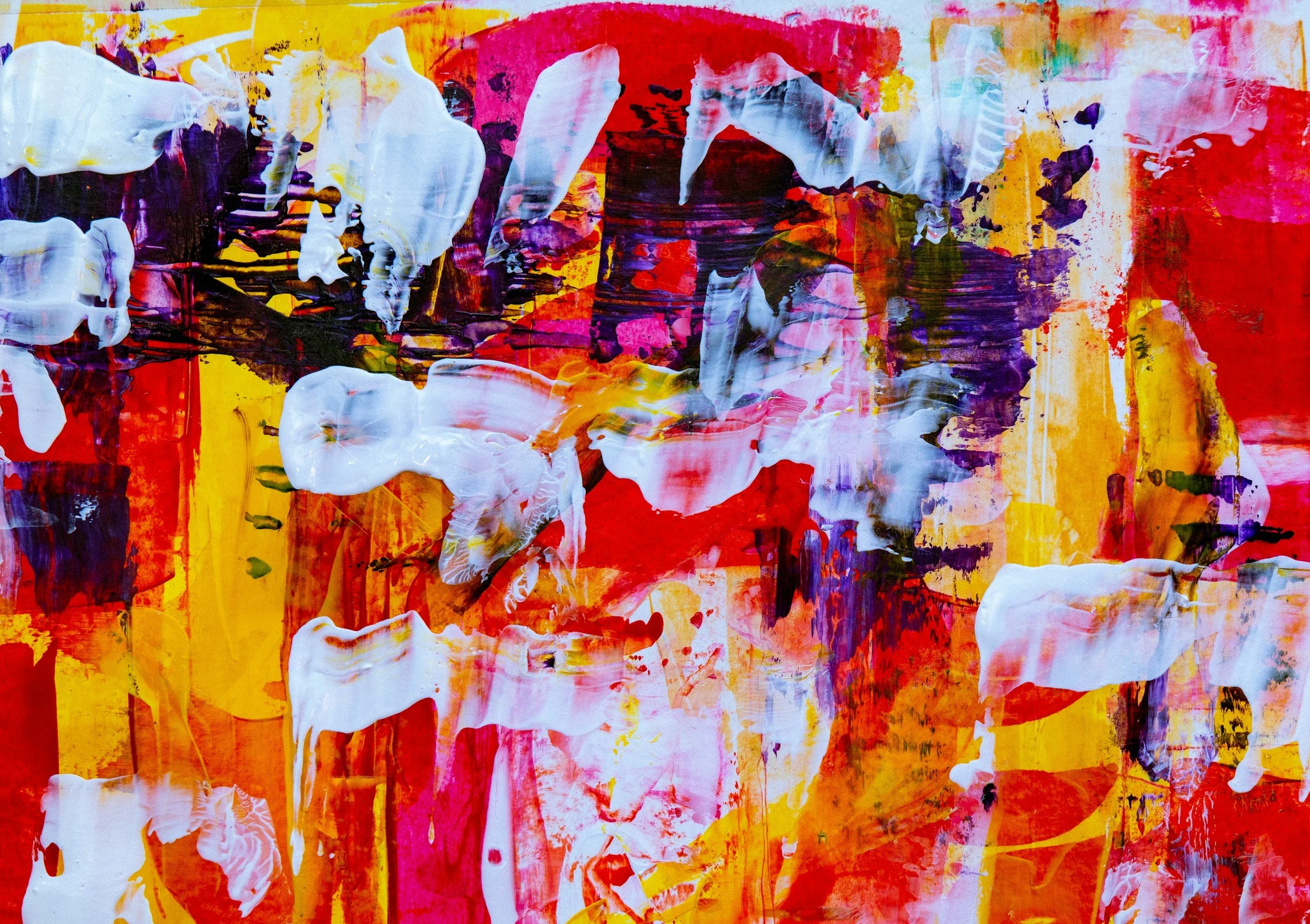
People often assume abstract art means “anything goes.” It doesn’t. Tate defines abstract art as work that doesn’t depict visual reality and instead uses shapes, colours, forms and gestural marks to get its effect. Pioneers like Kazimir Malevich and Piet Mondrian were working this way from about 1910 to 1920.
That history helps when you shop. Look for deliberate choices: a clear sense of composition, texture you can see in a photo, and a palette that feels controlled. If you can’t tell what the painter intended, ask. Good artists and good sellers are happy to explain.
Check How It’s Made and How It Ships
Before you pay, find out three things. Is the piece painted by hand? Is it painted after you order, and how long does that take? And what does a return actually cost? A made-to-order painting can take weeks, especially when the artist needs time for the paint to dry before shipping. Check the estimated production and delivery times, along with the seller’s return policy. A clear timeline and written terms can save you from unexpected delays or extra costs.
Local is worth considering too. As we noted in our New York City dos and don’ts guide, smaller labels and local artist markets often turn up more sustainable, affordable choices than big names. A weekend art market lets you meet the painter, see the brushwork in person and avoid the carbon emissions associated with shipping.
Questions Worth Asking the Seller
A short message tells you a lot. Ask who painted the piece and where, whether the canvas is stretched on a wooden frame, and what the paint is. Ask for a photo of the side edge, because prints often give themselves away there. And ask whether you can see a preview before it ships. Some studios send one as standard, and a seller who dodges the question has told you what you need to know.
Price should make sense too. Genuine hand-painted work on a large canvas rarely costs the same as a poster, so a price that looks too good deserves a second look. Equally, a high price doesn’t prove quality. Compare three sellers on size, materials and terms rather than chasing the cheapest number.
Hang It Where It’ll Last
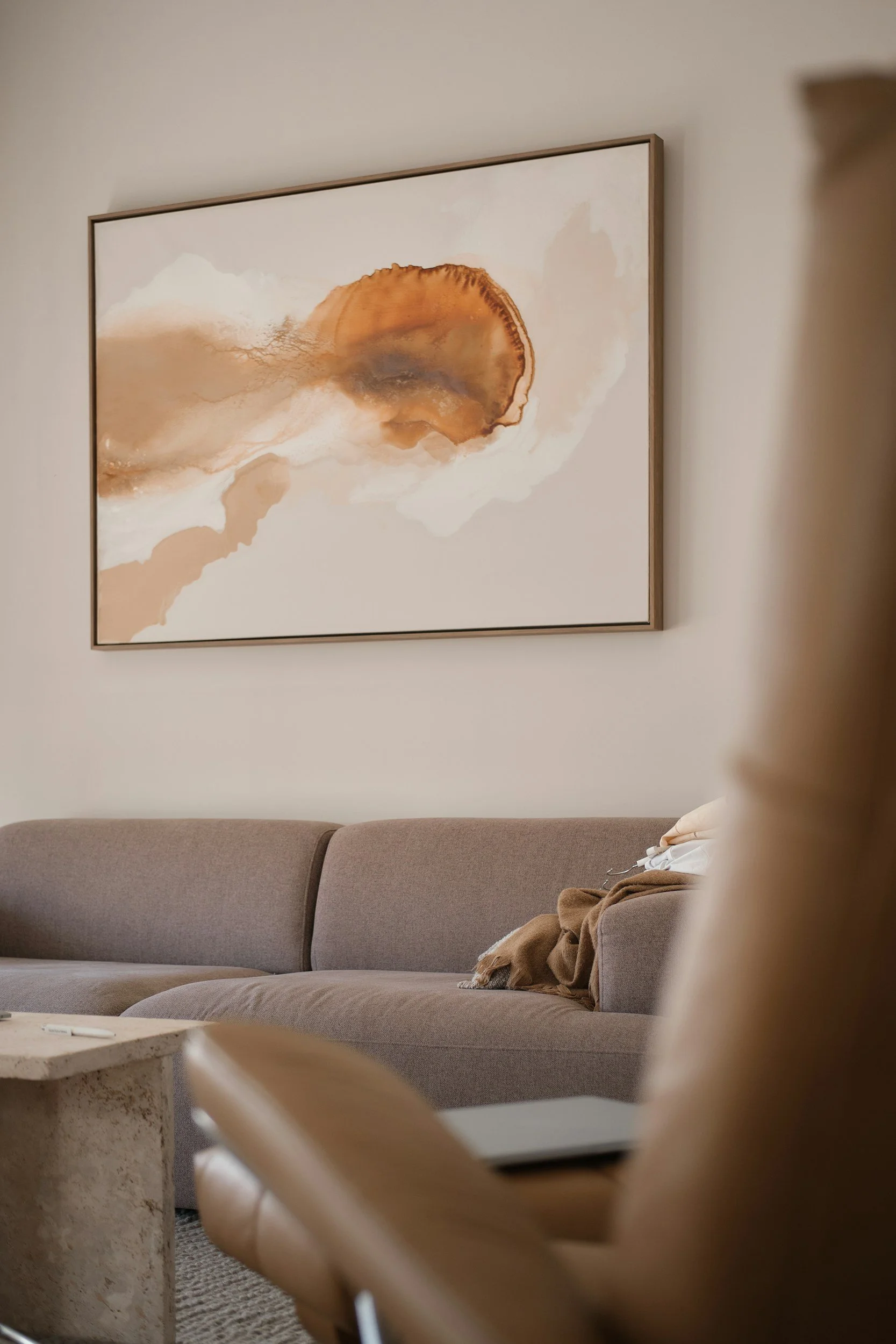
A painting you love can still be ruined by a bad spot. The Canadian Conservation Institute says to keep direct sunlight off paintings at any point in the day, and to aim for steady humidity between roughly 40% and 60%. Rapid changes near doors, windows and vents do the most harm.
In practice that means an interior wall, away from the radiator and out of the bathroom. Use two hooks on a larger canvas so the weight spreads evenly, and dust it lightly with a soft dry brush every few months. Don’t spray anything on it.
Buy Once, Buy Mindfully
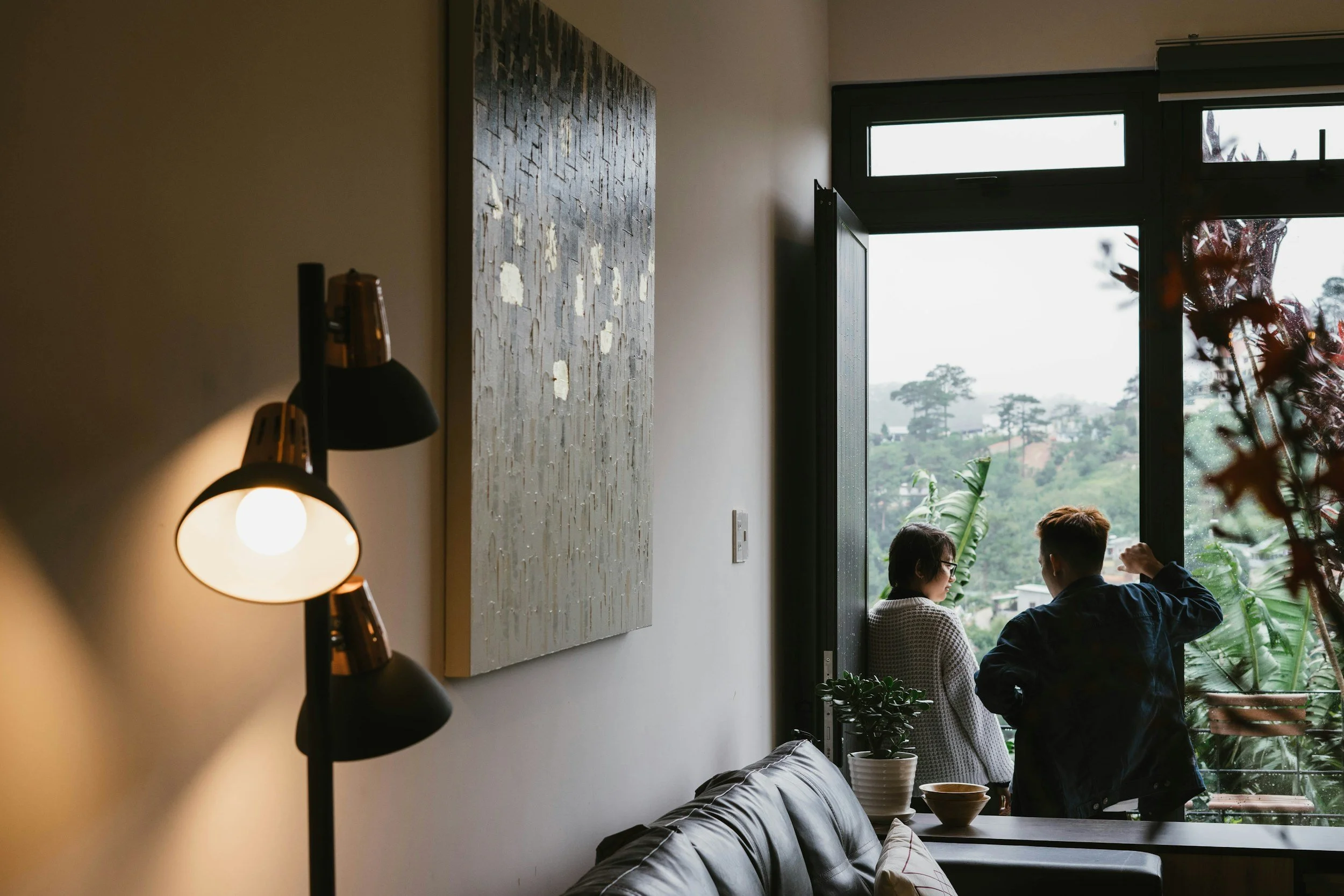
Fast decor is a waste problem. We covered it in autumn sustainability, where mindful decor choices meant skipping the seasonal shopping spree and choosing things that decompose or last. A good painting fits that thinking better than almost anything else on a shelf: you buy it once, you keep it for decades, and it doesn’t go out of style next season.
Think about what the painting replaces. A canvas you keep for years takes the place of several cheaper pieces that would otherwise get swapped out every season.
The wider market is steady, which should reassure first-time buyers. The Art Basel and UBS Art Market Report 2026 estimates that global art sales rose 4% to roughly USD 59.6 billion in 2025. Demand for working artists isn’t going away.
So pick the wall, set the budget, ask the awkward questions about shipping and returns, and trust the first color that makes you stop. If it still feels right two weeks later, you’ve found your painting. And if the first one turns out to be the start of a habit, that’s fine; a second canvas on the opposite wall tends to follow.

G’Ra Asim finds creative outlets for self-expression in everything he does. Teaching, writing, reading, making music and more are all pursuits he has delved into as a means of connecting with others through their share in their beliefs and passions. He has worked closely with multiple bands, sets of students and political organizations like the New York Immigrant Coalition, Say Her Name, and the African American Policy Forum to stand up for and support the rights of all people of color across the country.