G'Ra Asim Won't Be Tied Down to Just One Form Of Self-Expression
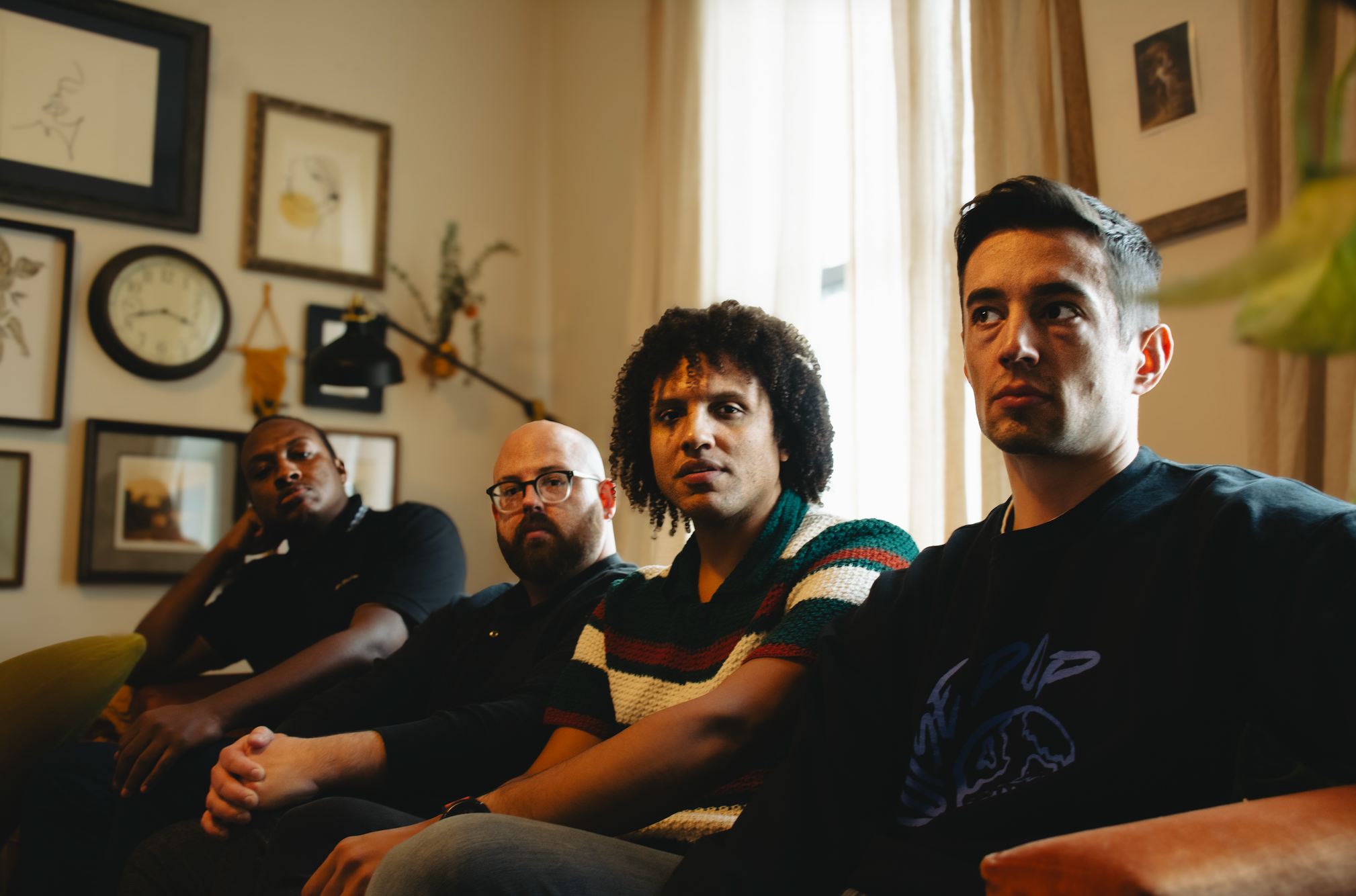
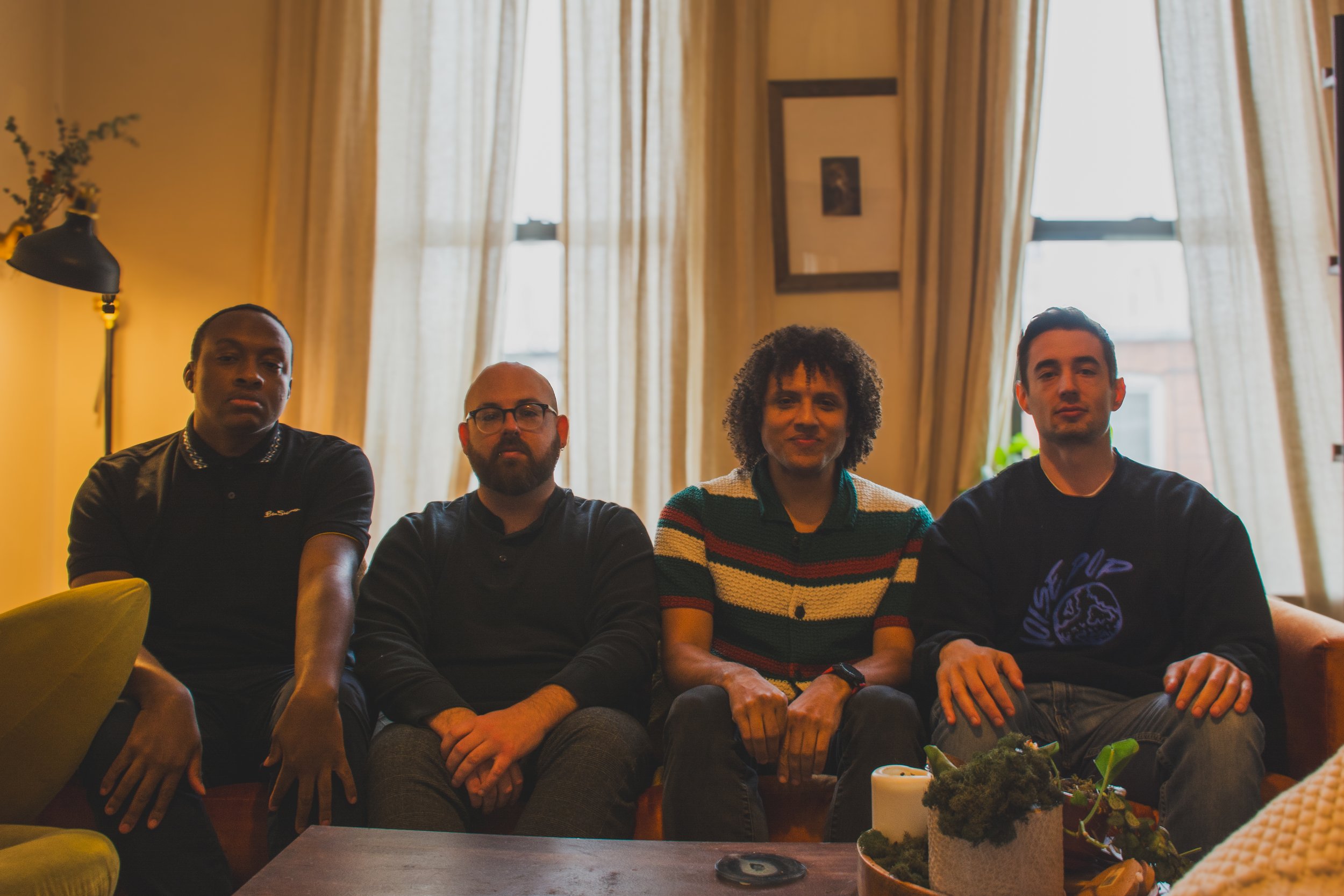
G’Ra Asim finds creative outlets for self-expression in everything he does. Teaching, writing, reading, making music and more are all pursuits he has delved into as a means of connecting with others through their share in their beliefs and passions. He has worked closely with multiple bands, sets of students and political organizations like the New York Immigrant Coalition, Say Her Name, and the African American Policy Forum to stand up for and support the rights of all people of color across the country.
Where are you from?
I’m from St. Louis, Missouri, in the sense that I was born here. From age nine into adulthood, I spent a lot of my life in the northeast. First the DC metropolitan area, then Boston and most recently, in New York City. I moved back to teach creative writing at Washington University in St. Louis five years ago.
How has your hometown influenced yourself and your art?
St. Louis is a city with a cultural life that punches above its weight. There are dazzling literary, music and theater scenes here, and it’s easy to find like minds and inspiration.
What inspired you to get into music in addition to teaching English and writing?
I experience music and literature as mutually reinforcing pursuits. When I run into an obstacle in my prose writing process, picking up the guitar and working on a song can often help me to surmount the problem I was having in prose and vice versa. It’s always felt intuitive to me to write songs and write essays. They are both ways of creating things to live in that feel more hospitable than the world at large.
How do you bring all of your passions together in the work you produce?
Susan Sontag once defined a writer as “a person who’s interested in everything,” and in my case at least, she nailed it. I feel the most engaged with life when I’m learning something or making something. Teaching, writing and rocking offer endless opportunities to satisfy that criteria.
What does being a teacher mean to you?
There’s no better way to deepen your own understanding of your craft than to instruct others on the subject. I see teaching as a way to contribute to the future, to nurture, inspire and enlighten my successors. More often than not, they return the favor without even trying.
Who are some of your biggest inspirations for your sound and storytelling?
On the page, I’m influenced by writers and thinkers like bell hooks, Jelani Cobb, Margo Jefferson, Ralph Ellison and Ntozake Shange. On the stage, I draw a lot from bands like MxPx, Operation Ivy and Jawbreaker. Bands from New York’s present day DIY scene like the 1865, Early Riser, Career Day, Warn the Duke and Shrug Dealer are totally energizing to watch, gig with and learn from as well.
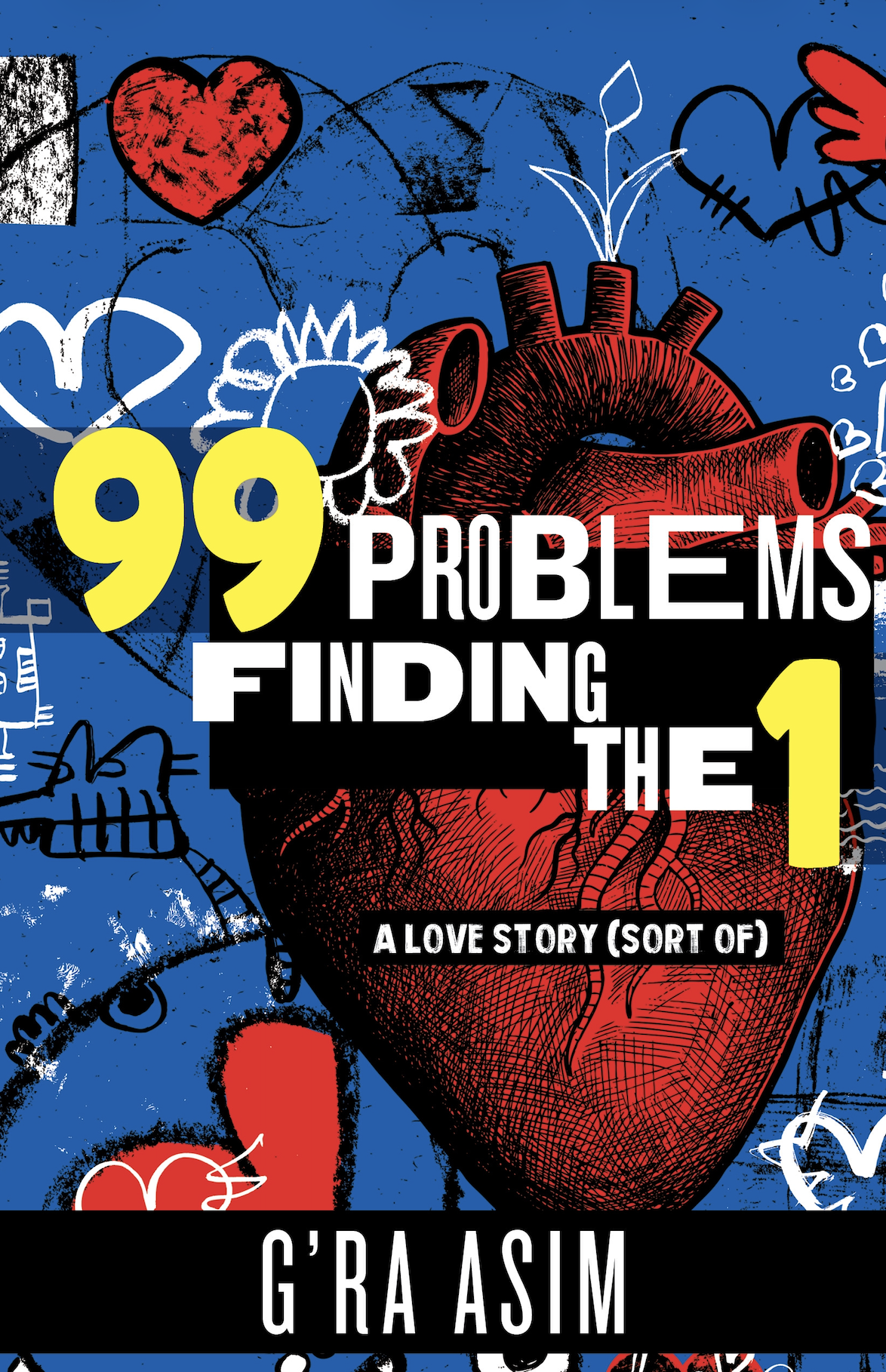
On August 4, you will be releasing both a book, “99 Problems Finding the 1: A Love Story (Sort Of),” and a companion debut EP from your newly formed band Uppity called “Code Ditching.” What made you want to take on such an ambitious project?
Whenever my capacity to take a romantic view of life and its possibilities has flagged, rock music has lifted me up. As I completed early drafts of “99 Problems Finding the 1,” I recalled that literary writers often prepare playlists to accompany their books.
I thought I could take the trend one step forward by composing and recording an original playlist myself. I wrote the album and the book in tandem to explore themes like alienation, love, loathing and ambivalence in separate but complementary mediums, and I look forward to offering this multimodal experience for rockers and readers everywhere.
How do the book and the EP go hand in hand? What do you want people’s biggest takeaway from both projects to be?
One of my main findings in “99 Problems Finding the 1” is that like politics, social behavior has an Overton window — a range of ideas that are seen as acceptable and normal. The fear of being cringe, corny or overly sentimental shapes our social Overton window, and we live in a more emotionally sterile culture as a result. Both the book and the band are meant to push back on this idea. Uppity and “99 Problems Finding the 1” are both intended to nudge the Overton window in such a direction that might accommodate more sincerity and deter cynicism.
That’s why Uppity’s debut EP is called “Code Ditching,” a phrase that describes gleefully abandoning the posture of terminal cool. It’s about not letting an arbitrary standard of behavior prevent you from living with the verve and intrepidity you may need to get free. To usher in the world that could be, you have to risk some positive maladjustment with the world that is. You have to ditch some of the prevailing codes of expression to model new ones.
Uppity’s first single and companion music video off of “Code Ditching” titled “Catch 22” were released on June 19. How does it feel to have them live?
We’ve been so thrilled by the positive response to our debut track. Hopefully it whets appetites for the book and the EP alike.
Why such a big gap between the first single and the rest of the EP and the book? What do you plan on doing in between?
Since the band was formed in connection with the book, we’re starting from scratch in terms of name recognition. Some Baby Got Back Talk fans have been following Uppity from the jump, and I expect that more will hop on the bandwagon as Uppity picks up steam. For the most part, however, Uppity is an entirely new project building a base of support from the ground up. We peeled one single off of the EP to introduce ourselves to the internet and build anticipation.
Will you continue to work with your old band Baby Got Back Talk, and why did you feel the need to form an entirely new band for this particular project?
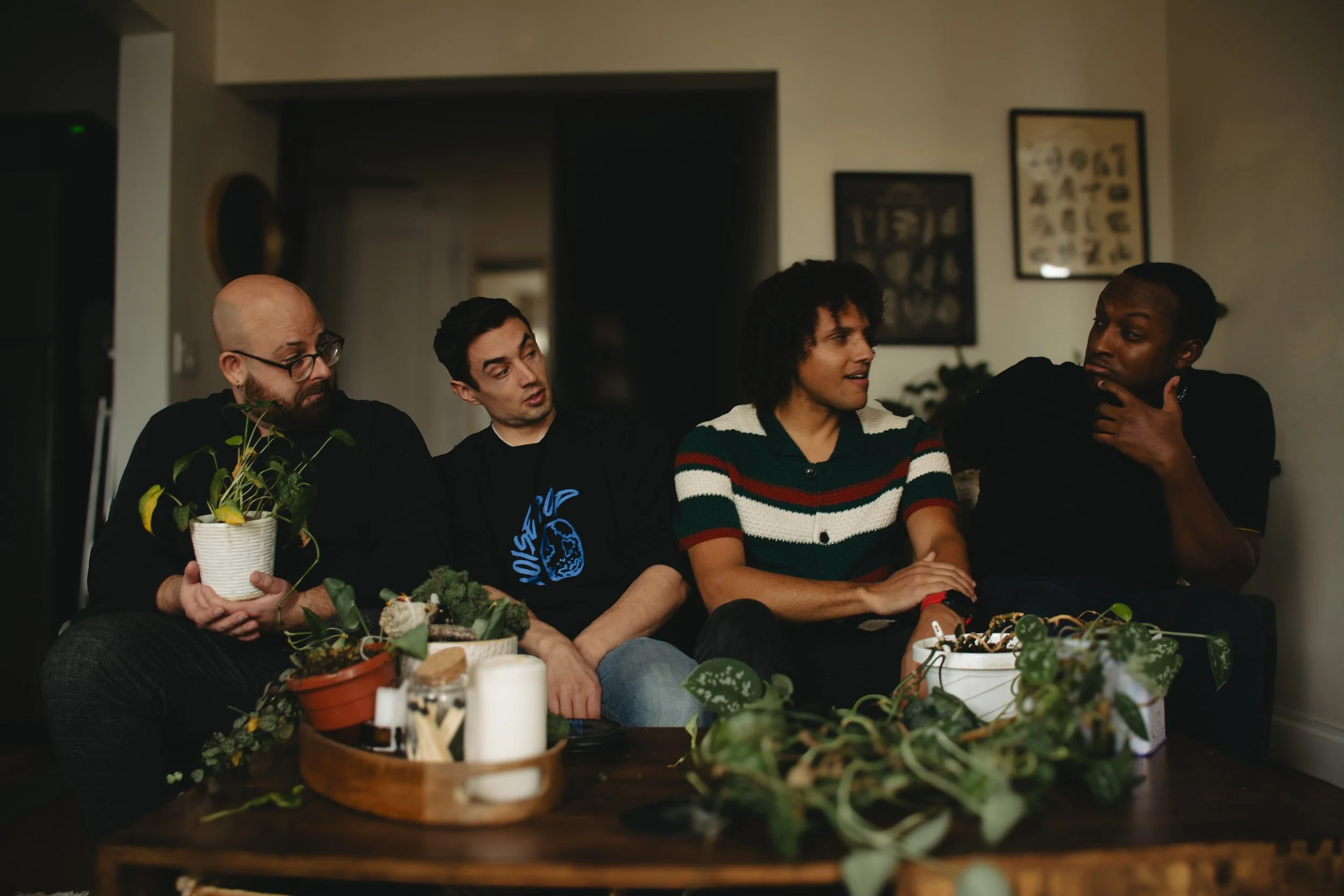
Baby Got Back Talk remains fully operational. The two bands will coexist. I formed Uppity partially because I kept hearing about the so-called male loneliness epidemic, and I thought starting a boy band would make an effective antidote on two levels: it’s a source of camaraderie and catharsis. We sing back up for each other and back each other up through life’s travails.
The band is also an extension of the social commentary on gender and sexuality that unspools in 99. Uppity takes inspiration from Bikini Kill, the feminist rock band who spearheaded the riot grrrl movement, a network of punk rockers challenging misogyny through music, zines and workshops in the 1990s Pacific north-west scene. Where Bikini Kill’s raw, aggressive, discordant tunes subvert gender expectations imposed on women, Uppity’s sincere and introspective jams refute the self-defeating emotional vacuousness that patriarchy demands from men.
What advice do you have for young Black people who feel the societal pressure to code switch?
As I argue in 99, I see binary thinking as generally misguided. Code blurring or smearing or queering seems to me a much more vibrant, authentic, way to inhabit the world. I encourage anyone who feels pressure to present themselves as one thing at a time to embrace (rather than constrain) their versatility and complexity.
Baby Got Back Talk has raised money for the New York Immigration Coalition. Why is this a cause that is important to you? How would you like us to better support immigrants in our current political climate?
The New York City DIY punk scene is stacked with principled, savvy bands, and it’s been heartening to link up with them to stand against the militant nationalism that pervades the Trump era. Supporting immigrant and refugee rights organizations like New York Immigration Coalition is a pivotal way to back the vulnerable groups that make America great, and without which the Apple couldn’t be the world class city that it is.
You performed for the Say Her Name Movement, what inspired this?
The Say Her Name Movement calls attention to police violence against Black women, girls and femmes and demands that their stories are included in calls for justice and media representations of police brutality. I wanted to highlight the Say Her Name campaign in the music video for Baby Got Back Talk’s original song, “When They Go Low, We Go Six Feet Under,” so we collaborated with the African American Policy Forum and music video director Julia Sharpe-Levine to make it happen. BGBT was fortunate to be invited to perform at a five-year anniversary celebration of the movement’s inception, and we remain advocates for Say Her Name going forward.
You served as a Writing Director and performed for the African American Policy Forum. Can you tell us a bit about the African American Policy Forum and your work with them?
AAPF is a feminist anti-racist think tank housed at Columbia University Law School. Working there provided me with the chance to sharpen my skills as a writer and thinker and fortify my abiding punk rock conviction that we absolutely can save the world.
How would you like to see our society continue to fight inequality, especially these days?
I’m optimistic that we can recognize our interdependence and strengthen the social fabric. A renewed awareness that we all have a stake in each other’s welfare would be a major step.
It has been a crazy last few years, and we expect at least three more. How do you stay positive in general about the unknown and motivated as an artist?
Working with young people helps. Their curiosity, hope and humor always adds some fuel to my tank as an artist and a citizen.
What can we expect next from you short term in your career?
I’m looking forward to what me and my bandmates call Rock ‘n’ Reads: events where I read from the new book and Uppity performs songs from the companion album in one evening. The first one is going down September 16 at the High Low in St. Louis, Missouri, and then we’d like to take that show on the road. Uppity wants to come to your school, work, bookstore or performance space. Invite us so we can hang out.
What is your motto in life?
Energy, irreverence and imagination.
To learn more about G’Ra Asim, please check out the links below:
Website: graasim.com
Instagram: @babygotbacktalk
Instagram: @uppityband
Photography Credit: Sam Donndelinger

Anyone looking for an actor to completely obsess over? Well ding ding ding, Tahj Mowry is your guy! Yes, you heard that right, the Tahj Mowry. Based in Los Angeles, this triple threat prodigy is nothing short of an icon. You may know him as the adorable kid from Seventeen again or TJ Henderson from Smartguy. Well not anymore. Tahj is all grown up and bringing bigger and better projects to the acting industry. One of Tahj’s recent flicks, “Welcome Matt”, further enforces this idea. “Welcome Matt” is a movie that represents how all of us have been feeling during the pandemic. He brings the important message of anxiety and mental health to the big screen and serves it with stomach crunching comedy suitable for the perfect movie night. Popcorn is a must!
Besides being a well-rounded actor making waves in the comedy and drama scene, Tahj also spends his time heavily invested in charitable organizations. You can find him sponsoring a child in the Dominican Republic through “Project Mañana”, by supplying necessities and education to those in need. Tahj often forgets he is refereed to as an influential seasoned actor, but we can’t see why. Jejune is excited to speak with Tahj about his upcoming projects, all of his awesome ways of giving back to those less fortunate, and his continued approach to exuding black excellence. Sit down, take a load off, and enjoy this powerful cover feature with Tahj Mowry.