
How to create a cosy bedroom that improves sleep quality
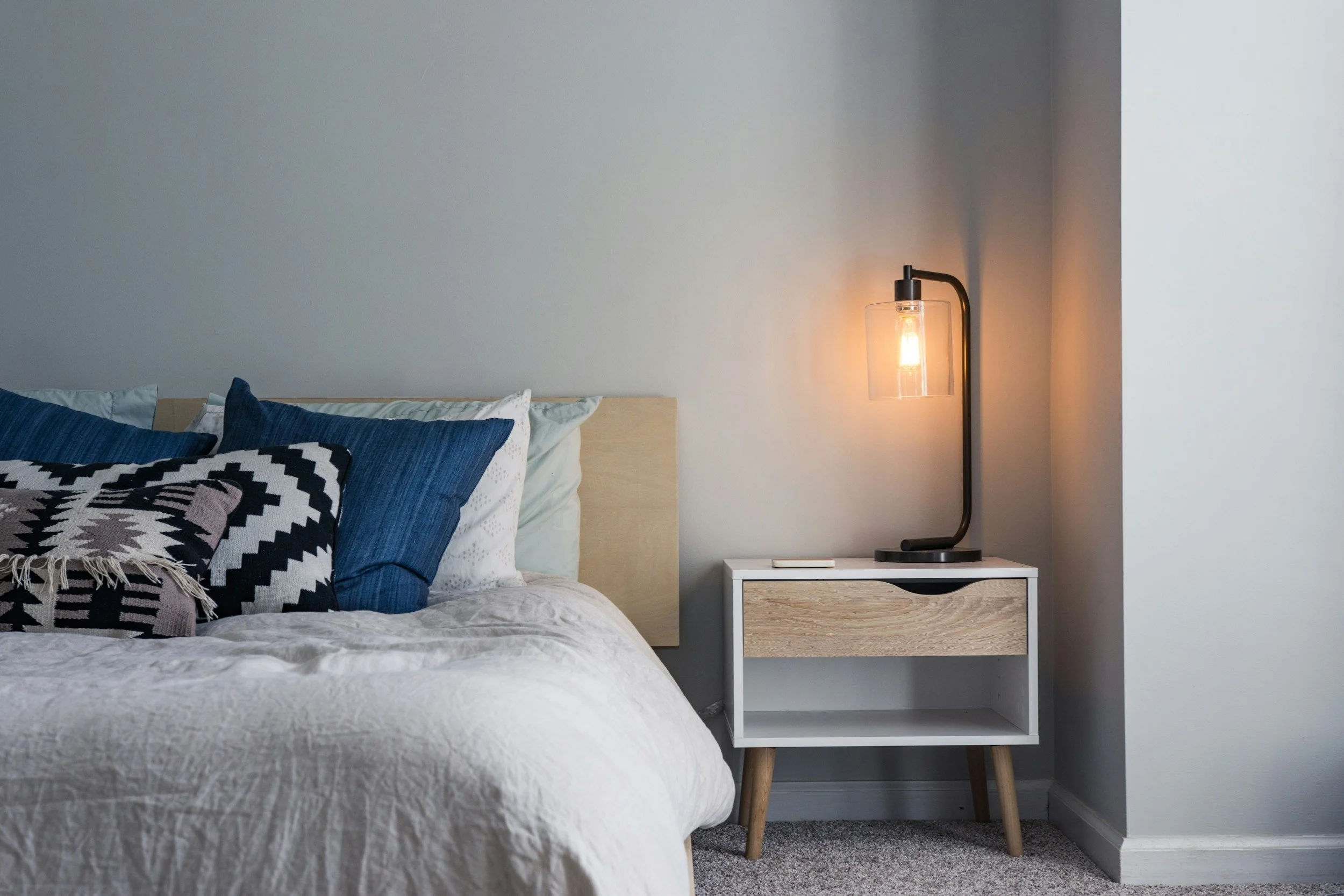
A cosy bedroom is about more than soft furnishings and tasteful décor. The environment you sleep in has a direct bearing on how well you sleep, and growing awareness of this link has made sleep-focused home design one of the most talked-about wellness trends in the UK. From light levels and temperature to clutter and screen habits, the small details of a bedroom's design can either support deep, restorative rest or quietly undermine it night after night.
Use Lighting and Colour to Create a Calming Atmosphere
The brain begins preparing for sleep long before you get into bed, and the visual environment of your bedroom is important in that process. Warm, low-level lighting in the evening, from bedside lamps rather than overhead bulbs, signals to the body that it is time to wind down. Colour choices matter too: muted tones such as warm neutrals, sage green, and soft blue create a sense of visual calm that brighter, more stimulating palettes work against. Blackout curtains or heavily lined curtains that block outside light, muffle street noise and add a sense of enclosure are among the most practical investments for a sleep-ready bedroom, particularly in urban areas where light pollution can remain significant well into the night. The cocooning effect of heavier window dressings also contributes to a sense of separation from the outside world, which itself supports the mental shift into rest mode.
Choose Bedding and Textures That Improve Comfort
Temperature regulation is one of the most commonly cited factors in sleep disruption, and the quality of your bedding plays a direct role in how well your body manages heat through the night. According to a sleep survey of 2,000 adults, only 5% of UK adults wake up feeling refreshed, which is a striking figure that reflects just how many people are failing to get genuinely restorative sleep. Breathable natural materials, like cotton, linen, and wool, help manage body temperature more effectively than synthetic alternatives by allowing air to circulate and moisture to escape. Layering lighter bedding instead of relying on a single heavy duvet gives you more flexibility to adjust through the night without fully waking, which is particularly useful for those who tend to overheat in the early hours.
Improve Air Quality and Bedroom Temperature
Sleep specialists recommend keeping the bedroom cool, with most guidance pointing to a room temperature somewhere between 16°C and 18°C as optimal for adults. Besides temperature, air quality is also important: dust, stale air, and low ventilation can all disrupt sleep and affect breathing through the night. Opening a window before bed, using an air purifier, and keeping soft furnishings clean and dust-free are straightforward ways to improve the sleeping environment without significant expense.
Reduce Clutter and Create a Screen-Free Sleep Space
A cluttered or visually busy bedroom keeps the brain in a state of low-level alertness that makes it harder to switch off. The same applies to screens, as a manifesto found that nine in ten people in the UK are experiencing sleep problems, with overstimulation and environmental factors among the key drivers. Removing televisions from the bedroom, charging phones outside the room overnight, and establishing a consistent wind-down routine all help create the mental boundary between waking life and sleep that a restful night requires.
The bedroom is the one space in the home that is entirely in service of rest. Treating it that way, with considered choices about light, texture, temperature and calm, is one of the most straightforward investments you can make in your overall wellbeing.


Since the beginning of summer, the question has been raised as to whether the United States is experiencing a food safety outbreak; while some clinical cases remain within average ranges, others exceed them, leaving the public with an unsettling impression.