Jeff Saenz on Baby Snakes & The Electric Co. and Overcoming Personal Tragedy
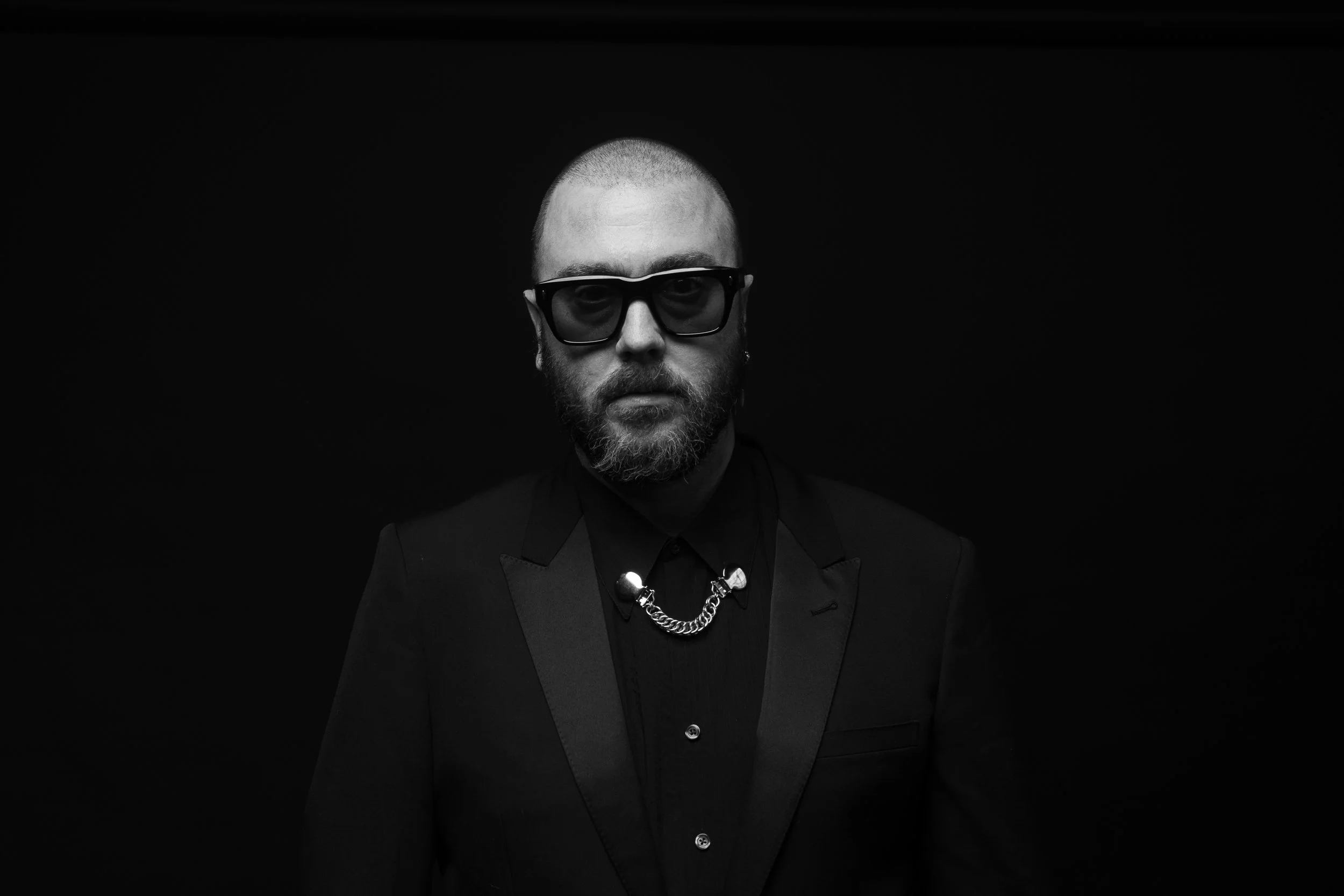
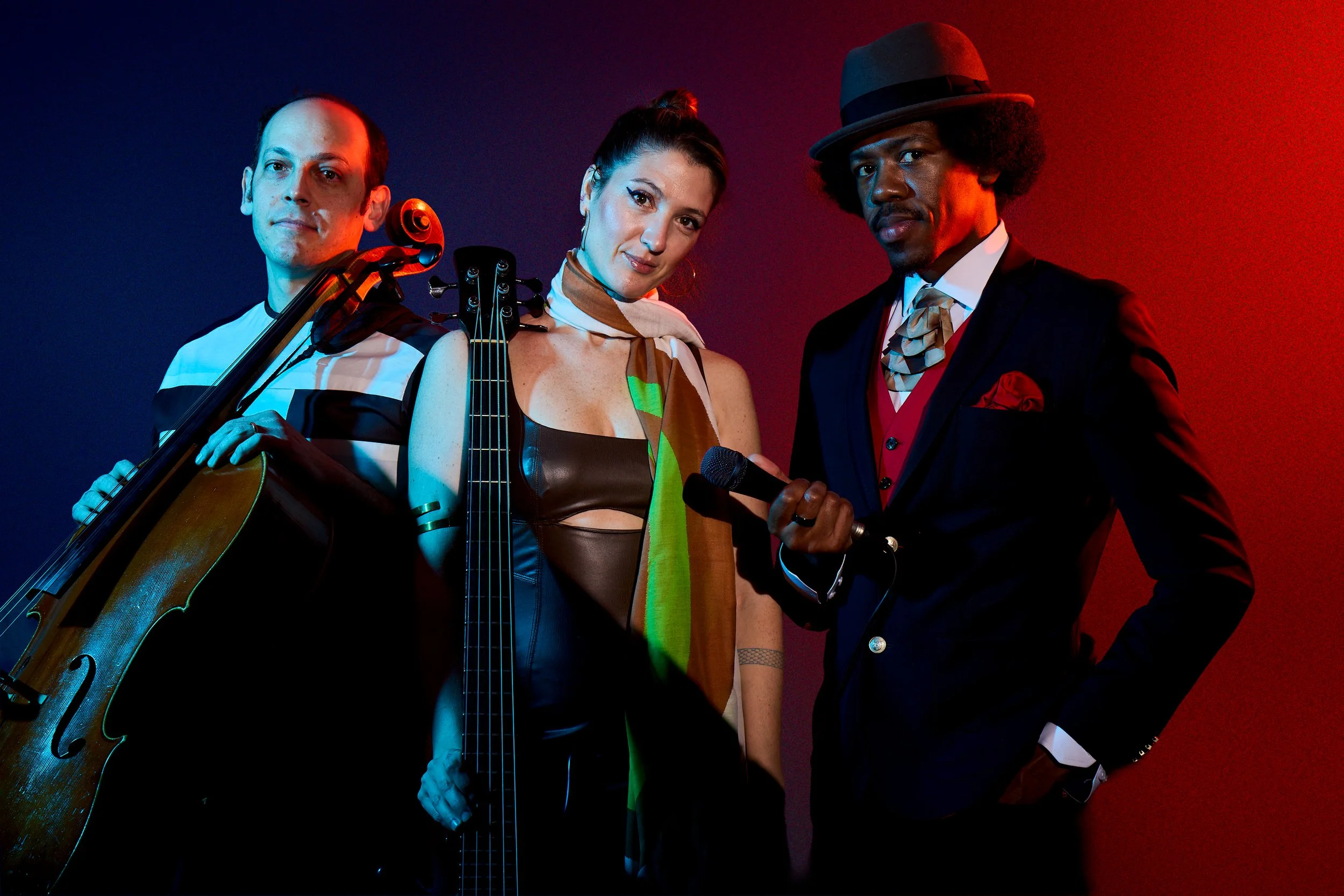
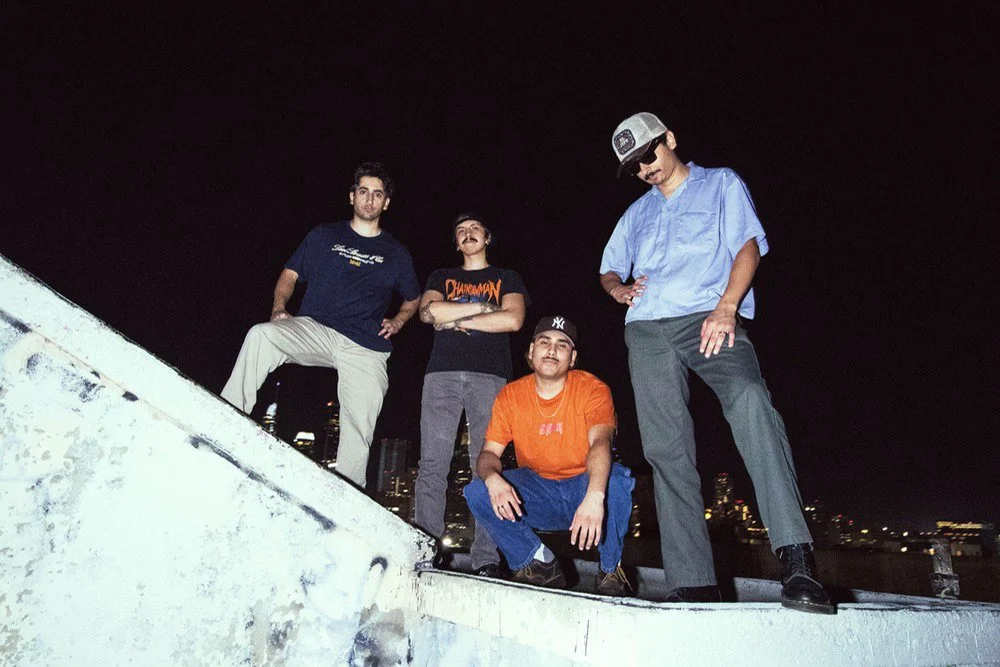
Jeff Saenz has not let the accident that left him without either of his hands stop him from being the artist he knows he can be. From playing the festival fundraiser for children of Parkland Hospital’s burn unit to training himself to work, write and type with his stylus, he has turned his story into one of perseverance and success. His band Baby Snakes & The Electric Co. is releasing new music now and you can stream at the links below. Read on to learn more!
Where are you from?
I was born in Newport Beach, CA, and raised in Laguna Hills, which is only about 15 minutes south of Newport.
How has your hometown influenced yourself and your art?
I left after high school and didn’t think much about how growing up in coastal Orange County influenced me as an artist, but the importance music plays in beach culture has never been lost on me. I think more than anything, especially since living in Texas for quite a few years now, I find myself chasing the ethereal sounds more and more… synths, reverb, pedal steel, etc. There’s something in those sounds that reminds me of the ocean, which I’ve always been very drawn to and miss terribly.
What inspired you to get into music?
It started at such a young age, so I don’t know if I could point to one specific thing. The closest I can remember is being obsessed with my dad’s Tchaikovsky records when I was barely able to walk. I’d grab the 1812 Overture LP from the stack and make him play it for me.
Your band, Baby Snakes & The Electric Co., has such a cool name! What inspired it? What is it about snakes as a motif that resonates with you?
Hahaha … yeah, it’s a bit out there! The Baby Snakes bit is a nickname from years ago. I’m sworn to secrecy on that one. The Electric Co. just fit the second it hit me. It’s a bit of a nod to my studio here in Dallas, Modern Electric Sound Recorders, and a bit of a nod to having taken roughly 8000 volts of electricity from a downed power line. I figured I had earned that badge.
How would you describe your sound/genre of music?
I call it “Trauma Rock,” or “Survivalternative”… hahaha. For real though, I guess it is “indie/alternative,” but I know there are some definite rock vibes in there as well as a subtle inherent “twang,” given the players/band. All that just to say…Rock ‘n’ Roll Forever!
Who are some of your biggest musical influences?
My influences are a bit all over the place … from Springsteen, Nick Cave, New Order and Siouxsie Sioux, all the way to more current artists like the War On Drugs, the National, Future Islands and Sharon Van Etten. I came up in punk bands touring with bands like Social Distortion and the Buzzcocks, so that will forever be a part of my lexicon as well.
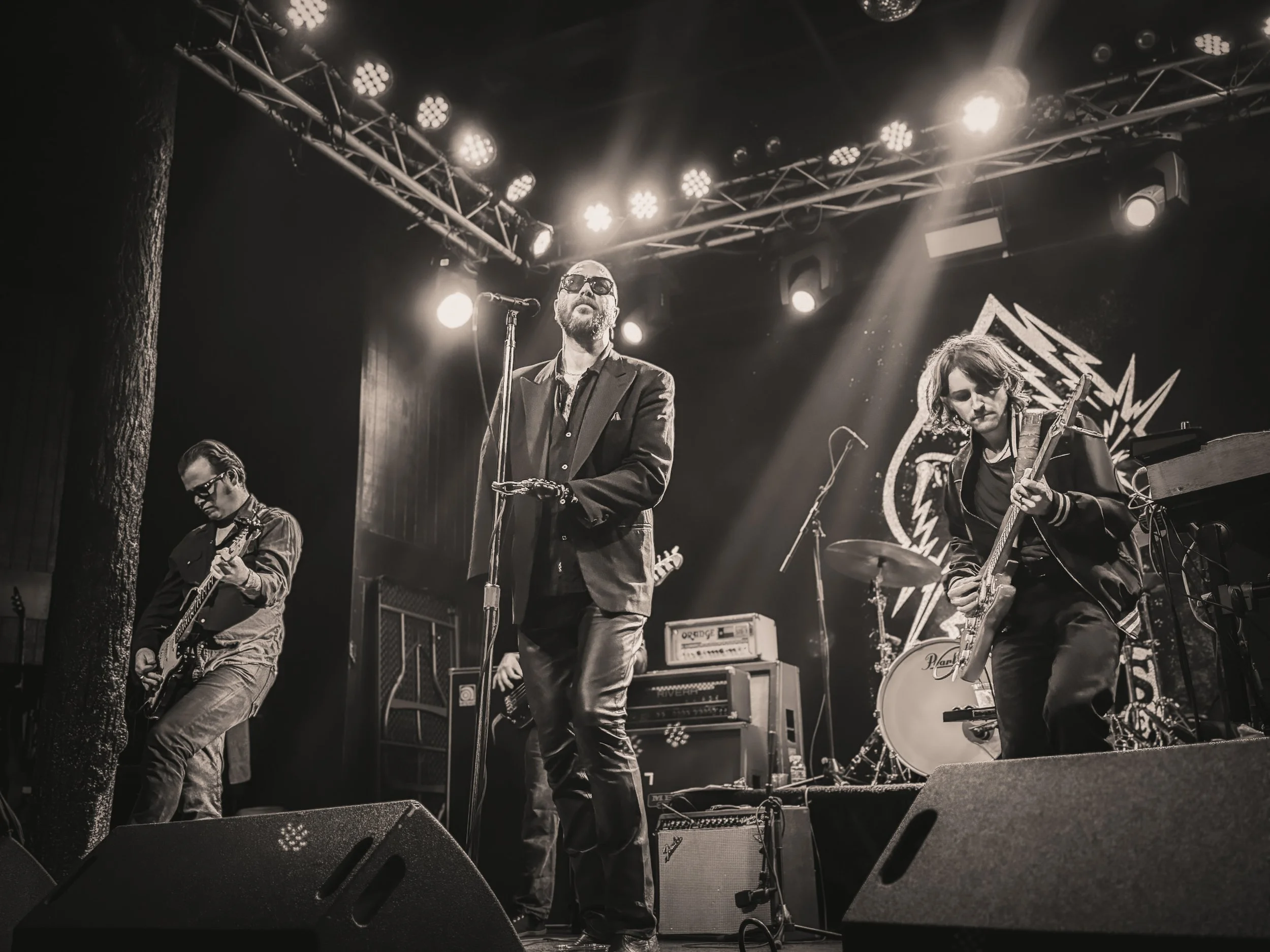
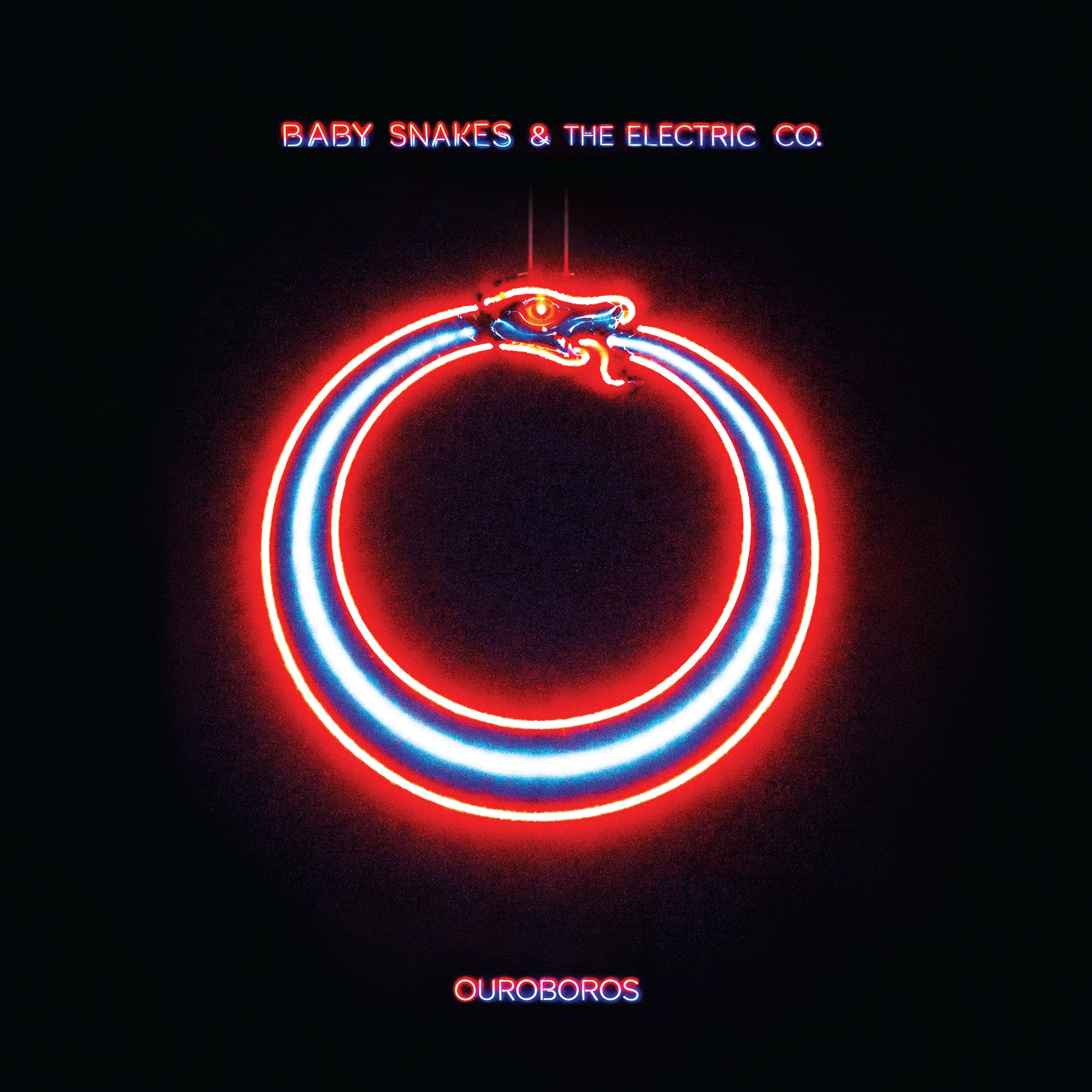
We love your lead single, “Dark Horse” off of your debut album “Ouroboros.” Can you tell us a bit about this song?
2025 was a hard year. Brutal. It felt like I might lose everything that mattered to me, everything I fought my way back to, at any moment. February, when we wrote and recorded ‘Dark Horse,’ was pivotal like Gettysburg, in the war I was fighting. The song is about belief in the fight, and belief in the people you love. There are no promises there, just a commitment to keep moving towards something better, something good, something that needs to be earned. But it is also deserved to a great extent.
What made you choose that song to be the lead single?
The album is sequenced chronologically. That was the only way I can hear it. We wrote and recorded one song a month, every month of 2025, and it is a documentation of every emotion and every struggle I had to face in that year of my life. More importantly, it’s a dedication to my family… a manifesto of love and devotion. “Dark Horse” was released first because it is the first, chronologically, of the four singles.
We also love your new song “Kintsugi.” Kintsugi is the Japanese art of repairing broken pottery by sealing the broken sections with a natural lacquer dusted or mixed with powdered gold, platinum, or silver. How did this art form inspire this song?
For years, long before my accident, I’d see these beautiful ceramics pieced back together with these shining gold cracks, so pronounced, and kind of defiant in a way. The statement was clear to me from the start: we can define what beauty and breakage are, and can defy western logic by combining the two into this new, beautiful object.
Once I learned what it was called, I wrote down the word “Kintsugi” on this running list of random fragments of song inspiration. I had no idea what I would write it about. When I wrote the song last year, I wrote about finding the beauty and the resilience in love, piecing back together fragments from something that is broken, and not hiding the evidence.
Letting the cracks shine almost as a way to stare straight back at the trauma that caused the breakage in the first place and saying, “I decide what’s broken, and I decide what’s beautiful.” I didn’t really make the connection to my own physical condition post-accident until months after we had recorded the song. I am very much pieced back together, missing limbs, covered in skin grafts, and a different version of the person I was before that accident, but I’m stronger than ever and proud of who I am because of it.
Why is it important to you that the album tells a story in chronological order? Why is it important to listen to the album in that order?
It’s important to me because it’s a documentation of this emotional roller coaster I lived on last year. It might not make sense to anyone else, but to me it reads like the chapters of a book or a movie. In the bridge of the very last song on the album, title track “Ouroboros,” I somehow found a way to tie references of all of the previous 11 songs on the album in one thought. It’s a synopsis, and although I might be the only one who ever understands it, to me it really does lace the whole story together.
You survived a crazy and terrifying accident where you were electrocuted which resulted in you losing both your arms. Can you tell us a little bit about the accident and the recovery?
I was putting my kid to bed with my wife after a great day at the studio, and the power went out. It felt different than other outages, which we have quite a few of here in Dallas. My wife was looking for flashlights, and I was lighting candles when I decided to walk out the front door to see what was going on…
Just to see the extent of the blackout in the neighborhood. I didn’t even get out of my own front yard. Somehow a high voltage power distribution line carrying roughly 8000 V of electricity had broken from the pole at the corner of our street and fallen into our front yard.
I have absolutely no idea how I came into contact with it, but when I came to a few minutes later, trying to lift myself up off the ground, my wife and the neighbor stopped me and told me just to stay still and that the ambulance was on its way. They pumped me full of fentanyl and took me to Parkland Hospital, where JFK died. I woke up from a medically induced coma about two weeks later to my wife explaining what had happened, and without my left hand.
Fork in the road. Be sad and pissed? Sure, but that wasn’t going to get me back to my family. I was there for a total of 10 weeks, and fully committed myself to some sort of triumphant return, so to speak … hahaha. The immediate goal was to get home, then to heal, then to regain every bit of my independence and not burden anyone, and finally to reclaim every bit of what was taken from me that night. Still working on that last one.
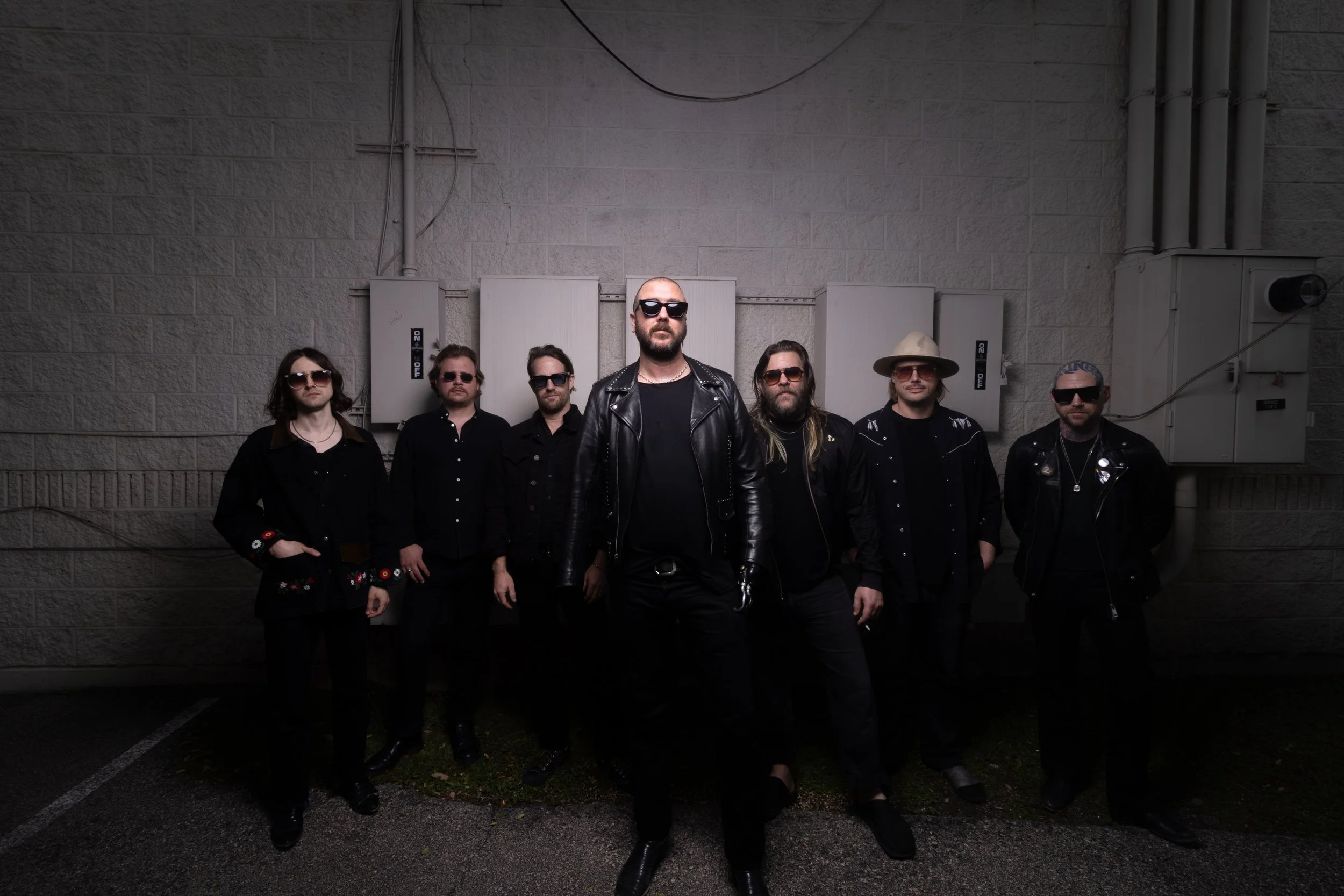
We would love to learn more about how this life changing event has impacted your musical creation, both physically and mentally. How does it feel to be back creating?
You know, I’ve always heard the songs in my head before I ever touched an instrument to see what they would sound like out loud. I don’t think I doubted that would go away by any means, but I was scared to death of the idea that I might not have the vehicle to communicate those thoughts anymore. I came to find that my friends and peers that I’d spent years with in the studio could be my proxies of sorts. We had all learned a language together over countless hours making records, and I started to use that language to convey my ideas.
Eventually, I needed more … I needed to be able to sound things out myself in order to think about these songs in real time, and that’s when I started sitting behind the piano hitting one key at a time with my rubber-tipped stylus. Once I had that, the lyrics and melodies began flowing much more easily. I’ve always loved lyrics, and it feels absolutely incredible to know that I can still do this. To know that I might be firing off a much higher level as a songwriter than ever before without the use of my hands.
You recently had your charity show for the Parkland Foundation / Parkland Hospital. What does hosting this annual event mean to you? How did it go this year?
It means increasingly more and more to me every year. This year, I got to go to the camp, Camp I-Thonka-Chi, and see who and what we’ve been giving to. It was truly incredible. To meet the staff, and the kids… Unbelievably inspiring. I grew up in a house where charity work was a part of everyday life. Both my parents have always been very involved with a wide range of charities.
After the accident, the community rallied so hard for my family and I, that it left an indelible mark on me. Doing this event every year isn’t where it ends… It’s one thing that I can do and I’ve committed to do, but it’s also a reminder to do more. Years ago I came up with a bit of a mantra for myself … “Take the time, do the work, do more, do better.“ This event holds me to those words year-round.
Tell us about High Voltage, Good Vibes. Why is this event so important to you?
It all started as a way to simply reclaim the date of my accident, the anniversary of this terrible trauma, from the universe. So, what better way to do that then to grab a bunch of your best buddies and play nearly two hours of your favorite rock ‘n’ roll songs, partying with all your friends at your favorite bar? Hahaha. After the first couple years, it was pretty clear I didn’t need to do this for myself anymore, and that’s when the charity aspect of it came into play.
When I was at Parkland for those 10 weeks, something that really affected me deeply was hearing the kids in the burn unit crying at night … Knowing that they were scared and in pain. Seeing them through the doorways throughout the halls as I’d be wheeled from procedure to procedure.
I knew those people were who I wanted to dedicate this event to, but I had no idea that Parkland even had anything like this until I did a quick search. Just such a perfect fit. Parkland was great to me, and those kids need to know that there are people thinking about them trying to do something to brighten their days for at least one week out of the summer every year.
What advice do you have for your listeners who may be struggling with their mental health or a personal tragedy?
For anyone struggling with their own mental health, I absolutely cannot encourage you enough to talk with a professional. A therapist, psychologist, psychiatrist, whoever, talk to somebody. I also think there are an incredible number of people out there like myself who are absolutely available and willing to give their time and their ear. Maybe some words of advice if they are welcome. I’ve spoken with a few really incredible people since my accident, most recently a guy we all just call “Z.”
He suffered a tremendous amount of burns from a terrible accident, and although we’ve only spoken a few times, I feel like I’m watching him turn a corner into his life, moving forward, and that’s really the only way any of us can go. “Z” has inspired me for sure. The biggest thing I try to encourage people I speak with to do is to look deep in themselves and really try to find their strength, because I truly believe we are all much stronger and much more capable than we may believe. We’re not really programmed to think that we can survive as much as we can, and I wanna help people update that software inside their brain. Life is hard, but it’s also beautiful … And it’s definitely fleeting. There’s no time to waste.
How does music have the ability to heal and help people?
Oh man … Where do I begin! Hahaha. I think music, when it’s put into the air, functions on so many levels we can’t even comprehend. So many words are so open to the listeners’ interpretation; the melodies and chords that accompany them emphasize one mood or another. The frequencies penetrate our bodies on a molecular level.
So many times a song or an album comes to our lives seemingly on cue, like they are part of the score or something. For me, after the accident, it was Sharon Van Etten's “We’ve Been Going About This All Wrong.” It felt like that album was written for me. It allowed me to cry, filled me with power, got me dancing with my daughter bouncing up and down on the couch blasting it in the living room. It was like all the medicines wrapped into one album. It’s inexplicable, yet undeniable. Pure medicine.
It has been a crazy last few years, and we expect at least three more. How do you stay positive in general about the unknown and motivated as an artist?
It is, indeed, an absolutely brutal time in the world. I have a tendency to be painfully empathetic at times, which truly makes this period in our history extremely difficult to witness. I choose to be informed, but I can’t watch two hours of the news every morning like I used to. I found that embracing the beauty in the world, and trying to encourage others to do the same is maybe the best ammo that I have to counter all of the other horrible things happening.
I can fully understand how it would be difficult for any artist to create in the time like this, but I think the moment you stop, the bad guys won. Use your voice for anything you can besides adding more negativity into the world. That doesn’t mean you can’t be honest with your art, but hatred and pessimism will get us nowhere.
What is your motto in life?
I actually said it earlier in the interview, but my motto for life is “Take the time, do the work, do more, do better.” You can apply those words to anything, just like your favorite hot sauce!
To learn more about Jeff Saenz, please check out the links below:
Website: babysnakeselectric.co
Instagram: @baby_snakes_electric
YouTube: @Baby_Snakes_Electric
Soundcloud: Baby Snakes & The Electric Co
High Voltage: here
Photography credit: Will Von Bolton
Jeff Saenz has not let the accident that left him without either of his hands stop him from being the artist he knows he can be. From playing the festival fundraiser for children of Parkland Hospital’s burn unit to training himself to work, write and type with his stylus, he has turned his story into one of perseverance and success. His band Baby Snakes & The Electric Co. is releasing new music now and you can stream at the links below. Read on to learn more!