Kelli Blanchett and Sad Tunes
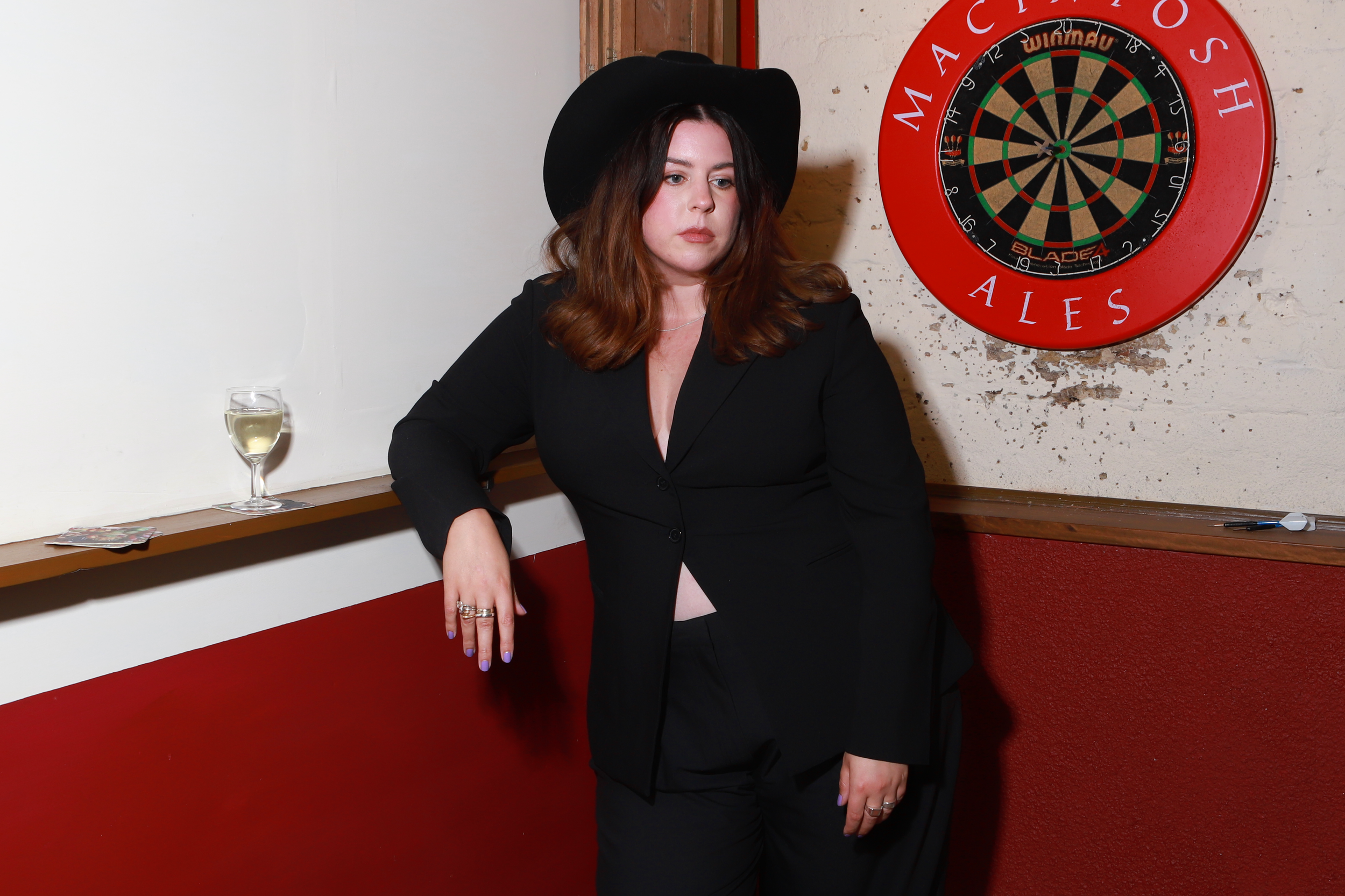
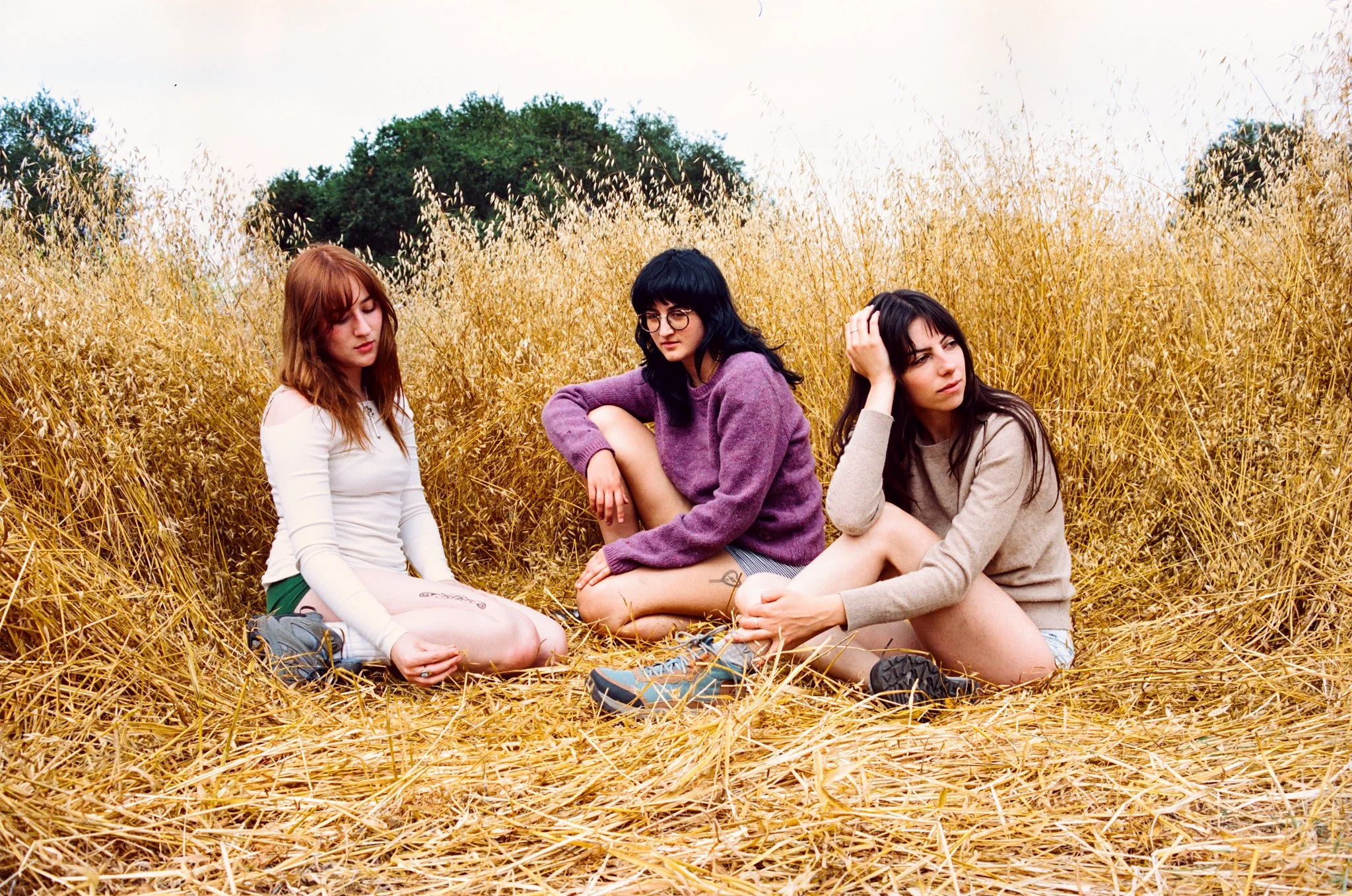
Photo credit: Jamie Noise
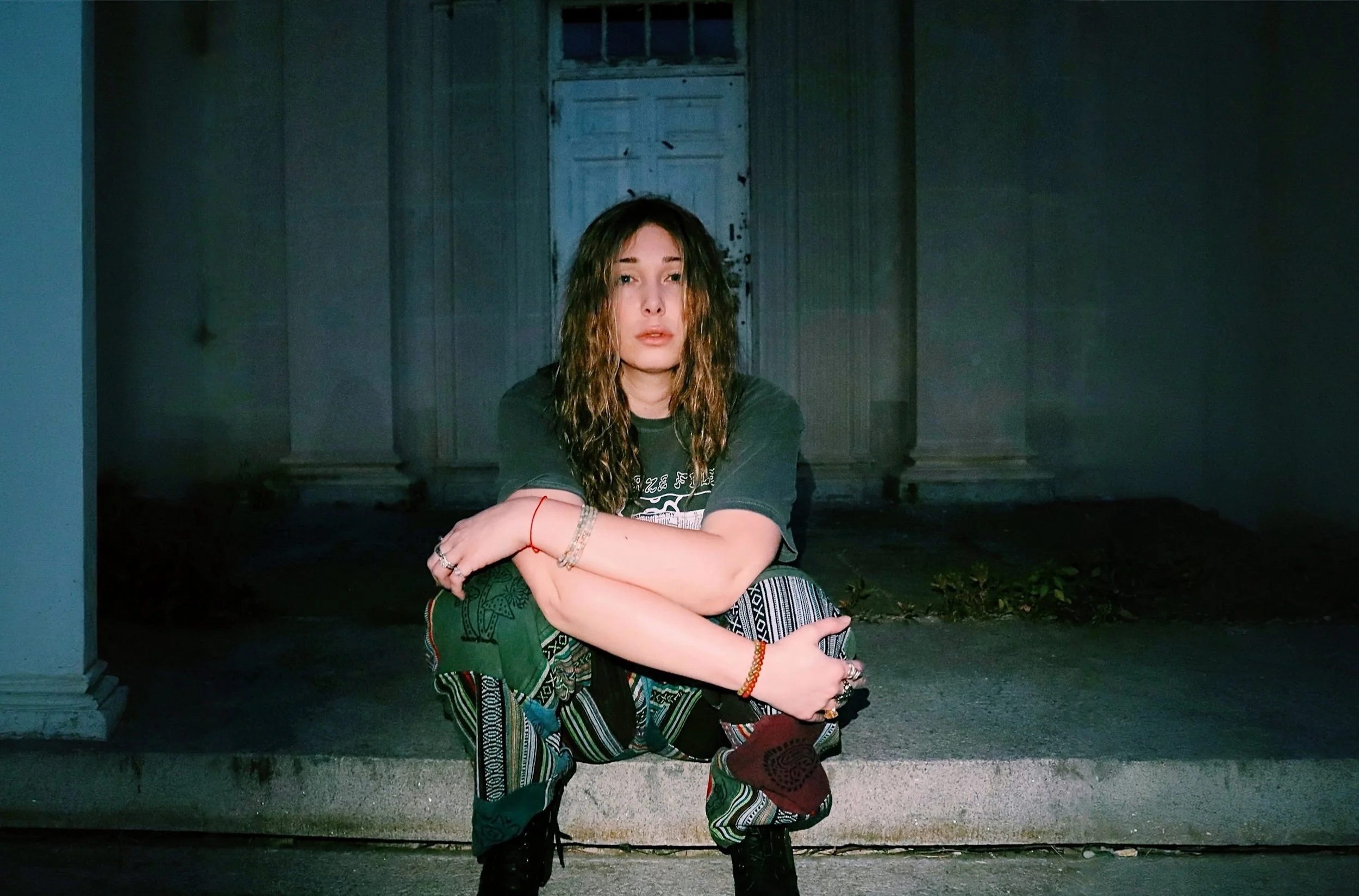
Kelli Blanchett will seduce you with her soft sad melodies as she shares her life through her music. As a survivor of chronic illness she is a passionate advocate of disability rights and representation. We are excited about her new album Casual Dining, and had the opportunity to discuss it and her humanitarian work with her below.
Where are you based?
I’m based in North East London, but I’m from Corby, an ex-steel town in the Midlands.
What inspired you to pursue music?
I’d grown up around music in my family. My dad was a musician and my mum played a lot of music in our house and hosted karaoke twice a week at a pub that she’d take my sister and me to. Then, at around 17, I started hanging out with people who were into alternative music. We’d spend days watching MTV2 and I would play my then-boyfriend’s guitar and teach myself. It felt very much like the thing I was going to do regardless of the path.
Congratulations on your new EP “Casual Dining.” What was the inspiration behind this EP?
Thank you. I have a chronic illness and this flared up quite badly in 2023 and 2024. I spent 2024 in the house trying to figure out how to be alone, and I am not someone who likes to be on my own — I’m a sociable person. The illness that year took a toll on me and I learnt a lot about myself. I had to sit in an uncomfortable place and from that came this EP. This EP is a collection of songs created in a time of struggle.
How would you describe the kind of music you make? Are there any artists you looked to for inspiration when making “Casual Dining?”
The music that I make is folk/Americana/country. I love sad melodies and songs that make your heart yearn. I hope that’s what I’ve created with Casual Dining. I tried to keep everything as raw and analogue as possible, which I think helps to paint a picture.
I was really listening to a lot of James Taylor, Linda Ronstadt, Laura Marling and Gram Parsons. I’d slipped into quite a ’70s phase, where I still am to be honest.
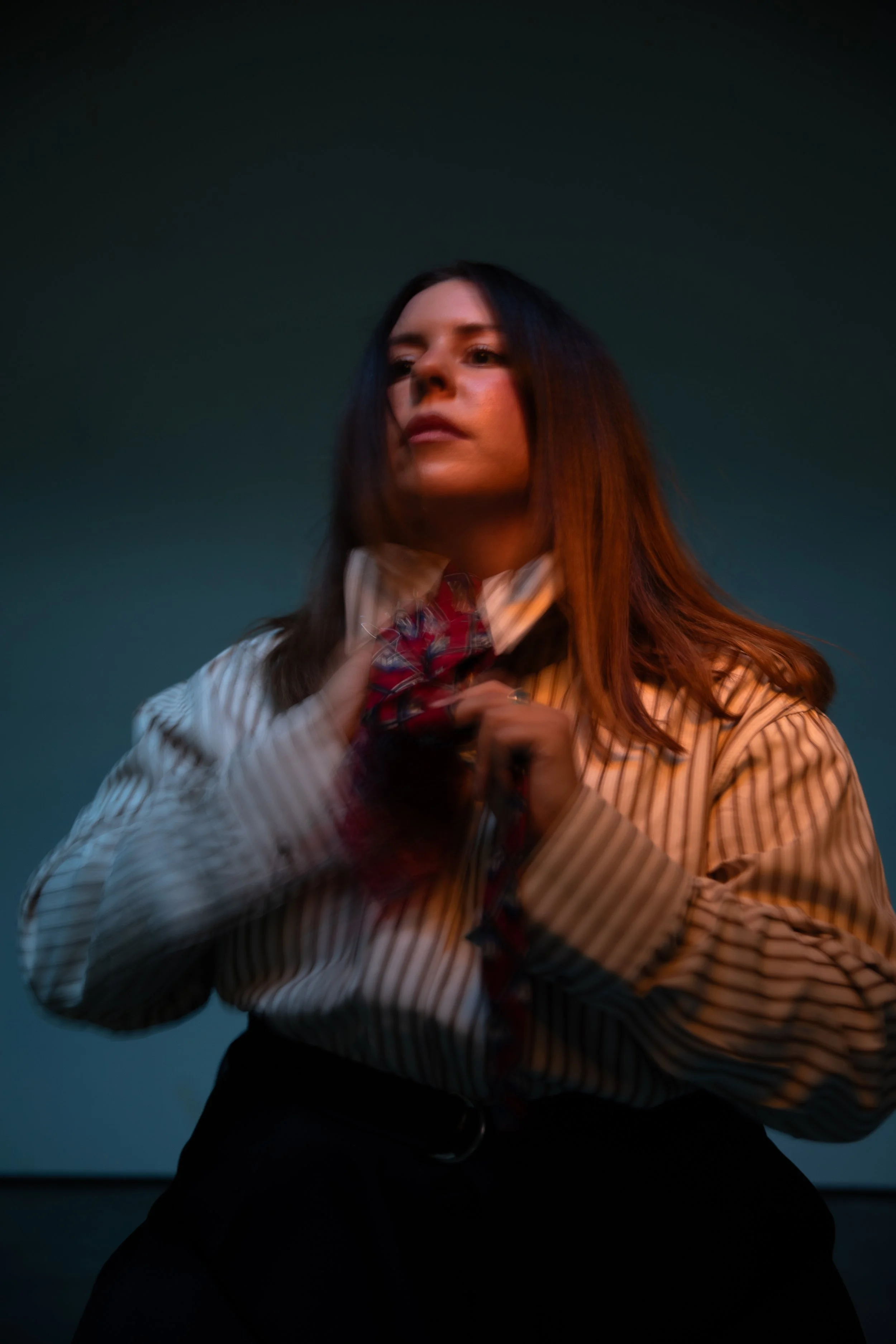
Photo credit: Niamh Bennett
What’s the story behind the song “Hiding in Plain Sight?”
“Hiding in Plain Sight” is a song that I wrote in bits. I used to have an old friend who one day suddenly disappeared on me, cutting all contact with everyone out of nowhere. It was a time when I was really ill myself, and this song was born out of this complex bundle of feelings: sadness that I didn’t know what that friend was going through, frustration because I was going through my own stuff and they weren’t there for me, and overall just being stuck with not knowing.
It’s a song about the complexity of friendship, and a reminder that each life is as full and contradictory and confusing as the next. I had this song as a demo and sat with it for a long time and, when I was writing this EP, something clicked. Sonically, I knew I wanted that Americana, slide guitar, harmony-led feel to it.
Although lyrically the theme is about loneliness, the instrumentation and stacked vocals make it feel like it’s bursting with life; it has a lot of soul in it. I’m really drawn to that internal tension and interplay.
What do you hope to inspire within those who listen to this EP?
People who feel lost, people who feel stuck, and people who love a sad but uplifting song. When I’m stuck in a rut or feel frustrated with how things are going, I listen to music, and I hope that’s what happens here.
You work as an advocate for Attitude Is Everything, an organization dedicated to making the music industry more accessible for individuals with disabilities. Can you tell us more about what this organization does and your involvement?
They’re an organisation that works with disabled artists and audiences to create better access for both within the music industry. I have worked with them for years as an advocate, attending panels to talk about greater access to the music industry for artists. I have worked with music promoters on how to make their spaces and environments more open and welcoming to disabled artists and basically bang my drum whenever I can to talk about the unnecessary struggles of the chronic illness and disabled community.
What changes do you hope to see for the future of the music industry regarding representation?
There’s a long way to go when it comes to working-class representation and disabled representation. We need more access for people from lower socioeconomic backgrounds, but it’s systemic, and it doesn’t help that the government is cutting money towards creative curriculums in schools. These things start early and you need to catch it there if you really want to make a change.
When it comes to representation of disabled artists, it’s also systemic, as the industry is so geared against anyone who can’t just roll with the punches. It’s in every grain of that world.
I worked with the artist Self Esteem and I see it with her too — the almighty struggle and treadmill that you’re on — and she’s not disabled. It’s grueling, and if you want to make it you quite often have to sacrifice your health.
You’re a member of the FAC (Featured Artists Coalition) who are currently working on their 100% Venues campaign. Can you tell us more about this campaign and why it’s so important?
It feels like I’m moaning, but it’s incredibly difficult to make a living in this current climate when it comes to music. One way of making money is to sell merchandise. One of the problems that artists are facing is that venues are now taking quite a big cut of their merchandise sales.
The merchandise that is made is paid for by the artist, and they need to recoup some cost and make a profit, which is almost impossible if the venue also wants to take a cut of their merch sales. It feels like artists are being pinched in every direction, being squeezed with not much left to take home. If we continue this way, there won’t be grassroots artists or venues.
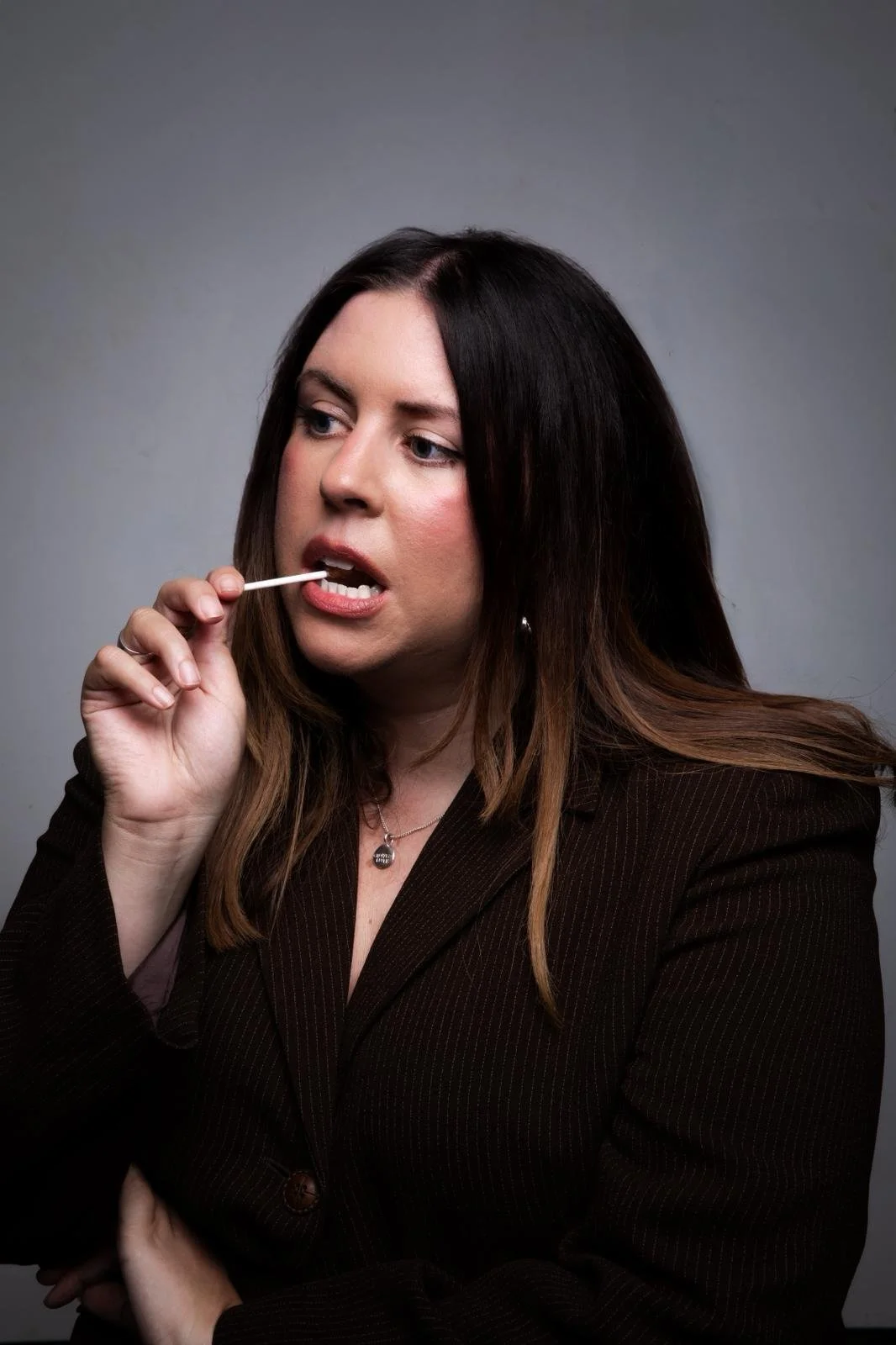
Photo credit: Niamh Bennett
What is one piece of advice you wish someone had given you before you started to pursue music?
I wish somebody had told me to keep going no matter what. The more you can continue to create in any capacity, the more likely you are to have success. When you get knocked down — which you inevitably will — you have to try and get back up and continue the good fight. The good fight being believing in yourself. Get used to rejection; it’s par for the course.
Are there any upcoming projects you are currently working on that we should be on the lookout for?
I am hoping to learn how to record this year. I want the freedom to create on my own terms, which will help me learn how to write songs in a completely different way. Being tied to a producer means that you are tied to your health in a weird way because it’s important that you are well at the time that you record. That’s a lot of pressure for somebody who has a chronic illness. So hopefully this time next year I’ll be releasing music that I’ve produced.
It has been a crazy few years, and we expect at least three more. How have you been staying positive?
As a chronically ill person, you also have to be chronically positive. It’s the only way to get you through the day. I’m an upbeat person — I enjoy life. Things feel scary at the moment and there’s no getting away from that, but I try to take each day as it comes and appreciate that day.
What is your motto in life?
Just try to have a fun time and not hurt too many people.
To learn more about Kelli, please check out the links below:
www.kelliblanchett.com
Instagram: kelliblanchett
Substack: @kelliblanchett
Kelli Blanchett will seduce you with her soft sad melodies as she shares her life through her music. As a survivor of chronic illness she is a passionate advocate of disability rights and representation. We are excited about her new album Casual Dining, and had the opportunity to discuss it and her humanitarian work with her here.