
Our Favorite Progressive Candidates in 2026 - Kyah Creekmore, North Carolina's 5th Congressional District
So far, 2026 is shaping up to have a lot of Gen Z candidates! Which is what we want here at Jejune, to see young, progressive people stepping up to challenge and replace the gerontocracy that plagues all levels of government in America.
In North Carolina, Kyah Creekmore, is one of those candidates. Kyah is a democratic socialist running to challenge Virgina Foxx, who is not only one of Congress’s oldest members (and the oldest from North Carolina) but is also a right-wing representative, and an opponent of any and every policy that aims to move our country forward. Kyah grew up in poverty, moving around as his single mother worked three jobs at a time. He experienced firsthand the cruel bureaucracy that runs the American healthcare system, being underpaid working for companies where the top officers made extraordinary profits, and drinking potentially polluted water. Kyah is running on a platform of Medicare for All, climate justice, and gun reform.
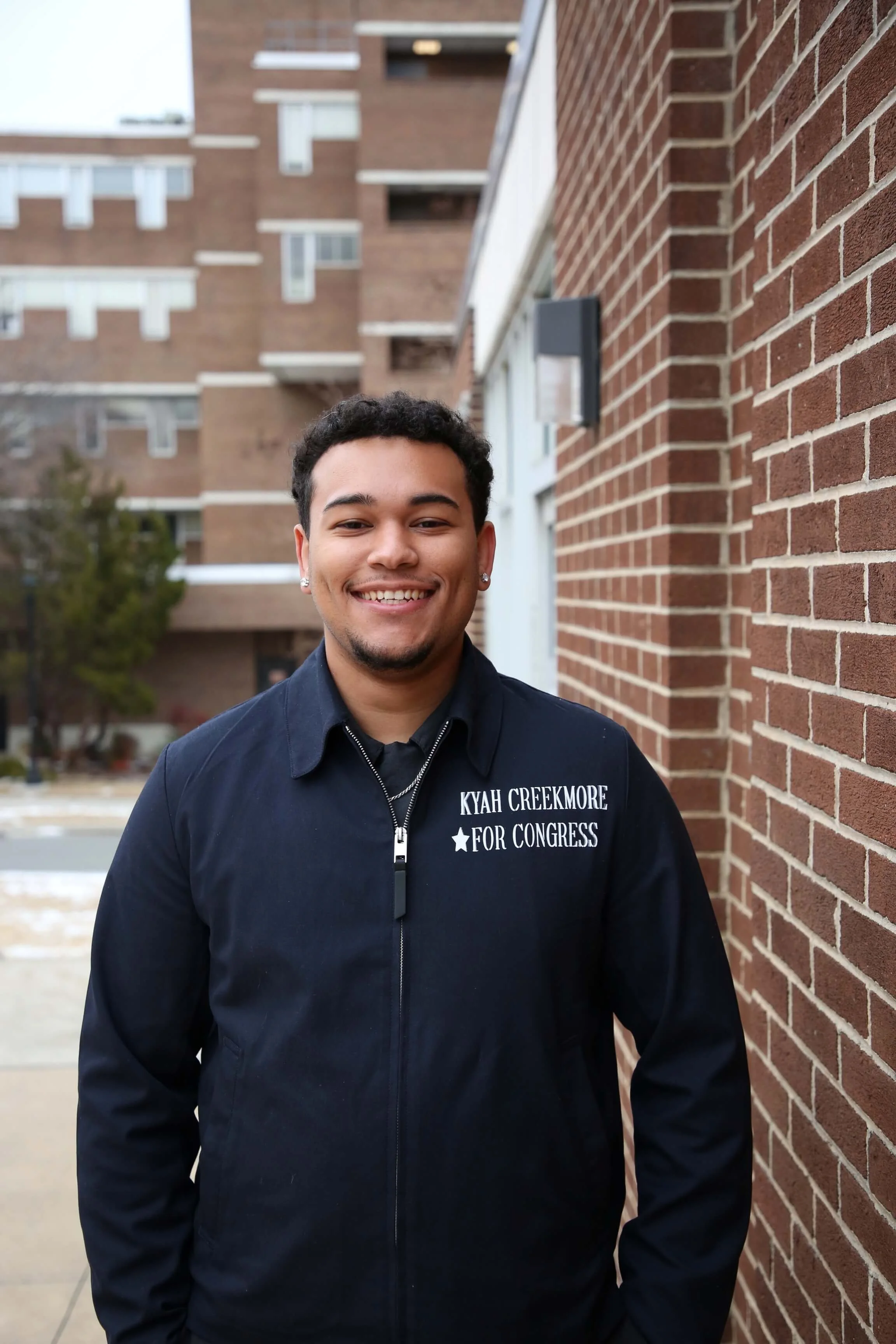
Where are you based?
Greensboro, North Carolina.
What position are you running for?
U.S House of Representatives in NC's 5th Congressional district.
How would you briefly summarize your platform?
My platform is built on three pillars: universal healthcare, affordable housing, and fully funded public schools. At its core, this campaign is about shifting power back to working-class families, young people, and communities that have been politically ignored while corporations and career politicians make the rules.
What inspired you to run?
I didn’t grow up around power. I grew up in and around constant struggle. I’ve lived and am currently living the reality of stagnant wages, rising rent, and systems that feel designed to keep everyday people one emergency away from collapse. I’m running because I understand those pressures firsthand, and I refuse to accept that this is the best we can do. If working people are the backbone of this country, then our government should reflect that.
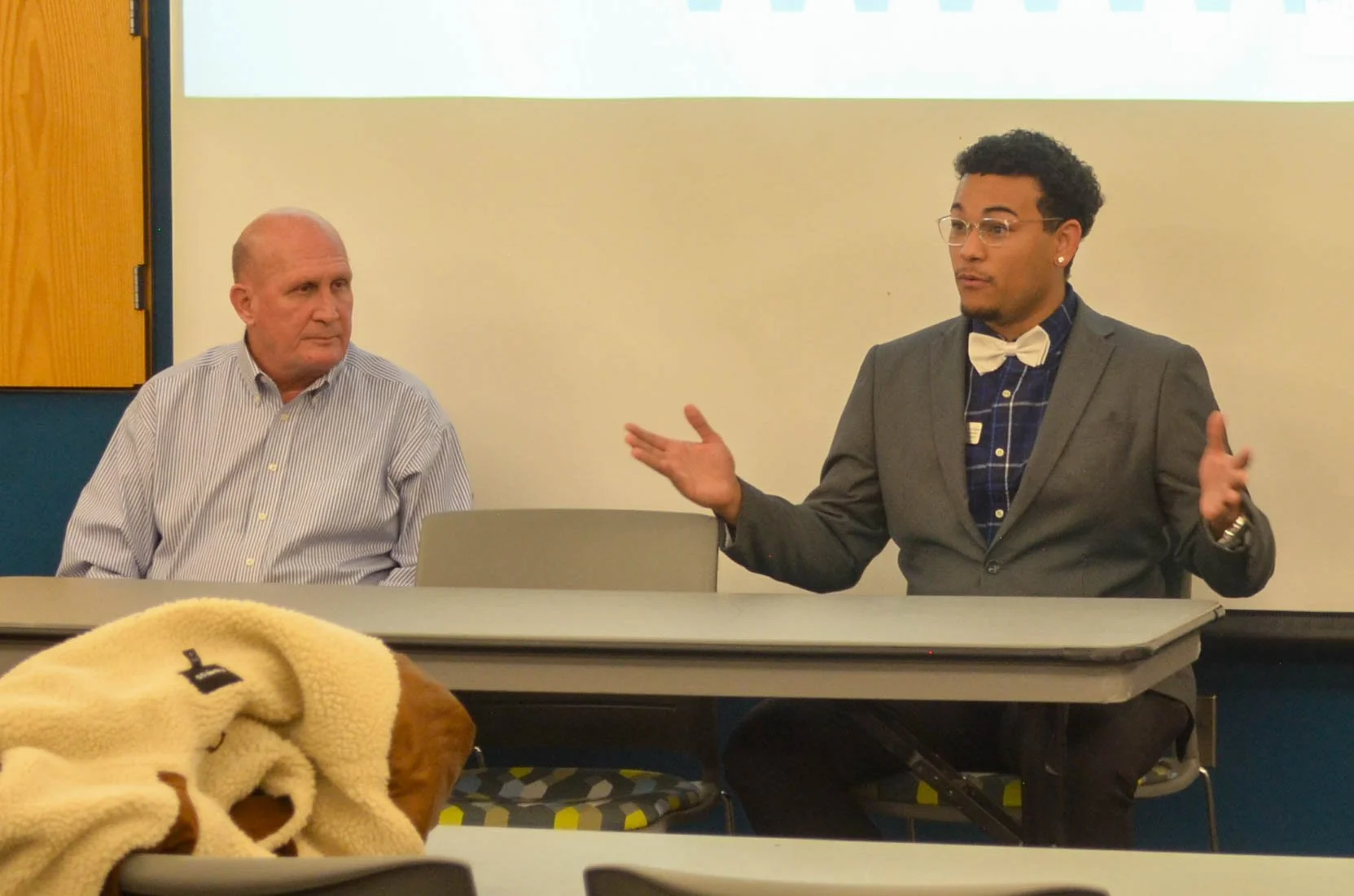
What change are you hoping to bring to your district and country?
I want to bring material change, not symbolic politics. That means lowering healthcare costs immediately, protecting rural hospitals, stabilizing housing, and investing directly into public schools and local economies. Nationally, I want to help realign our priorities away from corporate protection and toward working families. Policy should produce visible results in people’s lives. Closing gaps in healthcare, putting money back in people's pockets, holding corporate executives accountable and other offenders of human rights and dignity that have been protected by the system for so long.
What do you consider to be your major accomplishments so far?
When I started this campaign, I had no political network, no insider connections, and no formal organizing experience. I wasn’t raised around power or positioned within the political class. I began with very little knowledge of how local government even operated.
What we built from that starting point is what I consider the accomplishment.
This campaign grew into a grassroots, people-centered movement powered by small donors, volunteers, and first-time voters. It has become a political home for individuals who have felt neglected, unheard, or disillusioned for years. In a climate saturated with cynicism and performative outrage, we are rebuilding something different — optimism rooted in material change and accountability.
We are channeling frustration where it belongs: toward systems that have concentrated wealth and power in the hands of a narrow elite while everyday families shoulder the consequences. Instead of feeding despair, we are organizing it into direction, discipline, and purpose.
What do you feel are the most important issues right now, why, and how do you plan to tackle them?
The most urgent issues are healthcare affordability, housing instability, and the underfunding of public education. These are foundational systems. When they fail, families fail.
Healthcare: Expand coverage and reduce costs while protecting rural providers.
Housing: Increase supply, protect tenants, and address corporate consolidation of housing stock.
Education: Invest in teacher pay, infrastructure, and equitable funding formulas so ZIP code no longer determines opportunity.
These are solvable problems. They require political will more than invention.
America is extremely divided these days. How would you hope to bridge that divide with your constituents to better unite Americans?
Division is often fueled by economic anxiety and distrust. The best way to bridge divides is to deliver results that materially improve people’s lives, regardless of party affiliation. When rural hospitals stay open, when wages rise, when schools are funded, people see tangible benefits. I focus on policy outcomes that cut across partisan lines and speak directly to everyday concerns.
How do you see your unique identity and background to be an asset to you in office?
My background keeps me grounded. I come from the same economic reality as many of the voters I represent. That lived experience creates clarity. I understand the pressure points families feel because I’ve felt them. It shapes my urgency and keeps my priorities aligned with the people who sent me there.
What is your motto in life?
“It is what it is.” Not as resignation, but as clarity. I believe in accepting reality as it presents itself, without denial or dramatization. You adapt, you respond, and you keep moving. Most setbacks are temporary, and most frustrations last far less time than the energy we give them. There is too much life to live and too much work to do to remain stuck in moments that pass quickly. The key is resilience and forward motion.
Where can we find out more about you?
KyahCreekmore.org
@KyahForCongress on Instagram/Threads/Tiktok @kyahcreekmore on Facebook/Twitter/Bluesky
Juliana Bennett (she/her), is running for Wisconsin State assembly. A Black pansexual Gen-Z woman, Juliana is heavily keyed in to her hometown of Madison, the capital city, as a former member of the city council, with experience in expanding housing. She is passionate about defending protesters, getting ICE out of Wisconsin, and sustaining immigrant communities across the state.