Namira's Multicultural Music
Photo Credits: Amanda Villarosa, Soyoung Kim, & Jisun Lee
Korean-American singer-songwriter, DJ, and producer Namira blends culture to create a fusion of Eastern and Western influenced music. Recently stepping out with her debut EP titled “California Forever,” she merges EDM and folk rock to create a sound she calls “California EDM.” Namira connects back to her roots throughout this new project and honors both her mother and her heritage. Beyond music, she recently took action and joined in on No Kings and anti-ICE protests in Los Angeles. To learn more about Namira and her new EP, read on.
Where are you based?
I’m based in Chinatown, Los Angeles.
You left a career in the tech industry for the music industry. What inspired this transition?
It was a perfect storm. My mother passed away in 2022, and I was desperate for new songs. But I prefer classic songwriting, and I didn’t like anything on the charts. I was also an early fan of EDM, but started to feel it had become unwelcoming to women and people of color despite its origins as resistance music. At a certain point, as I sat at my desk rummaging through Spotify, I realized I needed to start making music myself.
How would you describe the kind of music you make? Are there any artists or cultures in particular that influence your sound?
For my debut EP “California Fever,” I focused on fusing folk rock with EDM to reflect the sounds of Los Angeles. Similar to the way the Eagles dubbed their genre “California rock,” I’ve been calling this “California EDM.” I’m definitely inspired by artists like the Beatles and Beyoncé who weave a diverse array of musical influences into a singular, cohesive vision.
Congratulations, your debut EP titled “California Fever” just released! What was the inspiration behind this project?
Thank you! To be very honest, these songs came to me and would get stuck in my head. So I had to do a bit of self reflection to understand where they were coming from. That was how I discovered I was revisiting my mother’s journey of falling in love with, and coming to, America.
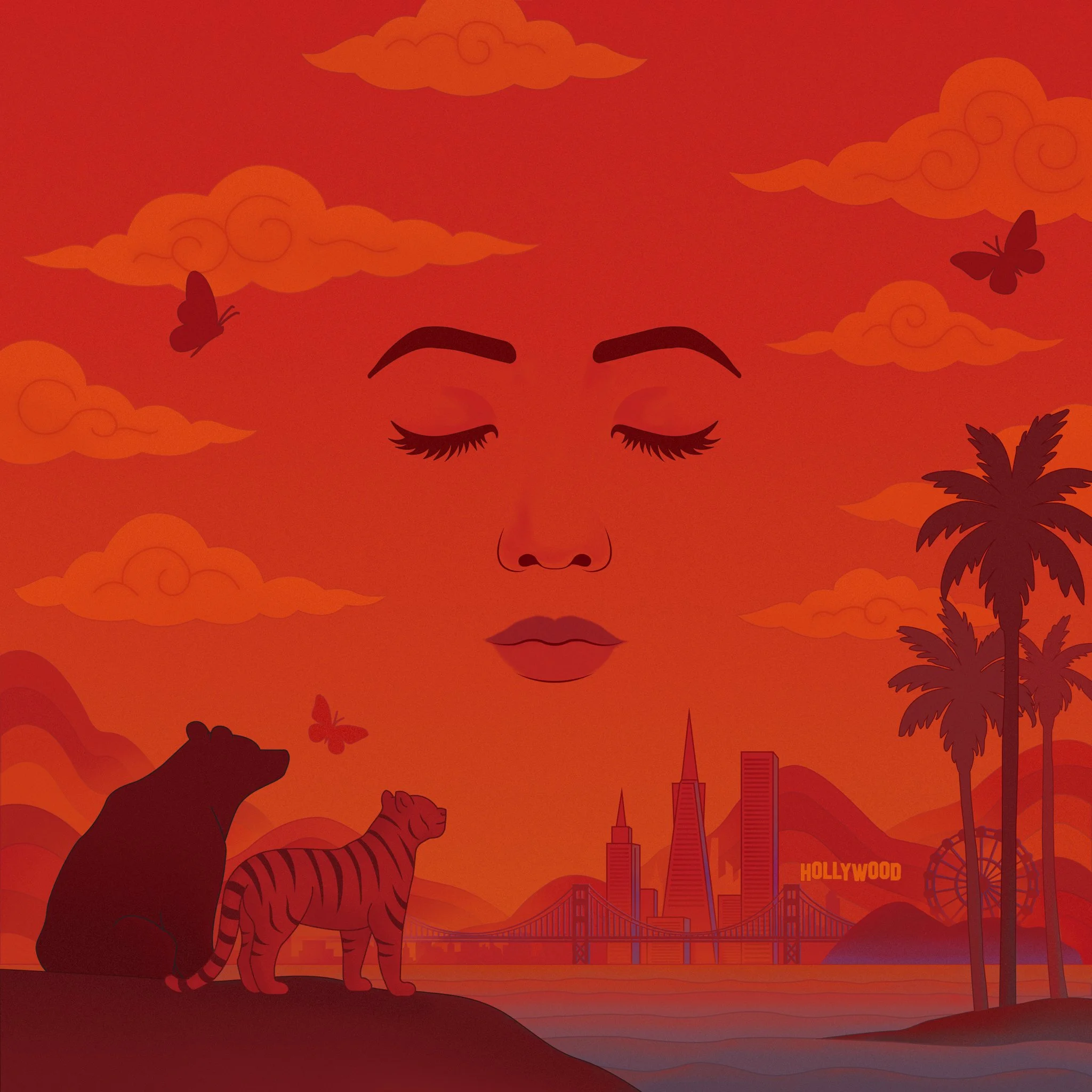
Why did you choose “California Fever” as your EP’s title? What’s the meaning behind the name?
I heard the lyrics to ‘California Fever’ one morning in June, when the ICE protests were at their peak in Downtown Los Angeles. The title is a reference to ‘America Fever,’ a term Koreans used to describe the wave of immigration to the United States starting in the 70s. I believe that the meaning is whatever people want it to be. But for me personally, it’s an invitation to revisit the promise of the American dream and ask whether we want to try again.
What is the significance of the bear and tiger included on the cover art for this EP?
The animals refer to the founding myth of Korea. A bear and a tiger both wanted to become human, but only the bear decided to go through the transformation. Koreans believe this bear was the first Korean woman, and the tiger is the national animal. I thought it was an apt metaphor for undertaking the immigration journey.
Your music has very free-spirited and alluring qualities to it. What are some ways in which you weave western influence into your music while also staying true to your cultural roots?
The East and West have always influenced each other. Korean folk music evolved to incorporate Western sounds when German American missionaries arrived at the turn of the 20th century. A number of classic songs like “Oppa Saengak” were written during this era. These songs then became the anthem of the resistance movement against the Japanese during WWII. If you follow your roots, you eventually discover they’ve always been entwined with other cultures.
You have a unique background as a classical pianist. How has this skill helped you develop your artistry?
Classical training gives you the confidence to trust your ears and write original music. It’s much easier to write chord progressions when you understand the theory.
What do you hope listeners take away from your music?
I hope they find what I was looking for when I started making music — joy and emotional honesty.
Photo Credits: Emma Anderson
Why is writing about your heritage important to you? Why is it important that we listen to music that represents our multicultural society?
We suffer when art doesn’t reflect our reality. America is a multicultural society. Our music has always reflected this, and I think it’s time to reconnect with our heritage.
You’ve been actively participating in the anti-ICE protests in Los Angeles recently. In your opinion, why is protesting an important freedom to have?
Protesting is a peaceful method for reminding our government who holds the real power.
Can you tell us a little bit about your experiences so far protesting against ICE?
The No Kings Day protest in Los Angeles was a beautiful experience. I had never seen so many Los Angelenos of all ages, races, and walks of life, come together to show our love for this city. I don’t believe the media accurately portrays what these protests are like. More often than not, there is a mariachi band. Los Angeles understands the need for joy even while protesting oppression.
For those who are not able to participate in protests for safety reasons, what are some ways in which they can still support similar missions?
Organizations like CHIRLA that support immigrants are always in need of donations or volunteers.
What changes do you hope to see within the music industry regarding representation?
I don’t think people realize how misogynistic this industry remains because there are simply not enough women. I walk into rooms, and I’m the only woman in a crowd of 25 people. This has to change.
Photo Credits: Emma Anderson
What advice do you have for young girls whose career aspirations lie within the music industry?
Invest in your music education first. Network later. There will always be people who try to question your talent or skills. When you have the training, you know what you’re doing.
Are there any upcoming projects you are currently working on that we should be on the lookout for?
Yes! I hope to release a deluxe version of California Fever this spring.
It has been a crazy few years, and we expect at least three more. How have you been staying positive?
Making music is definitely my medicine.
What is your motto in life?
I try my best to choose courage today over regret tomorrow.
To learn more about Namira, please check out the links below:
Instagram: @namirasong
CHIRLA is doing incredible work protecting immigrant families in Los Angeles; and the ACLU needs all the support we can give during this time.

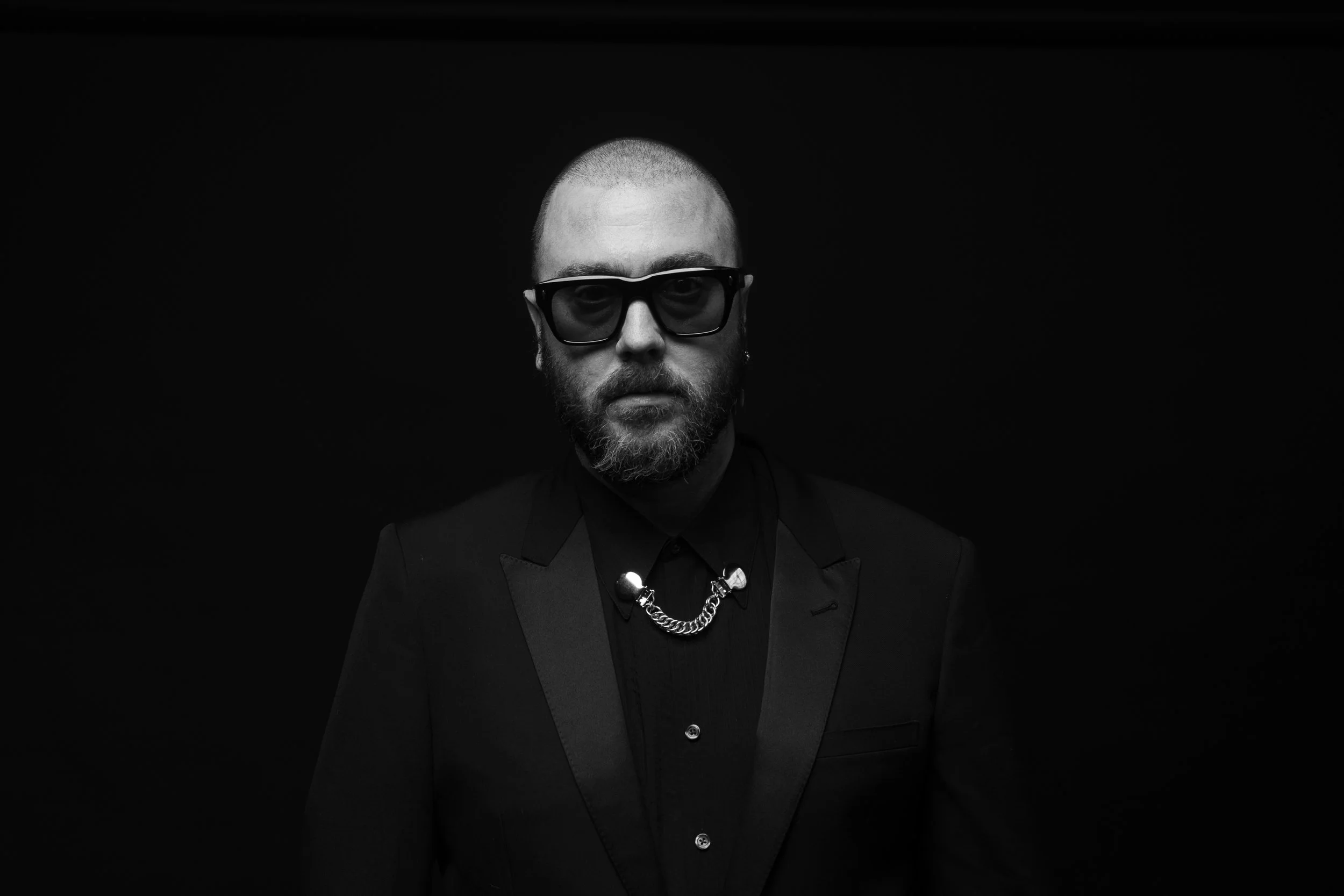
Caroline Cotter is passionate advocate for her local community and women everywhere. Whether it’s performing small shows for the Cook County Jail in Chicago or working closely with New Hope Midcoast, she uses her passion for songwriting and storytelling to continuously uplift those around her. Make sure to look out for her upcoming album “The Answer” this October.