Notep Draws Strength Through Coral Reefs for Upcoming EP
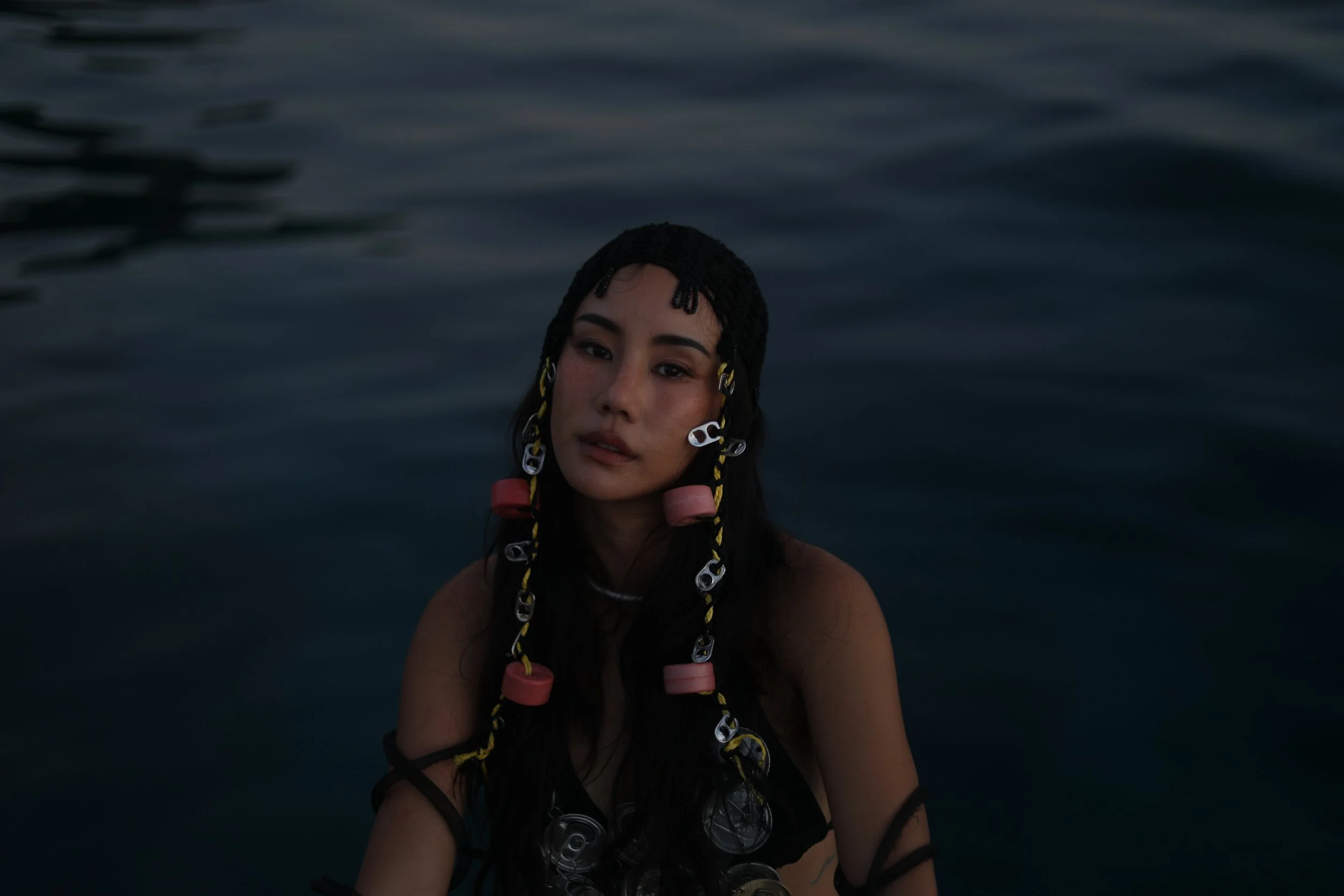
Notep is an electronic musician from Thailand who obtains inspiration and power through the beauty of the oceans, the coral reefs, and nature as a whole. PAKARANG is her upcoming Earth Day-themed EP that details how humanity and nature are one and the same more than they are opposites. She has done work with many environmental organizations including her own initiative called High on Your Own Supply that promotes environmentalism and sustainability to the younger generation through events, projects and lessons.
Where are you from?
I’m from Chiang Mai, Thailand, but I’ve spent much of my life between different places and communities. These days I’m based in Bangkok and spend a lot of time traveling for music, environmental projects and storytelling. No matter where I am, Thailand remains a big part of who I am and how I see the world.
What is the origin behind your name?
My artist name is NOTEP, pronounced “No-Tep.” It’s a play on my name, Note, which I’ve had since childhood and P from my last name Panayangool. In Thai, my name “นท” means “a person who sings” and “a body of water’. น (N) is from Niyom, my grandfather’s name and ท (T) is from Thaweeruk, my grandmother’s.
What inspired you to get into making music?
Music was my first language for expressing emotions I couldn’t put into words. I started singing when I was young and eventually became fascinated by how sound can shift people’s emotions, memories and even their sense of connection. The deeper I explored music, the more I realized it wasn’t just entertainment, it was a way to create connection, experiences and tell stories.
How has your background influenced yourself and your art?
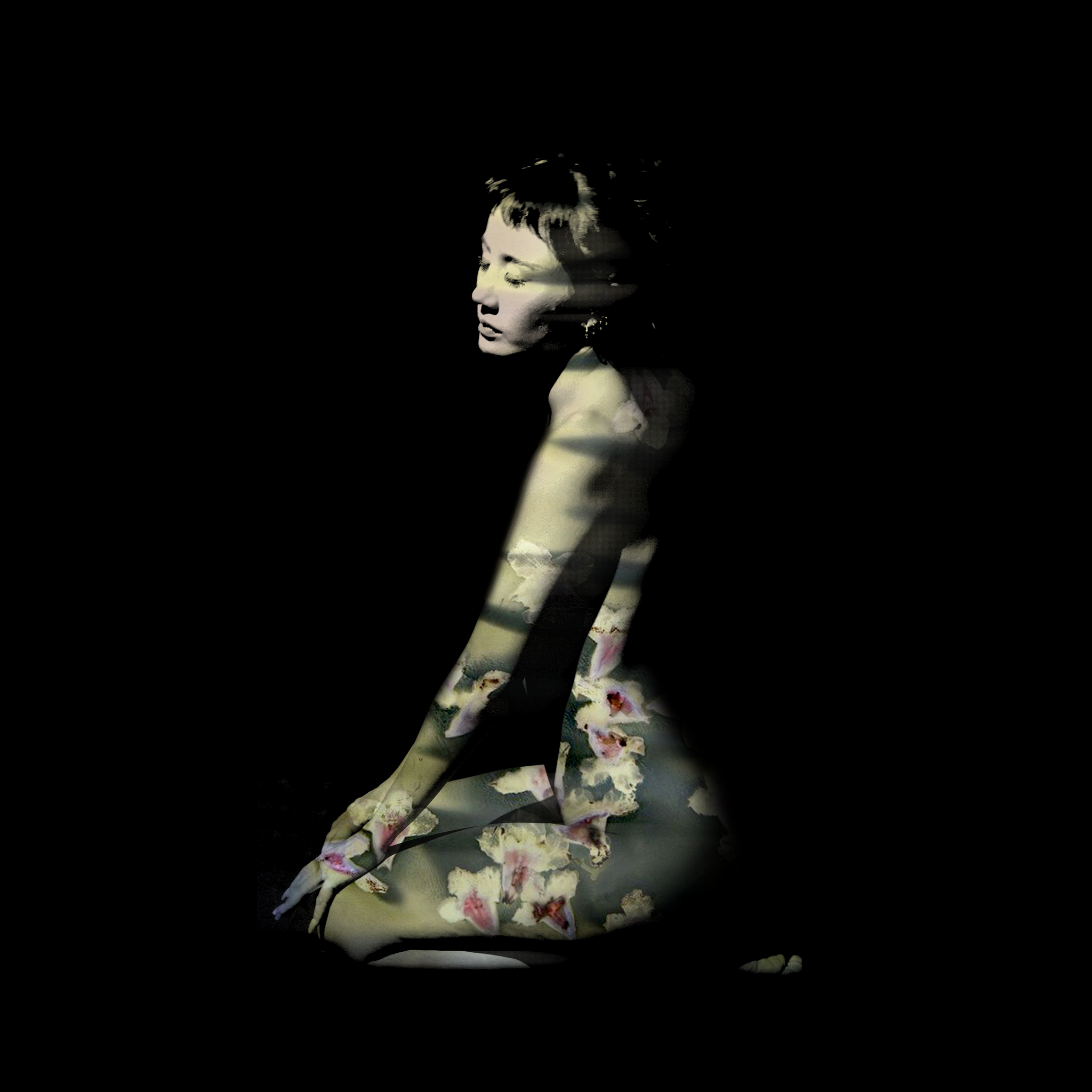
Growing up in Thailand exposed me to a blend of traditional culture, spirituality, nature and rapid modernization. I think my work exists in that intersection. I’m constantly exploring the relationship between ancient wisdom and contemporary technology, between urban life and the natural world. Those contrasts show up in both my music and visual work.
When did you first start to feel a draw to the Earth and the environment as inspiration for your music?
Nature has always been present in my life, but the shift became much stronger when I started diving and spending more time in the ocean. Seeing coral reefs up close changed me. It stopped being an abstract environmental issue and became deeply personal. I began wondering how music and storytelling could help people feel that same connection.
How would you describe your sound/genre of music?
I usually describe it as a blend of electronic music, ambient textures, organic field recordings, traditional instruments and my voice used as an instrument. Genre-wise it moves between downtempo electronica, ambient, experimental pop and melodic dance music. More than fitting into a genre, I’m interested in creating immersive worlds that people can step into.
Who are some of your biggest inspirations for your sound and storytelling?
My inspirations come from many places. Musically, artists like Erykah Badu, Björk, FKJ, Fourtet and H. Takahashi have all influenced me in different ways. Beyond music, I’m inspired by nature documentaries, indigenous knowledge, spiritual traditions and people working on conservation around the world. A lot of my storytelling comes from listening to communities and ecosystems rather than just looking inward.
Your single “Radio” was released this past Earth Day and “Crystalize” just dropped this past Monday. Both these tracks lead up to your upcoming EP “PAKARANG.” What does this project mean to you and what can audiences expect from it?
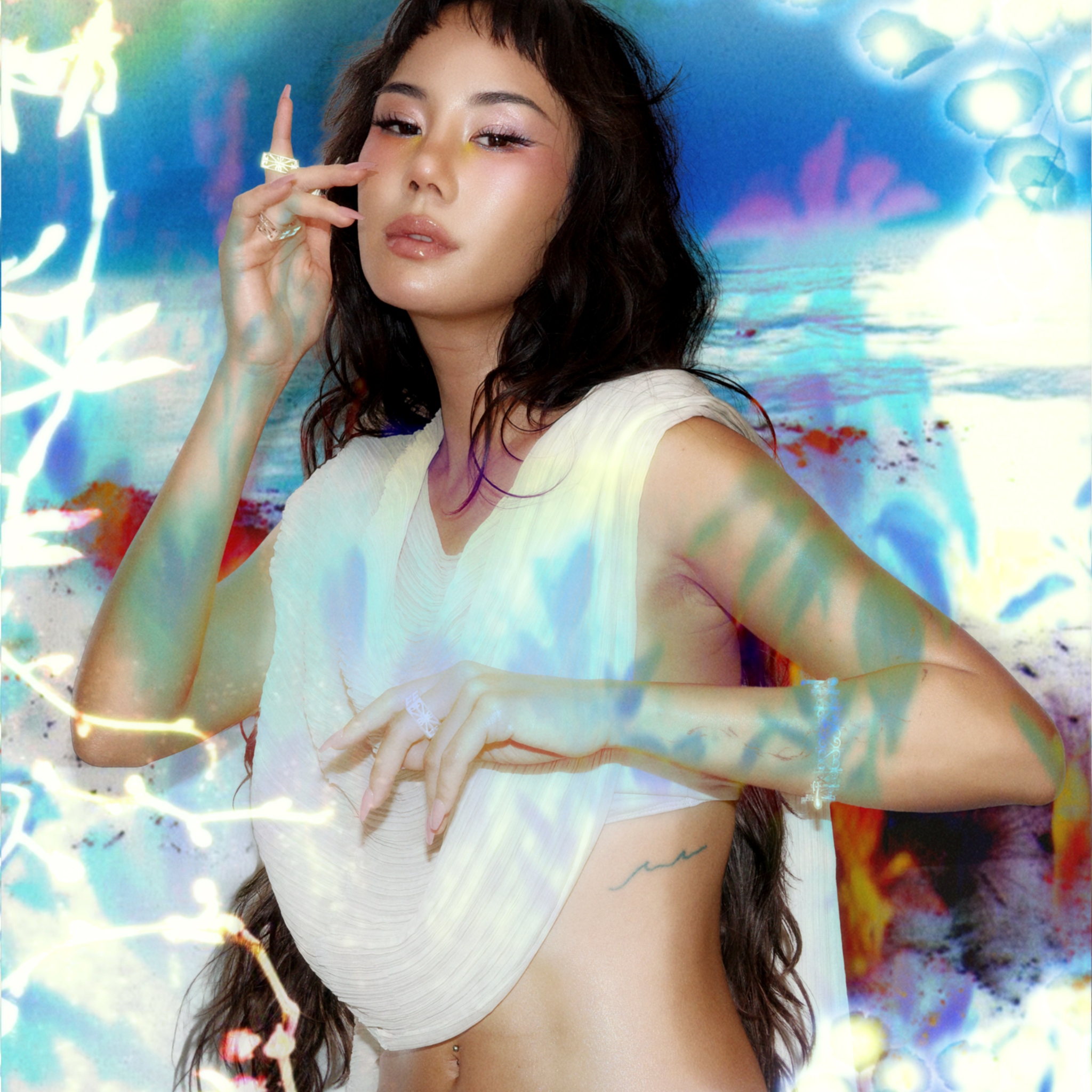
PAKARANG is probably my most personal project to date. “Pakarang” means coral in Thai, and the EP uses coral reefs as a metaphor for resilience, sensitivity, memory and transformation. The project explores the idea that strength doesn’t always come from force. Sometimes it comes from patience, adaptation and learning to move with natural rhythms rather than against them. Sonically, listeners can expect a blend of ambient textures, electronic production, ethereal vocals, field recordings and influences drawn from the ocean.
Your EP is titled after the Thai word for coral. What is it about the coral reefs and the oceans that inspire your art?
Coral reefs are extraordinary because they appear delicate, yet they build entire worlds. They are communities rather than individuals. They hold memory, support biodiversity and teach us about interdependence.
The ocean also reminds me of the inner world. It contains mystery, beauty, power and vulnerability all at once. A lot of my work explores that parallel between external ecosystems and our internal emotional landscapes.
I’m also working closely with many coral restoration initiative like Coral Gardeners, acting as their local ambassador.
How would you describe the relationship between humanity and nature? What can we do as humans to improve on that relationship in our daily lives?
I don’t think humans are separate from nature: we are nature. Many of our environmental challenges come from forgetting that.
Improving that relationship starts with paying attention. Spending time outdoors, learning where our food comes from, reducing unnecessary consumption, supporting local conservation efforts, and simply slowing down enough to notice the world around us can all make a difference. Connection often comes before protection.
Describe the creative process behind the music video for “Radio.” What were your non-negotiable ideas for this visual?
“Radio” explores communication beyond words, so I wanted the visual to feel dreamlike and symbolic. The entire video was created with a very small team, which meant we had to be resourceful and trust our intuition.
One non-negotiable idea was incorporating the ocean and a traditional Thai long-tail boat. Another was creating a character that felt connected to both humanity and nature. The costume included materials that had already lived previous lives, reflecting themes of transformation and renewal.
You are very passionate about the environment. What took you down this path?
It began with curiosity and eventually became responsibility. The more time I spent in ecosystems like coral reefs, mangrove forests and coastal communities, the harder it became to ignore the challenges they face.
I realized that as an artist I have access to audiences who may not engage with environmental science directly. That inspired me to use storytelling, music and visual art as tools to help bridge that gap.
It also tied to my spiritual journey.
We love that you started your own initiative! What is the mission and vision behind “High On Your Own Supply”? What inspired this project?
High On Your Own Supply started from a simple idea: helping people reconnect with themselves, their communities, and the natural world.
The initiative has supported youth sustainability programs, environmental education, community events and creative projects that encourage people to find inspiration without relying on external distractions. The name is a reminder that some of the most meaningful experiences come from within.
Can you tell us a little bit about your work with Coral Gardeners Thailand, UNDP and Greenpeace Thailand?
I’ve been fortunate to collaborate with organizations that approach environmental issues from different angles.
With Coral Gardeners Thailand, I’ve worked on ocean conservation awareness and community engagement around coral restoration. With Greenpeace Thailand, I’ve participated in campaigns and storytelling projects focused on marine conservation and environmental protection. Through collaborations connected to the UNDP, I’ve contributed to conversations around sustainability, youth engagement and creative approaches to environmental communication.
What ties all of these experiences together is the belief that stories can help people care.
What are your thoughts on how green Thailand is these days? What improvements would you like to see in the future?
Thailand has made encouraging progress, and there are many incredible people working in conservation, renewable energy and community-led environmental initiatives.
That said, there is still a lot of work to do. I would love to see stronger protection of natural ecosystems, better waste management systems, greater investment in environmental education, and more support for local communities that are already acting as stewards of the land and sea.
Can you tell us a little more about being a part of the storytelling community at National Geographic? How does that work? Can you tell us a bit about some of the exhibitions you have been a part of?
Working within the National Geographic storytelling community has been an opportunity to learn from photographers, scientists, filmmakers, journalists and explorers from around the world.
Recently I’ve been involved in projects documenting the Amazon and the Mekong through sound and immersive storytelling. I’ve also contributed to exhibitions and experiences that combine environmental themes with art, music and technology. What excites me most is finding ways to make complex environmental stories feel emotional and accessible.
You’ve mentioned that it is important to you to keep your merchandise production sustainable. Why is wastefulness a big problem in the music industry through factors like excessive vinyl production and consumption?
The music industry can create a significant amount of waste through merchandise, single-use event materials, shipping and overproduction of physical products.
I think physical releases can be beautiful and meaningful, but they should be intentional. Sustainability isn’t about eliminating creativity; it’s about asking whether we’re producing things because they have genuine value or simply because we’re expected to. Thoughtful production often leads to better outcomes both environmentally and artistically.
It has been a crazy last few years, and we expect at least three more. How do you stay positive in general about the unknown and motivated as an artist?
I’ve learned that uncertainty is part of the creative process. Nature teaches this constantly, nothing stays fixed.
Whenever I feel overwhelmed, I return to practices that ground me: spending time outdoors, diving, meditation, making music and connecting with people who inspire me. Focusing on what I can contribute today helps me worry less about what I can’t control tomorrow.
What can we expect next from you short term?
The biggest focus right now is the release of PAKARANG later this year. Alongside the EP, I’m developing immersive live performances, environmental storytelling projects and new field recording work connected to rivers, oceans and biodiversity.
I’m also continuing my work with conservation organizations and exploring new ways to combine sound, technology, and environmental education.
I will also begin bringing to life a new passion project and long-term vision: JAI~YEN, a platform dedicated to helping people cultivate calmness and reconnect with both nature and their inner landscape.
JAI~YEN will take shape through deep listening sessions, immersive expeditions, retreats and educational experiences designed to foster presence, reflection, and meaningful connection. In time, the vision will grow into a physical sanctuary nestled in the mountains of my hometown, Chiang Mai, Thailand, a place where people can slow down, listen deeply, and rediscover their relationship with themselves and the natural world.
What is your motto in life?
“Be the change you wish to see in the world.” — Gandhi
Stop complaining. Start doing.
We are not separate from nature, we are nature. The more deeply we connect with ourselves, with one another, and with the living world around us, the more naturally we feel called to protect it.
Change doesn’t begin somewhere else. It begins with how we choose to show up every day.
To learn more about NOTEP, please check out the links below:
Instagram: @notep
YouTube: @notepofficial
Spotify: @notep
Apple Music: @notep
Photography by Cyrus James Khan


Cristina Mittermeier and Paul Nicklen merge art and advocacy. Based in Vancouver, but having traveled across the world for their art, they dedicate their lives to conservation efforts through fine art photography. With their cameras they are able to capture the important stories of animals, nature, humans, and the climate crisis. Their latest exhibit, Hope and Reverence: Cristina Mittermeier & Paul Nicklen, was curated by Tiffany Benincasa and shown at C. Parker Gallery during Climate Week NYC. Notably, the ocean holds a special place in the pair’s hearts, which lead them to create the ocean conservation organization SeaLegacy. To learn more about Cristina Mittermeier and Paul Nicklen, read on.