
Preserving Nature is not an Option; it is a Necessity
How is Trump destroying the USA national parks and how can we try to protect them?
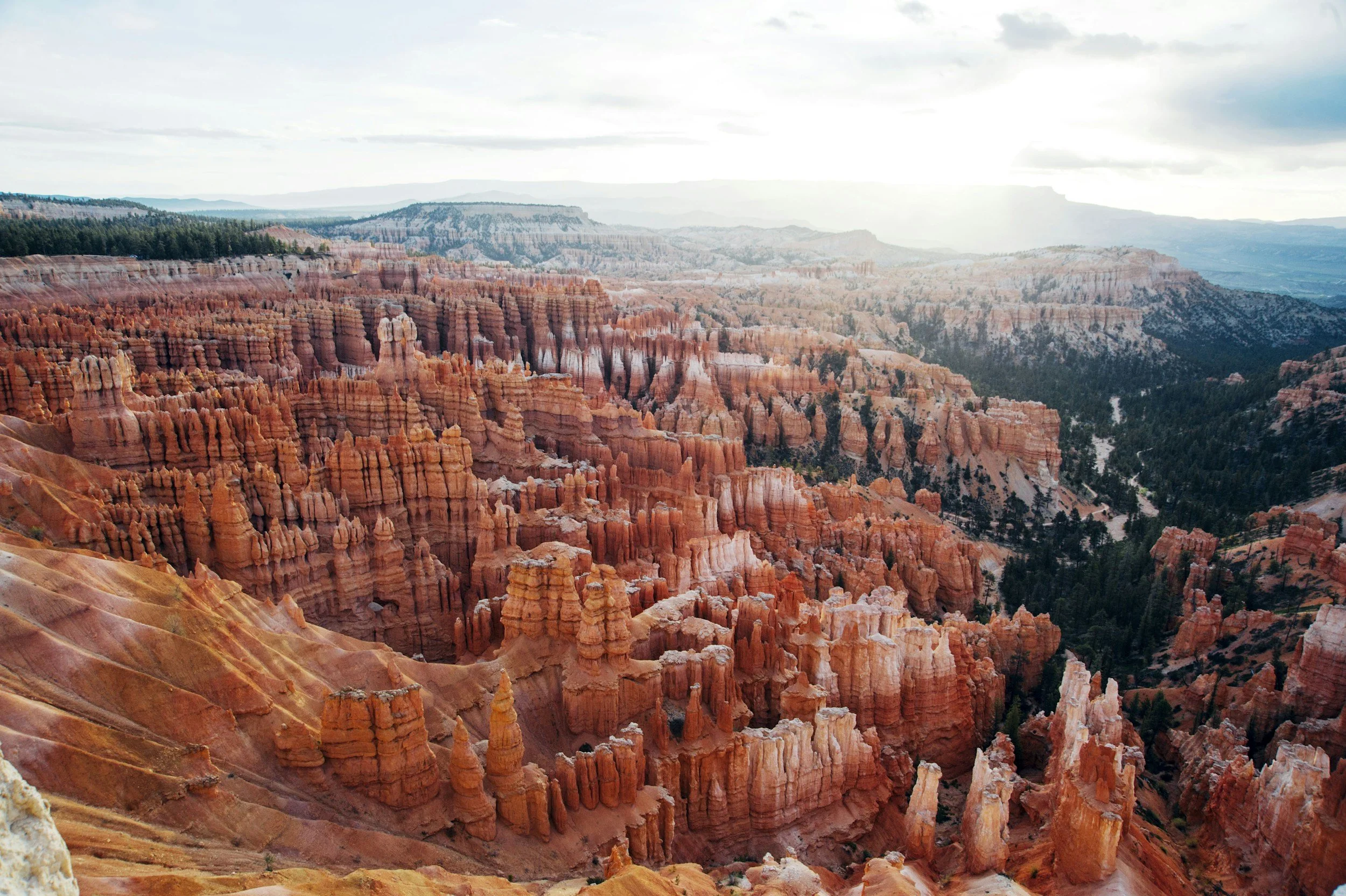
What is the point of making national parks more accessible if they aren't sustainable? In 2025 alone, the United States National Park System recorded 323 million recreational visits. However, as visits increased, there weren't enough staff to sustain such a system. Since Trump took office, it was reported that by mid-2025 the administration had dismissed nearly 1,000 NPS employees as part of a wave of far-reaching federal layoffs, all under the promise of "saving money."
According to CNN, as part of a strategy to make parks more accessible and appealing to tourists, restrictions such as bans on hunting and off-road vehicles, as well as fishing limitations, have been lifted in an effort to fill a park that lacks the means to sustain itself.
Among the primary concerns regarding the points mentioned above, it is impossible not to emphasize the alleged "cost-cutting" that is depriving parks of their routine maintenance. Why start with the National Park Service when, according to the Association of national park ranger, national parks account for less than one-fifteenth of one percent of the national budget?
Where is the money going?
Unfortunately, this problem is one that always speaks the language that benefits politics and those in power. An analysis by CNN revealed that, so far this fiscal year, "the government has redirected at least 30.5% of national park fee revenue to projects in Washington, D.C." While the capital is adorned with monuments, the ecosystems that sustain the country's environmental quality are deteriorating.
As part of the spending cuts aimed at park preservation, these parks have not only been reduced but have also been directly attacked. These ecosystems have thus become one of the greatest collateral damages of the construction of the US-Mexico border, and more than collateral damage, it could even seem like direct damage, since new “plans” under illicit pseudonyms emerge every day, such as the recent *Unleashing American Energy* plan, where the Bureau of Land Management is preparing to open millions of acres to oil and gas drilling—including lands adjacent to ten national parks—under the executive order “Unleashing American Energy.” Lands sold, excavated, and damaged to obtain what?
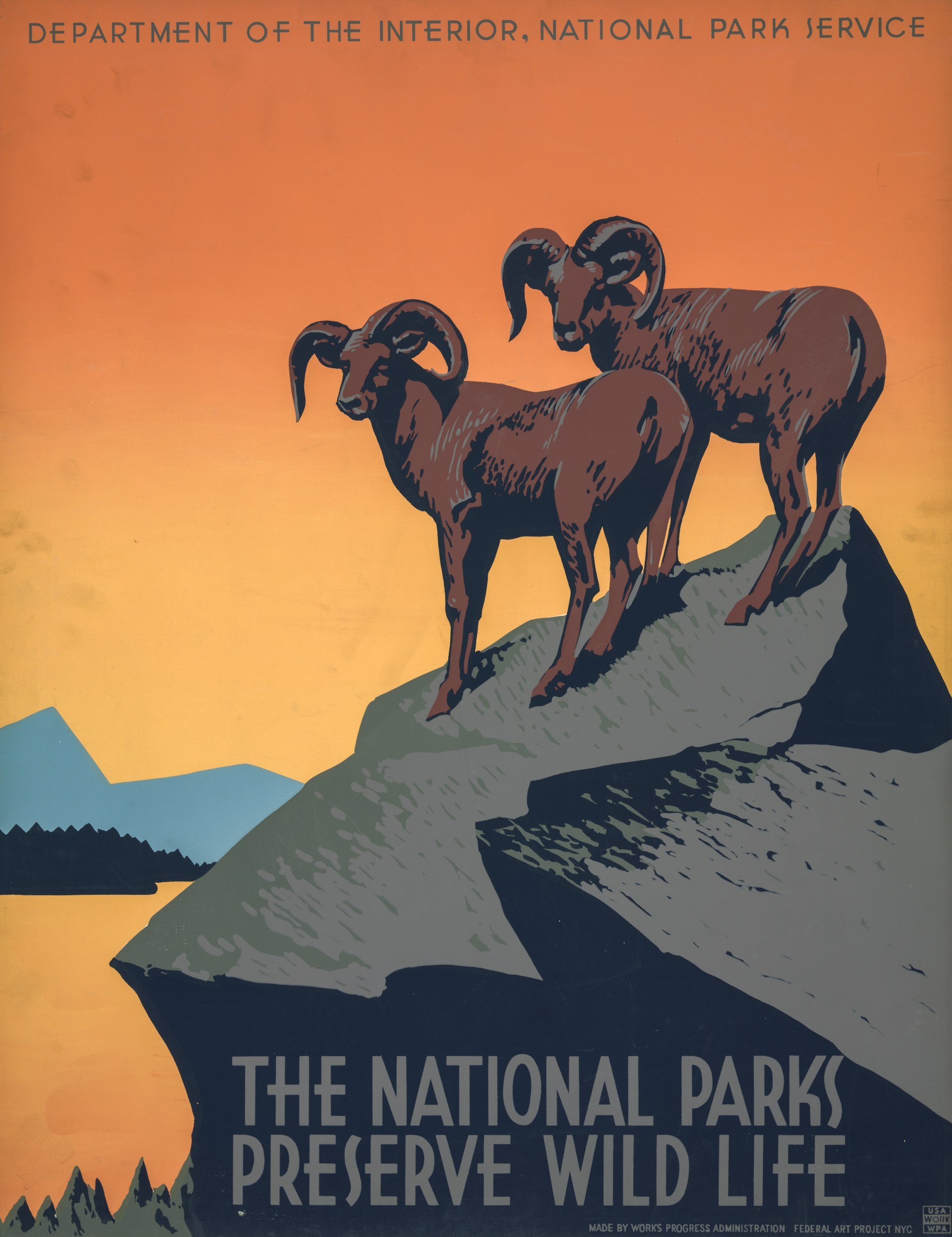
No wall in Big Bend!
Amidst the political discourse surrounding these issues, what is happening with Big Bend National Park? While lands belonging to other parks are being sold to major oil companies, Big Bend is directly threatened by heavy machinery. Although the park is located in Texas along the border with Chihuahua, Mexico, the government has designated it a zone of "high immigrant activity"—despite studies showing that Big Bend accounts for a very small percentage of total immigrant crossings along the U.S. southwest border (roughly 2% of crossings and about 0.045% of total regional apprehensions). Nevertheless, the decision was made to build part of the border wall there, thereby endangering the wildlife that calls the park home. Locals and park rangers interviewed by CNN state that the towering cliffs, rugged peaks, and harsh desert climate of the Big Bend region have long proven to be the best barrier the United States could have against Mexico.
For generations, the idea of building physical infrastructure to halt illegal migration was considered madness, as a former Big Bend National Park superintendent once remarked. By targeting national parks and slashing their budgets—parks that sustain entire ecosystems, livelihoods, and wildlife—the government has prioritized other needs over these vital areas, all while the cost of the wall separating the U.S. and Mexico has climbed to $46.5 billion.
However, amidst the chaos of uncontrollable events, there are always collective actions that drive significant change. To that end, I have compiled a list of actions—ranging from small to large—that we can undertake as a community:
Stay informed.
One of the simplest ways to raise awareness is to take responsibility for staying informed—researching various sources and articles to form your own well-founded opinion, rather than one based on misinformation.
Speak up.
What happens in the park shouldn't stay there! Talk to friends, family, acquaintances, or people on social media about what you’ve learned; the first step is always awareness.
Protest.
Attend protests to help generate greater visibility as a community! You can find information on these events at sites like the Sierra Club and Resistance Rangers.
Donate.
No donation is too big or too small! Every contribution is valuable; you can donate at sites such as: National Parks Conservation, National park trust, The Coalition to protect National Parks org, or America's National Parks.
Vote.
Your voice matters! Voting is another effective way to express your opinions and what you stand for; regardless of your circumstances, when you vote you are deciding to make a difference.
Ultimately, as I mentioned earlier, all change begins at the collective level, and there is no better witness to community life than parks; they are gathering spots that embody the warmth of social connection—the time spent with friends, family, loved ones, or four-legged companions. Let us approach these spaces and the people who care for them with mindfulness and consideration.


AI is an umbrella term for a group of technologies that processes information and can generate responses by mimicking human thinking. AI has been around since the 1950s, but the technology's capabilities were limited. Recent technological advancements relating to AI’s computing power and data have quickly made AI explode in popularity and use.