Reifier's Electronic Experimentation
Photo Credits: Soledad Violeta
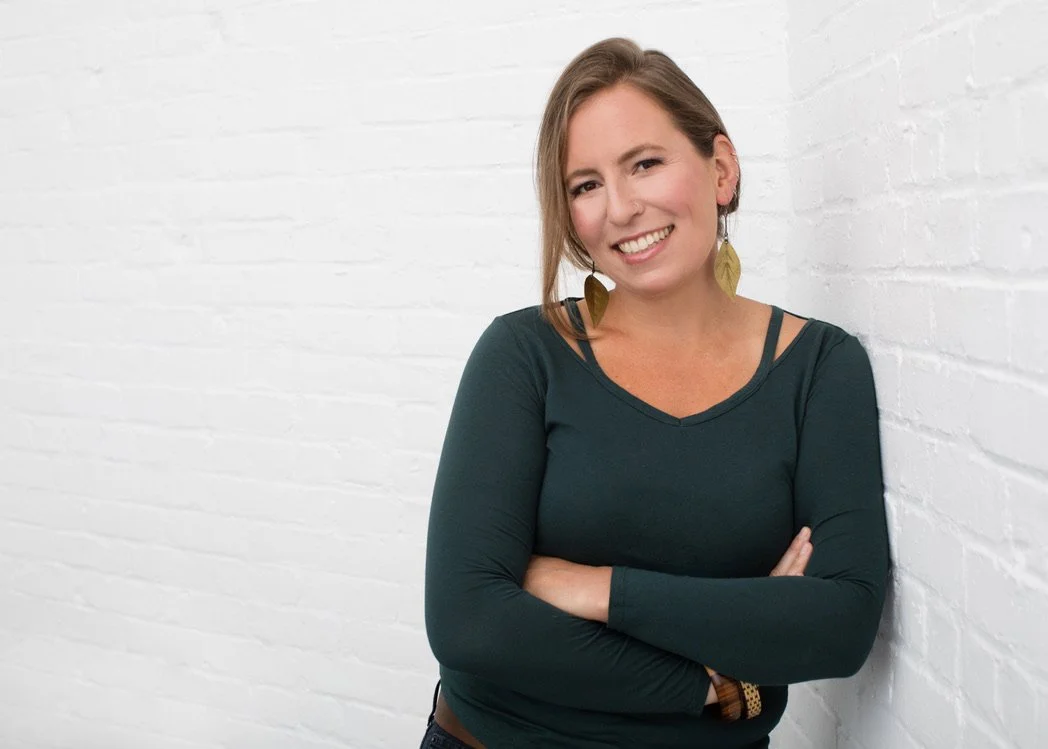
Multidisciplinary producer, composer, vocalist, and engineer Reifier just released their debut EP titled “The Unfolding.” The project is an experimental electronic journey that explores self-discovery and transformation. Dedicated to supporting women and LGBTQ artists, Reifier also co-runs a supportive music studio called Forastero Sound and Music. To learn more about Reifier and their new music, read on.
Where are you based?
I’m based in Mexico City, but I often go to London to play and work.
What inspired you to start creating music?
Growing up in a somewhat unconventional family really inspired me to start creating music. My father was a mime, my mother is a theater director, and my older siblings are musicians, so I grew up surrounded by theaters and concert halls. Being immersed in that environment from such a young age made me realize early on that I wanted to pursue music and theater. I started taking singing lessons as a child, and later, in my teenage years, I began studying piano and composition.
How would you describe the kind of music you make? Are there any artists or cultures in particular that influence your sound?
It’s always a bit difficult for me to describe the kind of music I make, because I try not to confine it to a specific genre. I prefer each track to develop its own identity and shape, allowing the creative process to remain intuitive rather than overly planned.
If I had to define it, I would describe it as experimental electronic music where digital elements coexist and contrast with more organic ones. My voice often plays a central role—not only melodically, but also as a textural element—and I frequently incorporate sounds created from materials like water, paper, or fire. I like to treat these sounds as raw material to build soundscapes, textures, and sometimes even instruments.
I’m also interested in moving away from conventional rhythmic structures. I enjoy working with irregular time signatures and uncommon meters—such as 11/4 or 5/4—not from a technical standpoint, but as a natural way to support the emotion and narrative of each track.
Even though my music doesn’t conventionally sound “Mexican,” my cultural background has been a strong source of inspiration, especially in my lyrics. I love describing images and sensations through words, something that feels very connected to the storytelling traditions I grew up with.
Congratulations! Your debut EP titled “The Unfolding” is out now. What was the inspiration behind this project?
The Unfolding was created over about eighteen months, and the main inspiration behind it was the idea of documenting a specific period of my life. Since it’s my first solo project, I wanted the EP to be exactly that—an unfolding of what I was experiencing during that time, both emotionally and personally.
In the past, with my bands, I worked on conceptual albums built around predetermined ideas, which I also really enjoyed. But this time I wanted the process to be freer and more intuitive, allowing the music itself to lead the way and reflect the highs and lows of that period.
Some of the songs, especially those connected to the dream world, also emerged through experimentation. For example, Dreamscape began as an improvisation without a metronome, and later I structured it in 11/4. Exploring unusual sounds—like paper, water, or other everyday materials—helped me create the surreal atmospheres that run through the EP.
In the end, the project became a reflection of transformation and self-discovery, and my hope is that listeners can immerse themselves in the music and find their own meanings and stories within it.
What are some themes we can expect to hear explored throughout the EP?
Many of the themes revolve around identity, self-discovery, and personal transformation. The EP reflects different emotional moments—both intimate and surreal—and explores the way memories, dreams, and everyday life can overlap.
I’ve always been fascinated by the oneiric world, so some of the songs approach dreams not only lyrically but also sonically. For example, certain tracks were created through improvisation and experimentation with unusual sounds and structures, which helped create atmospheres that feel a bit unreal, almost like moving through different scenes in a dream.
It has also been an exploration of my identity as an LGBTQ+ person. Through the process of writing and performing these songs, I’ve been able to better understand and express parts of myself, and that sense of vulnerability and discovery is very present throughout the EP.
The title track from your EP is deeply personal and reflects on your experience as a queer woman. How have your experiences as a queer woman impacted your music and the ways in which you choose to collaborate with others within the music industry?
Working on this EP helped me understand myself much more deeply, both through the process of creating it and through sharing it with audiences. When I started performing The Unfolding live, I began telling people that the song is about the moment in my life when I realised I was attracted to women. Hearing people respond with excitement or recognition was incredibly moving, because it showed me how powerful it can be when we speak openly about our experiences.
Over the past year, I’ve also been exploring my identity further, including leaning into a more non-binary and masculine gender expression. Something that I find beautiful is that my music seems to evolve alongside those changes. Even as I transform personally, when I listen back to the songs they still feel honest and true to who I am.
In terms of collaboration, these experiences have made me more intentional about creating and working within spaces that feel safe, open, and supportive—especially for women and LGBTQ+ artists. I think that kind of environment allows people to be more vulnerable and authentic, which ultimately leads to more meaningful creative work.
What do you hope listeners take away from your work?
The kind of art I enjoy the most is the one that feels like it accompanies you, but at the same time leaves space for imagination. I would love for listeners to feel connected to the lyrics and the sonic atmospheres, but I was also careful to leave room for their own interpretation. My hope is that they can fill those spaces with their own experiences and longings.
How does your process differ when creating a project collaboratively compared to completely solo?
It’s very different, and I think both experiences have their own challenges and their own advantages. I really enjoyed the process with my previous bands and learned a great deal from all the musicians I’ve collaborated with. In many ways, those experiences are what allowed me to make a solo record now.
Working alone was more difficult in the sense that I didn’t always have someone to consult when I felt stuck on something. At the same time, I really enjoyed being able to shape every sound myself without having to negotiate or check with anyone else.
Still, I’m fortunate to have people I trust, and throughout the process I was able to ask them for feedback, which made the whole experience much more enjoyable.
Photo Credits: Soledad Violeta
You co-run Forastero Sound & Music, a Mexico-based music studio dedicated to supporting women and LGBTQ+ artists. Can you tell us a bit about this studio and your involvement?
I am a producer and recording/mixing engineer there. I’m currently producing four different albums by female artists, and I’m really enjoying the process. The studio is fully professional, with a great team, and we have truly managed to make it a safe space for creating.
At Forastero Sound & Music, you regularly host courses and workshops aimed at empowering women and LGBTQ+ artists by teaching them practical techniques and tools to help them create more independently. Can you tell us more about these workshops and your involvement? What are some things you teach?
At Forastero Sound & Music, we regularly organize courses and workshops focused on empowering women and LGBTQ+ artists by giving them practical tools for music production, recording, and mixing, so they can create more independently. In this program, I work as a producer and audio engineer, teaching the fundamentals of recording, music production, Ableton Live, Pro Tools, and basic mixing techniques, as well as songwriting and vocal production.
These workshops are led together with my sister, Ximena Mor, who is a singer and vocal coach with more than 20 years of experience in vocal training and artistic direction. She teaches vocal production, performance, and toplining, while I focus more on the technical and production side.
The goal of the workshop is to create a professional and safe environment where participants can explore, experiment, and gain the technical autonomy that has historically been less accessible to women and gender-diverse artists.
Why is it important we create inclusive spaces like Forastero Sound & Music?
It comes from my own experience, and from stories that friends and colleagues have shared with me about their time in recording studios, where the environment often feels very technical, rigid, and not always creative or safe. Many times, these spaces can feel intimidating, especially for women and gender-diverse artists, and that can make it harder to fully express yourself.
For me, discovering the studio as a creative space was something incredibly powerful. I realized that recording and producing music can be a deeply artistic and inspiring process, not just a technical one. That’s why it’s important for me to help create inclusive spaces like Forastero Sound & Music, where people can feel comfortable, supported, and free to experiment.
I’m very passionate about sharing what I’ve learned with other artists and about building safe, collaborative environments where everyone can explore their creativity and develop their own voice.
What changes do you hope to see in the future regarding representation within the music industry?
I would love to see more representation across every part of the music industry, not only on stage but also in technical roles like production, recording, and mixing. Access to those spaces and skills allows artists to shape their work more independently.
I also hope creative environments become more open and supportive. When people feel safe and respected, they are able to experiment more freely and express themselves honestly. For me, representation is about visibility, but also about access, education, and community.
You’ve also created education art projects and have worked with non-profit organizations to address issues such as consent and gender-based violence. Can you tell us a bit about this work, the organizations, and what inspired you to get involved?
Yes, one of these projects is called Hablemos Fuerte y Claro, in which we brought a stage performance to schools to talk about sexual education and consent, with the goal of helping prevent sexual and gender-based violence. The project combined art and education as a way to open conversations that are often difficult to address in traditional settings, especially with young people.
I am also part of a collective of women in music where we work toward greater equality and representation in the music industry, advocating for gender parity in festivals, line-ups, and professional opportunities.
My motivation to get involved in these kinds of projects comes from the belief that art can be a powerful tool for social change. Through music, performance, and education, it’s possible to create awareness, start conversations, and help build safer and more inclusive environments.
What advice do you have for young girls wanting to pursue a career in the music industry?
My advice would be to try every role you feel curious about without being afraid of making mistakes or thinking that something is too complicated for you. The music industry has many different paths, and exploring them can help you discover what you really enjoy and where you feel strongest.
I also think it’s very important to develop the tools that allow you to be as independent as possible, whether that means learning production, recording, songwriting, or the technical side of music. The more you understand the process, the more freedom you will have to express your ideas.
And finally, choose carefully the people you work with. Try to surround yourself with collaborators who create safe and supportive spaces, and who encourage your creativity instead of limiting it. Feeling comfortable and respected makes a huge difference in how you grow as an artist and as a professional.
Are there any upcoming projects you are currently working on that we should be on the lookout for?
Right now I’m working on four amazing projects by female artists that I’m producing at the studio, and I’m really excited about all of them. I invite you to follow my social media and the studio’s accounts to stay updated about these releases and upcoming work.
I’m also currently working on new material for my solo project, Reifier, which will include new music and performances that I’m looking forward to sharing soon.
It has been a crazy few years, and we expect at least three more. How have you been staying positive?
I think that creating and being involved in social projects that I believe in helps me stay positive, even in the middle of all the chaos. Making music and working on initiatives that support other artists gives me a sense of purpose and keeps me grounded.
Sometimes I do feel frustrated, especially when I think about how much more there is to do, but I try to focus on the small changes I can make. For example, creating safe spaces for artists, collaborating with people who have something meaningful to say, and making music that can accompany others through difficult moments.
Focusing on those things helps me stay hopeful and reminds me why I chose this path.
What is your motto in life?
Create with purpose, collaborate with care, and make space for every voice.
To learn more about Reifier, please check out the links below:
Instagram: @reifiersounds
Instagram: @forasterosoundandmusic
Forastero Sound and Music
The Unfolding
Reifier’s Website
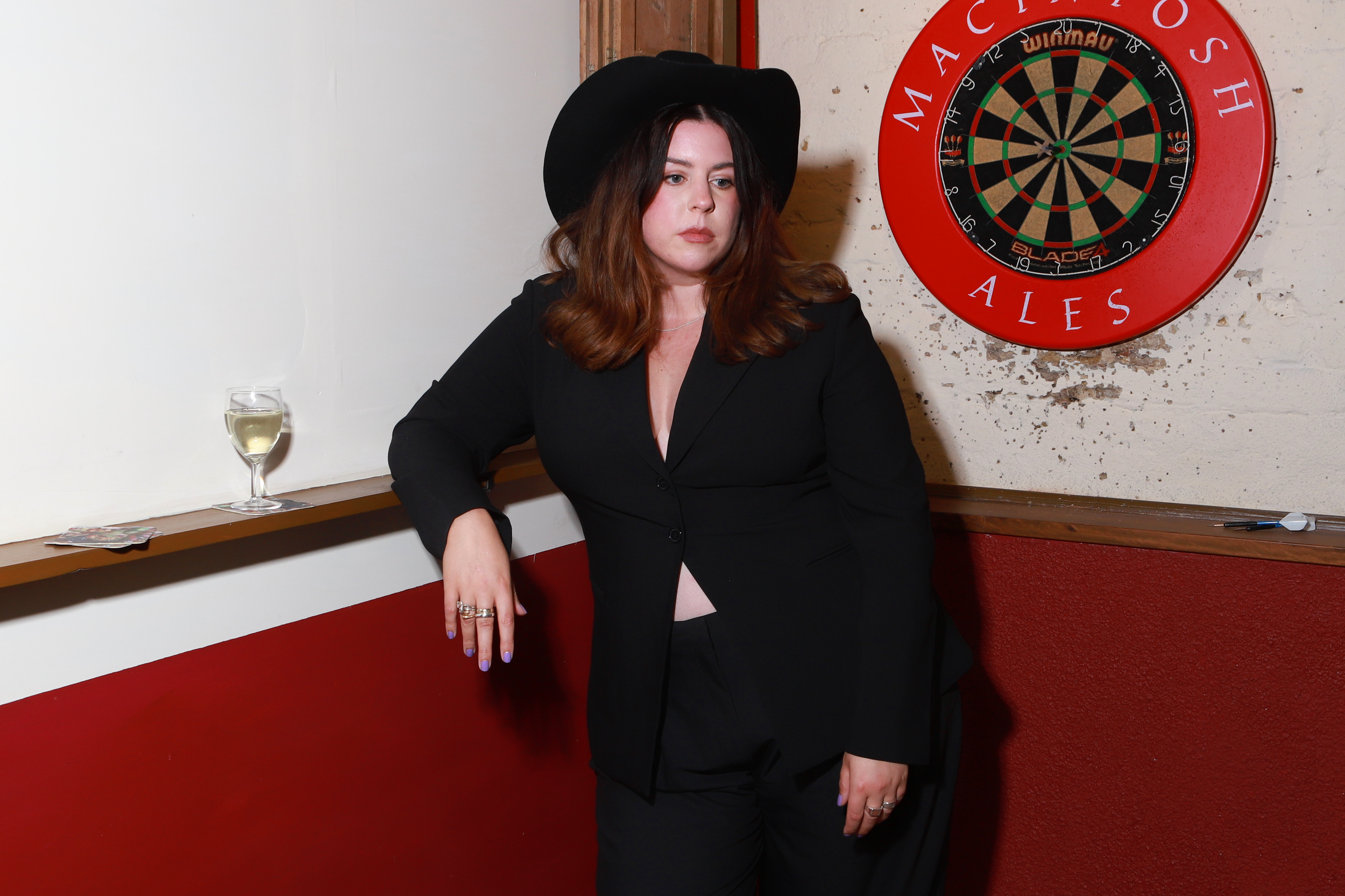
Bella Lam is a Tennessee girl through and through. She takes inspiration from her hometown, her parents and her favorite country music singers to create songs like “Bootfirst” and “Take It Out on My Guitar” that encapsulate all the powerful emotion country artists wrote about before her. She gives back to her community through charity shows and events, and makes sure she never forgets where she came from!