
The Neighborhood Bills - The Housing Crisis In The USA and Mexico
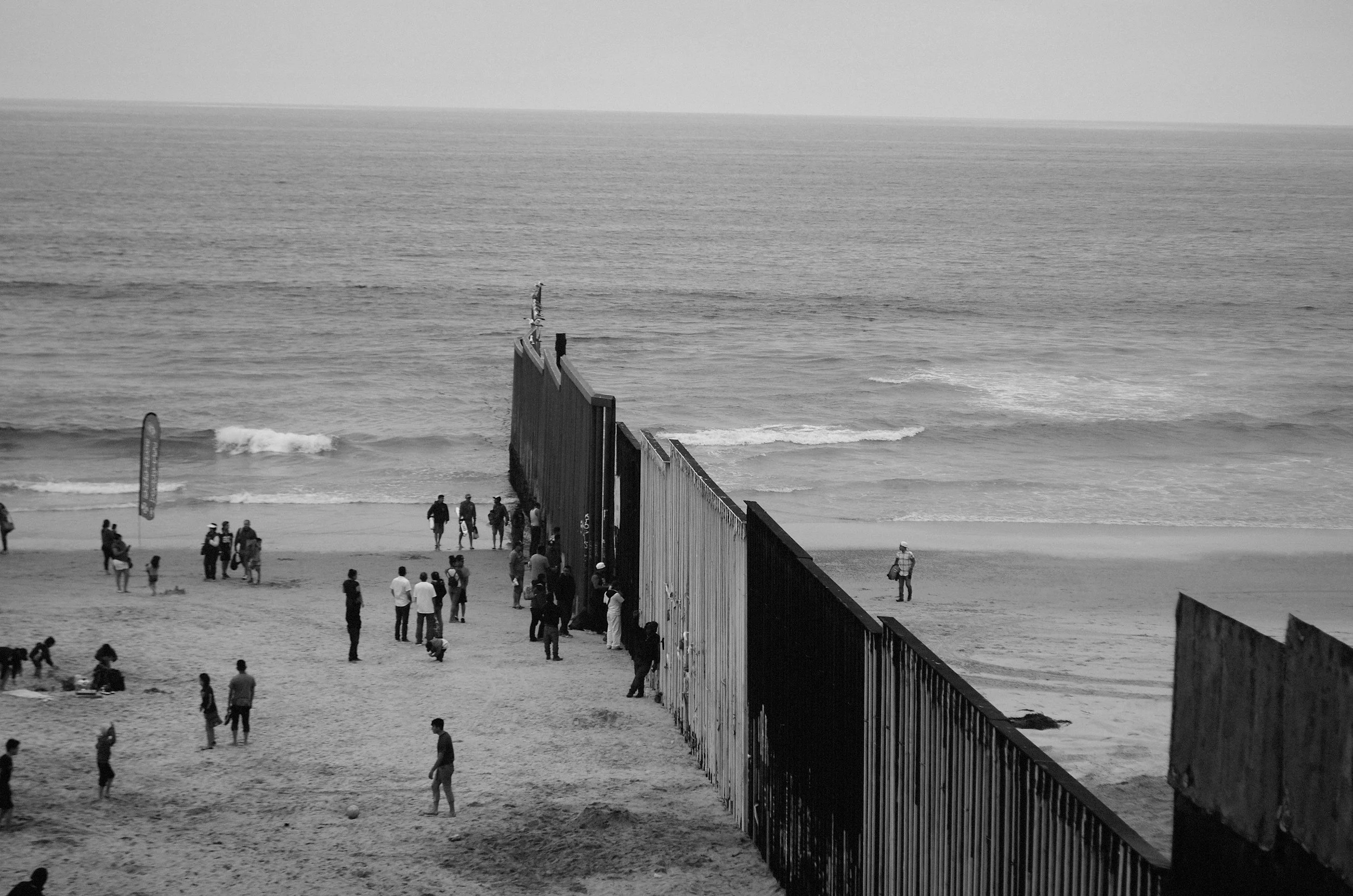
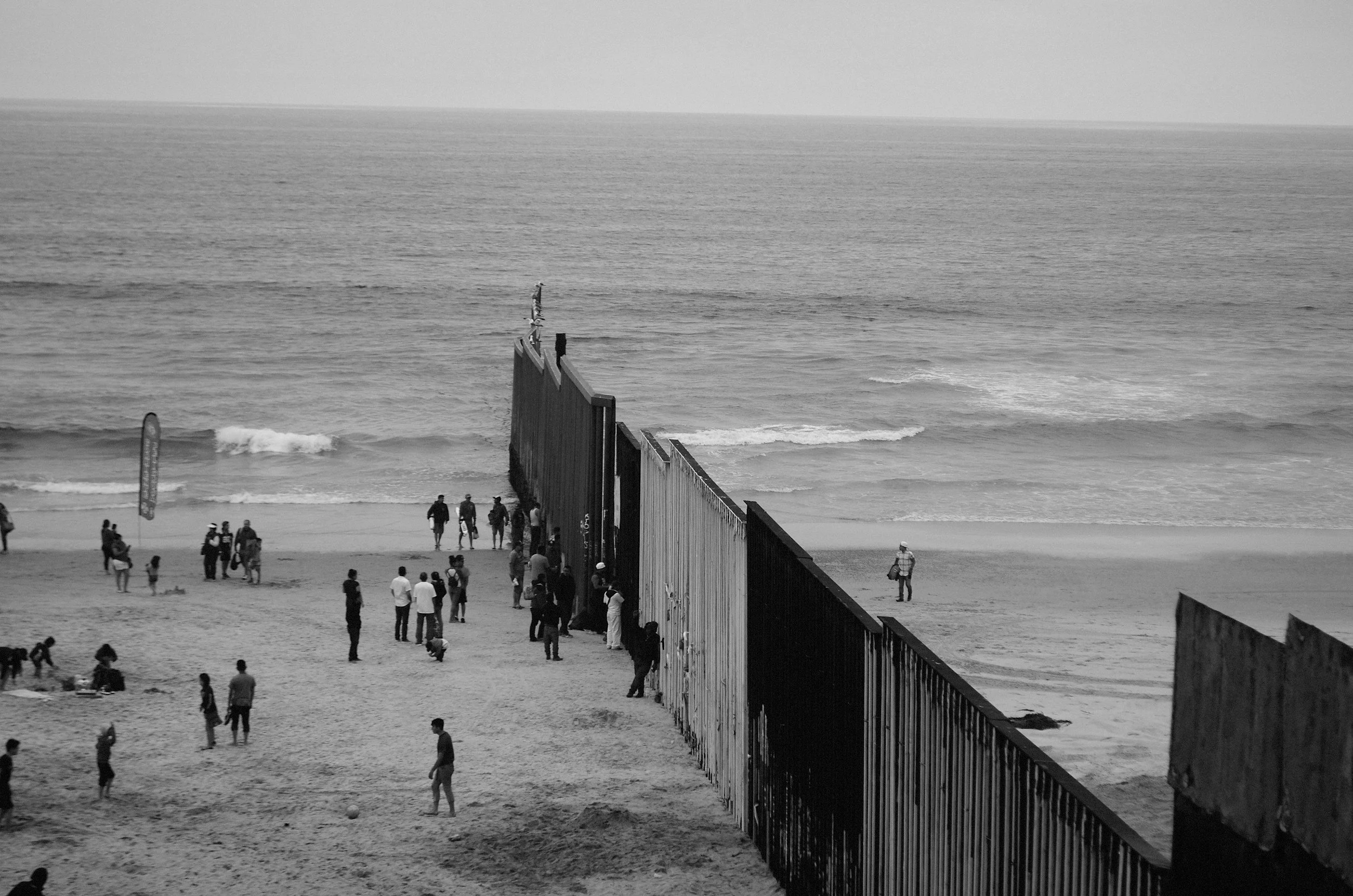
Tijuana MX , and US border.
Is it possible that two countries so close but so different could be sharing the root of the same problem?
One thing that's for sure in this modern era is that a nation's problem is a global problem. Modern individualism has trapped us in ourselves, our city, our country, and this has clouded our empathy for the outside world, making us lose sight of how similar the problems are that very different countries are facing; a problem that doesn't develop the same way everywhere, but undoubtedly stems from the same root: the housing crisis in the United States and Mexico.
The USA housing crisis
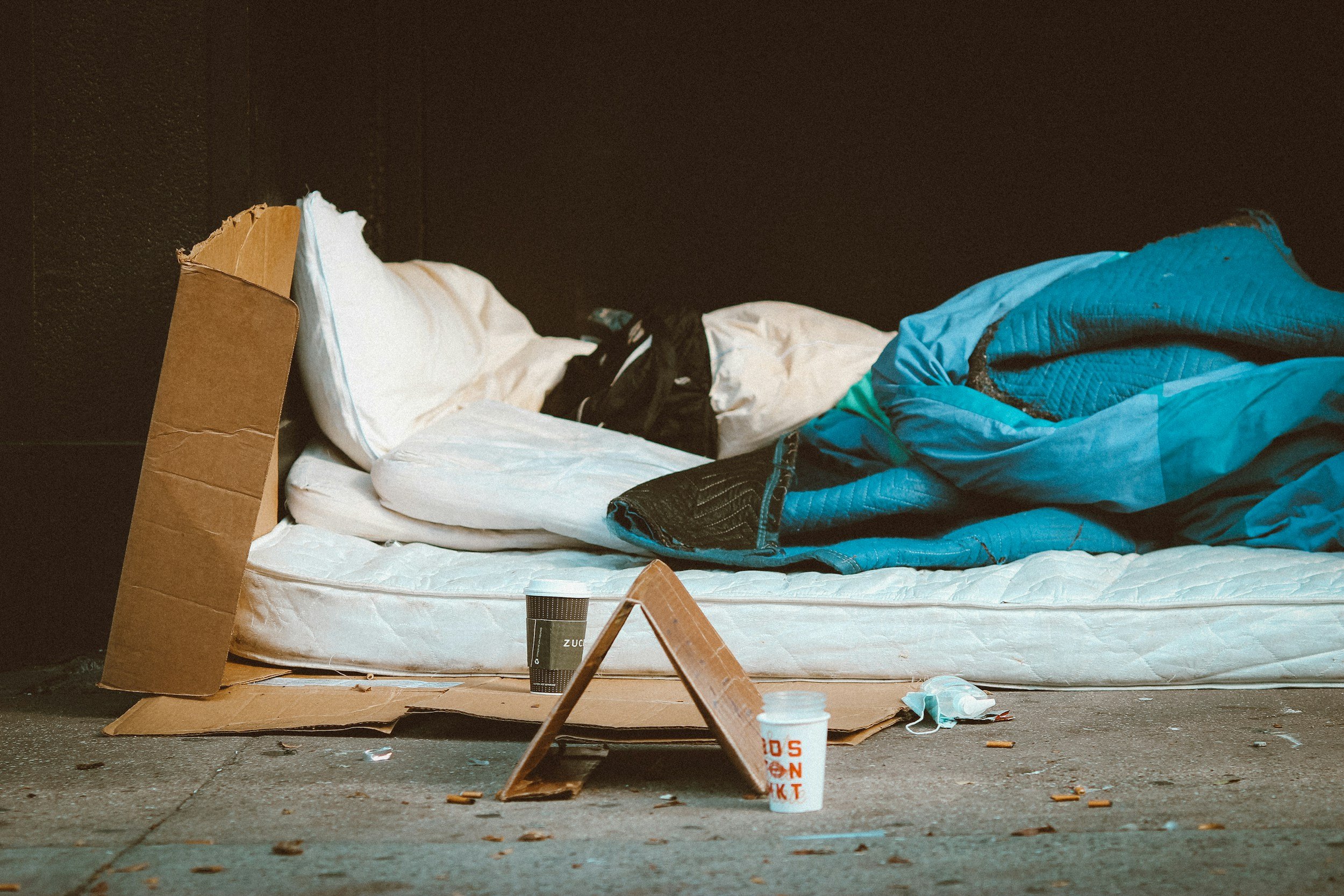
There is no place to live the “American dream” when bills increase and work doesn't pay as it used to. According to the North American Community Hub Statistics, since 2020, housing prices have increased 45.3 percent, more than 10 years of typical home value growth packed into five years. So if prices are rising, taxes are doubling, and housing maintenance costs are climbing, then who is buying all these houses? Or why are there no places to live? To understand this crisis we must analyze it from the root. According to the Independent Institute, the housing crisis in the United States traces back to the early 2000s, when home prices began rising faster than incomes, fueled by low interest rates, easy access to credit, and speculative investment in real estate. People with more capital started to treat housing as a stock, and those with less are marginalized to the streets, cars, or improvised housing. Suddenly, what needs to be a right turned into a privilege. This gives rise to a society in which, if the average American can buy a house, statistics show that the buyer is approximately 40 years old and that, in addition to the cost of owning a home, during this period of high price inflation there are increases in the costs of utilities, homeowners insurance, property taxes, repairs, renovations for working from home, homeowners association fees, and more. According to the Harvard Joint Center for Housing Studies, owners living in houses built before 1940 spent an average of $6,700 per year on improvements and repairs, around 50% more than those living in houses built in 2010 or later. As a consequence, those who cannot afford the down payment, monthly mortgage payments, and all other costs of owning a home must rent.
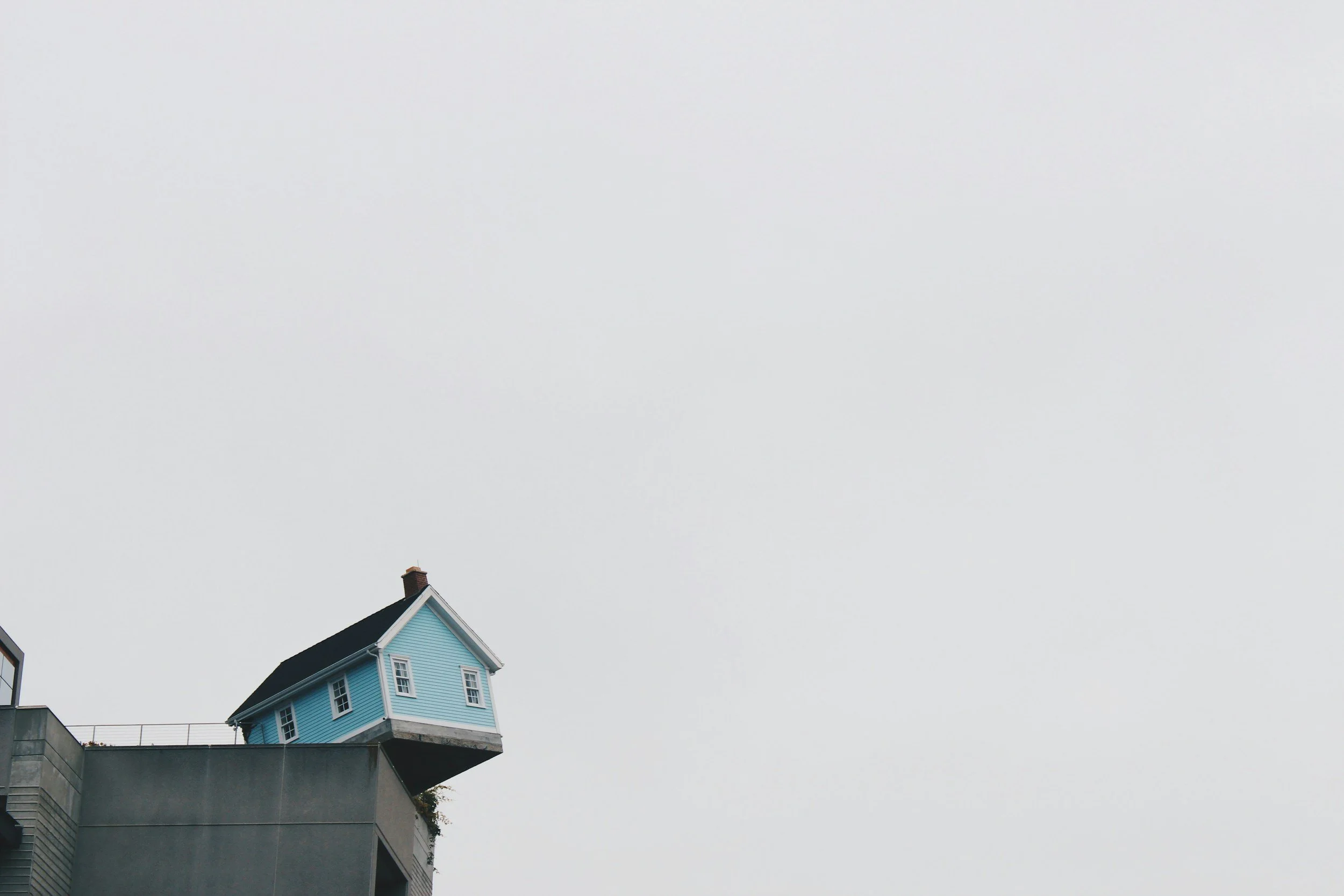
So, where do those who cannot join the house-buying game go? As housing becomes a privilege, there is definitely a line between those who can and those who are left out: the division between homeowners and tenants, creating inequalities that reshape our societies in profound ways. Shaping our relationships, our future, and our daily life. Resulting into a liquid society, because if you do not rely on a trust fund or inherited family wealth, there is no solid structure to support your future.
According to Census data, the United States has 146 million housing units. Of these, 8.1 million are “shared” households, meaning that people are sharing space with non-relatives. Therefore, supply and demand have an impact on rental prices. When demand exceeds supply, prices rise, and there is a lot of competition among tenants for what is available. New York is an excellent example of this. Rent there is so high because demand grows as the population increases. So this can also happen in smaller cities. As tenants move to them for the low cost of living or job opportunities, demand increases. And that brings me to the connection between Mexico and the housing crisis in the U.S.; the fact that living in the United States is so expensive pushes citizens toward the borders of the nearest and more affordable country.

Mexico’s gentrification housing crisis.
Just as the Mexican people have their own housing crisis and reasons, one that truly weighs heavily is the gentrification of the country. Not only in the most touristy cities but also in the border cities. Where are locals being pushed to after this gentrification crisis? Based on the Science Direct on social sciences, gentrification is being called for “the process of neighborhood transformation characterized by the influx of middle-class residents who replace or displace existing working-class residents, influenced by both economic and cultural factors”. This process can have both positive and negative effects, though negative outcomes are often more pronounced. We can see this epidemic mostly in all countries, but what's the difference in places like Mexico? Unlike first-world countries where gentrification focuses on “fancy neighborhoods” and specific areas, Mexico is going through a crisis that’s spreading more and more across the whole country. What started with foreigners moving to “La Roma Norte” (Mexico City) turned into outsiders with big pockets moving to small towns like Puerto Escondido, Sayulita, Puerto Vallarta, Valle de Guadalupe, and beyond. The difference with big cities like Mexico City is that the minimum wage is even much lower.
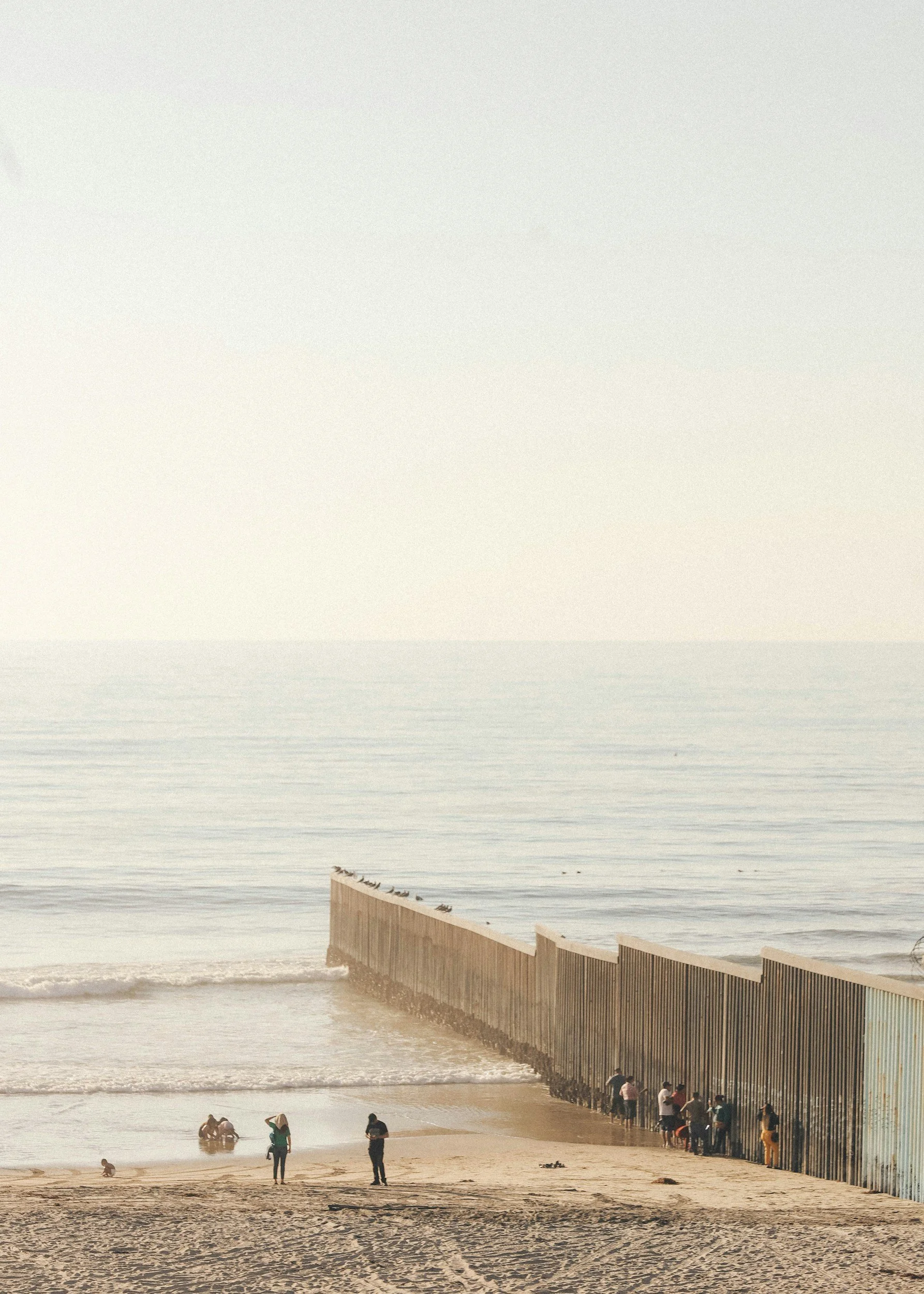
Playas de Tijuana MX, border with the US.
As someone who grew up in Tijuana, I can say that gentrification is so widespread that it has become completely normalized. It is no coincidence that Tijuana is one of the cities in Mexico with the highest homeless population; demand is growing, the population is increasing, and those earning a U.S. salary are the ones acquiring all the luxurious and beautiful homes. Locals can no longer afford housing prices and have to live on the outskirts of the city, where the areas are mostly neither safe nor designed for living. According to Gonzalez Lomelí, almost nine million homes in Mexico have conditions that do not comply with the standards: "they do not have adequate housing either due to a lack of services or because of their location. There are still housing developments on riverbeds or in ravines, high-risk areas," he explains. Just in October of 2025 Mexico experienced one of its strongest rainstorms, leaving five states of the country with a toll of 64 people dead, more than 65 missing, and at least 100,000 homes damaged, because of the risk where low cost houses are being placed.
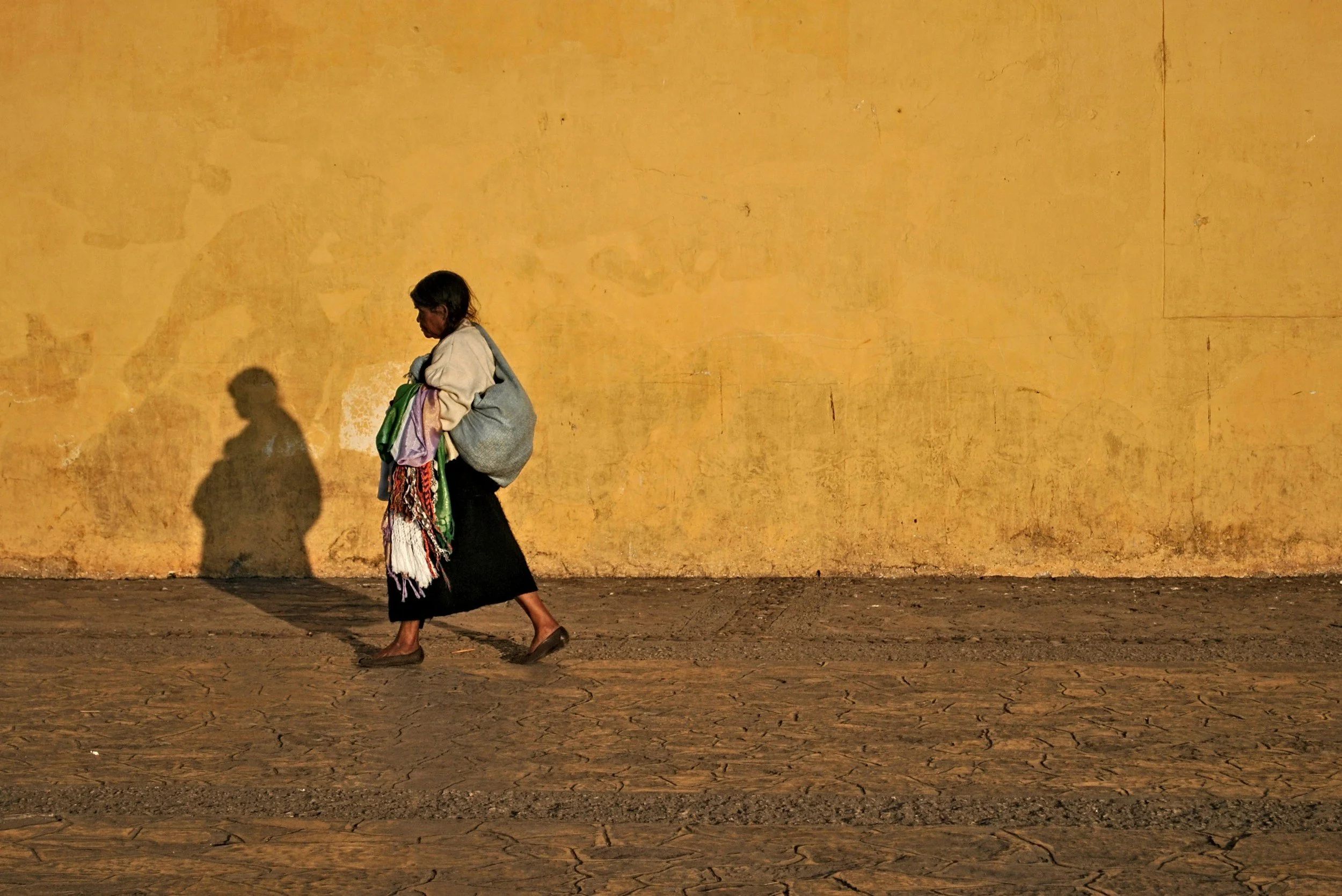
Beyond Gentrification
Thus gentrification is a big weight on Mexico's housing crisis, there are also other causes that need to be put into the picture. For example, as mortgage loans become complicated with rates that require proving income three times higher than the payment amount and interest rates above 10%, resulting in monthly payments of approximately 10,000 pesos (570.60 USD) for each million of loan over more than 20 years. According to the CMIC, "for a house costing two million pesos (114,120.00 USD) 20,000 pesos (11,412.00 USD) are paid, and an income of 60,000 pesos (34,236.00 USD) must be demonstrated” which is equivalent to seven minimum wages. In a country where, based on the Mexican Government's page, it consists of an average of $278.80 (15.96 USD) per day in the south of the country and $419.88 (24.03 USD) in the north.And this is just for the cost of finding a place to live in, as per studies by the Mexican newspaper “La Jornada” prove how now four out of every 10 people in the country spend more than 30% of their income on housing. Salaries are not increasing but rent does, there is no hope of what can the minimum salary rise in the next years, but as rent costs, we are more aware that it can easily rise from the 16% to the 50% in the next years. It is not surprising then, that a large proportion of young people have to indefinitely postpone the idea of having their own home, opting to rent or to continue living with their parents.
Another cause of this housing crisis is one that actually really matches with what I had previously mentioned in relation to the US: rich people treating houses like stoking. Over the last decade in Mexico, buying a home has stopped being seen just as a place to live and has become a financial asset. This shift has encouraged speculation and pushed out of the market those looking for a permanent home, favoring people who invest for savings or profit, regardless of whether the area provides conditions that align with their routine or not. Two separated countries facing a really similar crisis, why? Because both operate under the pressure of capital, and those marginalized who can't play the game of who gives more are pushed out to the street or shared homes beyond relatives: to makeshift homes that never really feel like their own.
Be on the good side of history
However, under the storm of a crisis, there is always a way to go through it, observe it, or point it out, as long as we do not stop looking at it and being aware of it not only as something individual. Finally, as is usually mentioned in Jejune, we must be on the right side of history, and fortunately there is a lot happening nowadays. As for the US there are multiple organizations that are making a change; some examples of them are the America's Housing Voices foundation, where those who own property rent at a much more affordable price or in some cases even for free, and within this platform you can also post requests for collective causes, as well as sign them. Among these foundations is also The National Alliance to End Homelessness, a nonpartisan, nonprofit organization dedicated to preventing and ending homelessness by combining advocacy, research, and community assistance.
And just like that there is also the World Habitat foundation, the Rebuilding Alliance and so forth…Not to mention the latest progressive candidates published in the latest issue of Jejune, such as Melat Kiros in Colorado, Stanford Fraser in Maryland, and David Orkin in New York, who have shown their focus on the right to housing.
As for Mexico, who is living on the right side of history? Fortunately, in Mexico there are organizations like Habitat for Humanity, which are part of the global Habitat foundation, and focus on being a nonprofit organization that promotes and works for the right to adequate housing as well as strengthening the community. Among these support networks is also Hogares Foundation, which focuses not only on providing homes to those who need them most, but also on doing so in a sustainable way since construction has a very large impact in the most polluting industries.And finally, among a variety of strong projects is Pro Vivienda, which focuses on providing a free permanent home and later offering permanent housing for marginalized groups
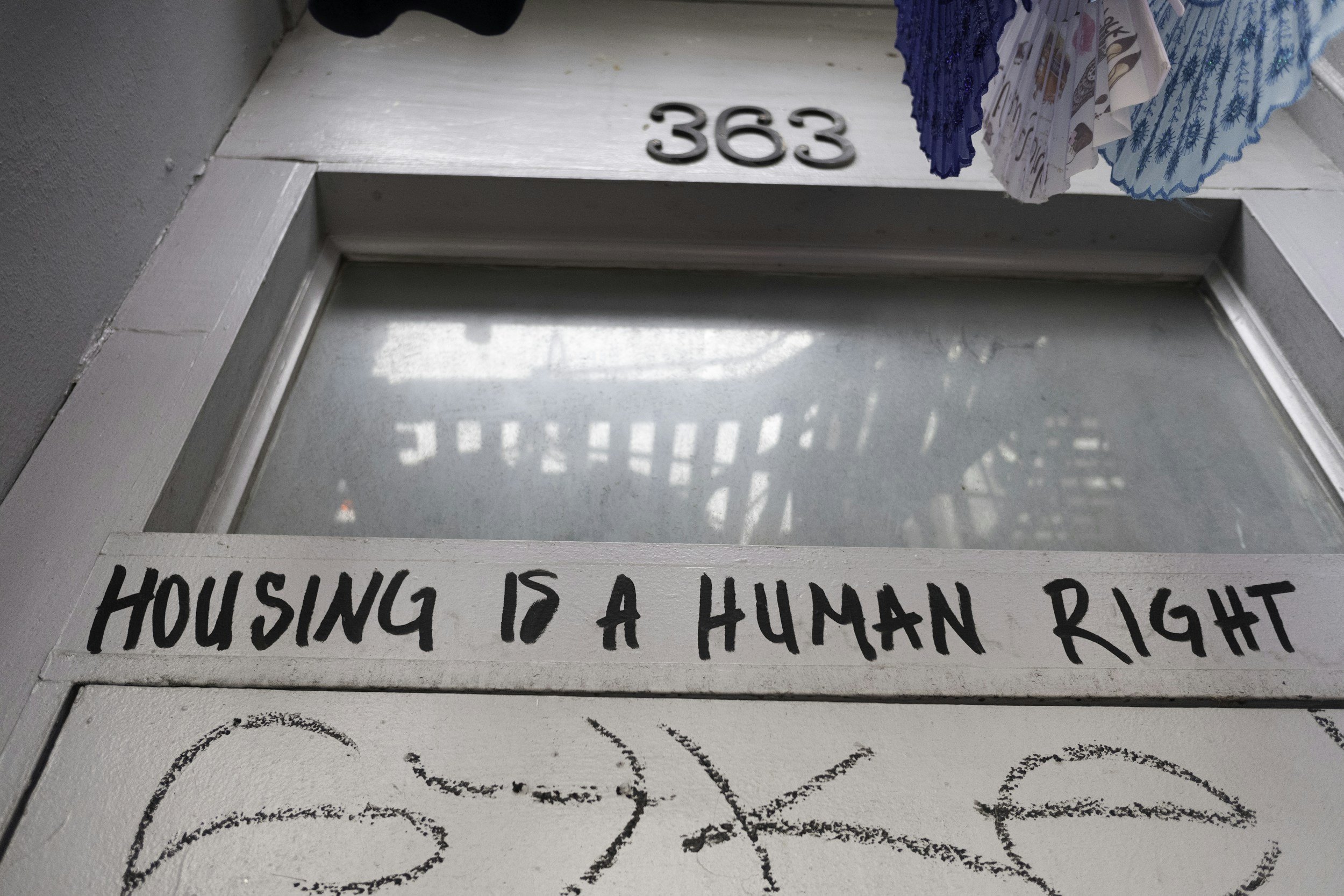
Looking beyond a single nation, we realized that something we observe in one country can also be a problem elsewhere, or simply very similar, and what did that take? Looking beyond what concerns us individually, because only then can we empathize collectively; because housing is an equal right, it is not defined by color, social class, or ethnicity, it's a matter of humanism.
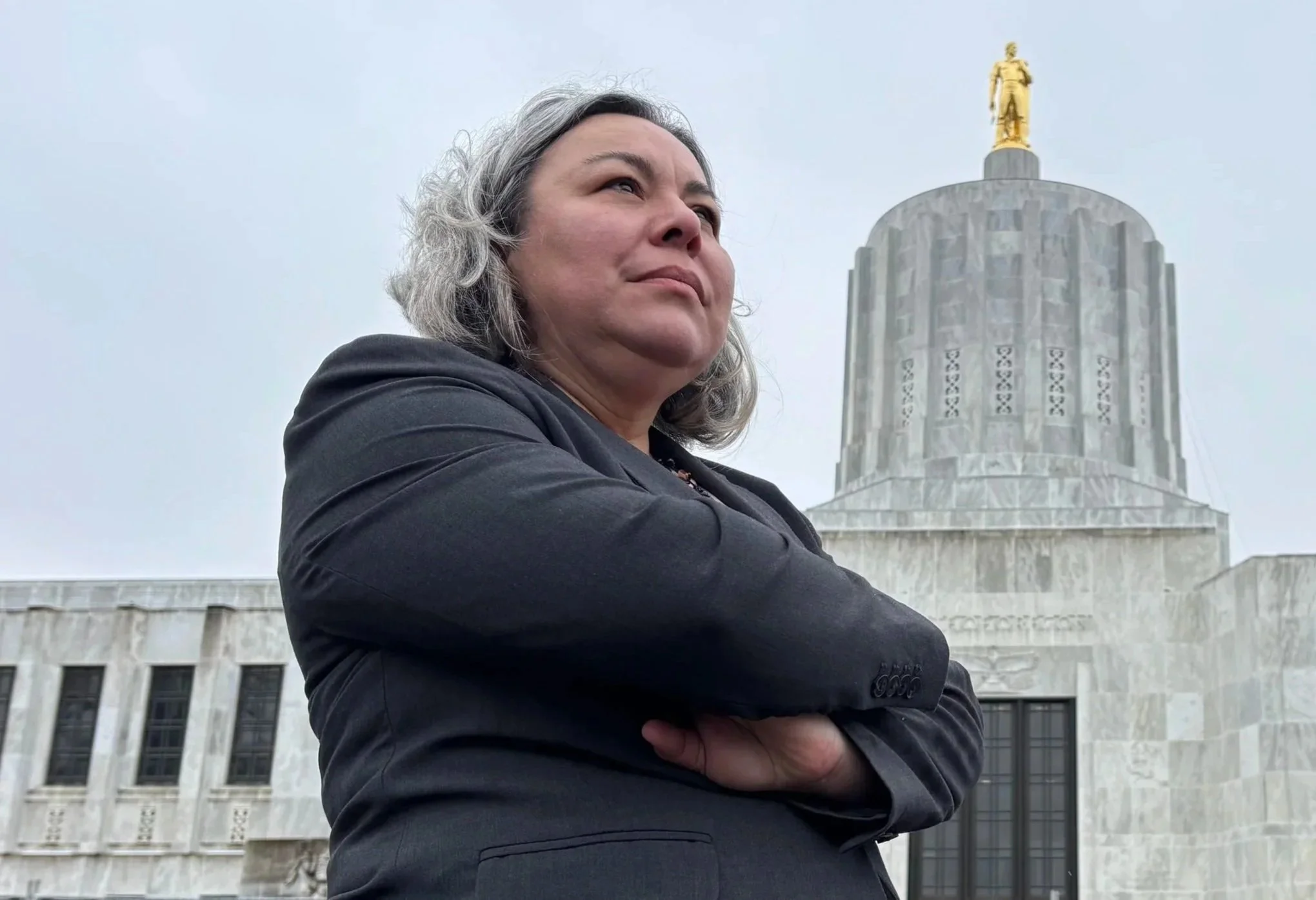
Angie Nixon (she/her), a Florida State Representative, is running of the Democratic nomination. There has not been a Democrat in the U.S. Senate from Florida since 2018. Angie is a Black millennial ally to and fighter for the LGBTQ+ community who advocates for economic justice for the working class: a $25 minimum wage, rent stabilization, curbing corporate purchasing of residential housing, protecting reproductive rights, Medicare for All, and universal childcare and Pre-K.
Angie co-wrote a children’s book with her daughter called The Adventures of Moxie McGriff to help her embrace her natural hair, which ultimately transformed into a movement to boost self-esteem in young Black girls. She co-founded the Melanin Market in Jacksonville, FL, to provide healthy food options in a food desert while supporting local minority-owned small businesses. Angie also owns a bookstore and coffee shop in Jacksonville called Cafe Resistance, which she specifically created to serve as a community hub, provide free tutoring, and proudly stock the books that extremist Republicans in Florida are trying to ban. In May of this year, Angie was reprimanded by the Florida State House because for protesting the racist new congressional voting maps and she is now being prosecuted by DeSantis for peacefully protesting these maps in his office after he refused to meet with her.