
The Slow-Travel Digital Detox: Intentionally Unplugging in the Middle of the Atlantic
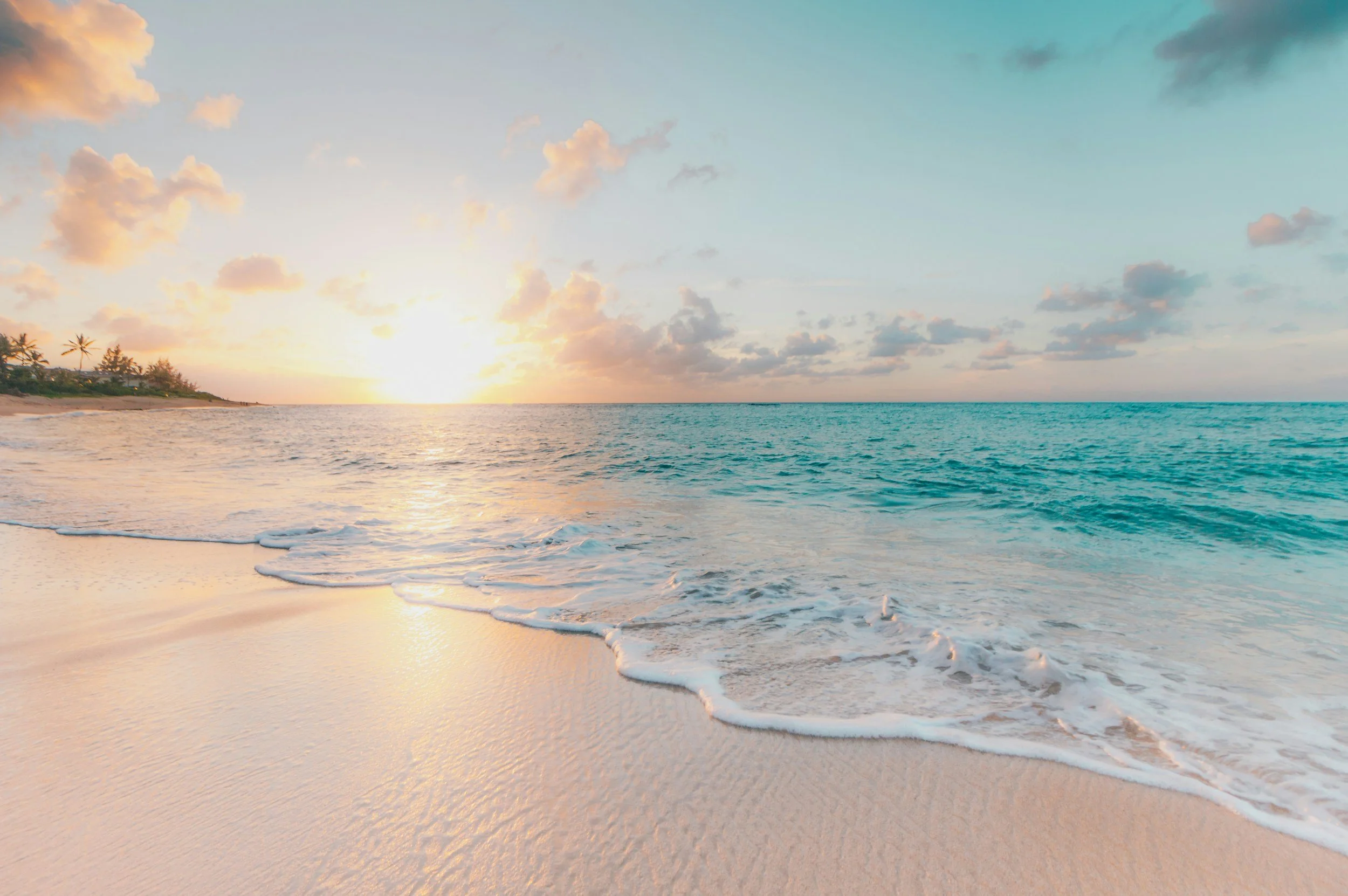
These days, it’s surprisingly easy to travel hundreds or even thousands of miles without ever really switching off. You may be on vacation, but your phone is still pinging with emails, social media notifications, and group chat messages that somehow can’t wait until you get home.
This is exactly why slow travel has become so appealing, and few scenarios make that easier than being in the middle of the Atlantic.
And if you’re new to the concept of slow travel, it could just be the most rewarding travel experience you’ve had to date.
The Link Between the Ocean and Your Mind
The American Psychological Association found that close to 65% of American adults believe that unplugging on a regular basis is good for their mental health. Sadly, though, fewer than 30% actually make the time to do it. This is where the ocean comes in.
There’s something about being surrounded by an endless body of water that shifts your perspective. Without the temptation to squeeze another activity into your day, you’re given something that’s become quite rare: permission to slow down.
Sea days have a wonderful way of reminding you how enjoyable doing very little can be. You can finally finish that novel that’s been sitting on your nightstand for months or grab a guilt-free nap.
Some travelers believe limited Wi-Fi is a drawback of being out on the ocean, but it’s actually one of the biggest advantages. When there’s no pressure to constantly check your phone, it’s much easier to be fully present. That’s why people browsing Bahamas cruise offers are often surprised to discover that the destination isn’t the only highlight of the trip.
These benefits aren’t just hearsay, either. Researchers analyzing around 15,000 recreational visits to blue spaces across 18 countries found that spending time in environments where water is the defining feature had a strong link to improved mental well-being.
Embracing the Slow Travel Digital Detox
A digital detox doesn’t just happen automatically because you’ve found yourself on a cruise ship or close to the beach. It requires some intention and effort to break your usual patterns.
One of the simplest ways to embrace slow travel is to stop treating every moment as something that needs to be documented and shared. Instead of immediately reaching for your phone to capture the sunrise, make a point of experiencing it fully instead.
It also helps to set a few boundaries before you depart. Consider turning off any non-essential notifications, limiting when you check your messages, or even leaving your phone in your cabin or hotel for a few hours every day. You don’t have to go completely off the grid to detox. Instead, it’s about creating more uninterrupted pockets of time.
This is the perfect opportunity to rediscover passions and hobbies that usually get pushed down the list. Maybe that’s working on a writing project, learning something new, or picking up some knitting needles. What matters is that your phone isn’t going off next to you while you do it.
You don’t even need to do anything at all. You can simply watch the waves, spot a few seabirds, or strike up a conversation with a fellow traveler over coffee.
Bringing the Habit Home
While you might not be able to be at the ocean all the time, you can hold on to the habits that made you feel calmer and more present. You now have the option to be more intentional about when technology adds value and when it’s only competing for your attention.
This could look like setting your phone aside one evening a week, taking a walk without bringing a device with you, or setting boundaries about when you’re available to respond to work emails and messages.
By embracing this slower pace while you’re at sea, and bringing some of these habits home with you, your vacation can have a much bigger impact in all the right ways. The great memories are just an added bonus.


What is the point of making national parks more accessible if they aren't sustainable? In 2025 alone, the United States National Park System recorded 323 million recreational visits. However, as visits increased, there weren't enough staff to sustain such a system. Since Trump took office, it was reported that by mid-2025 the administration had dismissed nearly 1,000 NPS employees as part of a wave of far-reaching federal layoffs, all under the promise of "saving money."