
Eco-Friendly Hobbies to Appreciate and Protect Nature
While spending time outdoors helps you appreciate the environment, some activities take that connection a step further. The best eco-friendly hobbies support wildlife, reduce waste or improve local green spaces, giving you a creative and rewarding way to spend your free time. Whether you have a backyard or a balcony, there are many ways to make a positive impact.
Create a Pollinator Garden
A wildflower bed provides shelter and food for bees, butterflies and other beneficial insects. Even a few native flowering plants in pots can make a difference if you have limited space.
Seasonal blooms provide a steady source of nectar and pollen, and native plants typically need less water, making them low-maintenance. Since pesticide use and habitat destruction have threatened wild bees in North America since the 1960s, providing safe food sources can help restore pollinator populations near you.
If your local regulations allow and you want to expand your flower garden hobby, you can try your hand at beekeeping to restore natural bee populations. Your hive can include Wi-Fi bee cams so you can monitor it.
Turn Kitchen Scraps Into Compost
Composting transforms fruit peels, vegetable scraps, and ordinary cardboard or leaf cuttings into nutrient-rich material that boosts soil health. It’s a simple way to reuse household waste while helping your garden thrive.
Healthy soil supports stronger plants, improves water retention and reduces the need for synthetic fertilizers. Since roughly 33% of the world’s soil has degraded, returning organic matter helps restore its quality.
Even if you live in an apartment, a compact composting system can make the process manageable. Use the finished compost in container gardens or donate it to community gardens and urban agriculture projects.
Volunteer for Community Cleanups
Try events in your area that improve nearby parks, trails, beaches and neighborhoods. Since they bring people together around a shared purpose, it’s a terrific way to help the environment and meet people.
Besides removing litter, you’ll spend time outdoors and get some gentle exercise. Cleanup groups may also organize tree planting, habitat restoration and educational events that strengthen local conservation efforts.
Part of that initiative can include sharing information on the steps required for waste recycling and collection, which helps community members sort trash before it hits landfills. Begin with your home recycling station for plastics, glass and paper. When you travel, take sustainable choices and habits with you to campgrounds.
Press Flowers Into Handmade Art
Flower preservation combines creativity and sustainability by giving ethically sourced blooms a second life instead of sending them to the compost pile. Pressed flowers can decorate greeting cards, bookmarks, framed artwork, journals or gift tags.
Making your own cards also reduces the need for commercially produced cards, eliminating packaging waste. All you need to start are a few heavy books and sheets of newspaper or wax paper to place the blooms between.
Become an Upcycler
Upcycling gives unwanted items a new purpose rather than sending them to landfills. Old clothing, furniture, jars, wood, and fabric scraps can become practical household items or thoughtful handmade gifts.
Clothing and textiles account for over 7% of all waste in landfills. Since textile litter is an environmental challenge, clothing repairs and creative reuse are worthwhile hobbies. You can turn old jeans into tote bags, transform glass jars into planters or repaint furniture instead of replacing it.
You can help eliminate the leftovers and environmental damage from textile manufacturing, dye pollution and garment production. Beyond reducing landfilled clothes and textiles, upcycling lets you create one-of-a-kind pieces that reflect your own style.
Make Nature Part of Your Routine
The most rewarding eco-friendly hobbies become a natural part of your lifestyle. You might spend weekends birdwatching, maintain a compost bin year-round or create handmade gifts from pressed flowers. Every small habit supports healthier ecosystems while you build a stronger connection with the natural world. Over time, those individual actions add up to meaningful benefits for your community and the environment.
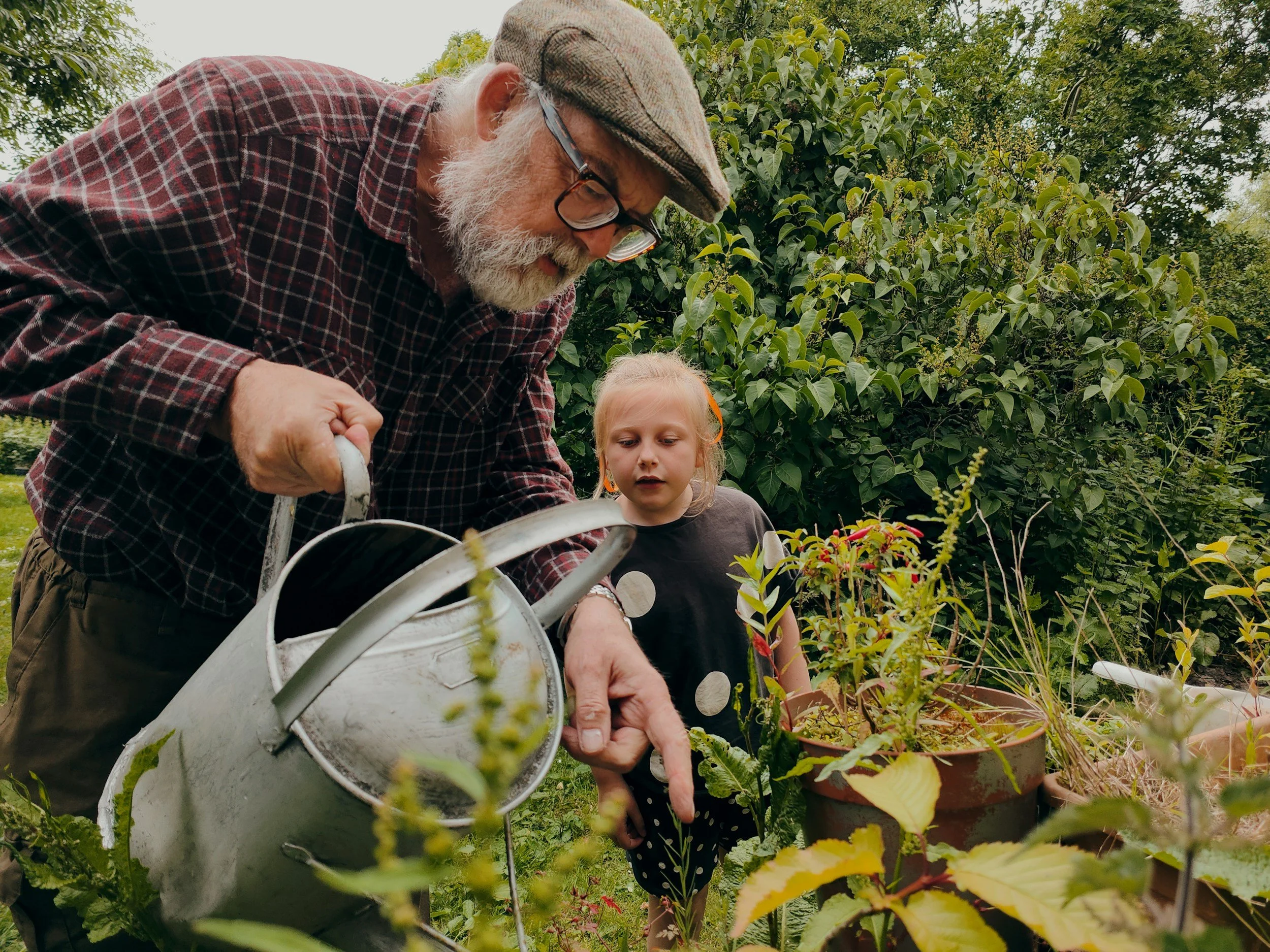

A low-waste lifestyle grows through practical habits that fit your daily routine. Clear goals and time frames make progress easier to see and easier to maintain. These seven challenges can help you reduce waste in measurable ways while creating low-waste habits that feel realistic and rewarding.