
Our Favorite Progressive Candidates in 2026 - Tina Nakada Grandinetti, Hawaii House of Representatives District 20
Hawaii is known for being one of the most progressive states in the country, but even there, progressives have had to fight their way into the state legislature to ensure equitable representation of all groups and to push progressive policies to move Hawaii forward and better the lives of everyone who lives there.
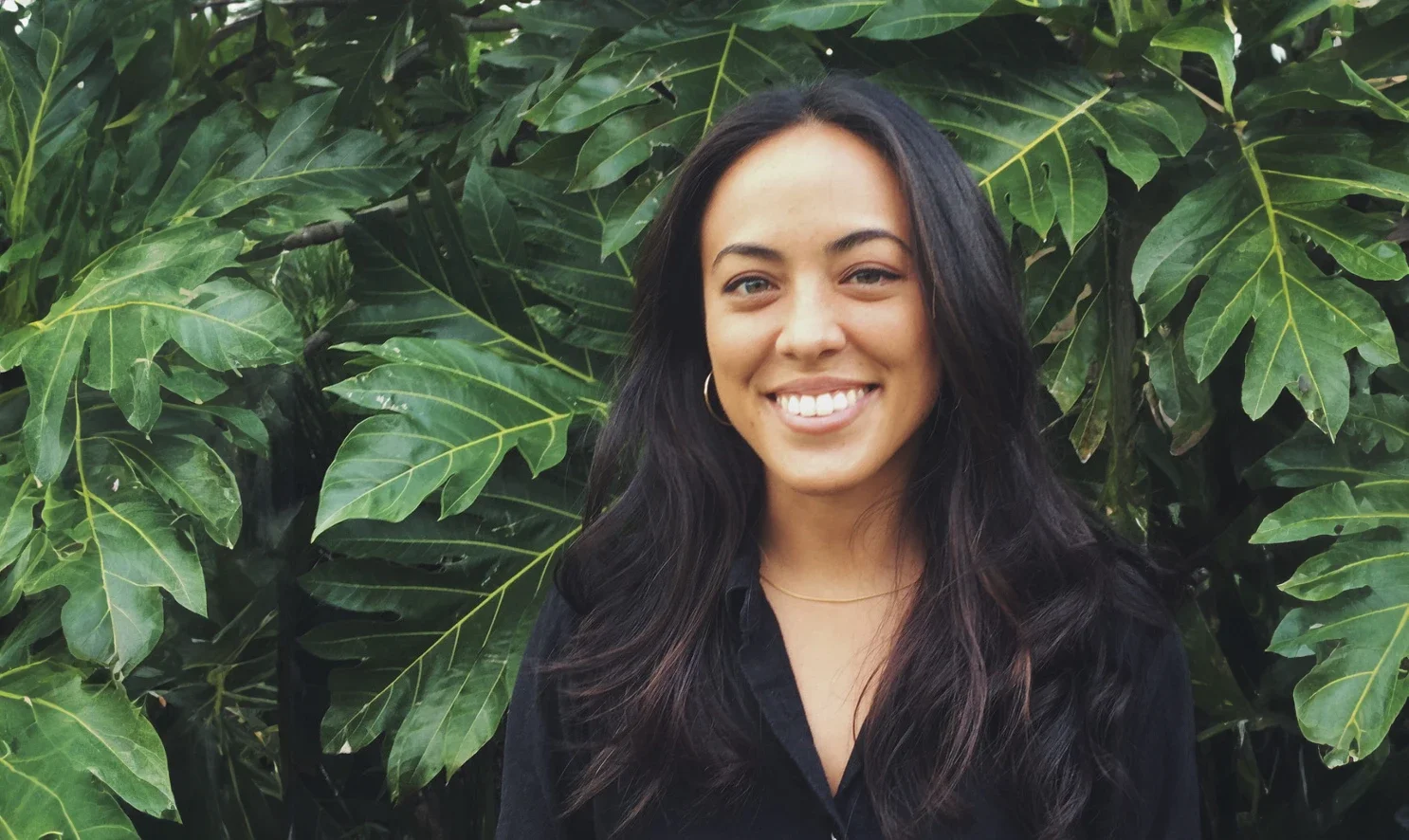
One such representative is Tina Grandinetti (she/her), a millennial environmental justice activist completing her first term as a Hawaii state representative. After fighting for tenants’ rights against large-scale developers, Tina wrote her doctoral thesis on Hawaii’s housing crisis, which she works on solving every day in the House. Tina is passionate about supporting working families, preventing displacement and gentrification, and is refusing to accept corporate PAC or lobbyist money in her race.
Where are you based?
Honolulu, Hawaii
What position are you running for?
I’m running for my first re-election in State House District 20, which encompasses Kapahulu, Kaimuki, Kahala, and Diamond Head.
How would you briefly summarize your platform?
My platform focuses on a politics of compassion and care for the lands, waters, and people of Hawaiʻi. For me, that means economic justice, climate justice, and investing in systems to ensure that the working people of Hawaiʻi have everything we need to stay here and raise our keiki to malama this beautiful place in the way that it deserves. A key part of that platform is refusing contributions from corporate PACs and lobbyists to show that I’m accountable to my constituents, not special interests.
What inspired you to run?
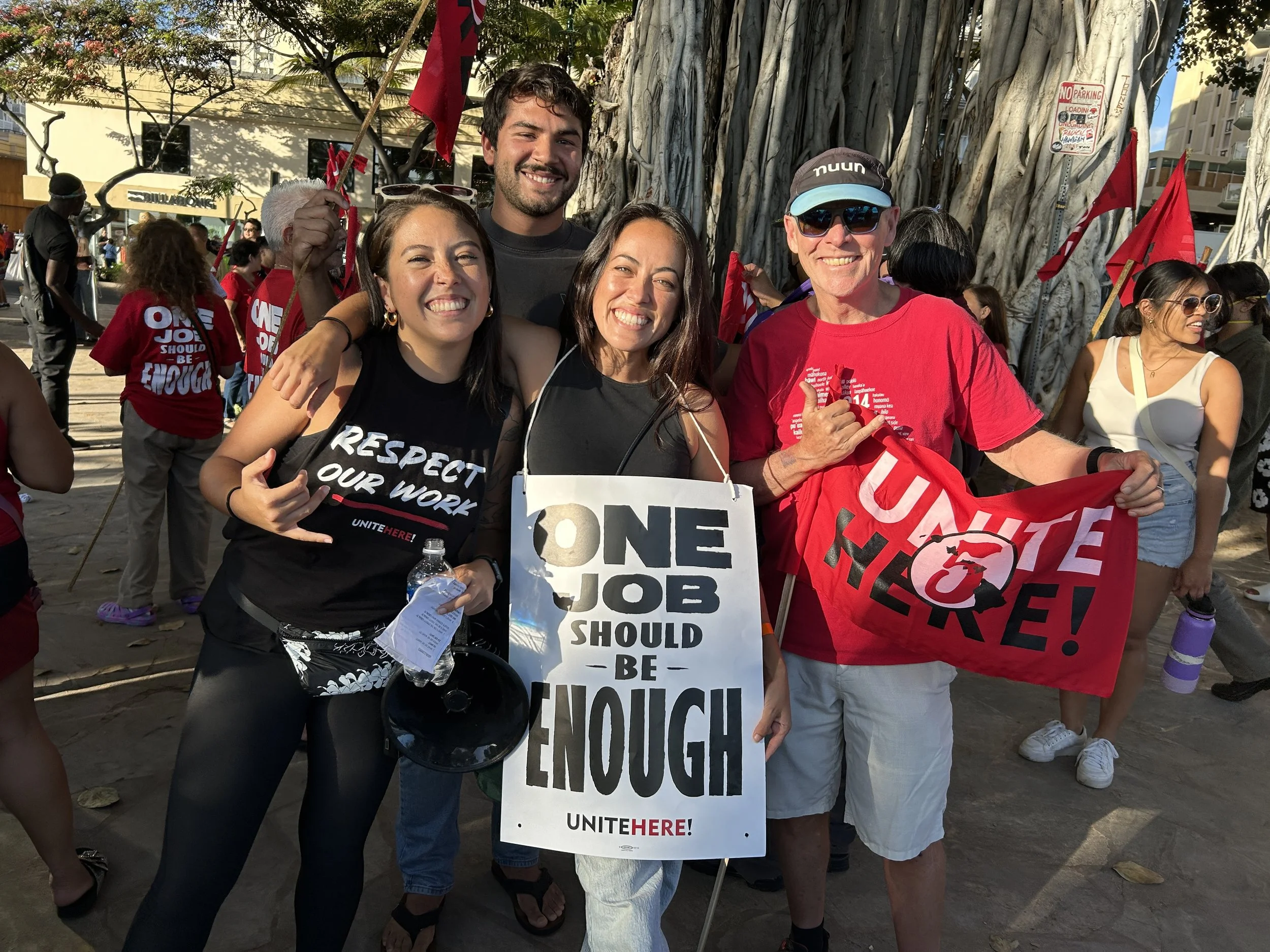
When my district seat opened up, I was fed up with our political system, burnt out by my organizing work, deeply angry about what was happening in Palestine, and struggling with climate despair after the Lahaina fires on Maui. My partner and I were talking about starting a family, and my fears about the future dominated all of those conversations. He convinced me that the best way through that fear and hopelessness was to step into this new opportunity and show that organized people can beat organized money. My sister, an organizer with a union representing hotel and healthcare workers, also inspires me daily to treat this job the same way: as a way to build power for working people.
What change are you hoping to bring to your district and country?
I want to be part of a new generation of progressive leaders who get people engaged in politics again. In Hawaii, we are watching our communities change before our eyes, and we are losing people every day to gentrification, disaster capitalism, and displacement. But because of our history of colonialism and occupation, a lot of young people don’t see electoral politics as a place for real change. Yet, we have a rich and ongoing history of Indigenous-led, multi-ethnic, working class resistance movements that are grounded in our own unique cultures. I want to help bring that ground-up Hawai’i politics to the State Capitol.
How long have you been in office? What do you consider to be your major accomplishments so far?
I’m finishing my first two-year term. Iʻm proudest of co-chairing the Working Families Caucus. Last session we faced a massive budget shortfall from HR1 and our own 2023 state income tax cuts. In response, the Working Families Caucus built our bill package around tax fairness: putting money back into working families’ pockets while asking Hawaiʻi’s wealthiest residents to pay their fair share. As part of that package, I introduced a bill to tax income over $1 million and use that revenue to fund Medicaid. It died in committee, but the idea made it into our final tax bill in the last hours of negotiation, and now we have a new millionaireʻs tax in Hawaiʻi.
I’m also proud of my work on tenant rights. Hawaiʻi’s housing conversation focuses so heavily on supply-side solutions that we’ve neglected the 40 percent of households who rent, the ones most vulnerable to displacement. As a renter and former member of the Honolulu Tenant Union, I’ve made tenant protection central to my platform and have worked closely with public housing tenants and renters to bring their voices to the Capitol. We haven’t gotten a bill across the finish line yet, but we’re reshaping the conversation around housing justice in Hawaiʻi.
What do you feel are the most important issues right now, why, and how do you plan to tackle them?
Hawaiʻi is the most expensive state in the country, but our wages are lower than in comparatively costly states. People are struggling, and many are leaving. That displacement carries a deeper violence too: many of those leaving are Native Hawaiian, and for the first time in history, more Native Hawaiians now live away from their homelands than remain on them. For me, this issue goes beyond cutting costs. It’s about confronting corporate power. I’m fortunate to vice chair the Committee on Consumer Protection and Commerce, where I get to do exactly that work. In my first term, I introduced measures to ban algorithmic price-fixing in our rental housing market, prohibit surveillance pricing, protect tenants, hold Big Oil accountable for climate-related disasters, and lower the cost of medicine by regulating pharmacy benefits managers.
Another overarching issue is a general mistrust of public spending and public services. Neoliberalism has led to the consistent underfunding of our public services. In Hawaiʻi, many of our departments are operating at 40 percent vacancy rates, because we don’t pay our rank and file civil servants and public workers enough to recruit and retain them. Then we wonder why problems don’t get solved. It’s a vicious cycle. To fix it, we have to rebuild trust in government, get money out of politics, fight for tax fairness, and defend the services that make life better for working people. That’s why I co-chair the Working Families Caucus, and why Iʻm active in our Good Government caucus.
America is extremely divided these days. How would you hope to bridge that divide with your constituents to better unite Americans?
Canvassing my district taught me that people are angry and frustrated about many of the same things. That anger sometimes gets pointed at each other, instead of at the real causes. My role in bridging that divide is twofold: being a responsive, accountable representative by meeting people at their door, hosting town halls, showing up to protests and picket lines and community meetings. And naming our shared struggles and common enemies. When we focus on putting working people first and challenging the special interests profiting from our hardship, I think there’s a lot of common ground.

How do you see your unique identity and background to be an asset to you in office?
My background in activism and community organizing grounds everything I do. For so many reasons, including ongoing colonization and military occupation, many people in Hawaii who care deeply about this place don’t see electoral politics as a place for real change. I felt the same for a long time. Now, I work every day to make sure that people know their expertise, their frustrations, their lived experience, and their dreams for change have a place in our legislature.
I also draw from my Okinawan heritage. My grandmother lived through the Battle of Okinawa, which killed a third of our people in three months. My mother grew up under American occupation, in schools that banned our native language. She emigrated to Hawaiʻi as a youngwoman on her own. When I catch myself falling into climate despair or surrendering to the doom scroll, I remember that people create joy through all kinds of hardship.
What is your motto in life?
My mom always says, “It takes all kinds.” In politics and organizing, it can be easy to get defensive or be triggered by people who take a different approach to this work. But we all have different roles to play! And it really does take all of them. We’re better off when we appreciate people who do things differently, because our movements are richer when we build on our unique strengths.
Where can we find out more about you?
Follow me on Instagram and TikTok at @repgrandinetti, or visit tinaforhawaii.com.
Instagram: @tinafordistrict20
Hawaii is known for being one of the most progressive states in the country, but even there, progressives have had to fight their way into the state legislature to ensure equitable representation of all groups and to push progressive policies to move Hawaii forward and better the lives of everyone who lives there.
One such representative is Tina Grandinetti (she/her), a millennial environmental justice activist completing her first term as a Hawaii state representative. After fighting for tenants’ rights against large-scale developers, Tina wrote her doctoral thesis on Hawaii’s housing crisis, which she works on solving every day in the House. Tina is passionate about supporting working families, preventing displacement and gentrification, and is refusing to accept corporate PAC or lobbyist money in her race.