
Tooth Extraction Pain, Healing & Aftercare for Adults
Introduction
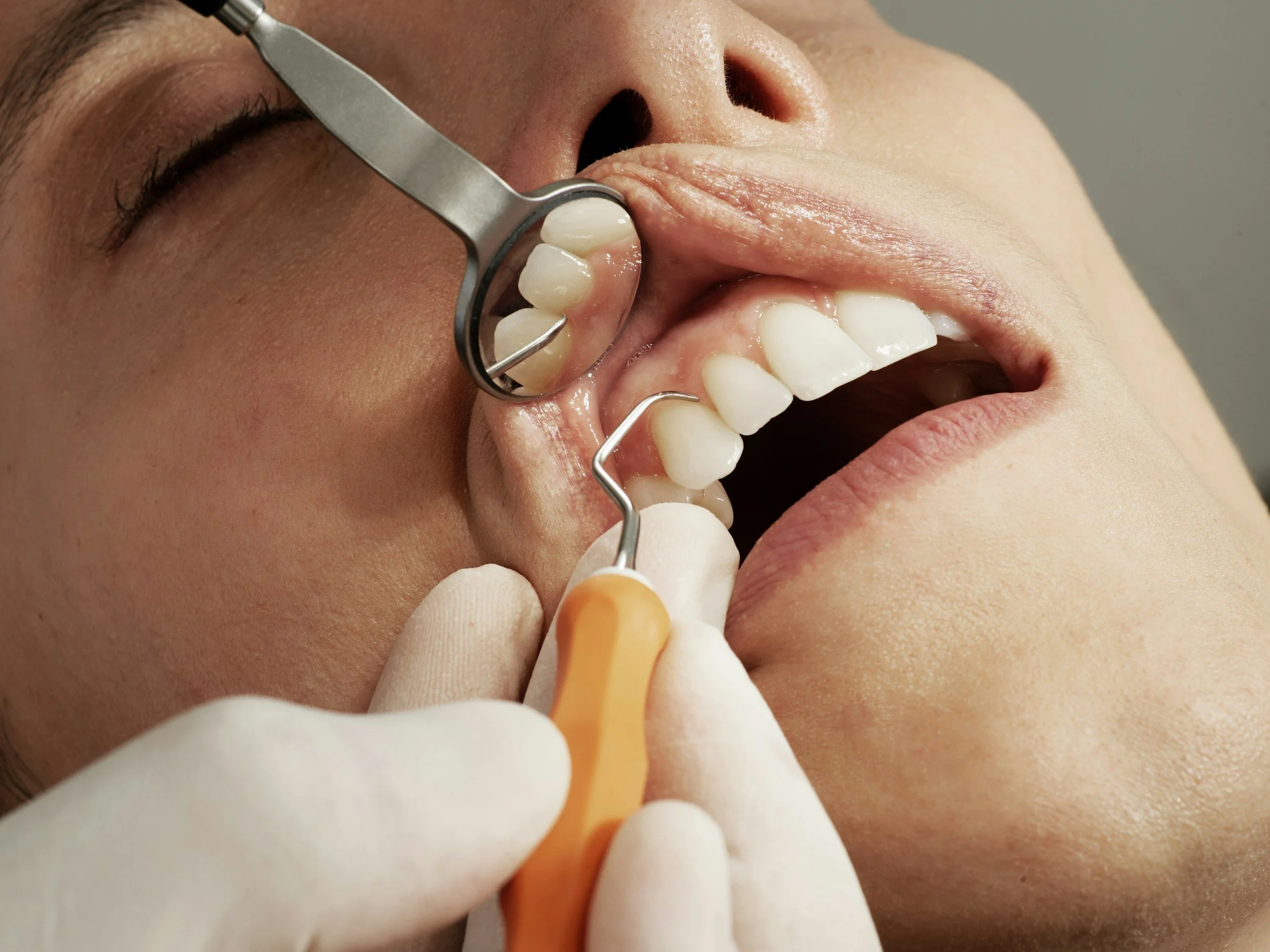
A dental procedure to remove a tooth is one of the most common treatments performed for adults. While modern dentistry focuses on preserving natural teeth whenever possible, there are situations where a tooth extraction becomes the safest option to protect overall oral health. Severe decay, infection, trauma, gum disease, or impacted wisdom teeth are some of the common reasons a dentist may recommend this procedure.
Many adults worry about pain, healing time, and the recovery process. These concerns are completely understandable. However, advances in dental technology, anesthesia, and surgical techniques have significantly improved patient comfort. Most extractions today are quick, controlled procedures followed by a manageable recovery period.
Understanding what happens during and after a tooth extraction can make the experience much less stressful. When patients know what to expect and how to care for the extraction site, healing tends to be faster and complications are less likely.
Why Adults May Need a Tooth Extraction
Dentists recommend tooth extraction only when other treatments cannot effectively restore the tooth. In many cases, removing a damaged or infected tooth actually prevents more serious oral health problems from developing.
Common Reasons for Tooth Removal
Several dental conditions may require extraction:
Severe tooth decay or infection – When bacteria damage the inner pulp of the tooth and a root canal cannot save it, extraction prevents infection from spreading to nearby teeth or the jawbone.
Advanced gum disease – Periodontal disease weakens the bone and tissues supporting teeth, sometimes causing teeth to loosen and require removal to protect surrounding structures.
Impacted or problematic wisdom teeth – Wisdom teeth that grow improperly can cause pain, crowding, swelling, and infections, making extraction the safest solution.
Removing a problematic tooth often relieves discomfort and protects the rest of the mouth from further complications.
Understanding Tooth Extraction Pain
One of the biggest concerns adults have before a tooth extraction is pain. The good news is that modern dental procedures prioritize patient comfort at every stage.
Pain During the Procedure
Dentists administer local anesthesia to numb the area around the tooth. Once the anesthesia takes effect, patients typically feel pressure or movement but not pain. For more complex extractions or anxious patients, dentists may also offer sedation options.
Pain After the Procedure
After the anesthesia wears off, mild soreness or swelling is common. This discomfort is usually manageable with medication and proper aftercare.
Some factors that influence post-extraction discomfort include:
The complexity of the extraction
The position of the tooth
Overall oral health and bone condition
How well post-procedure instructions are followed
Most patients report that the discomfort is manageable and improves significantly within a few days.
Healing Process After a Tooth Extraction
Healing begins immediately after a tooth is removed. The body forms a protective blood clot inside the socket, which plays a crucial role in the recovery process.
Early Healing Stage
During the first 24 hours, the body focuses on clot formation and stopping the bleeding. This clot protects the bone and nerve endings underneath while new tissue begins forming.
Tissue Recovery
Over the next several days, gum tissue starts repairing the extraction site. Swelling and tenderness gradually decrease, and patients can slowly return to normal routines.
Bone Healing
Although gum tissue heals within a few weeks, the jawbone continues rebuilding beneath the surface for several months. This process is normal and ensures long-term stability for the surrounding teeth.
Tooth Extraction Aftercare Tips
Proper aftercare is essential for smooth recovery. Following your dentist’s instructions helps prevent complications such as infection or dry socket.
Essential Aftercare Guidelines
Control bleeding and protect the clot – Bite gently on gauze for the first hour after extraction to help the blood clot form. Avoid touching the socket with your tongue or fingers to prevent disturbing the healing process.
Manage swelling and discomfort – Apply a cold compress to the outside of the cheek for 10–15 minutes at a time during the first day. This reduces swelling and helps control mild pain during the early recovery stage.
Follow a soft-food diet temporarily – Choose foods such as yogurt, soup, mashed potatoes, smoothies, and scrambled eggs. Avoid crunchy, spicy, or very hot foods that may irritate the extraction area.
These simple steps help protect the extraction site and encourage faster healing.
Foods and Habits to Avoid After Extraction
Your daily habits can significantly affect how quickly your mouth heals after a tooth extraction.
Foods to Avoid
Hard or crunchy foods can damage the clot and irritate the healing area. Examples include chips, nuts, popcorn, and raw vegetables.
Habits That Slow Healing
Smoking and alcohol consumption should be avoided for at least 48 hours after the procedure. These habits can interfere with clot formation and increase the risk of infection.
Using straws is also discouraged because the suction pressure may dislodge the clot, leading to a painful condition known as dry socket.
Possible Complications After Tooth Extraction
Although most extractions heal without problems, patients should remain aware of potential warning signs.
Dry Socket
Dry socket occurs when the protective clot becomes dislodged or dissolves too early. This exposes the bone and nerves, causing intense pain and delayed healing.
Infection
In rare cases, bacteria can enter the extraction site and cause infection. Symptoms may include swelling, fever, pus discharge, or worsening pain.
If any of these symptoms occur, contacting a dentist promptly ensures the issue can be treated before it worsens.
Long-Term Oral Care After Tooth Removal
Maintaining good oral hygiene after a tooth extraction is essential for preventing future dental issues.
Maintain Regular Dental Visits
Routine dental checkups allow dentists to monitor healing and detect potential concerns early.
Replace Missing Teeth if Needed
Depending on the location of the extracted tooth, your dentist may recommend replacement options such as dental implants, bridges, or partial dentures to maintain proper bite alignment.
Continue Good Oral Hygiene Habits
Brushing twice daily, flossing regularly, and maintaining a balanced diet support long-term oral health and prevent future tooth loss.
Final Thoughts
For many adults, the idea of a tooth extraction can feel intimidating. However, understanding the procedure, expected discomfort, and healing process makes the experience far more manageable.
With modern dental techniques, extractions are typically quick and comfortable. Most patients recover within a few days and can resume normal activities shortly afterward. Dental professionals at Nuffield Dental emphasize the importance of proper guidance before and after the procedure to ensure a smooth experience for every patient.
Following proper aftercare instructions plays a key role in preventing complications and supporting healthy healing. By staying informed and working closely with a trusted dentist, adults can approach tooth extraction with confidence and maintain a healthy smile for years to come.
Frequently Asked Questions (FAQs)
1. How painful is a tooth extraction for adults?
Local anesthesia prevents pain during the procedure. Afterward, mild soreness or swelling may occur but usually improves within a few days with medication and proper care.
2. How long does it take to heal after a tooth extraction?
Initial healing typically occurs within 1–2 weeks, while the jawbone may take several months to fully rebuild.
3. What should adults eat after a tooth extraction?
Soft foods such as yogurt, soups, smoothies, mashed potatoes, oatmeal, and scrambled eggs are recommended during the first few days.
4. How do I know if my tooth extraction is healing properly?
Normal healing includes mild swelling, gradual pain reduction, and clot formation. Severe pain, persistent bleeding, or swelling after several days may indicate a problem.
5. When can I brush my teeth after a tooth extraction?
You can brush your teeth the same day but should avoid the extraction site for the first 24 hours. After that, gentle cleaning around the area is recommended.


Everybody has a skincare routine nowadays. Everyone’s desks and vanities are littered with product upon product of serums and creams meant to make us age in reverse or glow like the sun. In the constant noise and hurricane of social media promotion and online pop up ads, however, how can you trust what will actually be the healthiest choice for your skin and what is just a bucket of glitter. Here are some examples of brands that carry vegan, cruelty free and overall sustainable sunscreen options to add into your skincare routine.