
Rina Rain's Mantra for Inner Peace
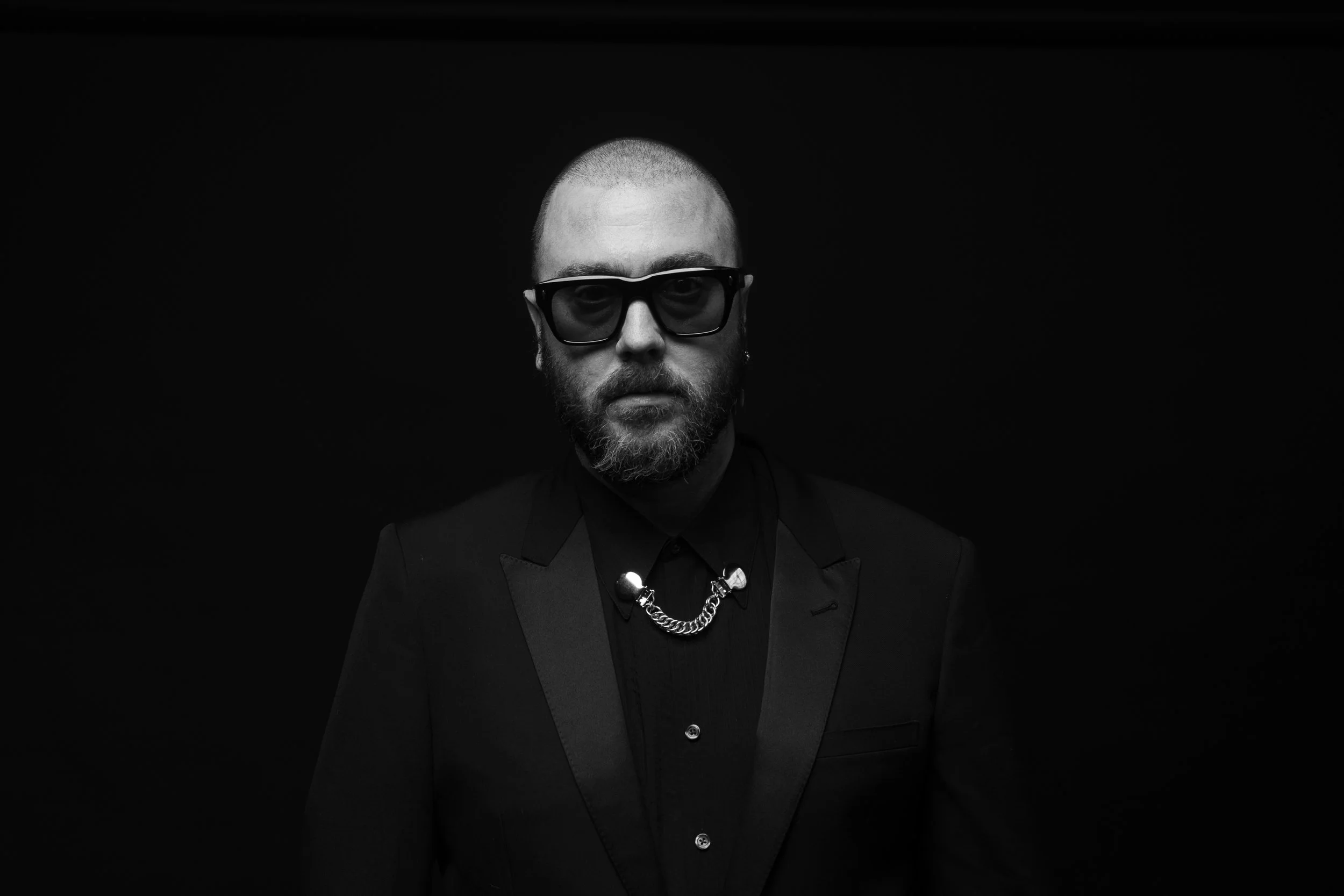
Photo Credits: Eva Schwank - @evaschwank
Mantra artist and meditation guide Rina Rain released a new, powerful mantra song, “Lokah Samastah Sukhino Bhavantu,” to help lead others to heal and find their inner peace. The track comes as a sneak peak of her new album “Whispers of Rain,” a meaningful project filled with unique mantras rooted in ancient tradition. Her dedication to making her practices accessible is clear through her work opening programs for minorities and those experiencing financial hardships. Rain also devotes her time to various non-profit organization in pursuit of heling others build resilience and gain a deeper understanding of themselves. To learn more about Rina Rain and her upcoming album, read on.
Where are you based?
I am based in Silicon Valley.
What inspired you to become a mantra artist and meditation guide?
I often say that we rarely choose the path — the path chooses us.
After completing my engineering degree and moving to New York City in 2003, I reached a point where I knew I wanted to work with people and understand the human experience more deeply. Through my own life challenges, meditation became something I relied on for clarity, emotional balance, and stability.
Although mantras had been part of my life for many years, it was during a particularly difficult period that chanting became my refuge. It was the one thing that truly calmed my body, mind, and heart. What started as a personal practice slowly turned into something I felt called to share. Over time, guiding others through meditation and mantra became my life’s work.
Looking back, every step led me here.
Congratulations on releasing your latest track, “Lokah Samastah Sukhino Bhavantu.” What is the meaning behind this mantra and how has it moved you?
This is one of the most widely shared mantras in the world because of its simple, powerful prayer: that all beings everywhere be free from suffering. When you truly sit with that wish, you realize how different our world would be if it were fully lived.
I began chanting it as a refuge during a very difficult period in my life, as a way of returning to self-compassion and love. When it came time to choose the final mantra for the album, I wasn’t sure I was ready for Lokah — it touches both personal and collective pain so deeply. During the recording, my heart opened with compassion while also feeling the weight of what we all carry. I cried as I chanted, and even months later I still can’t listen without tears. It reminded me that suffering is part of being human — and so is our ability to grow beyond it, together.
How do you hope your listeners will connect with this mantra? What do you hope this mantra inspires within your listeners?
More than anything, I hope listeners leave feeling softer and lighter inside. I hope they feel calmer, more grounded, and more connected to the present moment. I want something within them to exhale — a quiet recognition that, in this moment, it’s okay to pause and simply be. And I hope the mantra opens their hearts to trust, compassion, and a deeper remembrance of our shared humanity.
Photo Credits: Eva Schwank - @evaschwank
How does music help heal and move people?
The sense of sound is one of the most profound human senses, developed over millennia. For me, music connects in a way that no person or thing quite can. It doesn’t judge us — it simply meets us where we are and speaks to us in the way we are ready to hear.
Because of that, we often open ourselves to a melody or a lyric in ways we may not with another person. Music touches the tender places inside us that we might otherwise keep hidden. I find it easier to process both joy and sadness through sound. Sometimes it feels as if a song was written just for me, or about me.
In that intimate connection, music becomes a safe space for feeling, reflection, or celebration.
“Lokah Samastah Sukhino Bhavantu” also offers a sneak peak of your upcoming album “Whispers of Rain.” What are some things listeners can expect to hear from this album?
The album features seven mantras, each with its own unique purpose and emotional resonance. While rooted in ancient tradition, each track carries a modern, gentle soundscape. Together they explore themes of love, compassion, healing, courage, transformation, and inner peace.
Listeners can expect unusual instrumental choices, simple yet sophisticated arrangements, and a soft, spacious quality throughout. My hope is that each mantra meets the listener exactly where they are and gently guides them back to calm, clarity, and presence.
What was the inspiration behind "Whispers of Rain?”
Whispers of Rain was my desire to share something so sacred and profound that helped me in my life in so many ways for so many years. When I felt a call to start chanting, I had no idea that one day I would be sharing my music with listeners around the world. However when I completed the recordings of the mantras I knew that this is something that is meant to be shared not kept as a secret. Each mantra I chose had a special meaning to me and I chose with the unique intentions behind them to share with the listener.
How do you work to blend ancient mantras with more modern sounds?
It’s part of the creative process and hard to fully explain, but I’ve always been drawn to simplicity and elegance, and that naturally shapes the music. My intention was to make these ancient mantras feel accessible to modern listeners, without losing their depth or meaning.
A big part of that comes from my collaboration with composer and producer Alvydas Mačiulskas, whose background in modern music helped shape the sound in a way that feels both timeless and current. The result is something that honors tradition while speaking the language of today.
Why is it important to practice mindfulness? What are some tools you use to implement mindfulness into your daily life?
Mindfulness gives us a way to return to the present moment — to what is, rather than who we were or who we think we need to become. In that space, we can observe our thoughts, feelings, and sensations with more clarity and less judgment. In such a fast and demanding world, that pause becomes deeply healing.
Modern science now supports what ancient traditions have always known: mindfulness and meditation offer powerful benefits for our mental, emotional, and physical well-being. When people turn to these practices for comfort or clarity, they are really returning to their own inner wisdom.
In my daily life, I lean on meditation, mantra, prayer, guided practices, yoga, and gentle movement — anything that helps bring me back into presence. We are incredibly fortunate to have so many tools available. The real work is simply showing up and choosing to practice.
What are some of the benefits of meditation?
One of the most widely known and researched benefits of meditation is stress reduction. Jon Kabat-Zinn’s work on Mindfulness-Based Stress Reduction (MBSR) helped bring this into clinical settings, and today there are over 16,000 scientific studies exploring the effects of meditation.
Research shows that regular meditation can help lower blood pressure, reduce cortisol and stress hormones, improve sleep, strengthen the immune system, increase focus and emotional regulation, and support overall mental health. It has also been linked to reduced anxiety and depression, greater resilience, and a deeper sense of well-being.
Beyond the measurable effects, meditation gives people a way to reconnect with themselves — to slow down, listen inward, and develop clarity, compassion.
You are currently focusing on creating accessible meditation programs for minorities, at-risk teens, and communities experiencing financial hardship. You also want to expand these plans to other groups, including survivors of trauma, single mothers in high-stress environments, and healthcare workers. Why is it important for meditation programs to be accessible to everyone, especially those who have experienced hardships? How can meditation help these individuals heal?
People living in high-stress or high-risk environments often carry their lives in a constant state of survival. Their nervous systems are always on alert, which becomes deeply exhausting over time.
Meditation offers a way to soften that inner tension and create a sense of safety from within. Even a few minutes of stillness can open the door to self-compassion, clarity, and emotional relief. For those facing trauma, financial stress, or demanding professions, meditation becomes a quiet place to breathe, reset, and reconnect with their own strength. That’s where healing begins.
You have worked with a few non-profits, including International Coaching Federation, Roma Integration House, and Palo Alto Unified School District. Can you tell us a bit about these organizations and your involvement?
Over the years, I’ve had the opportunity to work with very different communities, but the intention behind the work has always been the same: helping people build resilience, self-compassion, and a deeper understanding of themselves.
With the International Coaching Federation, I held leadership roles focused on education, professional development, and promoting ethical standards within the coaching industry. At Roma Integration House, I worked with a group of coaches to deliver career workshops for Roma women who were developing skills and exploring new work opportunities. With the Palo Alto Unified School District, I co-founded mindfulness training for teachers and helped create a mindfulness room for elementary students in collaboration with Mindful Schools. I’ve also volunteered with Sparkup, an early-career accelerator supporting women returning to the workforce, where I served as a group coach.
Each experience, though very different on the surface, shared the same purpose: creating spaces where people could feel supported, capable, and empowered to grow.
Photo Credits: Eva Schwank - @evaschwank
What tips can you give someone who is just getting into meditation or struggles with it?
I would strongly recommend finding a group, course, or teacher who can help you build your practice. That kind of guidance can remove a lot of frustration and create a more supportive, sustainable path forward.
Most importantly, don’t give up on yourself. Be gentle. Meditation is often where we begin learning how to speak to ourselves with more kindness and patience, and that shift alone can be deeply transformative.
Are there any upcoming projects you are currently working on that we should be on the lookout for?
I’m very excited about what’s coming in 2026. I’ll be releasing a guided meditation album called Journey to Self, featuring journeys into relaxation, healing, and emotional release. I’m also planning a live retreat called Sound to Silence, where people can explore their inner world through gentle sound and deeper immersion into silence.
My website, www.rinarain.com, launches in February, where all of this information will be available.
It has been a crazy few years, and we expect at least three more. How have you been staying positive?
I try to focus less on being “positive” and more on staying grounded and present. When we label things too quickly as good or bad, the world can start to feel very divided. What helps me is remembering that at every point in human history, many things are always happening at once — both beautiful and painful.
The real question becomes: where is my focus, and how am I choosing to contribute in this moment? When I stay anchored in that, the pressure to fix the whole world softens. What remains are the small, meaningful acts of kindness and care that we can offer right here, right now.
What is your motto in life?
Choose kindness whenever possible, and remember that we are all in this together.
To learn more about Rina Rain, please check out the links below:
YouTube: @therinarain
Instagram: @therinarain

Caroline Cotter is passionate advocate for her local community and women everywhere. Whether it’s performing small shows for the Cook County Jail in Chicago or working closely with New Hope Midcoast, she uses her passion for songwriting and storytelling to continuously uplift those around her. Make sure to look out for her upcoming album “The Answer” this October.