
Why Sew-On Stones Are Better Suited for Movement and Wear
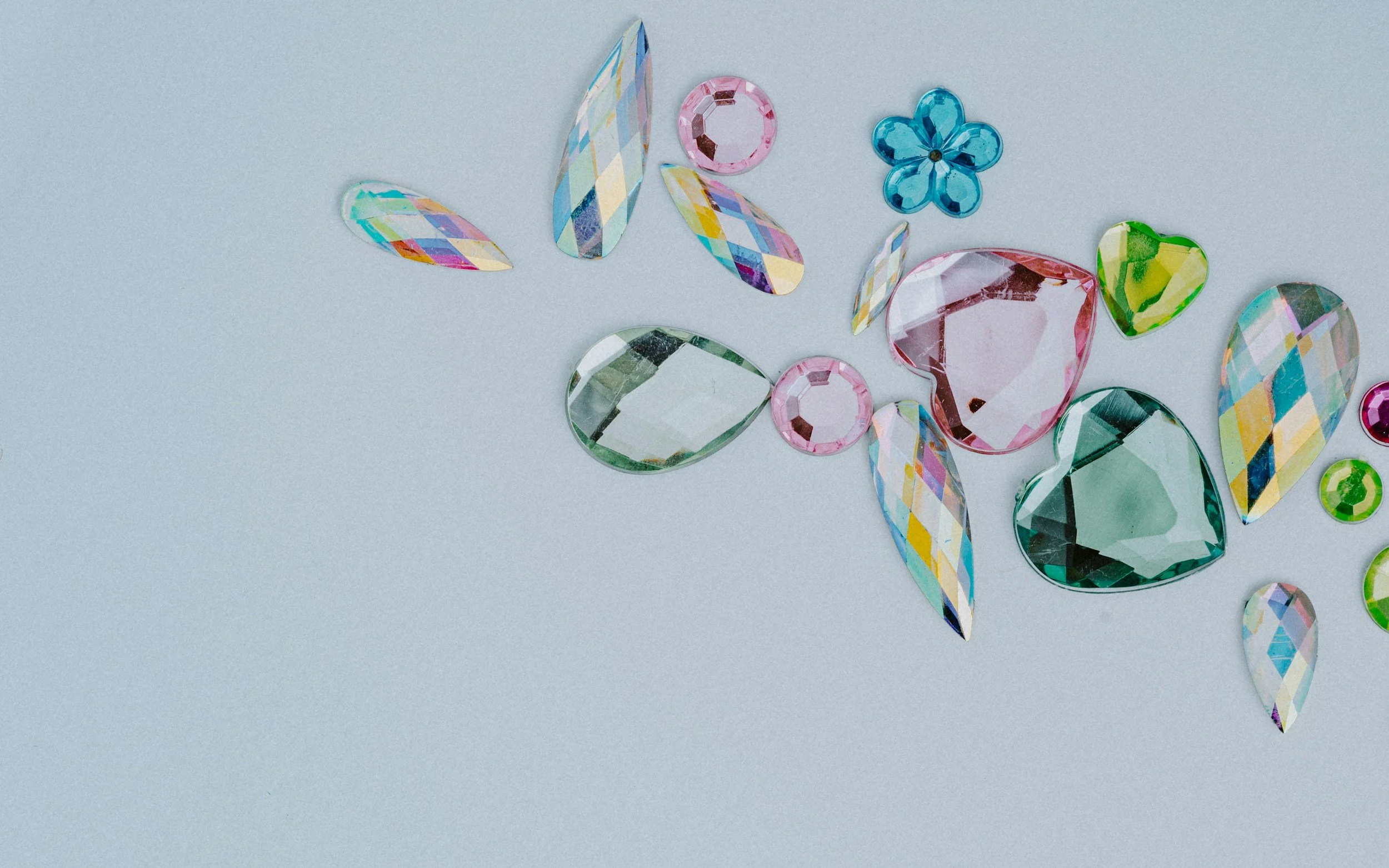
When it comes to adding embellishments to garments or accessories, the choice of decorative elements can significantly affect both the aesthetic and durability of a design. One of the most effective options is sew-on stones. Unlike their glue-on counterparts, sew-on stones offer distinct advantages when it comes to movement and wear. Understanding these benefits will not only enhance your design choices but also improve the longevity of your creations.
The Benefits of Sew-On Stones
Stability and Security
Sew-on stones are explicitly designed to be attached securely to fabric using thread. This method ensures that the stones will remain in place even under stress, which is essential for items that experience a lot of movement—such as clothing, bags, or dance costumes. Unlike glue, which can wear out or chip away over time, sewing provides a robust bond.
• Durability: Regular wear and tear can cause glued items to detach, leading to costs for repairs or replacements. In contrast, sew-on stones are much more durable, often lasting the lifetime of the garment.
• Versatile Applications: Because they are sewn in, these stones can be integrated into various types of fabrics, from heavy denim to delicate silk, without compromising the fabric’s integrity.
Enhanced Comfort
For garments, especially those worn in active settings, comfort is paramount. Sew-on stones are typically flatter than glue-on alternatives, reducing the likelihood of irritation. Additionally, since they are sewn into the garment, there are fewer chances for the embellishments to snag on other fabrics or accessories.
• Non-Irritating Designs: This is particularly important in sportswear or dance attire, where athletes and performers need to focus on their performance rather than discomfort.
Aesthetic Variety
Sew-on stones provide an opportunity for creative expression. They come in various shapes, sizes, and colors, allowing designers to customize garments uniquely. They can be arranged in intricate patterns or placed strategically to enhance design elements like seams or hems.
• Layering Possibilities: Layering different shapes and sizes can create stunning visual effects. When combined with beads or other embellishments, sew-on stones can elevate a simple piece into a statement work of art.
For more detailed guidance on selecting the right sew-on accents for your projects, consider exploring additional insights into choosing sew-on accents. This resource can help you navigate the multitude of options available, ensuring you choose the best embellishments for your vision.
Practical Varieties of Sew-On Stones
While the advantages of sew-on stones are clear, designers should also be aware of the various types available. Each type serves specific aesthetic and functional purposes.
Crystals and Glass
Many sew-on stones are made from high-quality crystals or glass. These materials not only provide a beautiful sparkle but are also durable. Crystals, like those from Swarovski, are particularly renowned for their brilliance and are ideal for high-end designs.
• Application in Fashion: High-fashion pieces often utilize crystal sew-ons to create a luxurious feel that catches the eye, making them popular for evening wear and formal attire.
Resin and Acrylic
For more casual or budget-friendly projects, resin or acrylic sew-on stones offer a lightweight alternative. These materials can still create striking designs but are often less durable than glass or crystal.
• Colorful Options: One of the perks of resin is the range of colors available, making it easy to find an option that complements any design scheme.
Metal Accents
Metal sew-on embellishments, such as studs or plates, can add an edgy, contemporary look. These items work well on leather and heavier fabrics, enhancing durability while contributing to the garment's overall aesthetic.
Crafting Tips for Sew-On Stones
When incorporating sew-on stones into your designs, a few practical tips can help you maximize their benefits:
1 Choose the Right Thread: Opt for a thread that can withstand tension and wear. Nylon or polyester blends are often more durable than cotton.
2 Plan Your Design: Before sewing, lay out the stones to visualize your design. This will allow you to make adjustments without committing to sewing right away.
3 Use Proper Technique: Secure the stones with a few stitches at the corners in addition to the main stitching to prevent any movement.
4 Regular Maintenance: For heavily worn items, occasionally check that the stones are still secured, and reinforce if necessary.
5 Follow Manufacturer Recommendations: For the specific sew-on stones you’re using, checking manufacturer guidelines can inform how best to attach them, ensuring durability and performance.
Conclusion
Sew-on stones represent an intersection of functional beauty and practical design. They offer stability, comfort, and aesthetic flexibility, making them an ideal choice for garments subjected to movement and wear. As you explore embellishments for your next project, consider the unique qualities of sew-on stones and integrate them into your design toolkit. By leveraging their strengths, you can create pieces that stand the test of time while still being visually stunning. Whether you’re designing a dance costume, evening wear, or casual attire, sew-on stones might just be the key to achieving the perfect look while ensuring lasting durability.

Latin American fashion is not only beautiful; behind it lies a group of creatives who are transcending the industry through empathy, ancestral knowledge and artisanry. So, in honor of National Hispanic and Latino Heritage Month, I have put together a list of sustainable brands that are making a difference through their work.