
The Sustainable Fashion Scene in Latin America - The Ultimate Guide to Sustainable Latino-Owned Clothing Brands
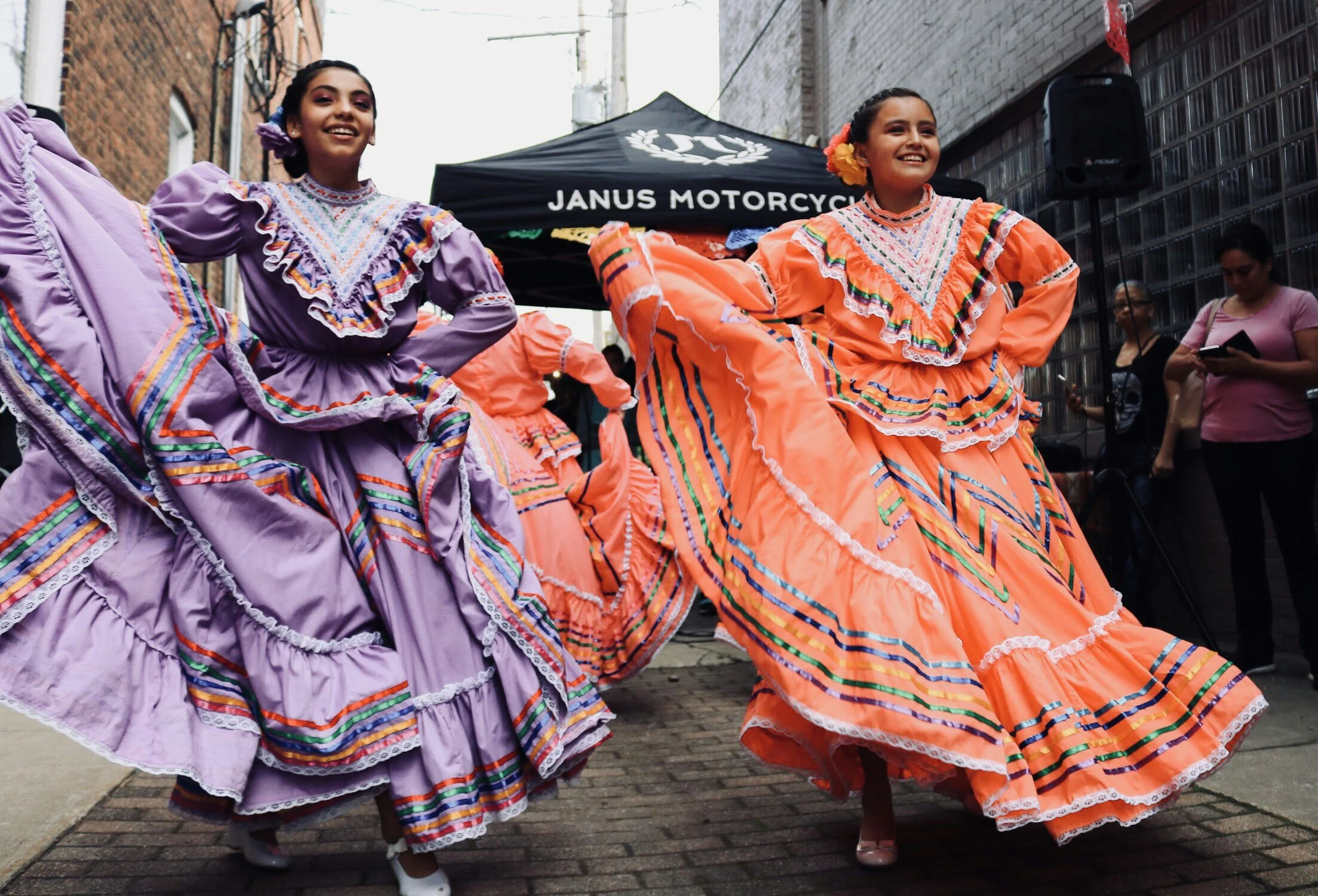
Latin American fashion is not only beautiful; behind it lies a group of creatives who are transcending the industry through empathy, ancestral knowledge and artisanry. So, in honor of National Hispanic and Latino Heritage Month, I have put together a list of sustainable brands that are making a difference through their work.
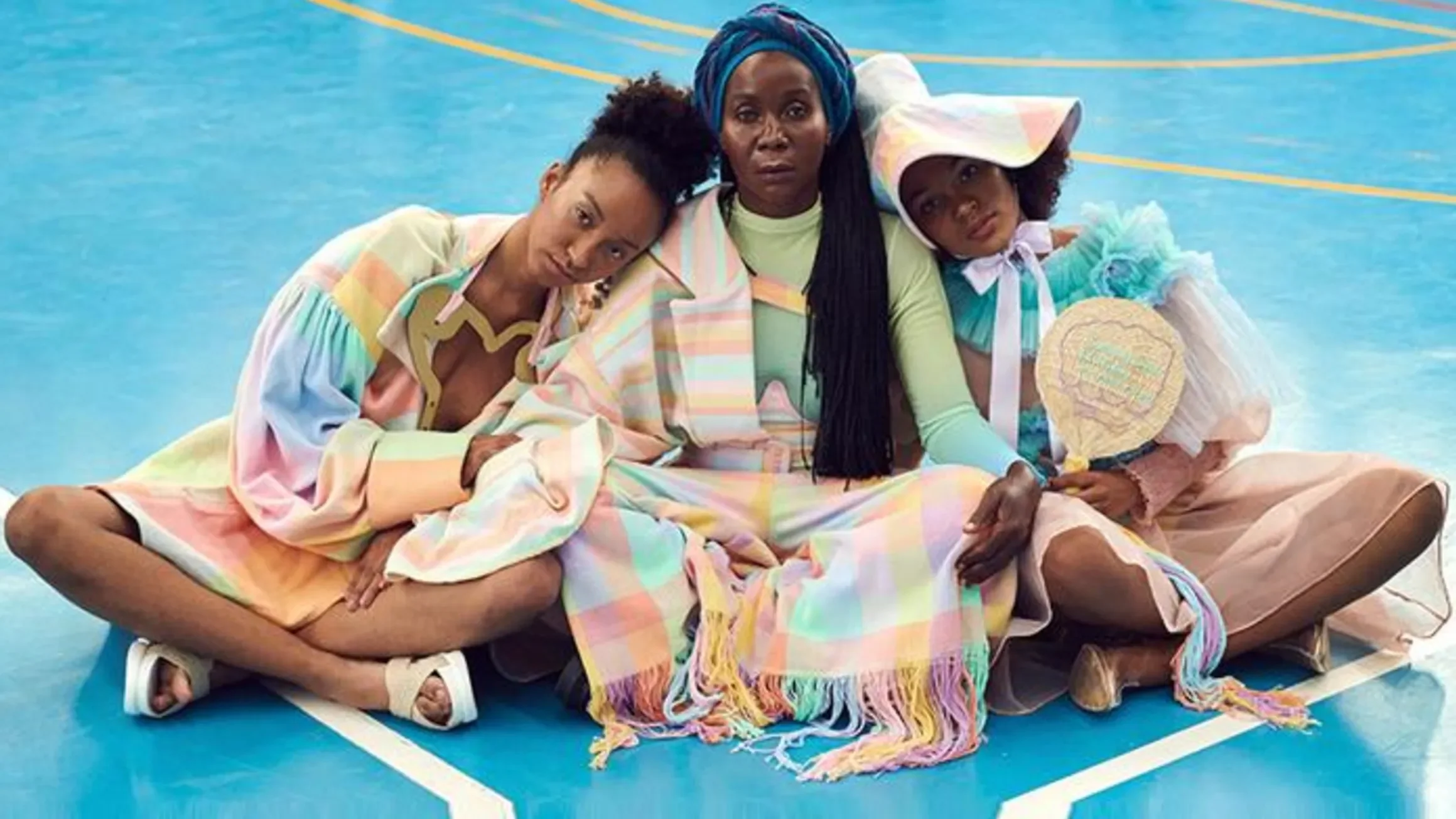
Annaiss Yucra is a Peruvian fashion designer known for driving both tangible and intangible change through her clothing, using her designs to advocate for a social change. For instance, her "Matriarcado" (Matriarchy) collection highlighted the abuse of girls, lost childhoods, and the oppression of women in Peru, incorporating the stories of her own grandmother and Lina Medina—a native of Huancavelica. Her commitment extends beyond the intangible; driven by humanitarian concerns, she recognizes that caring for people means caring for the planet as a whole. Consequently, Yucra operates a sustainable workshop that utilizes textile waste recycling and artisanal techniques. She developed an innovative material known as "COMPOST TEXTIL," which transforms production waste and scraps into new fabrics.
Nous Etudions

Nous Etudions is an Argentine clothing brand founded by designer Romina Cardillo with the aim of offering a new perspective focused on sustainability, gender fluidity, and a cruelty-free approach. True to these ideals, Romina’s work incorporates materials such as biotextiles grown through bacterial fermentation—like Celium, developed in collaboration with the biotechnology company Polybion. This blend of impeccable, conscious, and innovative design has led Nous Etudions to become the first Latin American brand to reach the semi-finals of the LVMH Prize.
Armenté

Armenté is a Chilean sustainable fashion and upcycling brand founded by designer Francisca Villela Armenté. She utilizes archival fabrics from the country's former textile industry, deadstock materials, and second-hand household linens—such as curtains, tablecloths, and bedspreads—to create timeless garments that revitalize local craftsmanship and reinterpret textiles that fast fashion seeks to replace.
ACH+ Upcycling by Achtli Bautista

Ach+Upcycling is a Mexican brand founded by Achtli Bautista that harnesses the potential of thread to repurpose garments and textile materials, creating new interpretations and extending the lifespan of textiles in an industry that discards them in seconds. Ach+ serves not only as a platform for repurposing fabric but also as a space where art and fashion coexist; through its collections, it has repeatedly provided a stage for both established and emerging visual artists to express themselves. Since its inception, Ach+ has repurposed an average of 27.5 tons of garments, standing as living proof that major changes begin with small actions.
Flavante

Flavante is a project born from a commitment to slow creation within an industry accustomed to speed. Founded by the Mexican designer Itzel Real, the brand honors Mexican craftsmanship through its materials and prioritizes sourcing from Mexican suppliers. It also incorporates elements of the national heritage into its designs—as seen in the latest collection, "Herencia Mineral: Tierra de Destellos" (Mineral Heritage: Land of Sparkles), which utilized Mesoamerican techniques such as adorning the body with stones like obsidian. The brand’s practice addresses not only the physical materials but also the very essence of craftsmanship: a way of creating that is conscious, unhurried, and ethical.
The history of sustainable fashion in Latin America. It's not just about writing, but about dialogue.. Thus, while writing this article, I had the opportunity to talk with the designer and founder of Flavante, Itzel Real, who is a witness and pioneer of conscious fashion in Mexico and Latin America.
In talking with flavante founder Itzel Real:

While writing about Itzel’s work, I had the opportunity to speak with her directly and gain a deeper understanding of the magic behind her creations, what I would describe as the perfect blend of art, fashion, and empathy, resulting in pieces crafted with genuine intention within an industry that typically prioritizes capital. Itzel is a pioneer, a mentor, and a witness to the transformation currently unfolding in Latin America. Her commitment to sustainability is exemplified by creations like the "Morfosis" bag, a versatile piece that adjusts to six different sizes to suit various situations, spaces, and individuals. I also admire her "slow and ethical" production process, where textile waste is sent to one of Latin America’s largest textile recycling facilities located in Tlaxcala, Mexico, where tons of cotton scraps are transformed into new, sustainable fabrics and garments.
Ultimately, ethics form the foundation of her work, and this is precisely what stands out most about Itzel’s creative approach: she embraces Mexican craftsmanship without exoticizing or appropriating it. In our conversation, I was also impressed by her business model, which prioritizes fair and equitable compensation; rather than profits centering on the brand owner, Itzel and her collaborators earn roughly the same amount. Finally, she draws inspiration and guidance from surrealism, feminist theory, poetry, and the philosophy of care within feminist subversion—all viewed through a consistently decolonial lens.
To “finish” this writing, it is necessary to mention that sustainable fashion in Latin America is not governed by conclusions, but by introductions; this is only the beginning of the path towards a great change, where creativity, empathy and awareness for a better planet converge with each other.


AI is an umbrella term for a group of technologies that processes information and can generate responses by mimicking human thinking. AI has been around since the 1950s, but the technology's capabilities were limited. Recent technological advancements relating to AI’s computing power and data have quickly made AI explode in popularity and use.