
Why Wellness Travel Is Booming in 2026
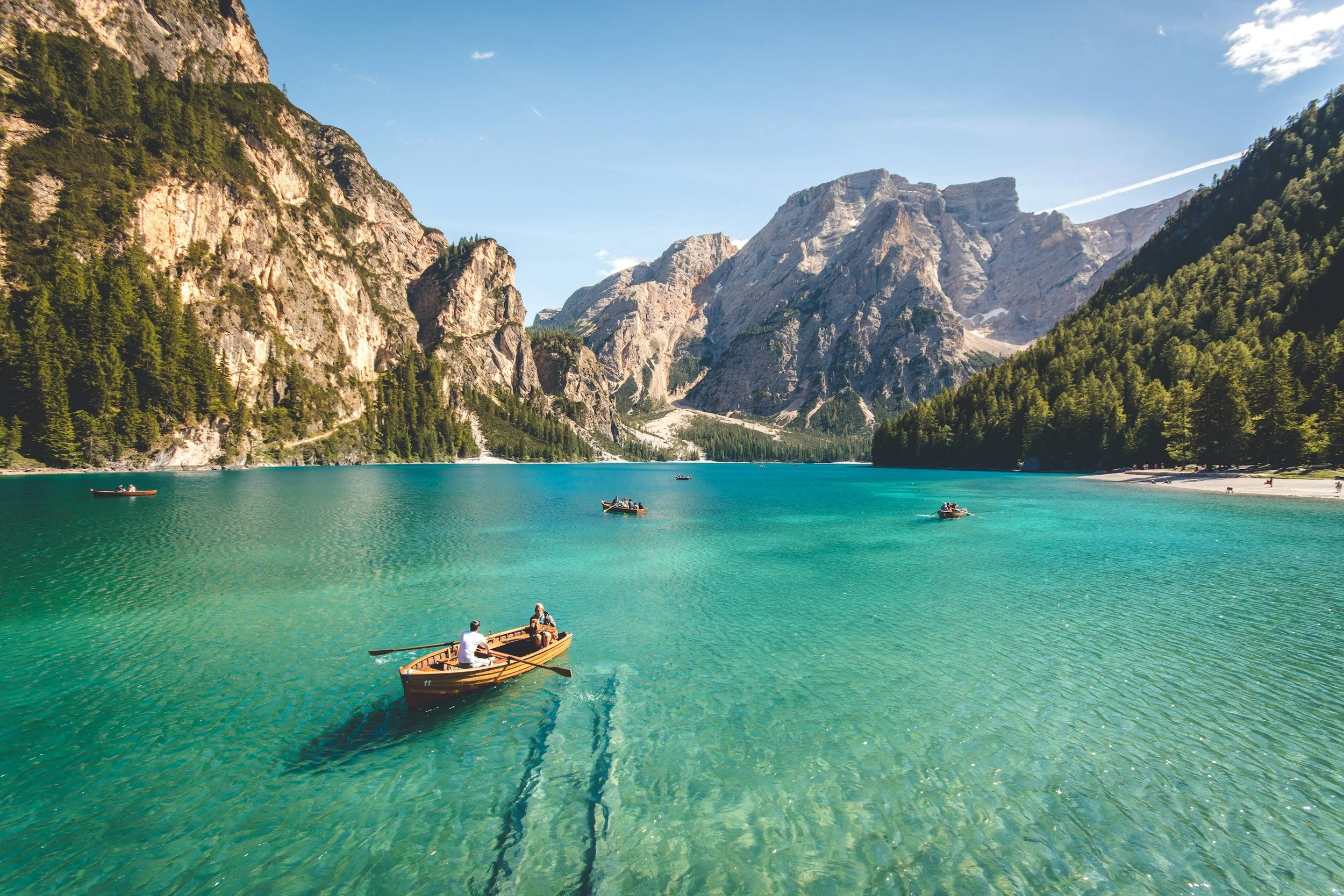
A profound shift has occurred in the British psyche regarding how we spend our precious annual leave. The era of the high-octane holiday (squeezing in as many sights as possible) is being superseded by the quiet travel movement. More travellers now prioritise rest and recharge above all other holiday goals.
Driven by rising stress levels and chronic digital overload, wellness has transitioned from a seasonal indulgence into a non-negotiable, year-round travel priority.
The Rapid Growth of the Wellness Tourism Market
The expansion of the wellness travel sector is nothing short of extraordinary. Globally, the wellness tourism market is projected to reach staggering heights by 2030, with the UK market following a similarly steep trajectory. Brits are increasingly moving away from traditional fly-and-flop holidays in favour of trips that offer a measurable improvement to their physical or mental state.
This demand is fuelled by a more sophisticated consumer who views travel as an investment in their health span. Whether it's a weekend in the Cotswold’s or a month in Bali, the focus is now on experiences that offer longevity, from DNA-based nutrition plans to high-altitude respiratory training.
Sleep Tourism: The Quest for Deep Rest
Perhaps the most specific sub-trend of 2026 is sleep tourism - hotels are reinventing themselves as circadian sanctuaries for the sleep-deprived. Hotels increasingly employ dedicated sleep doctors on hotel staff, along with sound-frequency therapy integrated into headboards and AI-managed lighting that mimics the sun's natural movement to reset internal clocks.
However, for those who find high-tech hotel environments a little too clinical, there is a move towards more organic environments. Some are opting for slower, more restorative breaks, such as staying in a villa in Spain, where they can combine privacy and simple wellness routines like yoga or mindful living. The combination of blackout shutters, natural sea-breeze ventilation, and the absence of communal hotel noise makes a private villa the ultimate setting for those looking to fix a frazzled sleep cycle through simple, natural rhythms.
New Wellness Experiences and Destinations Driving Demand
While massages and facials remain popular, the modern traveller is seeking deeper immersion. Biohacking retreats are a popular option that allow guests to use cold-plunge pools and hyperbaric oxygen chambers to optimise cellular health.
Destinations are adapting rapidly to these needs. From the "Blue Zones" of Greece and Italy, where longevity is a way of life, to purpose-built digital detox retreats in the Scottish Highlands, where Wi-Fi is physically impossible to find, the variety of experiences is wide. Group wellness retreats are also on the rise, allowing people to reconnect with a sense of community while pursuing individual health goals.
Growing Attention to Mental Health and Preventive Well-being
The boom in wellness travel is a response to a global mental health crisis. Rising awareness of burnout and the long-term physical effect of chronic stress is driving a shift towards preventative travel. People are no longer waiting until they are unwell to seek out health-focused experiences; they're using holidays to build resilience.
Wellness has become a mainstream priority. As the global wellness economy continues its rapid expansion, the travel industry is recognising that how much better people feel when they return home is the key indicator of a good holiday.


Everybody has a skincare routine nowadays. Everyone’s desks and vanities are littered with product upon product of serums and creams meant to make us age in reverse or glow like the sun. In the constant noise and hurricane of social media promotion and online pop up ads, however, how can you trust what will actually be the healthiest choice for your skin and what is just a bucket of glitter. Here are some examples of brands that carry vegan, cruelty free and overall sustainable sunscreen options to add into your skincare routine.