Azadeh Afsahi - Empower the girls. Educate the boys.
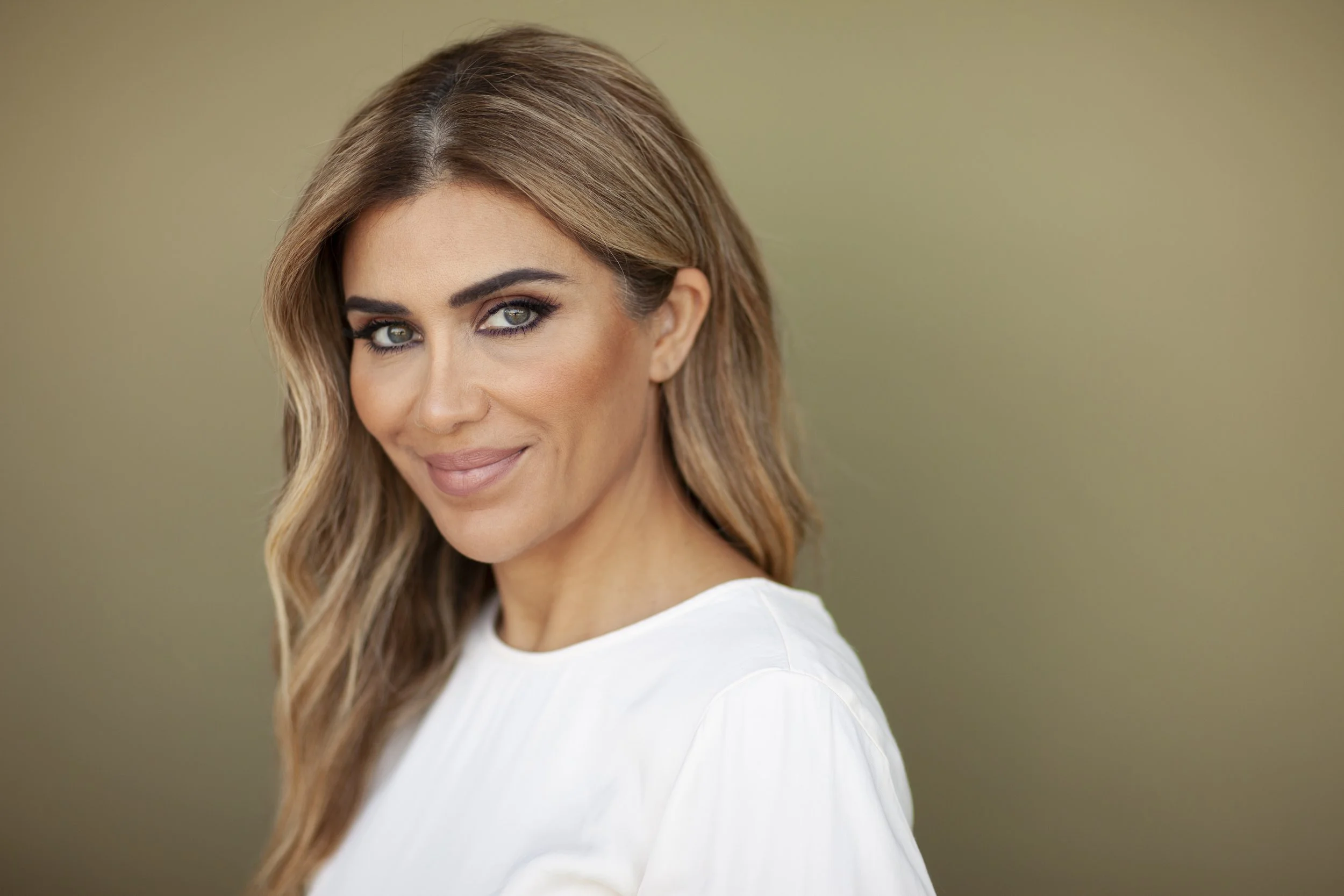
Image Credit: Toranj Kayvon
Azadeh Afsahi fled Iran as a child, but her country never left her heart. She just realizes that it and the people there, especially the women, need help. Ergo, she started Iran House, and more recently Afghanistan House. These houses are build to help survivors from Iran and Afghanistan navigate the traumas they have been through, start their long journeys to heal, and help support the people there as much as possible.
Where are you based?
I am based in Los Angeles, California.
What inspired you to become a trauma-informed psychotherapist, and what does trauma informed care actually mean?
My path into this work began after losing my father to suicide nearly 20 years ago. That experience shaped the way I understand grief, pain, and the importance of mental health support. Trauma-informed care means understanding the type of trauma a person has experienced and recognizing the cultural, political, and emotional context surrounding it. It is important that the clinician understands not only the symptoms, but also the environment, background, and survival mechanisms connected to that trauma.
Your work is deeply survivor-centered. How does that approach differ from more traditional Western clinical models?
Many traditional clinical models unintentionally position the therapist as the expert and the survivor as the patient. My work is different because it recognizes survivors as experts of their own experiences. In conflict zones, traditional models often fail because many survivors are still actively living inside the trauma. For example, in stable societies there is often a path to justice or protection, but in conflict zones that option may not exist. Therapy must adapt to the reality survivors are living in rather than forcing survivors into models that were not built for them.
You fled Iran as a child. How has that shaped the way you understand trauma, displacement, and belonging?
Leaving Iran at a young age shaped every part of how I understand identity, trauma, and belonging. Displacement creates a very particular kind of grief because you are constantly navigating between worlds. As I’ve gotten older, the feeling of homelessness has in many ways become more painful, not necessarily physically, but emotionally. It’s the feeling of constantly searching for where you fully belong. You miss places that no longer exist in the same way, and parts of yourself become fragmented between cultures, languages, and histories.
Maybe that is why I emphasize belonging so deeply in my work and at Iran House. I want people to feel that they belong because I know what it feels like to spend your life longing to go home. After nearly 40 years in exile, you would think the pain would become easier, but in many ways it has only grown. I am tired of constantly having to explain my culture, my identity, even my name. People often ask me, “Do you still have friends there? Who do you even want to go back to?” And my answer is always the same: my home.
There is a quiet grief that comes with exile, grieving not only a country, but a version of yourself and a future you never got to experience. That experience taught me that healing is not only psychological. It is also about rebuilding belonging, connection, dignity, and a sense of home within yourself and with others.
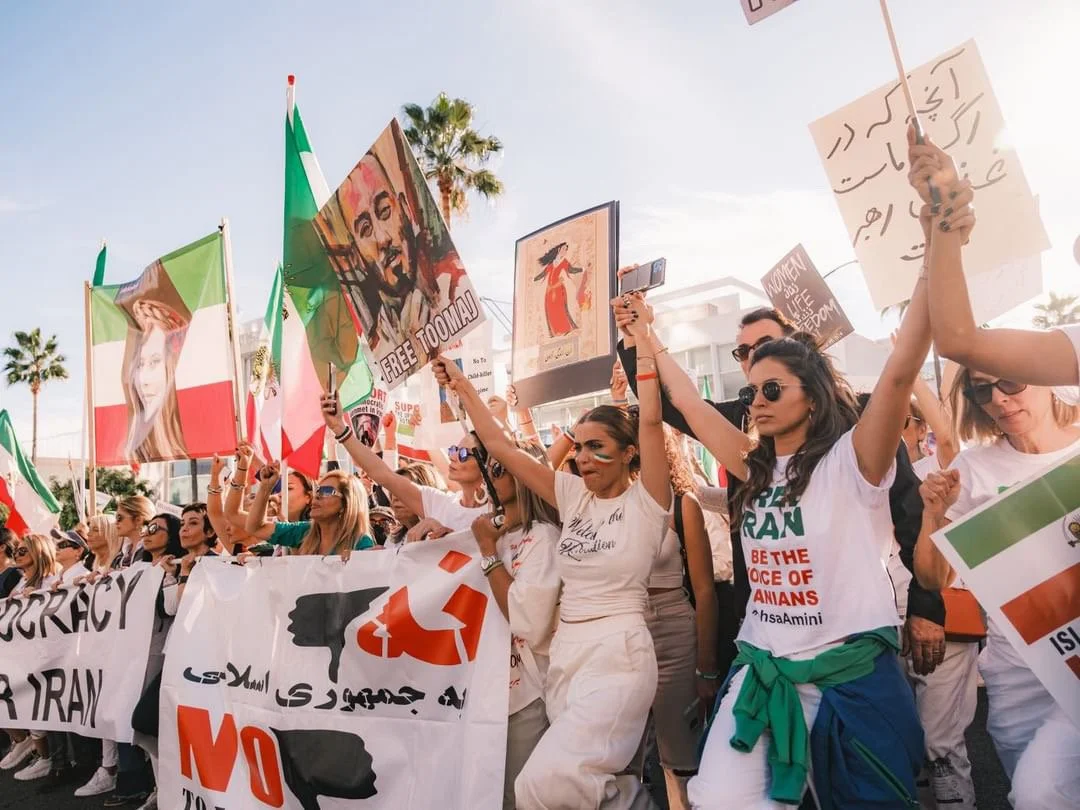
Image courtesy of Azadeh Afsahi
Can you tell us about your work supporting survivors of political violence both inside Iran and across the diaspora?
Since the Woman, Life, Freedom movement began, our work has focused on providing remote trauma-informed mental health care, legal support, humanitarian assistance, and survivor centered advocacy for individuals impacted by political violence. Many survivors we work with have experienced imprisonment, torture, sexual violence, forced displacement, or ongoing surveillance. Through Iran House and Houses Inc., we have built culturally grounded virtual “healing homes” designed to support survivors not only psychologically, but holistically. Many of the people seeking help are coming from systems designed to dehumanize them. At Iran House, we try to create spaces where they feel they belong again.
Political trauma is different from many other forms of trauma. How does it affect the body, memory, and nervous system?
Political trauma attacks more than the individual, it attacks identity, trust, safety, and humanity itself. In many ways, it dehumanizes people. Survivors often remain in prolonged states of hypervigilance because the threat was systemic, unpredictable, and often inescapable. We see this through sleep disturbances, chronic pain, dissociation, panic responses, memory fragmentation, emotional numbness, and nervous systems that struggle to recognize safety again. Often survivors can misinterpret neutral situations as threats because their bodies have learned to stay in survival mode.
Trauma often continues long after the headlines disappear. What does that invisible aftermath look like?
The aftermath is often isolation, survivor’s guilt, chronic anxiety, difficulty reconnecting to life, and the overwhelming feeling that the world has moved on while survivors remain psychologically trapped inside what happened to them. Trauma does not end when the violence ends. When we hear a survivor is “free,” it is often bittersweet. The physical harm may no longer be present, but the psychological scars remain long after. The words they were threatened with replay in their minds over and over again, while the expectation to suddenly function normally in society creates another layer of pressure. In many cases, survivors lose careers, families, communities, identities, and their sense of future.
Why do Western clinical models sometimes fail survivors of war, torture, and systemic repression?
Many Western models are based on the assumption that the trauma has already ended and that systems of justice exist. But some survivors are born into conflict zones and have never experienced another reality. When we diagnose someone with PTSD, we sometimes forget that there is nothing “post” about their trauma because they are still actively living inside it. Survivors are navigating political violence, exile, grief, surveillance, racism, identity fragmentation, and collapse of trust all at once. For example, in the West, one of the first questions asked to a survivor of sexual assault is, “Did you report it?” In many of these systems, that question is irrelevant because the violence itself may have been committed by the system.
Why is culturally grounded care so important for survivors of conflict and displacement?
Seeking help is already taboo in many cultures because it requires opening up to a stranger. Therapy itself is still viewed as a very Western concept in many parts of the world. Imagine finally opening up about your pain to someone who has no understanding of the culture you come from. For example, in some countries children have very limited protections against family abuse. If a clinician does not understand that context and gives advice based only on Western systems, they can unintentionally place the survivor in even greater danger. That is why both Iran House and Afghanistan House prioritize culturally appropriate care.
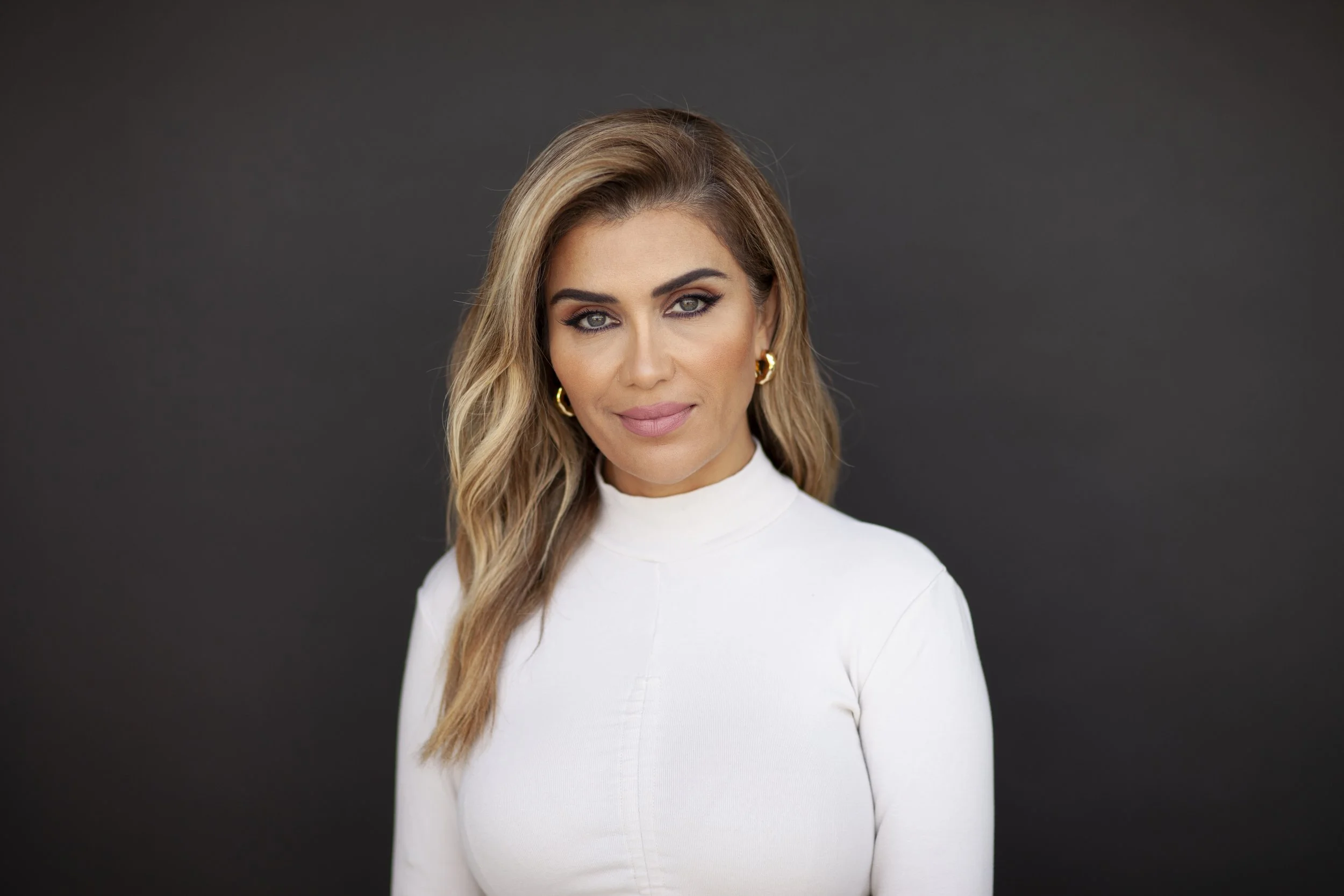
Image Credit: Toranj Kayvon
You often use the phrase “Smuggler of Hope.” What does that philosophy mean to you?
To me, being a “Smuggler of Hope” means carrying humanity into places where people are expected to lose it. Hope means refusing to let another human being disappear emotionally and psychologically. Hope becomes an act of resistance when systems are designed to dehumanize people.
How can people regulate their nervous systems when the world around them feels fundamentally unsafe?
Unfortunately, we cannot always control the external world, but we can create small moments of regulation inside the body. Breathwork, movement, grounding exercises, connection with safe people, limiting overexposure to traumatic media, sleep, hydration, and routines all matter. But beyond techniques, healing also requires community. Human nervous systems regulate through safe connection.
What does moving from survival mode back into belonging actually look like?
Belonging begins when trust is restored and people feel they are part of a community that protects them rather than harms them. It happens when people feel emotionally safe enough to rest, create, trust, dream, and exist beyond survival. It is the moment someone realizes they no longer have to constantly prove their right to exist.
How can we better support immigrants and refugees coming from war-torn countries?
By understanding that displacement was not their choice. Imagine waking up tomorrow and suddenly losing access to your language, culture, family, friends, career, and childhood memories. Who are you after that? And how do you begin again? That is the starting point for understanding the immigrant and refugee experience.
There is often debate around diaspora voices and regime change in Iran. How do you navigate that conversation?
I believe everyone in the diaspora has a responsibility to amplify the voices of people inside Iran. The Iranian people have risen up against this regime for decades while paying the highest possible price, imprisonment, torture, execution, exile, and death.
I think people outside of the Iranian community sometimes confuse genuine Iranian voices with individuals or groups tied to the interests of the Islamic Republic. Those are not the same thing. Iranians, both inside Iran and in the diaspora, aside from those connected to or benefiting from the regime, want this regime gone. The Iranian people have made that very clear through decades of protests and sacrifice.
So when people encounter narratives that attempt to normalize, defend, or soften the reality of the Islamic Republic, they should question where those narratives are coming from and whose interests they ultimately serve.
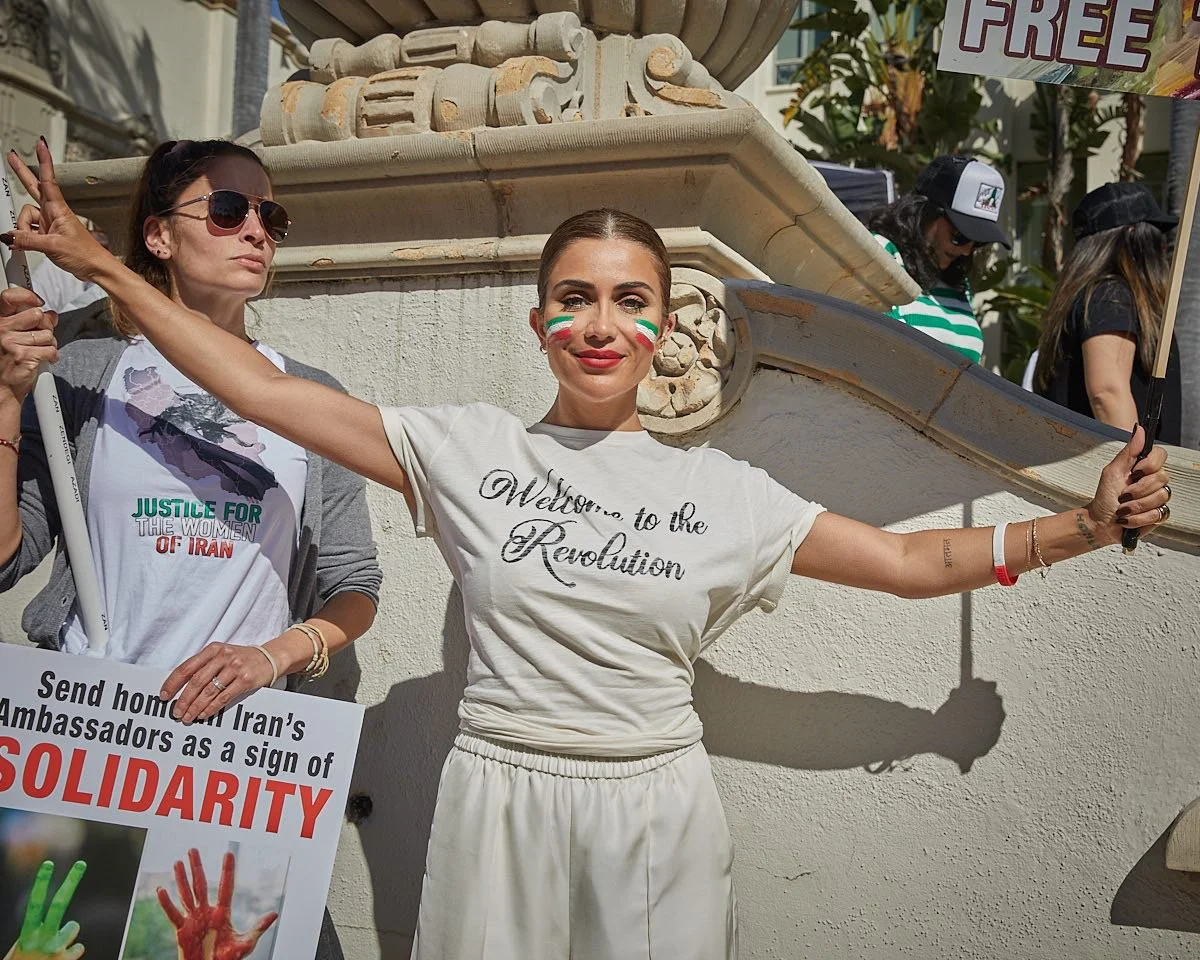
Image courtesy of Azadeh Afsahi
Do you believe there is a free future ahead for the women of Iran? What can the international community do better?
Absolutely. Long before the Woman, Life, Freedom movement, Iranian women showed the world extraordinary courage, resistance, and refusal to disappear. But symbolic solidarity alone is not enough. The international community must stop treating Iranian women as inspirational headlines while failing to create meaningful political pressure, accountability, refugee protections, and long-term support systems.
One important step would be to stop normalizing and legitimizing the Islamic Republic on the global stage while Iranian women continue paying the price for resisting it. For example, we continue to see foreign officials travel to Iran, participate in diplomatic and economic agreements, and comply with the very laws Iranian women are being imprisoned and killed for resisting. We see international journalists enter Iran and follow mandatory hijab laws while failing to fully report on executions, political repression, and human rights abuses happening simultaneously. These actions may appear diplomatic, but to many Iranians they feel like participation in the normalization of oppression.
If governments and institutions are unwilling to truly stand with Iranian women, then at the very least they should stop making deals with the same regime inflicting this pain. Because what message does that send to survivors risking their lives for freedom? It communicates that political and economic interests matter more than their suffering, dignity, and humanity.
You competed as a triathlete three months postpartum and also pursued Everest expeditions. How have endurance and physical challenge shaped your understanding of resilience and recovery?
I believe both the body and the mind must be trained through challenge. Those experiences taught me how deeply connected physical endurance and mental resilience truly are. I remember climbing with a high fever and being told by a guide, “It’s all in your mind, if you believe you can reach base camp, you will.” Trauma recovery often mirrors endurance training. Progress is not linear, and healing requires patience, and compassion toward yourself and the experiences you carry.
Burnout has become a global epidemic. What are some tools people can use to reconnect with themselves before they completely shut down?
People need to give themselves permission to rest before collapse becomes the only option. Modern life often celebrates overworking and constant productivity, especially for women and mothers. Burnout is the nervous system’s response to prolonged disconnection from self, meaning, community, and rest. Just because burnout is invisible does not mean it is not real. Allow yourself to be human, take breaks and learn to say, “no”.
In a world saturated with crisis and uncertainty, how do you personally stay hopeful?
I am not sure hope is always the right word. I think humanitarian work teaches you patience more than optimism. We are living in a world where systems often prioritize money and power over humanity. But I stay grounded by learning from the survivors themselves, witnessing their resilience, their ability to rebuild, and their refusal to completely lose their humanity despite unimaginable circumstances. They remind me every day that even in the darkest environments, they find the light.
What upcoming projects should we be watching for next?
We are continuing to expand Houses Inc. and, following the success of Iran House, we have begun developing Afghanistan House as well. We are also working on ways to continue providing support despite internet blackouts and digital repression. In addition, we are developing a 24/7 global crisis helpline to provide accessible trauma-informed support for individuals impacted by war, political violence, displacement, and psychological crisis. Another project we recently launched is “Grandma’s Stories,” an initiative focused on teaching both boys and girls in Iran about equality from a young age because lasting cultural change must begin early. Our motto for the project is: “Empower the girls. Educate the boys.”
What is your motto in life?
Spend less time talking about the problem and more time finding solutions.
To learn more about Azadeh Afsahi, please check out the links below:
Website | Instagram | BIO | Linkedin
As the founder of the viral site Plants With Krystal, Krystal Duran has dedicated herself to more than just content creation; she has built a community where plants are not merely decor but living beings that grow alongside us, they are companions from the moment a seed germinates through maturity, and through the love and grief that accompany life. She has cultivated a philosophy of life rooted in love and growth, shaping both how she lives and how she connects with others, by that, she channels the wisdom plants have given her into serving her community, supporting causes such as youth and children with special needs, as well as Food Finders and local food-access initiatives.