Art-Pop Singer-Songwriter Freya Everest on Storytelling, Womanhood, and Freedom
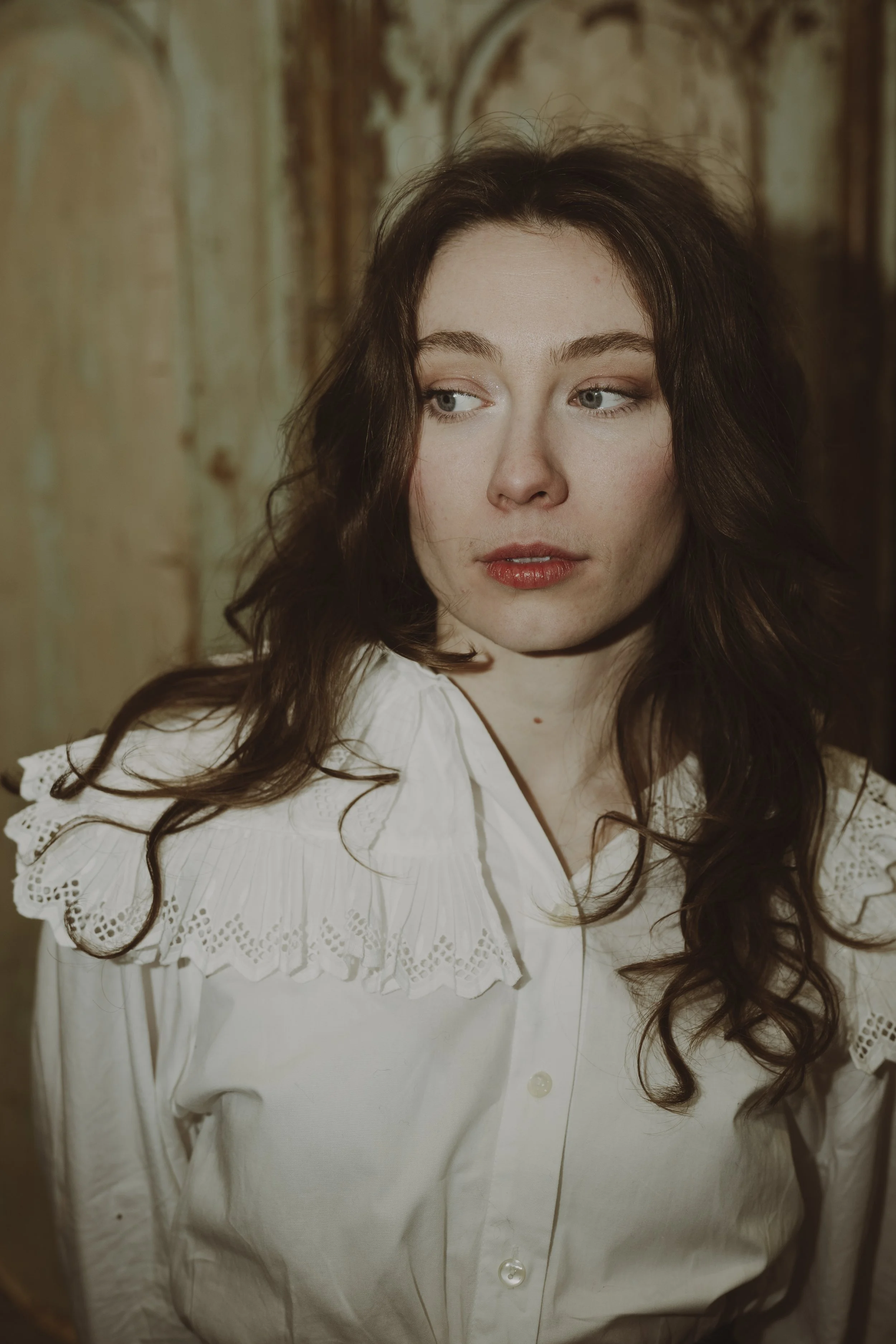
Freya Everest is a London-born musician with strong electronic and folk influences that are inspired by other lyrically-focused women like Florence Welch, Lily Allen and Joni Mitchell. She advocates passionately for women’s rights, trans protection, mental health awareness, and the promotion of he Green Party. Her music career is just officially getting off the ground, but her storytelling abilities shine through her debut single “Monique” that dropped in May.
Where are you from?
London, between Finsbury Park and Ally Pally.
How has your background and heritage influenced yourself and your art?
I went to state school and grew up in a pretty nice middle-class part of North London to creative parents with very good music taste. I had exposure to a variety of music from a young age — my dad is more of a Wings and ELO fan, whereas my mum loves Soul II Soul and Basement Jaxx. Art was always encouraged throughout my childhood, which I think blessed me with the confidence to experiment. I have always felt safe to express myself which is a huge privilege. On my mum’s side there is a family history of music and Spanish heritage which has definitely had an influence. My abuelo is a really beautiful singer. I still have the pleasure of hearing him play the harmonica and sing traditional Spanish songs. His father also sang on the radio in Gibraltar during the 50’s and 60’s. My mum is gutted it seems to have skipped a generation lol. I also love London so much, and having been surrounded by different communities all my life. It’s got such a glowing music scene. It’s diversity and vibrancy have hugely influenced my style and tastes. I don’t like doing things that I have heard a million times before, I like unique ideas and incorporating variety into my sound.
What inspired you to get into music?
I’m not sure what catalysed my love of music — it’s always been there. I went to a catholic primary school and we sang a lot of hymns at church. I’m not religious, but spending time in places of worship and experiencing communal singing definitely birthed a love of harmony and the power music has to connect us. I think my first performance at age 10, in my primary school rendition of “The Wizard of Oz”, where I played the Cowardly Lion, is where I got my first taste of solo performance. I was in a few bands in my adolescence, too, and people seemed to react really positively to my voice, so it all grew from there. The decision to approach it a bit more seriously really happened during lockdown. After breaking from music during my time at art school, I missed performing and I wanted to mix up my creative output. I thought it would be fun to see how I could use music instead of visual work to express myself artistically.
How would you describe your sound/genre of music?
I always find this a bit tricky. I guess it’s alt-folk/electronic, but sometimes it’s a bit pop and definitely borrows elements of jazz. Art-pop is a term I came across fairly recently, and that seems to most closely encapsulate my musical process and creative intentions.
I am reminded of Florence and the Machine when I listen to your music. Who are some of your biggest inspirations for your sound and storytelling?
Ah so flattered! Florence is definitely on the list. Sound wise I’m influenced by a real diverse set of music. I always cite Fela Kuti, Joni Mitchell and Four Tet as my holy trinity. The dream would be to perfectly merge their respective sense of rhythm, lyrical/folk prowess and electronic layering. I don’t think my music really sounds like any of them, though, I just think they are individually doing something distinct and very well. They inspire what I deem to be the key components in my own music. I think the artists that I fall into a similar category with and those whose story telling/artist identity I love are Cate Le Bon, This Is The Kit, Clairo, Cat Power, Laura Marling, Alice Phoebe Lou — basically sexy, whimsical, intelligent women.
Your song “Monique” dropped May 1, and was your debut single. What made the timing right to officially begin releasing your work now? How did you know you were ready?
To be honest, it was mostly a confidence thing but also trying to be a bit strategic. I wanted to have a few songs ready to go before I started dropping anything, but also wanted to make sure what I had was good enough. Aside from a few songs in my adolescence, I only decided to try writing my own music after the pandemic. So the first few years were spent building my catalog and re-gaining confidence with live performance, then the last year was spent tidying up the tracks I wanted to share.
How do you explore your own relationship with womanhood through this single? What does it mean to you?
What a really lovely question. I think at its core, this single is rooted in frustration. Frustration at the limitations I experience as a woman, the daily compromises I make anticipating unsafe behaviour (disproportionately) from men. There’s a lot of “girl power’” “independent women” rhetoric that gets thrown around - I do love that - but I guess I wanted to create something that looks at a more sober reality of moving through life in this body. Not to identify or paint women as victims, nor to pit women against men (I love men deeply), but to accept and appreciate the reality of experiencing the world as a woman. I guess it speaks to resilience, too. How I plow on in spite of this daily acknowledgement. Women are strong for this. I wasn’t looking to inspire women to be anything or change, but to hopefully feel acknowledged and validated. As much as I hope the song helps women (and other gender identities that feel vulnerable to misogyny) feel heard, I hope the men vibing to it take a moment to really listen.
What is your favorite lyric from “Monique”? My personal favorite was, “She is a woman like many others scared to walk alone.” What was going through your mind when you wrote that line?
I quite like “Monique just wants to feel safe” — it’s very unpoetic and to the point, but also very economical. The ‘just’ shifts what would have been a pretty basic statement, to something that encapsulates so much more: the frustrations, the longing for things to be different, the idea that safety is a basic need and shouldn’t be too much to ask for. It encourages the questions, “Well, why doesn’t she feel safe?” “How might she feel safer?”
Another line which coursemate and talented lyricist Sophie Bokor Ingram (of So Good) penned is also a personal favourite: “would she ever be looked at and seen?” It perfectly captures an often blurred line between lust and love, and most women’s desire to be valued beyond our bodies; not objectified, but appreciated for our minds and ideas too. When I wrote “she is a woman like many others, scared to walk alone”, I was thinking about myself coming back home after a night out or even just from work during the winter when it gets dark really early. I was thinking about how often I have to adjust my route or call a friend to feel better protected. It’s trying to express that feeling of hyper vigilance and a desire to be relieved of this.
What was your reasoning behind including the voicemail in the song?
I thought stylistically it would create some nice contrast and break up the song a bit. It was actually a pretty last minute idea. I recorded it in my bedroom a few weeks before sending it off for mastering. It felt a bit Lily Allen and I love a bit of Lily Allen. I also wanted to capture something that pulls the narrative into the modern day. The Man Ray image that inspired the track is from the 1930’s and the strings have a bit of a vintage feel too, so I wanted to add in something that women could resonate with today. We’ve all called a mate to check they got back safe, or sent a text, or said it to them when we depart. I wanted to relate the central message and story to a more contemporary experience.
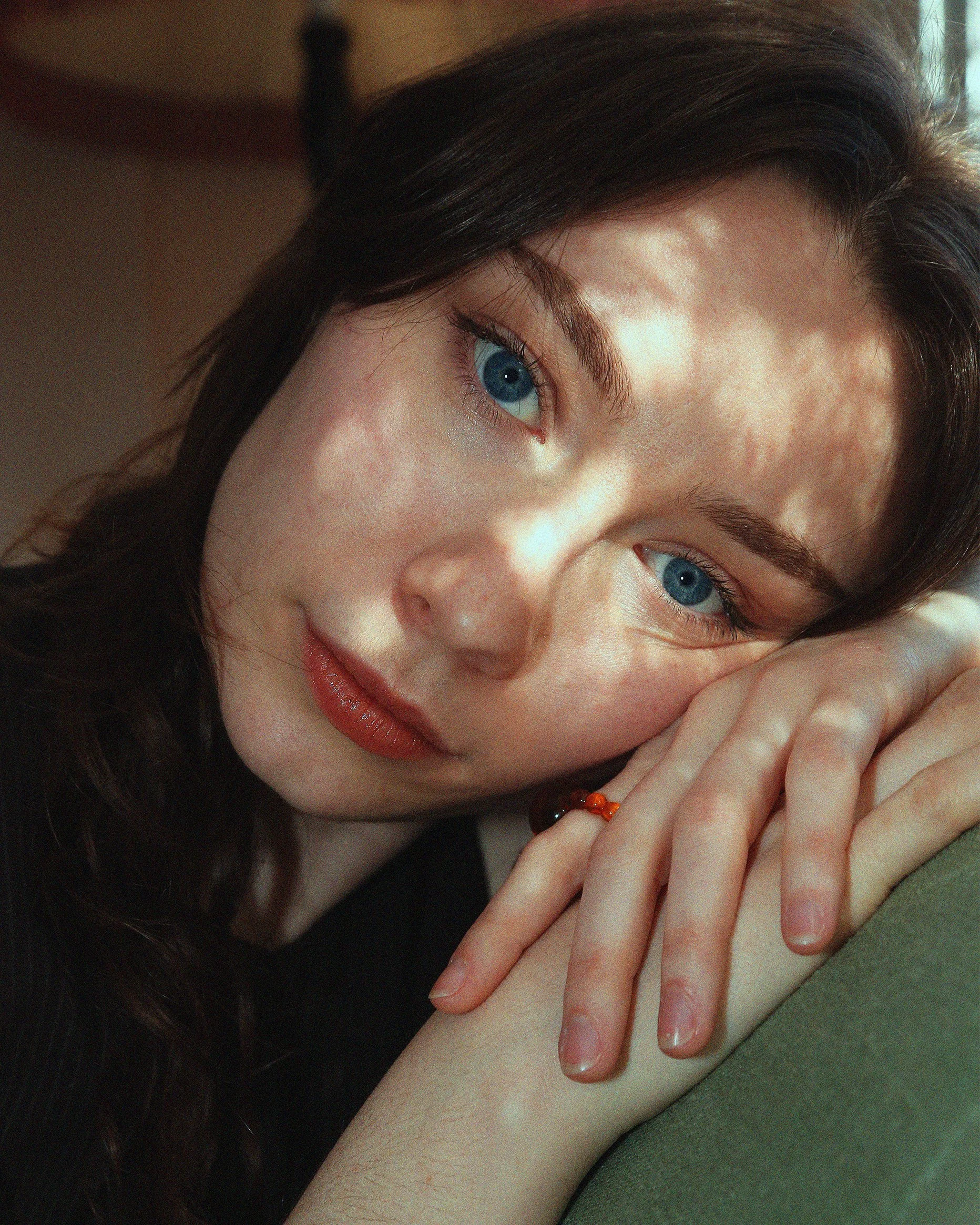
You’ve said that the rights of all women, with an emphasis on trans women, is a cause close to your heart. How do you advocate for women’s rights both in your daily life and through your music?
I try to talk to the men in my life about my experiences as much as I can and listen to others about theirs. I like to have open conversations with people whenever the moments arise, without judgement. There’s a lot of fear and miseducation around transgenderism, which makes me pretty sad and angry. In my understanding of the world, trans women are women and their rights are women’s rights. The two things are not separate issues, they are completely intertwined. One of the big reasons I support and have been campaigning on behalf of the Green Party is their inclusivity of the trans community and passionate advocacy for all human rights. As for my music, I always try to convey messages that resonate with my personal beliefs around equality and freedom. A lot of my music is about freedom. I cannot speak for other people, but I can for myself and I hope that what I believe and feel comes through and resonates with others that might feel limited in similar ways.
What advice would you give to your woman listeners who feel frustrated or defeated by their societal mistreatment? How do you encourage them, and yourself, to remain strong and optimistic?
Keep talking to each other and finding solace in the people that understand. Also get some really robust boundaries and stick to them like your life depends on it. In truth, I’m not always so good at this. I think women are often socialized to people-please much more than men. I personally have a difficult time with the word no, but it’s really important. Use it often when things don’t feel right and be as ambitious as you want. Also go to the gym and lift weights. Feeling physically strong is so empowering. Looking after your physical health and doing things that give you a sense of purpose really helps.
You’ve also cited mental health awareness as a cause that has great importance to you due to your own experiences with anxiety and depression. Why is it so important to advocate for yourself now more than ever in relation to your mental health?
Even at this level, pursuing a career in music is extremely demanding. Independent artists do almost everything themselves, so it’s become even more important for me to regularly take breaks to mitigate burnout. I often feel like I’m not doing enough, but am slowly adjusting to a more balanced way of approaching it all so I can continue to make work long-term.
What role does community play in a more positive mental health for you? What do your support systems mean to you?
My support systems are everything to me. I am so lucky to have some really supportive friends and family. I also practice a lot of self-compassion — that’s almost an internal community you build with yourself. You ultimately have to be your biggest cheerleader, but my beautiful support systems are there when I might be struggling with this.
You have previously volunteered at a homeless shelter. What inspired this and what did you learn from that experience?
It was during lockdown just after I graduated from art school and I was feeling really isolated. The prospects of making art all looked quite bleak and I was doing a lot of work remotely so I decided to do something that would give back to the community and hopefully give me a sense of purpose and routine too. It was so lovely. The residents were really incredible people. I helped a man prepare a CV and I also briefly started an art club. One resident there made his first painting at 50. It was so lovely to watch the creative process drive his self expression and generate joy. The whole experience made me starkly aware of my own privileges, it helped me build even more empathy for the vulnerable adults and the people working there full time. It also made me realize how consequential your socioeconomic status is in determining your capacity to engage with and make art. It is still an ambition of mine to make art more accessible and widely practiced. I’m not quite sure how I will do that yet, but I’d like to.
You are a very active member of the Green Party. What drew you to the Green Party vs the other parties? The two party system is unfortunate, however, there is a lot of concern about deviating away from it, with our current situation, instead of filling the democratic party with progressive candidates. Please let us know your thoughts on this? How would you like to see the Green Party getting more of a voice?
I think we are reaching a point in the UK, the West, and a large part of the world, where we need a complete system rewrite. Capitalism is failing everyone, but a very small few, it’s destroying our planet, and is completely unsustainable both economically and environmentally. To me the Green Party were the only party offering up genuine socialist policies actively working to reverse some of this damage and prevent total devastation. A lot of people think they are more radical, I don’t. I think they are just the furthest from a very broken political landscape. I think the only way we can experience change is deviating from the status quo. If that means breaking the two party system in America, or having a more fragmented election here in the UK then so be it. Politics is so volatile, I hope that the Green Party continues to build on their very successful local election campaign and maintain a strong message. The mainstream media need to give them more screen time. It makes sense why they don’t, most media outlets have a capitalist agenda and are run by people that would very much like things to stay as they are. I hope this will begin to shift now the Greens are becoming harder to ignore. I’m hoping that, with several council majorities and MP’s in parliament, they will slowly start to strengthen their voice amongst political peers, too. Ultimately this is about making life enjoyable and fair for all, and I think the Greens have the right ideas about how to do that.
What can we expect next from you in the short term? Does this single lead into an album roll out, and what can you tease about that project?
Yes it does! I have a couple more singles which make up a six track EP releasing late Autumn. The EP is called “Limings” and it’s a collection of songs I’ve produced over the past few years that either advocate for or celebrate freedom in some sort of way. Half follow female characters, one is about phone addiction and the next single (Honey TV) is just about being at home with your favorite people and feeling cosy and safe. Stylistically, they move from three string ensemble folk, to art-pop, to more experimental electronic.
It has been a crazy last few years, and probably at least three more. How are you staying positive?
Focusing on the smaller things, not dwelling on what is fundamentally too large for you to have much control over, and finding community. You can often feel powerless to a lot, but focusing on what you can do to make a positive difference within your immediate circle, finding purpose at the local level, has personally helped to keep me sane. I try to prioritize my health and relationships above everything else. If you can stay fit and have good people around you that helps a lot. Meeting people in the Green Party, who share my values and ideas about how to build a fairer and healthier society, has also really helped give me hope for the future and a sense of purpose and empowerment.
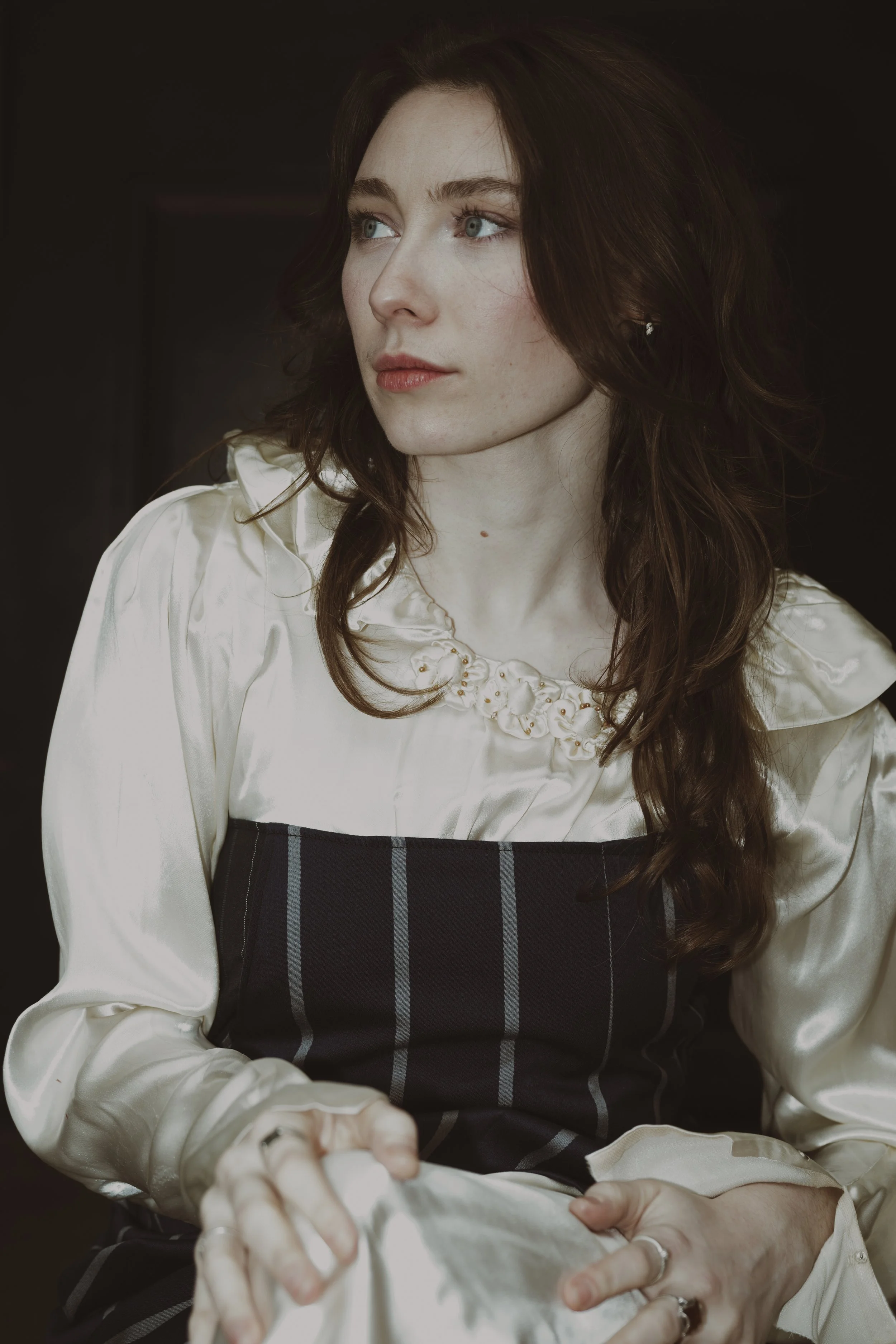
What is your motto in life?
-Let it go.
-When things don’t go how I hoped, trust that it was to make way for something more aligned.
To learn more about Freya Everest, please check out the links below:
Instagram: @freya.everest
TikTok: @freya.everest
Photographer Simran Kaur.


Multidisciplinary producer, composer, vocalist, and engineer Reifier just released their debut EP titled “The Unfolding.” The project is an experimental electronic journey that explores self-discovery and transformation. Dedicated to supporting women and LGBTQ artists, Reifier also co-runs a supportive music studio called Forastero Sound and Music. To learn more about Reifier and their new music, read on.