
Hair Care Routine for Stress Relief
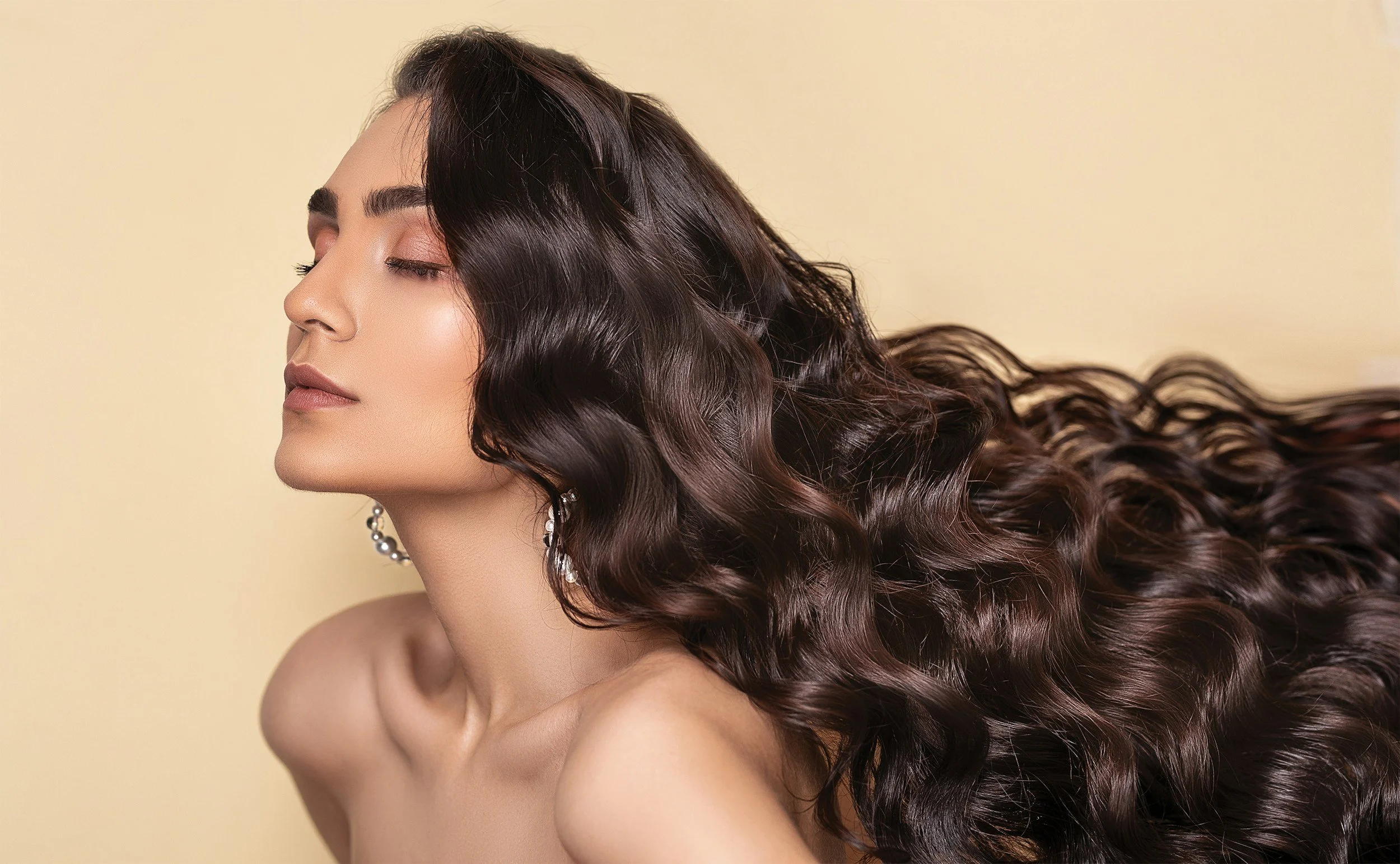
A well-designed hair care routine can play an important role in stress management and hair health. Many are unaware of how psychological strain from the daily grind manifests physically in their hair. Prolonged stress is known to disrupt the hair growth cycle (specifically through a condition called telogen effluvium), often leading to increased shedding and changes in scalp condition.
Check out the hair care practices we've explored below to boost your psychological well-being and follicle function in 2026.
The Science Behind Scalp Care and Stress Relief
The link between the scalp and the nervous system is profound. Scalp stimulation - particularly through massage - directly influences the body's physiological state. Targeted scalp massage can help reduce cortisol levels (the body's primary stress hormone) while lowering blood pressure and heart rate. From a biological perspective, this physical manipulation promotes vasodilation, thereby improving blood circulation to the hair follicles.
Enhanced blood flow ensures that oxygen and essential nutrients are delivered efficiently to the roots. This creates an optimal environment for your hair to thrive while simultaneously triggering the release of the feel-good hormone serotonin.
Creating a Calming Hair Care Ritual at Home
Building a repeatable, mindful routine is essential for easing tension. Start by slowing down the process: instead of a rushed morning scrub, opt for a gentle wash using lukewarm water. Focus on the product's feel on your skin and the rhythmic movement of your fingertips. Consistency is key here - the brain finds comfort in predictable patterns, so a structured evening or weekend ritual can help emotional stability.
Styling should also be a low-pressure affair. Over-manipulating the hair can lead to breakage, adding to one's frustration. For an instant confidence boost without adding extra effort to your routine, you can incorporate hair fibres to create the appearance of fuller, thicker hair while maintaining a low-stress styling approach. It allows you to look your best while your follicles recover from the physiological effects of a busy lifestyle.
The Role of Scalp Massage in Hair and Mental Wellness
To reap the full benefits, one must go deeper into the technique. Ideally, a scalp massage should last between five and ten minutes and be performed daily or several times a week. Using the pads of your fingers (never the nails), apply light to medium pressure in small, circular motions, moving from the hairline towards the crown and nape.
This practice stretches hair follicle cells, potentially supporting hair thickness, and serves as a digital detox, helping you disconnect from screens and reconnect with your physical self.
Enhancing Your Routine with Oils and Sleep Habits
Complementing your routine with aromatherapy and proper sleep hygiene can amplify these benefits. Incorporating essential oils like rosemary can enhance the sensory experience and soothe an itchy, stress-inflamed scalp. Using specialised scalp-massaging tools can also provide a deeper, more consistent pressure than manual massage.
Pairing a nighttime scalp ritual with a consistent sleep schedule helps your body remain in the restorative parasympathetic state for longer, allowing your hair and your mind to regenerate effectively.

In the world of makeup and skincare, the 2020s have been defined by little to no visible product on the face. “Clean girl” minimalism and the “no make-up make-up look” have long lapped the 2010s passion for big, blocky eyebrows, cut creases with thick eyeliner, blinding highlighter and overdrawn lips. As someone who began her makeup journey during that heavy, colorful era, I yearn for the days when people wanted to go outside wearing more than the latest in an endless parade of lip oils.