
How Advanced Education Is Shaping the Future of Skincare Professionals
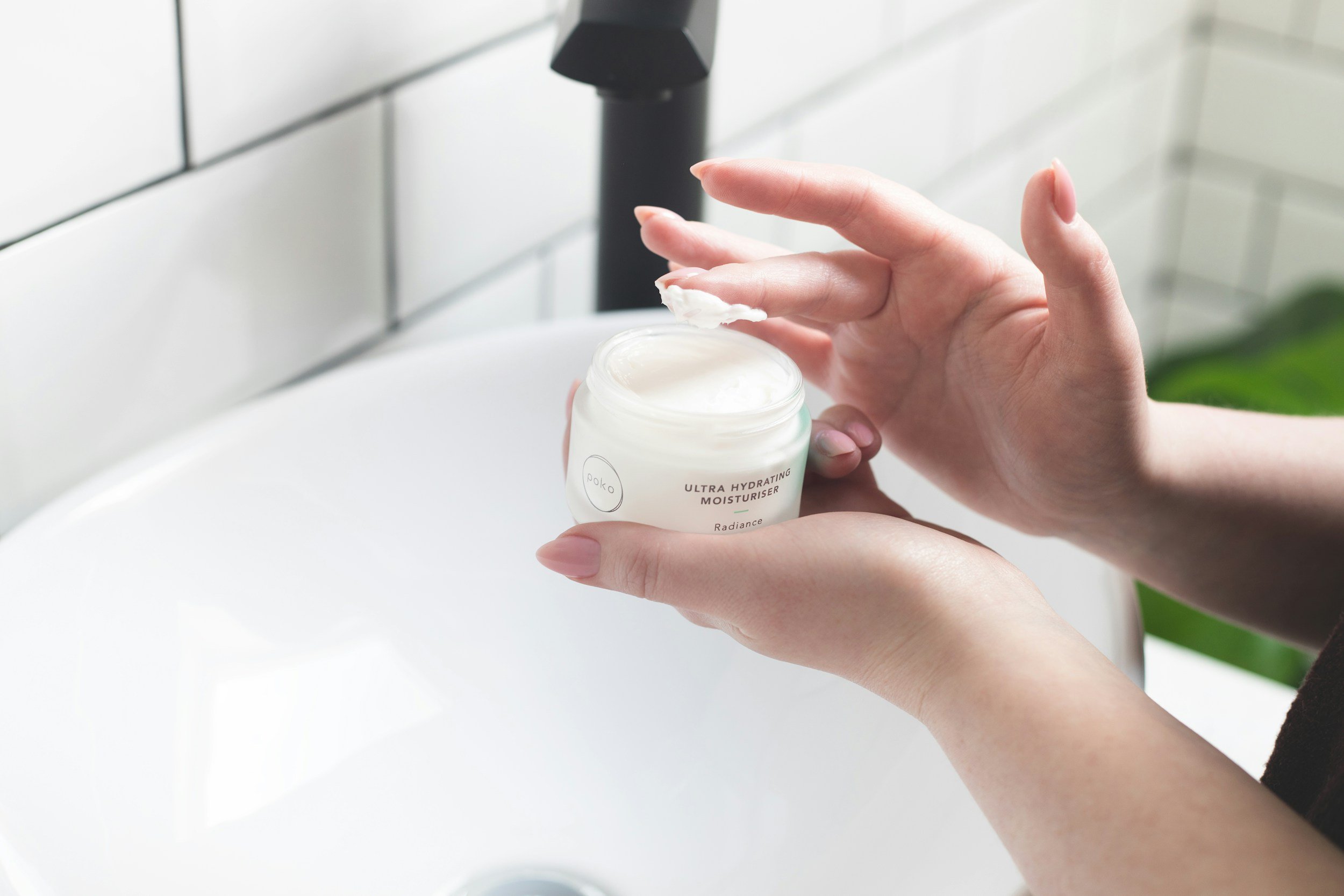
Remember when everyone suddenly decided coconut oil belonged on their face?
Or when pore strips were the holy grail of skincare, only for everyone to later realize they weren't exactly doing what we thought they were? Then came jade rollers, charcoal masks, snail mucin, slugging, skin cycling and the race for "glass skin." Somewhere in the middle, LED masks went from looking like props from a sci-fi movie to becoming perfectly normal bathroom accessories.
And let's not forget the beauty brand boom. Almost overnight, it felt like every celebrity, influencer and content creator had a skincare line. Rihanna gave us Fenty Skin. Hailey Bieber made glazed skin everyone's new obsession with Rhode. Kylie Jenner expanded into skincare. Even people with no professional background in dermatology or esthetics were suddenly telling millions of followers exactly what products to use and which treatments were "must-haves."
Don't get us wrong—social media has done a lot of good for beauty. It introduced people to ingredients like niacinamide and ceramides, made sunscreen part of the daily conversation and encouraged more people to actually learn about their skin.
But it's also made skincare... noisy.
When one video tells you to exfoliate every day and the next says you've destroyed your skin barrier, it's no wonder clients are showing up with more questions than ever before. That's exactly why professional esthetician training has become such a big deal.
Today's estheticians aren't just learning how to perform facials. They're becoming part scientist, part educator and part myth-buster in an industry that changes almost every time you refresh your feed.
Beauty Consumers Have Never Been More Informed
One of the biggest reasons education matters today is simple: clients have access to information like never before.
Need to know whether an ingredient actually works? There are dermatologists breaking down research on YouTube. Curious whether a luxury moisturizer is worth the price? Chances are someone has already compared its ingredient list to a drugstore alternative. Wondering if a product is irritating people's skin? Give it a few hours and TikTok, Reddit or Instagram will probably have plenty to say.
Social media hasn't just changed how people shop for skincare—it has changed what they expect from it.
Consumers have become far more ingredient-savvy. They're reading labels, learning the difference between retinol and retinal, checking percentages of active ingredients and asking questions they probably wouldn't have known to ask five years ago.
That shift has pushed the entire beauty industry to raise its standards. Brands know they can't hide behind pretty packaging forever because disappointed customers are quick to share their experiences online. A single viral review can introduce a product to millions of people—but it can also expose foul play just as quickly.
For skincare professionals, that means keeping up isn't optional. Clients expect answers backed by knowledge, not marketing.
More Choice Means Less Room for Mediocrity
The beauty industry has never been more crowded.
Celebrity brands, indie labels, dermatologist-developed lines, K-beauty, French pharmacy staples, luxury skincare, affordable skincare—there are thousands of options competing for attention.
That's actually good news for consumers.
People no longer have to settle for products that don't suit their skin because there are countless alternatives available at almost every price point. If one brand disappoints, another is only a click away.
The same applies to skincare professionals.
Clients aren't choosing an esthetician simply because they're nearby anymore. They're reading reviews, looking at before-and-after photos, checking credentials and paying attention to recommendations online.
In other words, education has become part of what sets professionals apart.
Clients Want Guidance They Can Actually Trust
Buying skincare has never been easier.
Knowing what to buy? That's another story.
Between influencer recommendations, celebrity routines, sponsored posts and endless product launches, it's easy to feel overwhelmed. Clients often arrive with bathrooms full of half-used products and a routine pieced together from half a dozen creators who all promised glowing skin.
What they're really looking for isn't another product.
They're looking for someone who can explain why their skin is reacting the way it is, help them simplify their routine and recommend treatments based on their individual needs—not whatever happens to be trending that week.
That's where advanced education makes all the difference.
Advanced Treatments Leave No Room for Guesswork
Professional skincare has also become far more advanced than the classic facial most people picture.
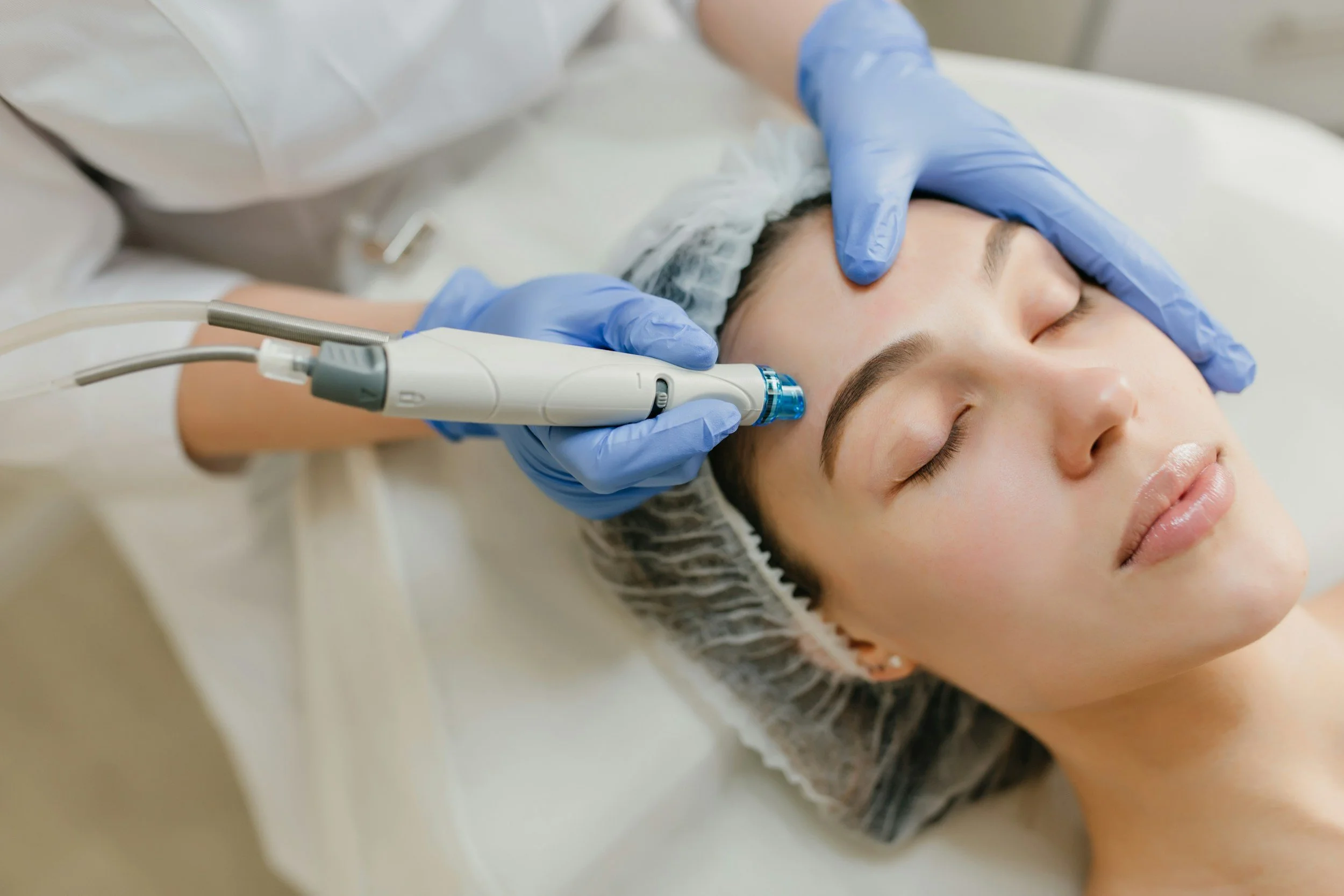
Laser hair removal, microneedling, chemical peels, radiofrequency skin tightening, LED therapy, body contouring treatments and technologies designed to reduce the appearance of cellulite have become increasingly common in salons and medical spas. Clients are investing more money in these procedures because they expect noticeable, long-lasting results.
But these treatments also come with greater responsibility.
Using the wrong laser settings, overlooking a client's medical history or performing an advanced treatment without proper training can lead to burns, pigmentation issues, scarring or other complications.
And in today's world, news travels fast.
One negative experience can quickly become a viral review, damaging a salon's reputation almost overnight. For beauty businesses, investing in education isn't just about delivering better results—it's about protecting clients, building trust and safeguarding the reputation they've worked hard to create.
Looking Ahead
There will always be another buzzy ingredient, another celebrity skincare launch and another treatment promising to transform your skin overnight. Some trends will earn a permanent spot in our routines. Others will quietly fade into beauty history.
What won't change is the value of real expertise.
As clients become more informed and treatments become more advanced, skincare professionals are expected to do more than deliver great results.


In the world of makeup and skincare, the 2020s have been defined by little to no visible product on the face. “Clean girl” minimalism and the “no make-up make-up look” have long lapped the 2010s passion for big, blocky eyebrows, cut creases with thick eyeliner, blinding highlighter and overdrawn lips. As someone who began her makeup journey during that heavy, colorful era, I yearn for the days when people wanted to go outside wearing more than the latest in an endless parade of lip oils.