
How The U.S. and Israel’s War On Iran Is Affecting The Global Economy
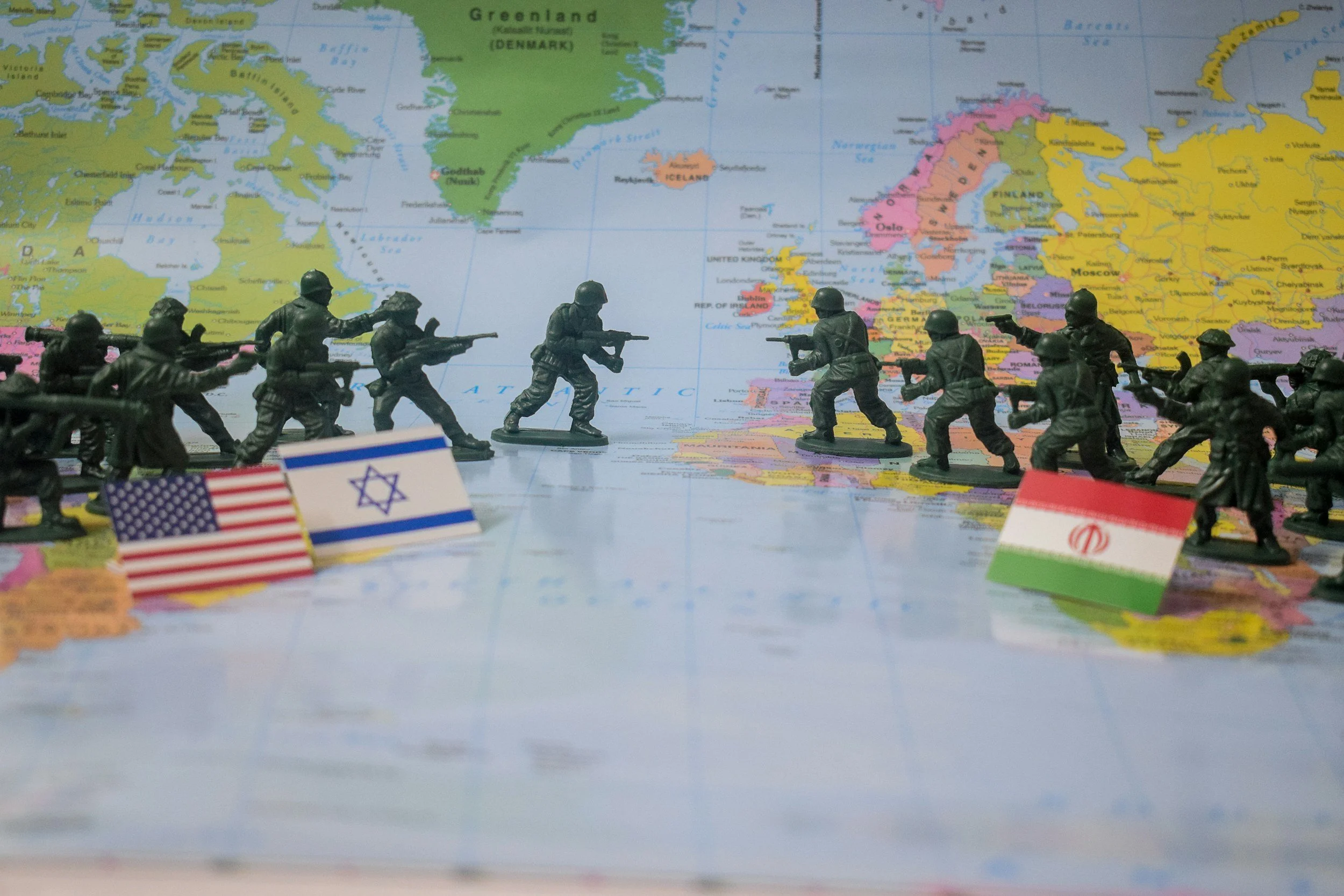
Since the start of the U.S. and Israel’s war on Iran, countries all over the world have been able to feel its repercussions. Countries on edge are starting to impose stricter energy resource conservation measures as critical fuel supplies dwindle, prices are rising worldwide, and the UN is warning of catastrophic consequences the longer this conflict continues, all while U.S. President Donald Trump has vowed to continue attacks until Iran surrenders unconditionally. It is estimated the U.S. is spending roughly $890 million a day on this war.
Approximately 20% of the world’s oil supply passes through the Strait of Hormuz which closed in early March. Even with energy conservation efforts the world is burning through its supplies.
“With even the modest estimates we have now, the loss of oil in April will be twice the loss of oil in March,” Faith Birol, Executive Director of the International Energy Agency, said on a recently released podcast.
How Are Other Countries Dealing With The Effects?
On March 11, the 32 member countries of the International Energy Agency unanimously agreed to release 400 million barrels of oil, marking the largest release of emergency stockpiles ever recorded. Meanwhile, countries across the globe are advising their residents to decrease travel, turn off air conditioning and electricity, and work from home.
Although many countries across Asia will be greatly affected by this conflict, South Asia is in a particularly vulnerable place because of their heavy reliance on oil and gas imports from the Middle East.
India is known for importing roughly 85% of its LPG and sourcing about 50% of its LNG (liquified natural gas that’s crucial for fertilizers, electricity, and transport) from the Middle East. India’s Ministry of Petroleum and Natural Gas recently ordered refineries to boost their LPG output for domestic consumption only. Their government also invoked their emergency powers in order to divert fuel away from industrial users and keep households supplied.
Like many countries, Pakistan and Sri Lanka have imposed their own work from home policies, though Sri Lanka has even implemented a fuel rationing system. In order to keep its garment factories running, Bangladesh has begun orchestrating strategic blackouts and shutting down university campuses.
The Philippines has transitioned to a 4-day work week with officials asking offices to switch off computers during lunch breaks in hopes of reducing the government's energy use by a fifth. In Vietnam, officials are asking to keep fuel supplies high, while Thailand has halted exports to protect its limited resources and is searching for other domestic energy sources. The halt in Thailand’s exports has led to a third of Cambodia’s gas stations closing.
Leading global exporter and key member of the G20, South Korea, has imposed its first fuel price cap in almost 30 years. Egypt is closing malls, restaurants, and retailers early on weekdays, has plans to reduce public lighting, is having government buildings close by 6pm, and is considering imposing a work from home mandate of their own.
While rural areas in Kenya are already running out of supplies as the country’s biggest fuel suppliers are rationing products, the European Union is taking a slightly different approach by not implementing any emergency measures. Instead, they are putting all of their focus on creating long-term plans to diversify their energy supplies, reducing demand for fossil fuel, and expanding local renewables.
In Russia, a different story is unravelling. The U.S. recently issued a temporary waiver on sanctions on some of Russia’s oil exports. While this reversal of U.S. policy combined with the surge in oil prices can provide Russia with the financial lifeline it needs and aid in global market stability if long-term access is available, it can also fund their war on Ukraine.
The U.S. and Israel’s war on Iran is affecting maritime transports, global supply chains, energy markets, and more. Countries are fighting to keep prices down for households, but if this continues the price of living will increase to an unsustainable level for many individuals and businesses in places like Asia.

Since the beginning of summer, the question has been raised as to whether the United States is experiencing a food safety outbreak; while some clinical cases remain within average ranges, others exceed them, leaving the public with an unsettling impression.