What to Know About the US-Israeli War with Iran
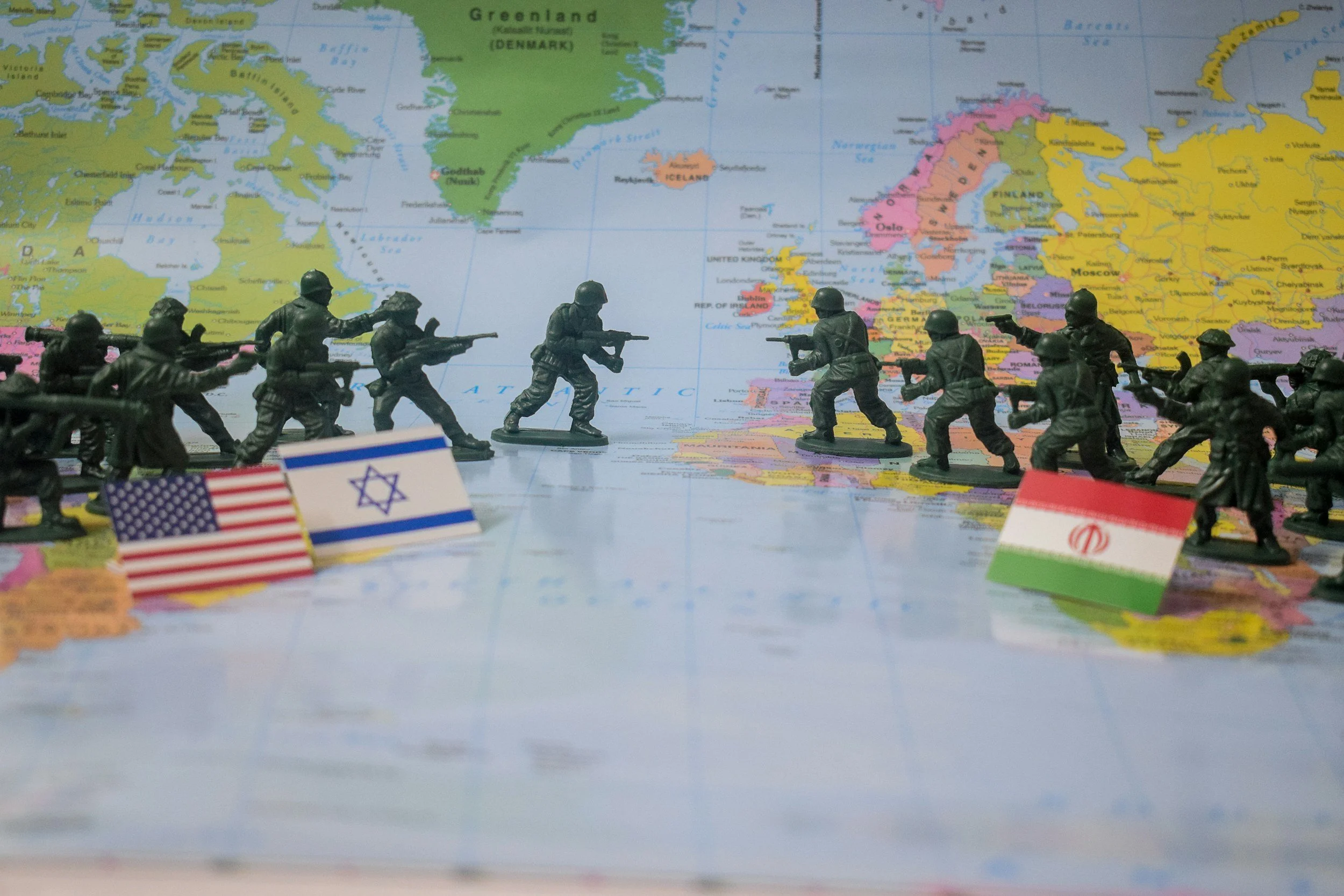
President Donald Trump built a large part of his campaign on the promise to not get the U.S. involved in a war. During the late afternoon on Feb. 27, he gave the orders to move forward with an operation titled “Epic Fury.” Throughout the early morning hours of the 28th, the U.S. and Israel launched joint strikes on Iran. Since then, it has been reported that over 1,000 people, including more than 150 schoolchildren, have lost their lives.
Iran’s Supreme Leader Ayatollah Ali Khamenei and a number of senior Iranian officials have also been killed from the strikes, leaving the fate of Iran’s theocratic government uncertain. The Trump Administration has openly called for a regime change.
Why?
Both U.S. and Israeli officials have offered up conflicting explanations behind the strikes. U.S. Immediately after the first strikes were carried out, Trump described them as “defensive,” while Israel called them as “preemptive,” though neither side provided any evidence of a potential attack by Iran. Israeli Prime Minister Benjamin Netanyahu has also characterized the Iranian regime as an “existential threat.” This has left complications when it comes to discerning the legal and strategic basis for a war in the Middle East that has already led to the death of six American service members.
U.S. officials later described the rationale behind the strikes as a way to prevent Iran from developing nuclear weapons after prolonged nuclear negotiations with the country failed. Part of these negotiations involved the U.S. wanting to prohibit Iran from enriching uranium for the next 10 years. During private briefings to Congress, Trump administration officials also acknowledged the fact that U.S. intelligence did not show any potential plans by Iran to strike.
It is important to note that the threats U.S. officials say they are concerned about include Iran’s nuclear program, which the White House previously claimed to have “totally” obliterated last June.
Although a heavy amount of messaging coming from both the U.S. and Israel have indicated that this war is partially linked to the goal of a regime change, Defense Secretary Pete Hegseth said that the operation is “not a so-called regime change war.”
Over the past few months the U.S. has been moving military forces over to the middle east, allowing them to sustain a prolonged attack on Iran. Trump told CNN that the “big wave hasn’t even happened, the big one is coming soon.”
Should We Be Worried?
Iran’s ballistics missiles program does not have the geopolitical capability to strike the U.S. mainland. Instead, the range of their missile capabilities lie within reach of U.S. military bases in the middle east and American allies like Israel, Turkey, and Egypt. One of the more significant locations threatened by this conflict is Incirlik Air Base, an American military base in Turkey which houses many of the nuclear weapons used to defend Europe.
Rather than striking the U.S. directly, retaliation could be seen through terror attacks. There are a number of proxies sympathetic to Iran in the Middle East, including Shiite Militias in Iraq, Hezbollah in Lebanon, Hamas in Gaza, and the Houthis in Yemen.
The idea and spread of rumors of terror attacks within the U.S. can also be used as a weapon to create fear within the public. This fear can break unity and create an unsafe atmosphere for marginalized groups in America to become further targets of racism.
One way that we have seen retaliation with major economic consequences from Iran is through the Strait of Hormuz. Iran recently announced the closing of the Strait of Hormuz, a narrow passage point between the Gulf of Oman and the Persian Gulf where about a quarter of all global oil trade travels through. The closure of this strait means significantly higher oil prices.
Although, through this tactic, Iran risks losing the support of influential countries, including China, who is currently the world's largest crude oil importer and purchases over 80% of Iranian oil. Thailand, India, Korea, and the Philippines are going to be the most vulnerable to spiked oil prices due to their higher import dependency.
What Can We Do?
Make your voice heard.
State primary elections are happening right now and will set the stage for the general midterm election in Nov. The results of these elections can shape what the last two years of Trump’s term will look like. As a third of the Senate and all of the U.S. House is up for election, your votes can help decide control of Congress. You can also help elect dozens of new governors, legislators, and mayors for more localized change. Check out AP news’ 2026 midterm elections calendar to find out more information.
Media literacy is another important skill we need to exercise. The media can shape public opinion by playing to human emotion through visuals and language. We should beware of sensationalized language within the media and practice thinking critically about the media we consume. During stressful times the spread of misinformation can lead to even more public panic, it’s important to do your research before believing the media you consume.

Since the beginning of summer, the question has been raised as to whether the United States is experiencing a food safety outbreak; while some clinical cases remain within average ranges, others exceed them, leaving the public with an unsettling impression.