
How to Make Your Birthday Party Unforgettable With Live DJ Music
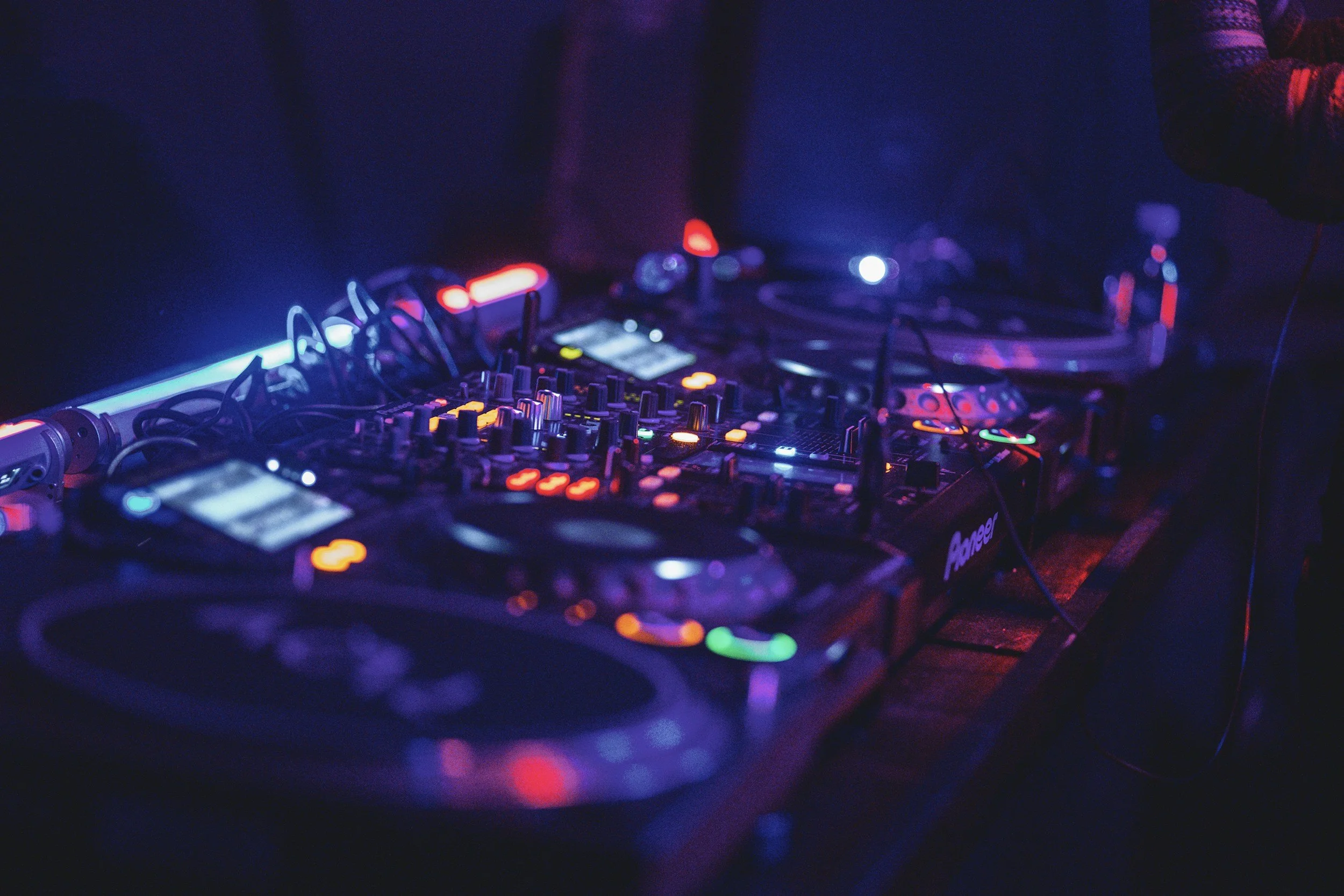
A birthday party lives or dies on energy. You can have the best venue, a great cake, and a room full of people who genuinely like each other—and still end up with a flat atmosphere if the music doesn’t land. The difference between “nice night” and “legendary birthday” is often a DJ who can read the room, pace the evening, and turn a group of guests into a proper crowd.
That starts earlier than most people think. Before you obsess over a playlist, get clear on what you’re trying to create: a high-energy dance party, a classy cocktail vibe that builds later, or a nostalgia-heavy celebration built around shared memories? Once you know the mood, you can find the right DJ for your birthday party by looking for someone whose style and approach match your goal—not just someone with “birthday DJ” in their bio.
The best DJs aren’t human jukeboxes. They’re hosts, sound engineers, and mood managers rolled into one. Here’s how to set them up (and yourself) for an unforgettable night.
Start With the “Vibe Brief,” Not a Song List
It’s tempting to send a 200-track spreadsheet and call it planning. But a huge list can box a DJ in and create whiplash if it doesn’t fit the room. Instead, give your DJ a short vibe brief that answers three questions:
Who’s in the room—and what do they actually dance to?
A 30th with a mixed friendship group behaves differently than a 50th with family across generations. The same song can either unite the room or clear the floor. Share:
Age ranges and any cultural music preferences
The “dance leaders” (friends who’ll start the party)
Any must-avoid tracks or sensitive lyrics
What does “unforgettable” mean to you?
Is it a packed dance floor all night? A big singalong moment? A smooth, elegant soundtrack while people catch up? Define the win. DJs can build toward it—but they need to know what you value.
What are your non-negotiables?
You don’t need many. A handful is plenty: your entrance song, one throwback that always works, a track for a birthday toast moment, and one “end of night” closer.
Build the Night Like a Story (Not a Shuffle)
A great DJ set is structured. Think of it like a film: warm-up, rising action, peaks, breathers, then a finale. If you want the room to feel electric, your timeline matters.
Nail the first 30 minutes
Guests decide quickly whether the party “has a vibe.” Early music should be welcoming and confident, not aggressive. Mid-tempo grooves, familiar hooks, and clean transitions help people settle in without killing conversation.
Plan two or three peak windows
Most parties have natural high points: after dinner, after the cake, and the last hour. Tell your DJ when you want the room to lift. They can time tempo increases and crowd-pleasers accordingly, rather than going big too early and burning everyone out.
Use “reset songs” strategically
Some tracks are palate cleansers—singalongs, throwbacks, or guilty pleasures that pull people back in after a lull. A skilled DJ uses these like punctuation, not constant noise.
Make It Interactive—Without Turning It Into Karaoke Night
A common fear is that a DJ will “talk too much” or do cheesy call-and-response. But interaction doesn’t have to be cringey. The best birthday DJs create moments that feel natural.
Requests: set boundaries that protect the dance floor
Requests can be brilliant if managed well. The trick is to treat them as inputs, not instructions. Agree on a simple rule: the DJ will take requests, but only play them if they fit the current vibe. That protects momentum and prevents one person from hijacking the night.
Dedications and shout-outs: keep them short and meaningful
A quick birthday dedication over a track that matters to you can be a goosebump moment. Ten minutes of microphone time is where parties go to die. If you want speeches, schedule them, keep them tight, and get the music back in fast.
Get the Technical Basics Right (So the Music Actually Hits)
“Live DJ music” isn’t just the person—it’s the sound, placement, and room acoustics. Even the best DJ can’t overcome weak speakers or poor setup.
Match the sound system to the room
A living-room setup in a large hall will feel thin. A club-sized rig in a small space can be painfully loud. Ask your DJ how they size their system for guest count and room shape. The goal is clarity and warmth, not volume.
Don’t forget lighting
Lighting is the cheapest way to make a venue feel like an event. Even subtle uplighting changes the mood instantly. If you want a dance floor, you want some movement and contrast—nothing has to be over-the-top, but “bright room lighting” works against you.
Confirm the logistics early
Power access, load-in time, and where the DJ booth will sit all affect flow. A DJ tucked in a corner behind a pillar can’t read the room properly. Line of sight matters more than most people realise.
Create One Signature Moment People Will Talk About
If you want “unforgettable,” give guests a highlight they’ll retell. It doesn’t need to be expensive or elaborate; it just needs to be intentional.
Here are a few options (pick one, not five):
A surprise mini-set of your “era” (e.g., 2000s pop-punk, 90s R&B, Ibiza house)
A short, high-impact “all-in” dance segment where you ask everyone to join for three songs
A family-and-friends circle moment: one anthem that bridges generations
The DJ’s role here is crucial. They can build anticipation, time it when the room is ready, and land it so it feels spontaneous—even when it’s planned.
Set Your DJ Up for Success on the Day
On the day, the goal is simple: protect the flow.
Share a one-page run-of-show with key times (arrivals, food, speeches, cake, last song). Assign one person—not you—to be the DJ’s point of contact. And trust the process: if you hired well, let them make micro-adjustments based on the room.
Because that’s the real magic of live DJ music. A playlist can’t sense when guests are drifting. A great DJ can. They’ll pull people in, keep the energy honest, and make your birthday feel like it has its own pulse—one that lasts long after the candles are out.
Over my past eight weeks of studying in New York City this summer, I learned a new lesson seemingly everyday. Before then, I had only been on a handful of weekend trips with my friends where we squeezed in every Broadway show we could manage, took Ubers everywhere and never turned down a cocktail or a coffee.