
Why is Trump Really Interested in Greenland?
Since the beginning of his first term, President Trump has had his eyes set on Greenland, though he has been unsuccessful in any attempt to acquire the territory. Now a year into his second term and he has doubled down on such aspirations, only this time he has upped the aggression behind his threats.
Why Greenland?
The answer lies within the territory’s geopolitical position, rare earth minerals, and potential shipping routes. Since the start of World War II, Greenland’s location has been key to the defense of North America. The island is situated just off the northeastern coast of Canada, with over two thirds of the land positioned within the Arctic Circle. Trump has repeatedly framed Greenland as crucial for national security because it's in the perfect position to monitor Russian and Chinese military activity. This presents the option for more strategic control over the region.
Greenland also extends across an essential maritime passage called the GIUK which links the Arctic Ocean to the Atlantic Ocean through the gaps between Greenland, Iceland, and the UK. This makes Greenland critical for controlling access to North Atlantic trade and security
Climate change has caused a recent increase in the melting of Arctic ice, which has allowed for raised levels of international shipping and created a competitive atmosphere around Arctic power. Russia currently controls much of the region as it sits on over half of the Arctic coastline and has asserted its hopes to hold more influence over the area. China has also expressed its Arctic power ambitions, which include building a “Polar Silk Road” as a piece of its global Belt and Road initiative. This initiative has created economic links with several countries around the world.
For the U.S., Trump has asserted that Greenland is also needed for “economic security.” The melting ice has made northern shipping routes accessible for a longer period of time during the year. This fact coupled with the strategic placement of the territory would mean a huge advantage for the U.S. in terms of security and trading power.
Trump has repeatedly cast Greenland as at risk of being taken by Russia and China, though Denmark and many of its NATO and European Union allies have refuted this claim, reiterating their commitment to security in the Arctic region.
The annex of Greenland wouldn’t just be a strategic move to position the U.S. with more Arctic power, the territory is also rich with natural resources, including gas, oil, rare earth minerals, and uranium. Uranium is an especially important element of nuclear power and many of the minerals found in Greenland are used to manufacture modern technology. The island is estimated to be the eighth largest reserve of rare earth. China currently uses its domination over the rare earth industry to push pressure onto the United States. Access to Greenland’s resources would reduce U.S. reliance on China.
As climate change alters the geography of Greenland, these rare earth minerals become more accessible, though acquiring them will still be difficult due to terrain and strict environmental regulations.
How Are We Hurting Our Relationships With Our Allies & Can We Recover?
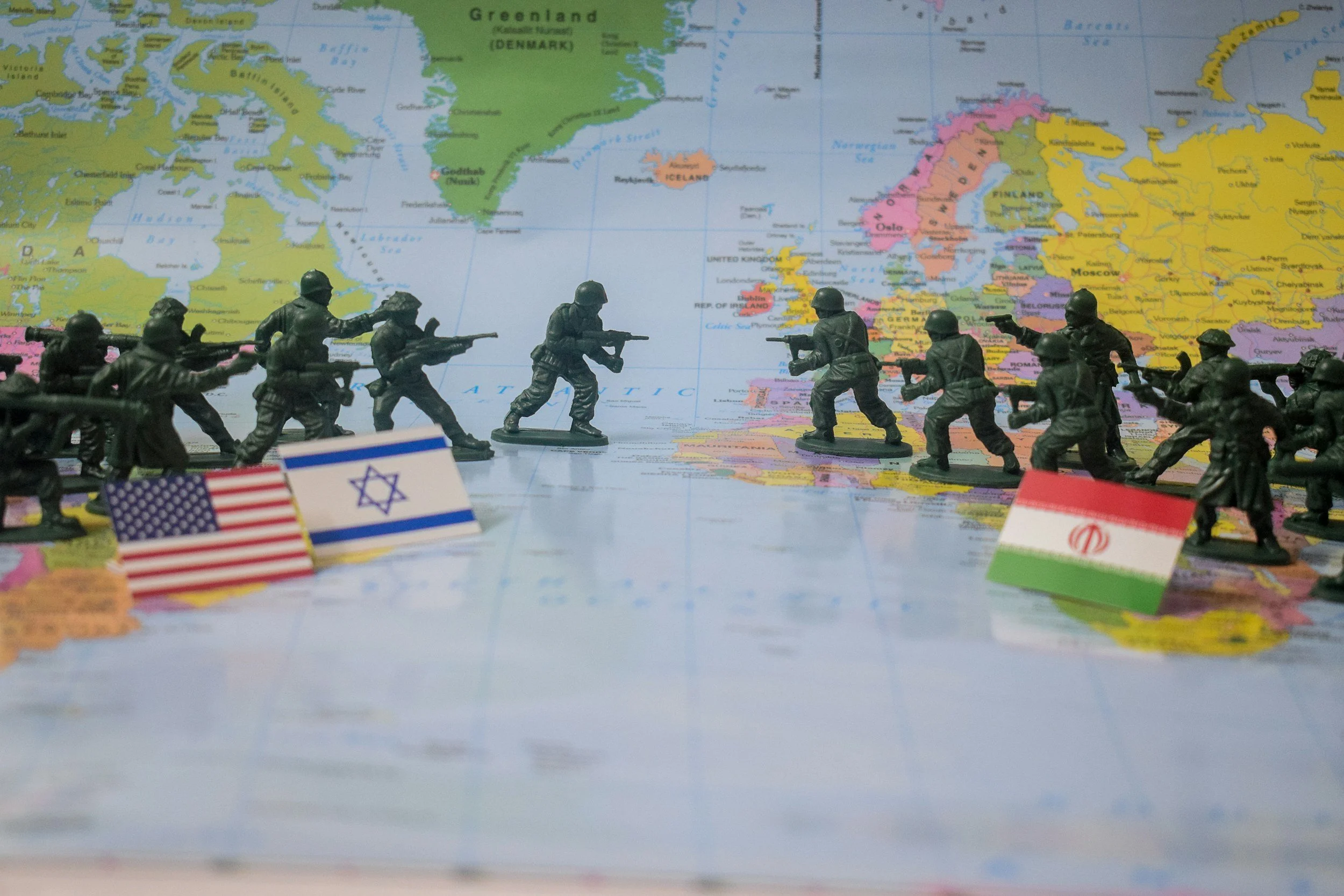
Through the various threats Trump has thrown at other nations regarding the seizure of Greenland, many relationships between the U.S. and their close allies have grown hostile. In the past, several of these allies have tried to appease Trump in hopes of avoiding open confrontation, but it seems as though Trump finally crossed a line. His threats to use military power to annex another nation, specifically a NATO ally, have created vast changes to these long-standing partnerships.
One of the major consequences the U.S. will face as a result of Trump’s actions lies within the realm of trade deals. Although the U.S. president took back his threat to impose tariffs on European allies, the tariffs he imposed on Canada have increased tensions and the nation’s recent actions have made a clear statement in response. On January 16, Canadian Prime Minister Mark Carney visited China to sign a new economic agreement with the nation and has urged European leaders to also seek alternatives to trade deals with the United States.
This damage of transatlantic trust has also led Carney to call for “middle powers,” like Canada, to come together and create a new world order that is less reliant on America and based on shared values.
Just after Trump called off the majority of his threats and called for negotiations on January 21, he announced that the “framework of a future deal” had been reached. This deal would allow the U.S. to expand its military presence on Greenland for a new missile defense network. The deal would also increase NATO presence around Greenland and block Russia and China from having both military and economic access to the island.
Although no threats remain, international tensions are still high as many nations no longer trust the U.S. to show any sign of stability while its government is led by Trump. While the long-term effects of Trump’s aggressive intimidation tactics towards U.S. allies remain unclear, it's possible a short-term consequence could involve less American participation in NATO. The Trump administration will have to work hard to build back trust within ally relationships.
Are There Other Solutions?
In regards to what Trump has publicly said he wants to accomplish, one of the only differences between the U.S. buying or taking Greenland and working with the territory comes down to rare mineral and resource access, although Greenland’s prime minister has said they are willing to work with the U.S. on this issue. In fact, the prime minister has said that they are willing to work with the U.S. on every issue.
The U.S. currently has one military base in Greenland, but a 1951 defense pact created during the Cold War allows the U.S. to “construct, install, maintain, and operate” multiple military bases across the island, “house personnel,” and “control landings, takeoffs, anchorages, moorings, movements, and operation of ships, aircraft, and waterborne craft.”
The U.S. also has the option to establish a long-term lease for more defensive sites, come to a defense agreement if it's a matter of national security, or expand investment and economic cooperation.
Since the beginning of summer, the question has been raised as to whether the United States is experiencing a food safety outbreak; while some clinical cases remain within average ranges, others exceed them, leaving the public with an unsettling impression.