
Choosing the Right Gown for Renaissance Fairs and Festivals
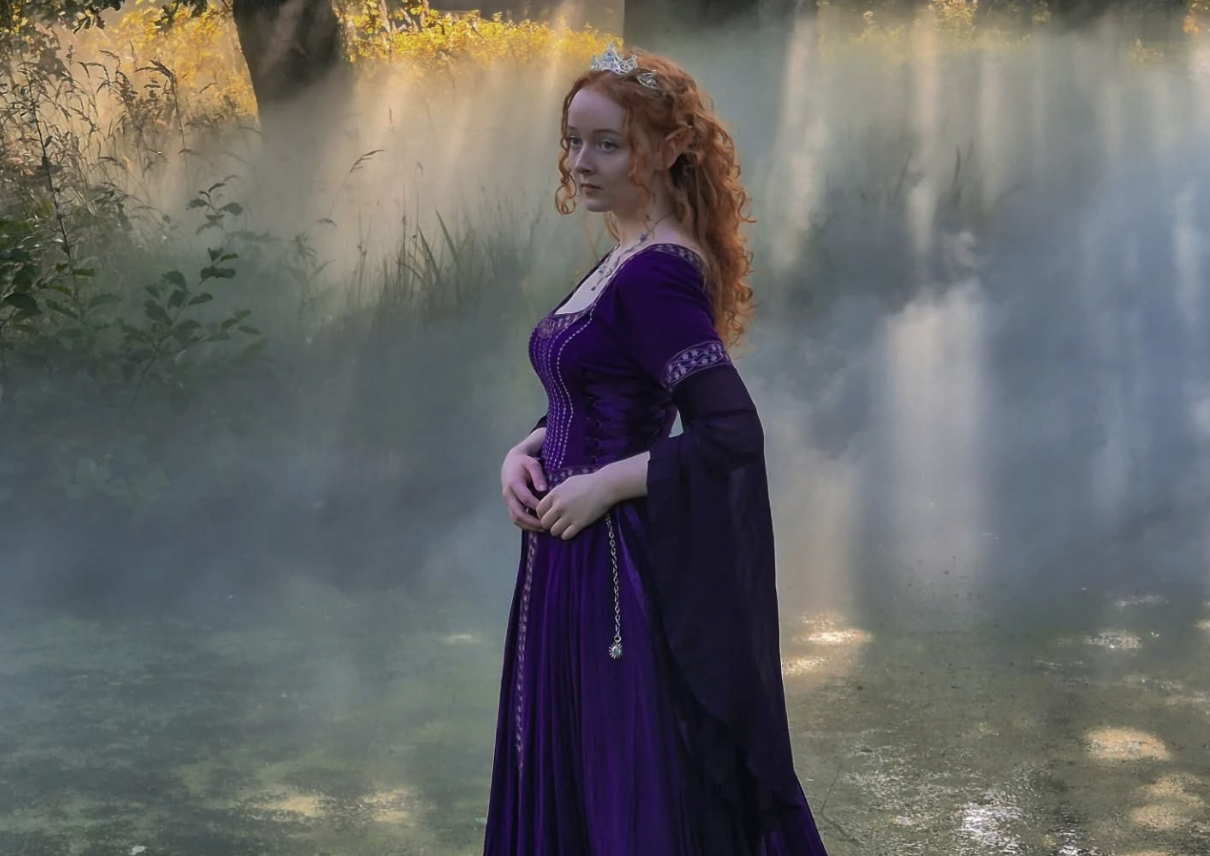
Attending a Renaissance fair or festival can be an exhilarating experience, immersing you in a different time period filled with knights, jesters, and elaborate garb. Much of the magic of these events lies in the costumes, particularly the gowns that reflect the elegance and artistry of the Renaissance era. If you’re wondering how to choose the right gown for your next adventure, you’re in the right place. This guide will walk you through the essentials—historical accuracy, comfort, and personal style all come into play when selecting the perfect dress.
Understanding the Essence of Renaissance Fashion
The fashion of the Renaissance period, spanning from the 14th to the 17th century, was marked by extravagant garments adorned with intricate designs. A few key characteristics define the epoch’s attire, including:
Layering: Gowns often featured multiple layers, from petticoats to outer dresses, allowing for both comfort and opulence.
Fabrics: Rich materials like velvet, silk, and brocade were popular. Even for modern reenactments, choosing the right fabric can enhance authenticity.
Color and Embellishments: Bright colors and ornate embellishments were not just for show; they symbolized status and wealth.
Understanding these elements will guide you in selecting a gown that not only looks authentic but also pays homage to the era.
Choosing the Right Style
When it comes to Renaissance gowns, you have a plethora of styles to choose from. Factors like personal taste, comfort, and historical context will significantly influence your decision. Here are a few popular styles:
The Classic Gown
For the most authentic look, consider opting for a classic gown. This type usually features a fitted bodice and a flowing skirt. A few key details can elevate the gown, such as:
Long Sleeves: These can vary from fitted to bell-shaped, depending on the specific period you want to emulate.
Train: While less practical, a train adds an air of grandeur.
Classic gowns can embody the essence of nobility, perfect for those who want to stroll through the fair as if they just stepped out of a history book.
The Peasant Dress
If you’re looking for something more comfortable and informal, a peasant dress may be the way to go. These dresses often feature a simpler design with a loose fit. They allow for greater freedom of movement, making them well-suited for walking, dancing, or engaging in activities.
The Fantasy Twist
Some fairs embrace an eclectic mix of fantasy with historical accuracy. A gown that blends elements of Renaissance fashion with fantasy aesthetics—think flowing fabrics, oversized sleeves, and whimsical colors—can offer a unique twist while still keeping with the genre.
Best Selling Medieval-Inspired Dresses
For anyone planning to invest in their Renaissance attire, consider browsing collections like the best selling medieval-inspired dresses. These selections capture the essence of the era while also considering the comfort and style demands of modern wearers. A well-chosen dress from such a collection can provide both authenticity and ease, ensuring that you enjoy the festivities without concern for your outfit.
Fabric Considerations
Once you've chosen a style, focusing on fabric is crucial. Natural fibers such as cotton or linen are often the most comfortable, especially for long days spent outdoors.
Breathability
Be sure to select a fabric that allows for breathability, especially if you’re attending an all-day event in warm weather. Heavy velvet may look stunning but can also be stifling in summer heat.
Weight and Layering
Consider how many layers you want to wear. While more layers can enhance the look, they also add weight, so be mindful to strike a balance that works for you.
Durability
Renaissance fairs often involve various activities ranging from jousting to dancing. Choosing durable fabrics ensures your gown can withstand rousing escapades while maintaining its charm.
Accessories and Finishing Touches
No gown is complete without the right accessories. They can transform your outfit, adding personality and flair. Here are a few ideas for complementing your attire:
Headpieces
From simple flower crowns to intricate hats or hoods, headpieces can signify status or simply add to the aesthetic. They were a significant part of Renaissance attire, so consider what fits best with your gown.
Jewelry
Delicate jewelry or bold statement pieces can enhance your overall look. Consider the era when choosing silver or gold accents; each material and design tells a story.
Footwear
While it’s tempting to wear modern shoes for comfort, investing in period-appropriate footwear can elevate your costume. Look for soft leather shoes that provide both comfort and style.
Comfort Comes First
While it’s easy to get swept up in the excitement of elaborate designs and historical detail, never forget that comfort plays a crucial role in your experience. Are you comfortable with how the gown fits? Can you move freely?
Time for Adjustments
Don’t hesitate to make alterations for a better fit. Engaging a tailor to customize your gown can ensure that it becomes a favorite for years to come.
In conclusion, selecting the right gown for a Renaissance fair or festival is a blend of understanding historical elements, personal preference, and practical considerations. Whether you choose a classic gown, a peasant dress, or a contemporary twist on medieval fashion, what matters most is that you feel comfortable and confident. Embrace the spirit of the Renaissance, and your gown will undoubtedly add to the enchantment of the experience. So, allow yourself the time to explore options and have fun with it!

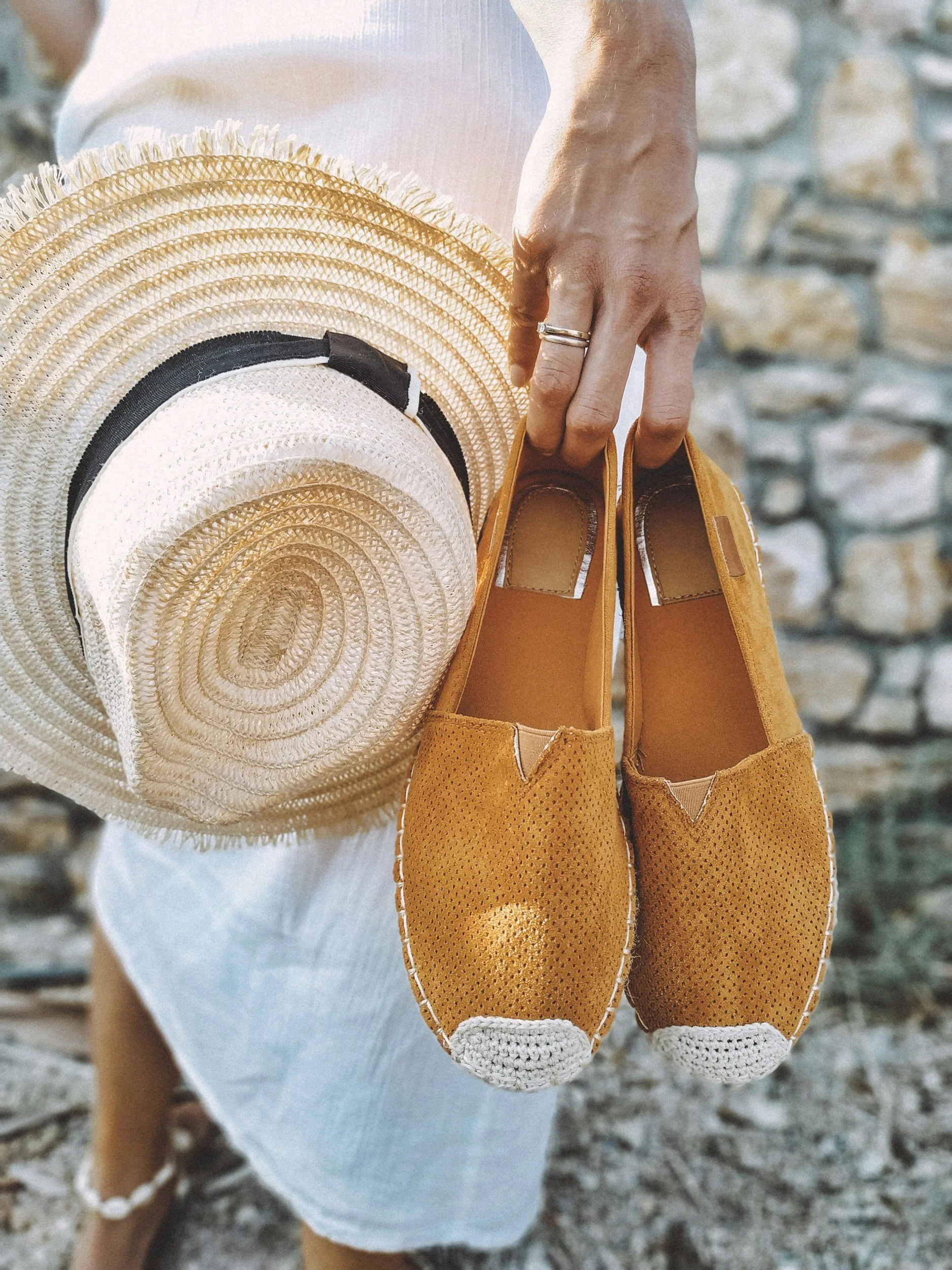
Back to school season is in full swing and with it, the endless journey of back to school shopping. As a college student, I am less likely to go out in search of colorful new notebooks and pencils like I used to as a kid because I spend all my time on my laptop now, but there’s still one thing we are often on the hunt for.