
In Mexico, "Constitution" is Not Synonymous with "Basic Rights" - The Water Crisis in Jalisco, Mexico
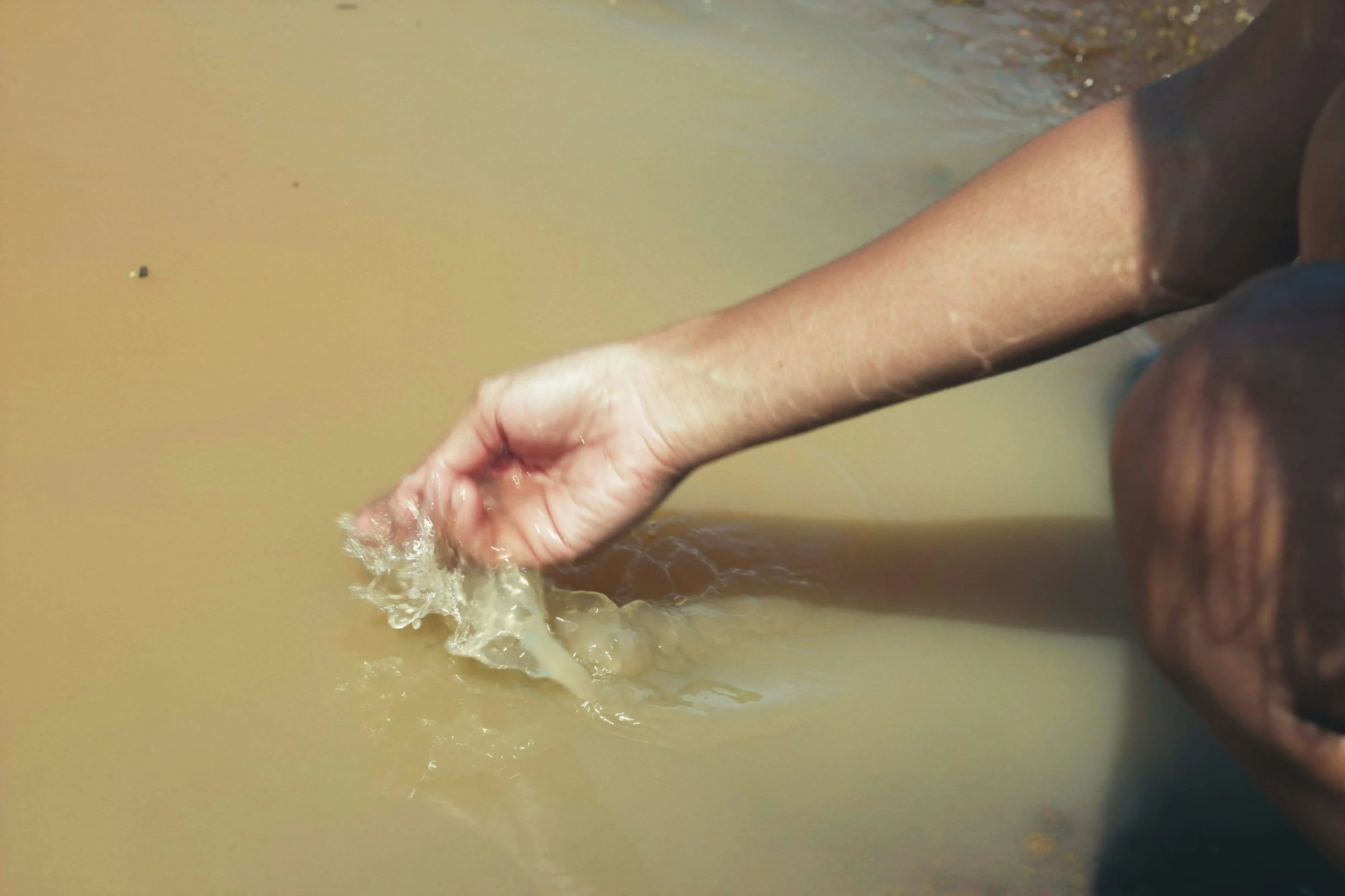
According to the sixth paragraph of Article 4 in the Federal Constitution, “Every person has the right to access, use, and sanitation of water for personal and domestic consumption that is sufficient, safe, acceptable, and affordable.” Similarly, the Political Constitution of the State of Jalisco, in the seventh clause of Article 15, “Expressly recognizes that every person has the right to access, equitable and sustainable use, and sanitation of water for personal and domestic consumption.” However, even though the right to safe and affordable water is mentioned not once, but twice, in Jalisco, a constitutional provision is not synonymous with an actual guarantee.
Since approximately February of 2026, under the administration of Pablo Lemus, reports have emerged high levels of heavy metals—such as manganese, iron, and aluminum—as well as coliform bacteria and foul odors in the water supply at Jalisco (the state with the 4th most important economy in the country by its contribution to the Gross Domestic Product (GDP) , all of which have caused health problems for the population. It is known that in Mexico tap water is not drinkable however it is usable for domestic use. But it was not until the beginning of this month that the water crisis reached a critical point, evolving from a public health issue into one of severe scarcity.For many inhabitants in Jalisco, water does not flow from the tap at all; for those who do have access, the water is brown and unavailable for domestic uses or any use at all —yet the government continues to paint a clear picture of the situation. Something as fundamental as water has become a privilege.
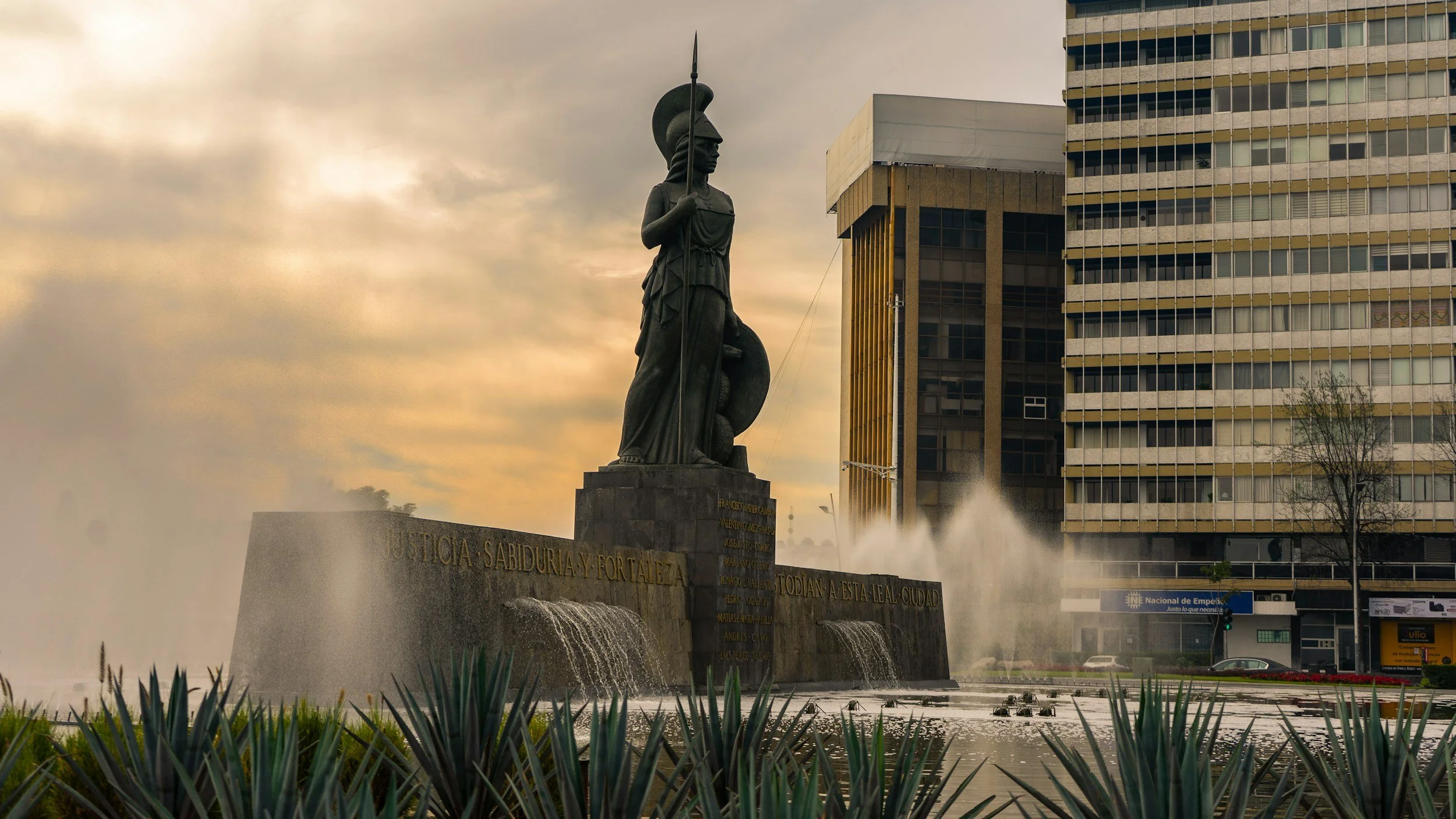
Glorieta La Minerva, Guadalajara, Jal.
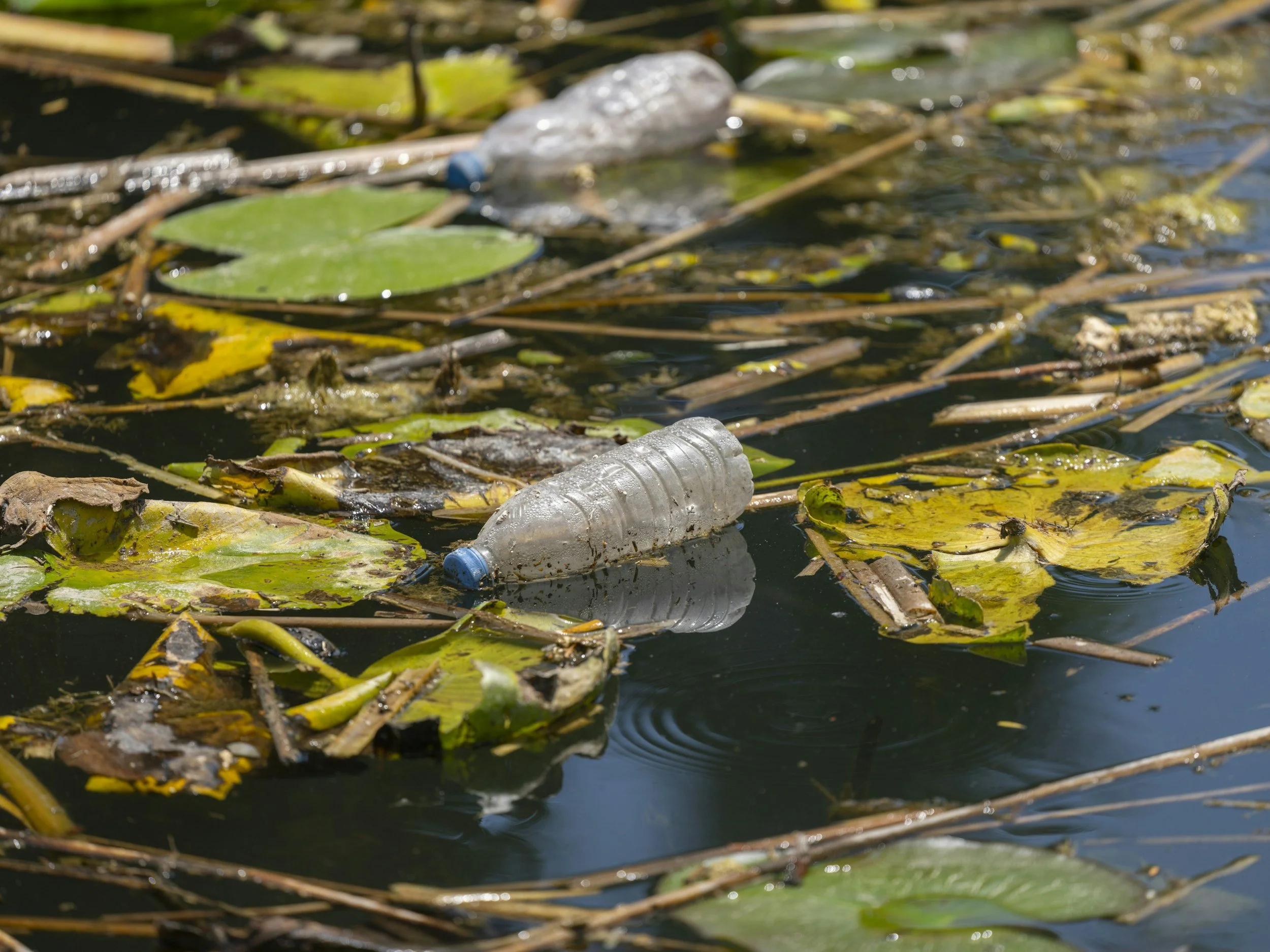
To understand this crisis, however, one must know its origins and what lies behind it. A primary cause of this issue is the long-term neglect spanning "many years" in the maintenance of the infrastructure used to transport and treat water drawn from The Chapala Lake (Mexico’s largest natural freshwater reservoir), which supplies 65% of the state. Studies indicate that this water is already contaminated by sewage discharges and agricultural runoff—containing pesticide and fertilizer residues that enter the Lerma-Santiago River from the Lerma industrial corridor (in the State of Mexico) and surrounding farmlands. Furthermore, part of this water travels through an open-air canal that receives irregular discharges of both domestic and industrial wastewater; this accounts for the persistent, noticeable odor in the water, which also contains lead, mercury, aluminum, and microcystins.
With issues ranging from dermatitis and gastrointestinal infections—caused by bacterias like “E. coli” and fecal coliforms—to various eye conditions, the public health consequences in the state are becoming increasingly severe, leaving an uncertain future for its inhabitants. Faced with this crisis, the government has opted to merely stall for time rather than offer a coherent solution. One of the most discussed proposals is to stop using the contaminated water and rely solely on distributing clean water reserves; however, there is a problem: the available clean water is insufficient to supply the entire state. Consequently, those who lack the privilege of having backup water systems—such as storage tanks, pressure pumps, or filtration units—will once again be the most severely affected. According to Juan Pablo Macías, a specialist in water data analysis, the government’s response has been “the easy way out.” “Addressing the legal or illegal wastewater discharges entering the aging distribution system would have been the appropriate course of action. Instead, they chose the easy way out: simply stopping the use of that water. It is a fact that this water is extremely difficult to treat for human consumption. But if the illegal discharges into the old system were tackled, we could achieve much better results.” Also, Alicia Torres Rodríguez, a researcher in the Department of Socio-Urban Studies at the University of Guadalajara “maintains that a fundamental solution must include the remediation of Lake Chapala and the Santiago River, the involvement of the industrial sector in reducing pollutant discharges, and the modernization of water infrastructure”. A solution for Lake Chapala would not only benefit humans, but also all the wildlife that once inhabited it—and I say "once" because the lake is currently in a critical environmental state, suffering from 16 of the 19 most severe global problems documented for lakes worldwide. Consequently, water toxicity and environmental impact have already led to the disappearance of more than 10 native species that once lived in the lake.
Thus, amidst growing concern and existing health issues...and above all, widespread public discontent regarding the government's empty promises and inadequate responses—thousands of residents of Jalisco took to the streets of Guadalajara on October 11, 2026, to march peacefully. Yet, in the face of the people's demonstration for a basic human right, the government responded with violence. “The state of Jalisco, by mandate of its own constitution, adopts the criteria set forth in Article 6 of the Federal Constitution, which guarantees that the expression of ideas shall not be subject to any judicial or administrative inquiry.” However, on October 11, as families with children, the elderly, and young people marched for their rights, Governor Pablo Lemus responded with tear gas and by spraying protesters with clean water—ironically, during a protest concerning this very issue. With hundreds of police officers acting against the protesters, what began as a peaceful demonstration ended in a confrontation and police repression, leaving 39 people detained and 59 injured. Where seven men were initially transferred to the Puente Grande prison complex (remaining in the court area or linked to proceedings), for demanding a basic right! Freedom of expression should not cost us our security. After extensive illegal torture of the 7 Protestants, they were fortunately released, however they still face different legal conditions, and what will always remain, the unjust memory of the torture by the government.
The Mexican people have not forgotten government repression. On October 2nd, we honored the memory of those lost by so many families during the 1968 Tlatelolco massacre—an unforgettable date for the nation, marking a peaceful political protest during which the government took the lives of more than 300 people. Attacks on freedom of expression in Mexico are nothing new; rather, they represent a collective wound that has persisted for decades. We must remain united against those who abuse their power. In response to the injustices of the past, the people of Jalisco—who had marched on October 11th—decided to march again on October 18th. However, they discovered that government-sent infiltrators had embedded themselves among the protesters, attempting to transform what was a peaceful demonstration into an act of violence. Upon realizing this, the protest groups immediately decided to call off the march.
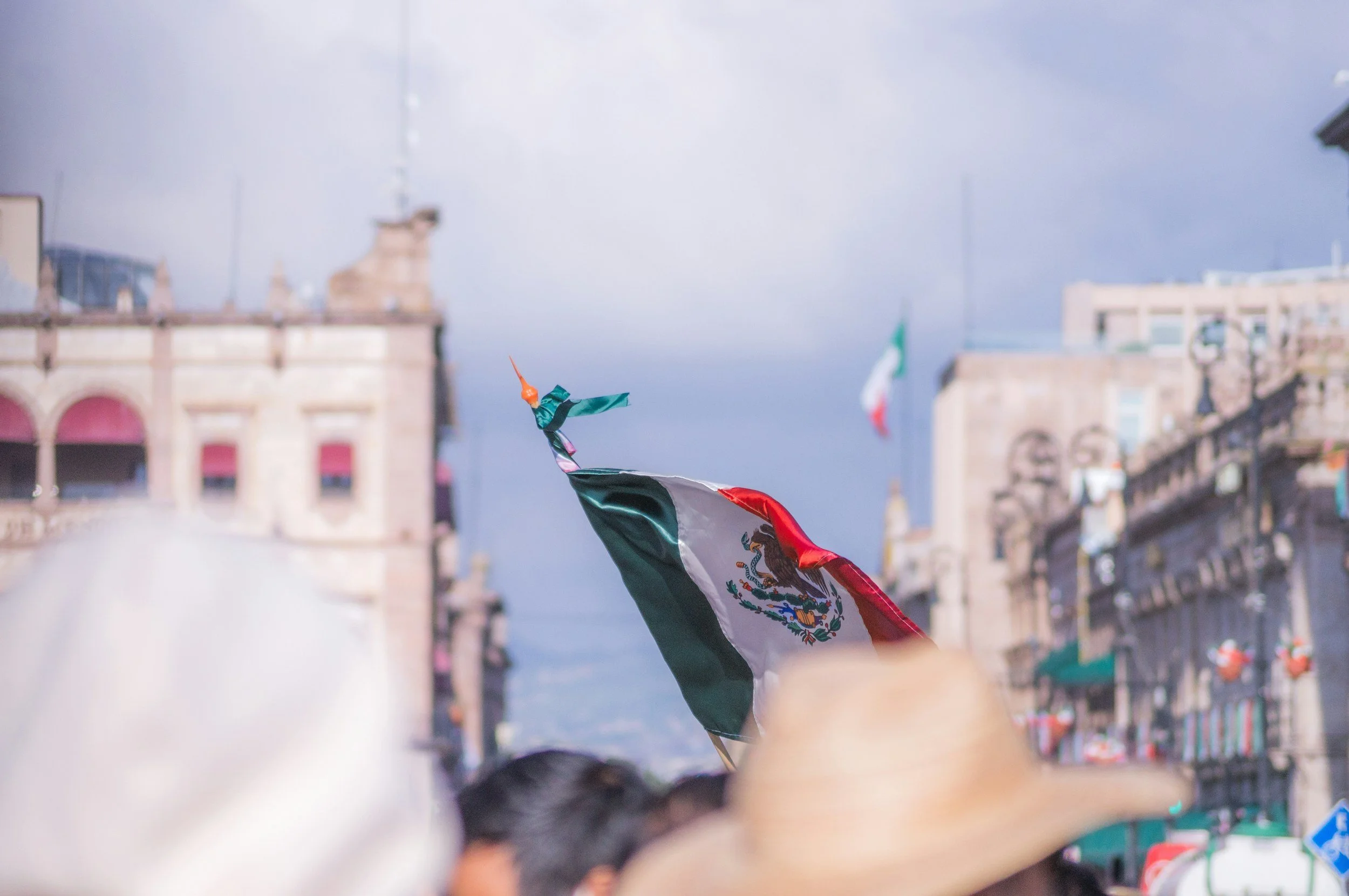
So let's keep our eyes open; the struggle in Jalisco is not over yet. It is time for the people to unite and for us to keep this bond strong, because it will take more than an unjust government to silence the people’s voice. There are many of us, and we are awake; we are not asking for a luxury—we are demanding a basic human right.


AI is an umbrella term for a group of technologies that processes information and can generate responses by mimicking human thinking. AI has been around since the 1950s, but the technology's capabilities were limited. Recent technological advancements relating to AI’s computing power and data have quickly made AI explode in popularity and use.