
Our Favorite Progressive Candidates in 2026 - Jessie Lopez, California State Assembly District 68
Orange County, California is known as being the cradle of conservative politics in the era from around 1960 to 1990. It is best known for being the political launchpad for two Republican US presidents, Richard Nixon and Ronald Reagan. But the times, they are a-changin’. While still conservative (there is a Republican US Congresswoman from OC), immigrant and lower-income residents are changing the face of the area south of Los Angeles.
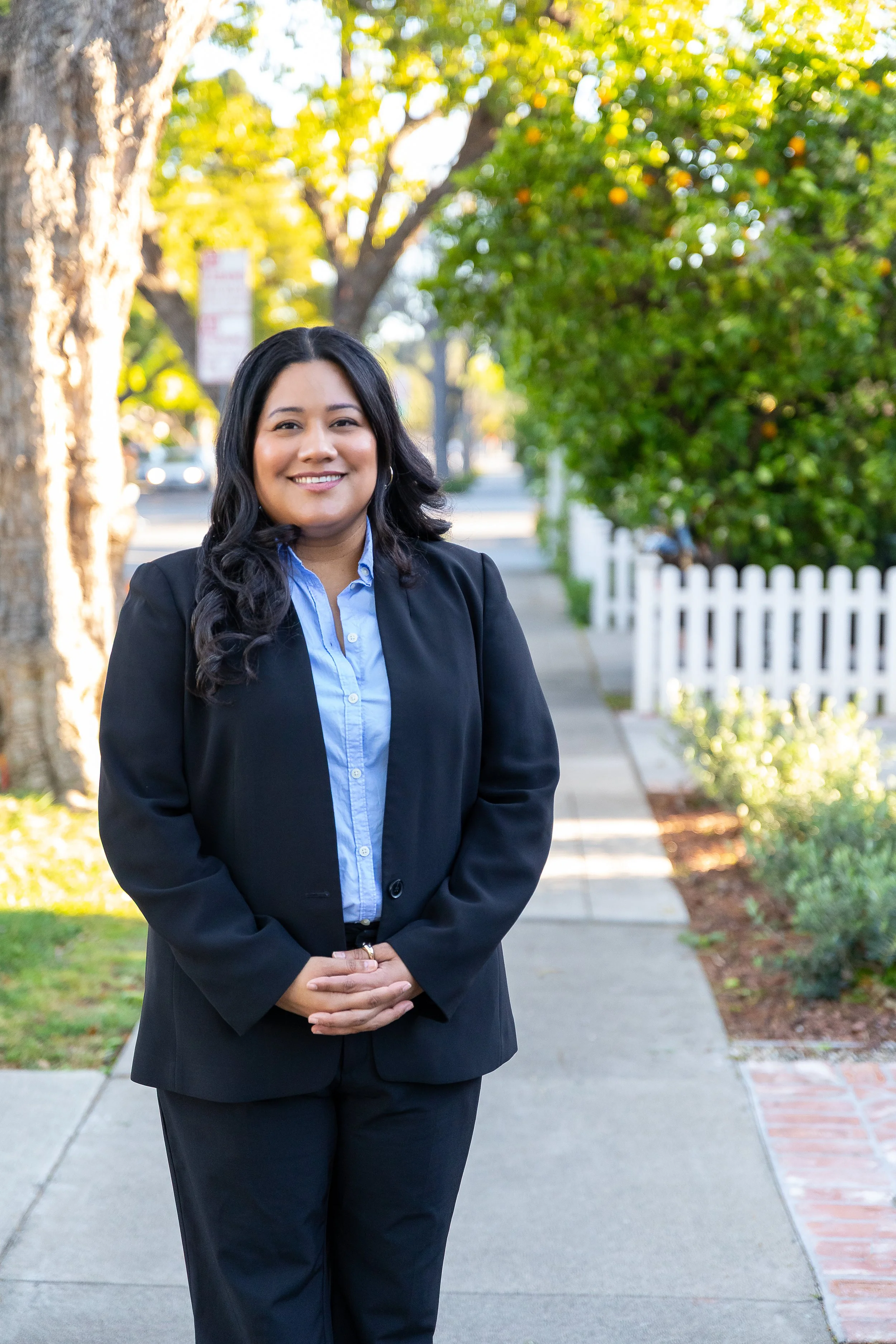
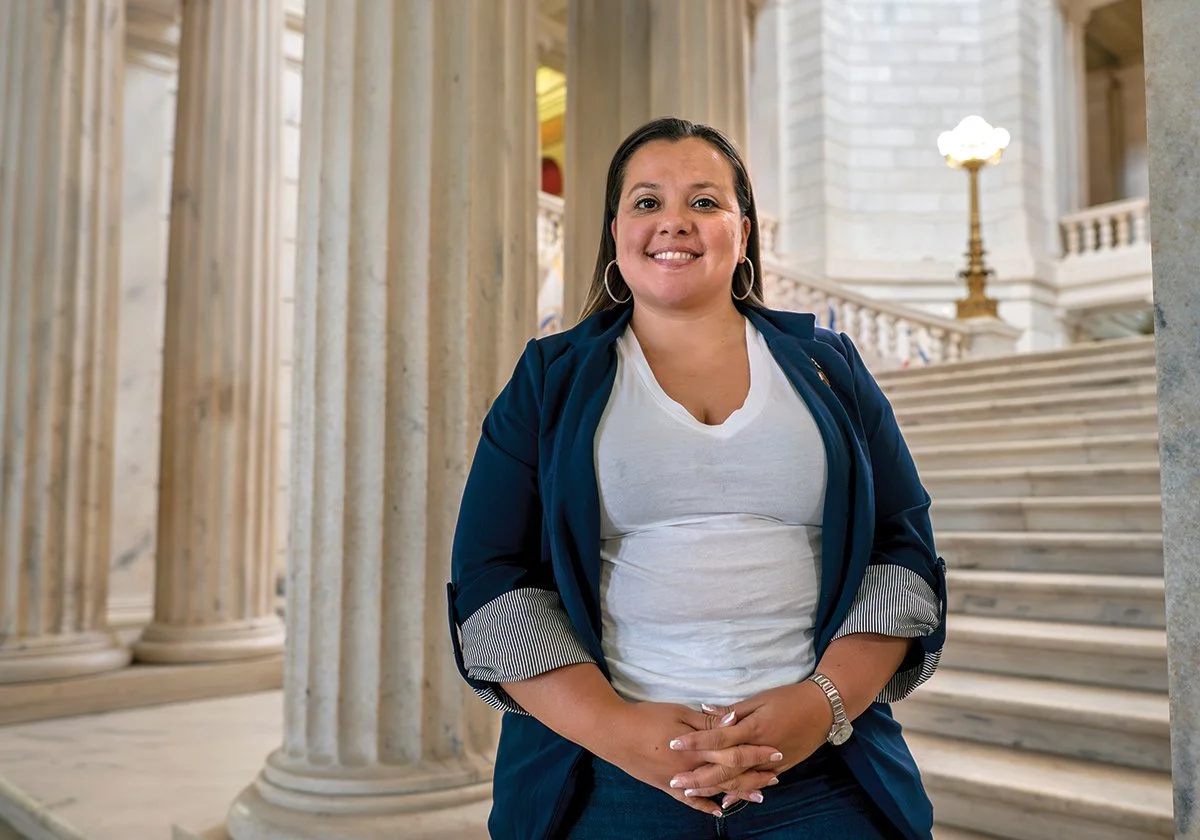
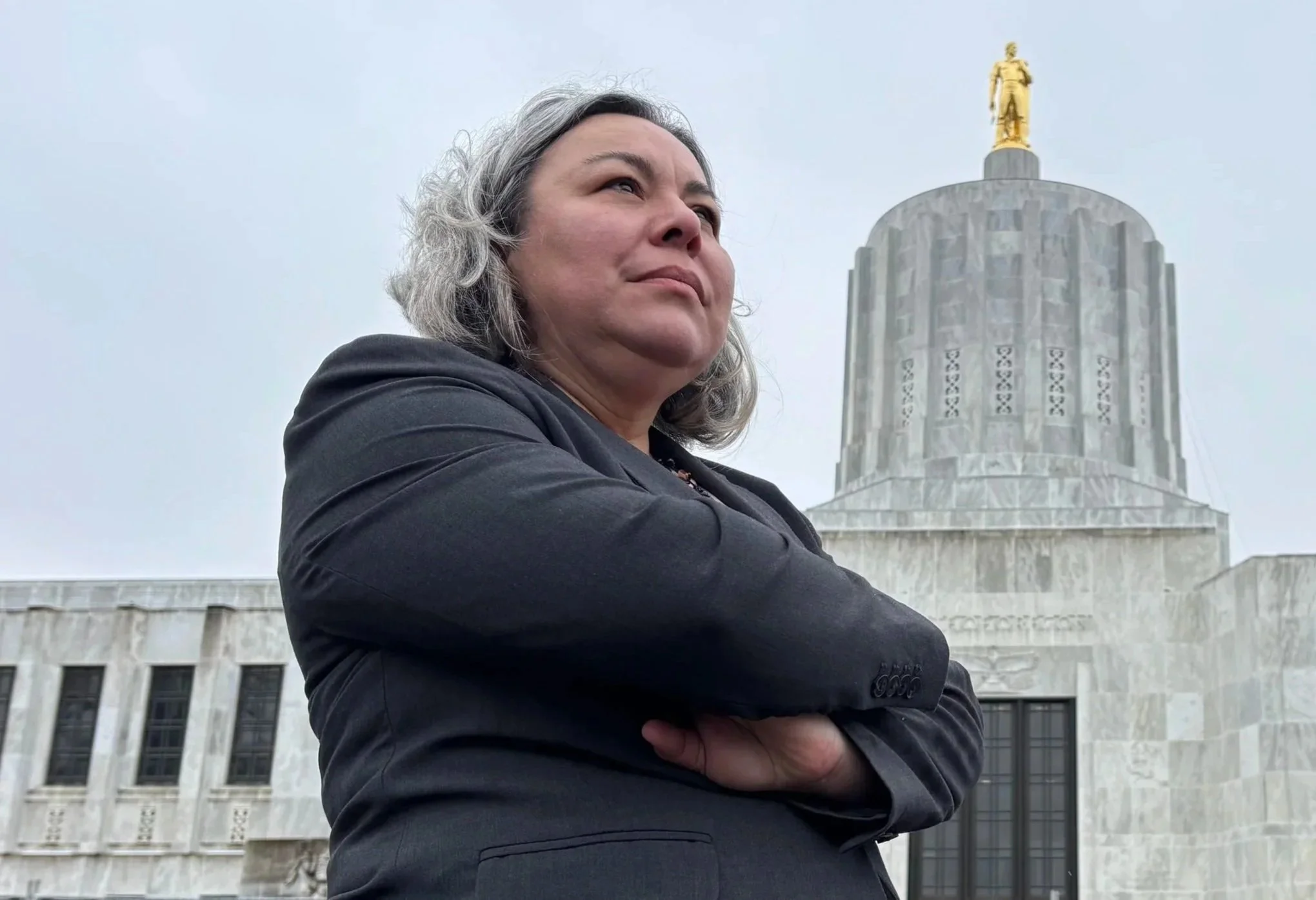
In the city of Santa Ana, Councilwoman Jessie Lopez (she/her) is running as a Democrat for State Assembly against her fellow councilmember David Penaloza, also a Democrat. A Latina millennial, Jessie got her start in public service as a volunteer with the Public Law Center and as a campaigner against sexual assaults occurring on and around her college campus, before being elected to the Santa Ana City Council in 2020. Jessie is most passionate about and is centering her campaign around affordable housing, Medicare for All, protecting and fully funding public schools, investing in young people, abolishing ICE, advancing environmental justice, expanding economic opportunity, and creating meaningful police accountability.
© Alexander Fitch
Where are you based?
I live in Santa Ana, California, where I was born and raised and where I have spent much of my life fighting for my community.
What is your position/what position are you running for?
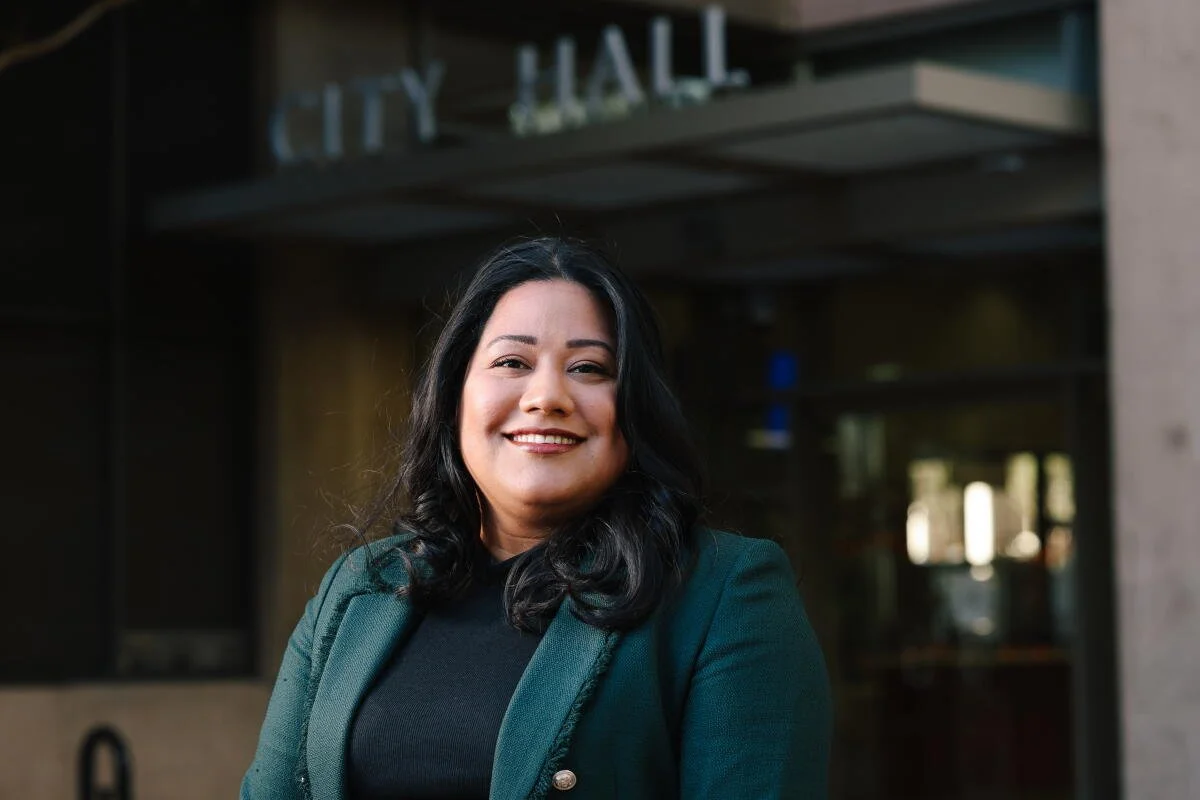
I currently serve as a Councilwoman in the City of Santa Ana, and I am running for California State Assembly District 68, which includes Santa Ana and parts of Anaheim and Orange.
How would you briefly summarize your platform?
I’m running on a progressive, populist platform rooted in a simple belief: government should work for working people. I believe health care is a human right, which is why I support Medicare for All. I believe we should fully fund our public schools, build and preserve affordable housing, protect renters, invest in young people, and make sure working families can afford to live in the communities they call home.
I also believe California has a responsibility to protect immigrant communities. That includes protecting people from mass surveillance, shutting down detention centers, and ultimately abolishing ICE.
At the heart of all of these issues is the same principle: government should be a force for good. It should empower people, improve their material living conditions, and give communities the resources and opportunities they need to thrive, not operate as an oppressive force in people's lives.
My candidacy is, in many ways, the result of what happens when elected officials choose to side with big corporations instead of prioritizing working people. I believe California belongs to us — not to MAGA billionaires who are actively trying to buy our democracy and supporting my opponent so they can continue looting public dollars and enriching themselves.
My platform is a direct reflection of the needs I see every day in Assembly District 68 and of a growing desire for elected officials who are competent, compassionate, accountable, and willing to work incredibly hard to deliver results. I am that candidate in this race.
© Dania Maxwell
What inspired you to run?
My path into politics started with an issue, not with a desire to become a politician.
I was fresh out of college when I was recruited to support a community campaign to protect public land and fight for affordable housing. Through that campaign, I learned how to use the Public Records Act, participate in public comment, and advocate directly with elected officials.
What I saw was eye-opening. We watched local elected officials violate state law and refuse to meaningfully meet with the constituents they were supposed to represent. We were dismissed as “noise.” We were treated as though we had no chance of achieving our goal. But our coalition kept organizing, and ultimately we succeeded in blocking the sale of public land with the support of a court injunction after demonstrating the city's blatant disregard for state law.
That experience gave me an early look at how pay-to-play politics and money can distort local government decisions.
I remember sitting in those council chambers and thinking, I cannot believe what I'm hearing and seeing. I watched elected officials be told that if they had simply read their own staff reports, they wouldn't be asking some of the questions they were asking publicly. And I realized something: the people sitting up there weren't smarter or harder-working than the people in the community. They had simply gotten there, and they had money and political networks behind them.
I remember thinking, If they can be up there, why not me? Why not a hardworking Santanera who had worked two jobs to put herself through college and who loves her city?
That thought never really left me.
I was first elected to the Central Committee in March 2020, and then won my race for Santa Ana City Council in November 2020. In 2023, I overcame a retaliatory recall effort backed by the Santa Ana Police Officers Association, the California Apartment Association, and the California Association of Realtors. I won re-election in 2024, and now I am running for State Assembly.
I don't come from a political dynasty, and I didn't come up through traditional political circles. That has meant that I often haven't had the institutional support that comes with being seen as an outsider. But it has also shaped how I see my responsibility as an elected official.
I have always felt a deep responsibility to uplift issues that weren't being addressed and, even when they were raised, were often met with hostility or degrading commentary from people already in power.
I saw a real disdain for working people and struggling families in my community, and I saw that as a direct attack on people like my own family. I am someone who has worked two jobs to afford to live in the district that elected me, defended me, and re-elected me. I was told, like so many young people, to go to college and get an education, only to graduate carrying student debt and discover that the so-called American Dream was increasingly out of reach.
Homeownership, financial security, and a stable life can feel like they are slipping further away for people who are doing everything they were told they were supposed to do. I know what that feels like personally, and I know I am not alone.
That is a big part of what has driven me. I wanted to uplift the concerns of people who were being overlooked and to prove that government can actually respond to the realities people are living through.
There were a lot of small moments throughout my life that eventually made running for office feel inevitable. And, of course, seeing Alexandria Ocasio-Cortez win her primary was incredibly inspiring. It showed me that someone young, working-class, and outside the traditional political establishment could actually break through.
At the national level, leaders like AOC, Summer Lee, and Bernie Sanders helped show a new generation that there was a place for us in politics. I wanted to bring that same sense of possibility home to Orange County.
But outside of politics, my biggest inspiration has always been my mom. She taught me what hard work looks like, what it means to sacrifice for your family, and what it means to keep going even when things are difficult. So much of who I am and why I fight for working people comes from watching her.
© Dania Maxwell
What change are you hoping to bring to your district and country?
I want to help build a California where working people can actually afford to live, raise a family, start a business, buy a home, and build a stable future. I want government to be something people can rely on, not something they feel has abandoned them.
Assembly District 68 is a working-class district, and it deserves an elected official with the backbone, vision, and work ethic to take on its biggest challenges. Too many people are struggling to pay their rent or mortgage, buy groceries, afford health care and insurance, and pay off student loans. Small businesses are under financial pressure. Our cities are losing population. Our public school districts are struggling. The cost of living continues to rise while working people are being asked to do more with less.
The change I want to bring is a government that responds to those realities with urgency. I want to expand affordable housing and protect renters, make health care accessible to everyone, fully fund public education, invest in young people, support small businesses and entrepreneurship, protect immigrant communities, strengthen our social safety net, and create real pathways to economic opportunity. I want to see public dollars invested in the communities that need them most and government programs judged by whether they actually improve people's lives.
I also believe we need to change who government listens to and who has access to political power. I believe the people who work here, raise their families here, own small businesses here, and have built their lives here should have more influence over the decisions that affect them than corporations and billionaires.
That is why I am concerned about the role of corporate and MAGA billionaire money in this race. My opponent has received significant financial support from powerful corporations, wealthy interests, and industries including Meta, Google, utility companies, the gas industry, and insurance interests. These are industries that directly affect the lives of people in this district, from rising utility and insurance costs to homeowners being dropped from coverage or paying more for policies that are increasingly difficult to obtain.
When powerful interests can invest millions of dollars to determine who represents a working-class district, I think voters have every right to ask what they expect in return. What access will they have? Whose priorities will be heard? And whose interests will come first when those priorities conflict with the needs of working people?
I believe democracy belongs to the people who live and work here, not to corporations, MAGA billionaires, or Sacramento political insiders. I want to help change a political culture where ordinary people are told to work harder while powerful interests get whatever they want.
And I want that change to extend beyond Assembly District 68. California is the fourth largest economy in the world, and what we choose to do here can demonstrate what government can look like when it is ambitious, accountable, and centered on working people. I want to help build a model of progressive government that delivers tangible results and gives people reason to believe that government can still be a force for good.
This race matters because it is ultimately about what kind of government we want. I believe the people of Orange County deserve a representative who will fight for them, deliver results, and take on powerful interests when necessary. That is the kind of change I am running to bring.
© Omar Sanchez
How long have you been in office? What do you consider to be your major accomplishments so far?
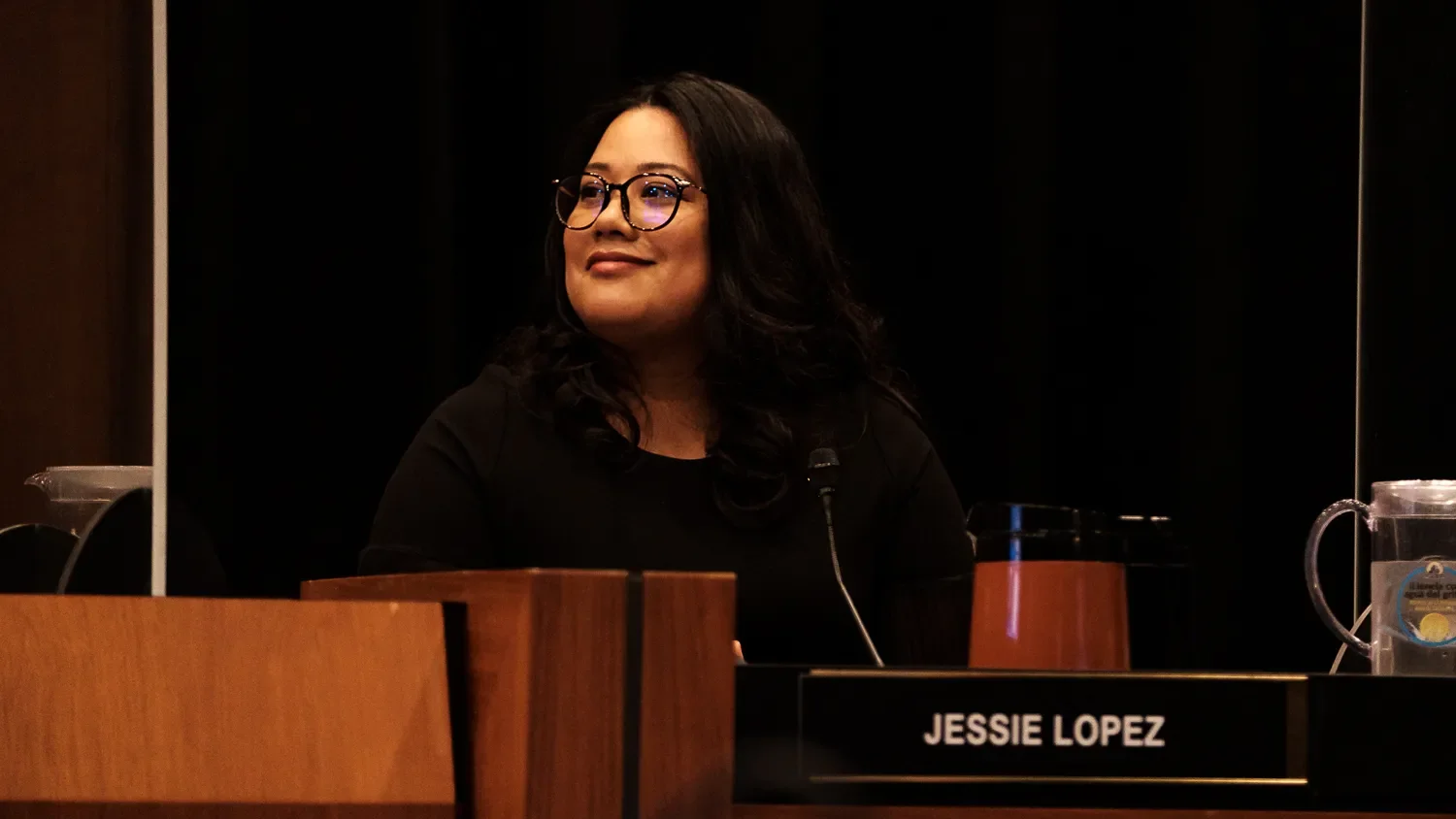
I have been in office since December 2020, and I am proud that my time on the Santa Ana City Council has been defined by tangible results. Some of the accomplishments I am most proud of include:
Passing rent control in Santa Ana, with the lowest allowable annual rent increase in Orange County at 3%.
Establishing police oversight.
Creating a Rent Board.
Funding mediation services and protections for seniors facing eviction.
Supporting and funding affordable housing and housing development.
Leading the effort to stop Flock surveillance technology from coming into Santa Ana, which my opponent supported.
Successfully protecting funding for youth programs and services.
Leading the push for greater investment in our parks.
Ensuring that police responses prioritize victims of sexual assault, an issue my opponent failed to address for years.
Leading efforts to protect immigrants in our community and advocating for the restoration of Santa Ana's Sanctuary Advisory Board, a request my opponent refused to support.
Fighting to protect our First Amendment right to protest when my opponent voted for measures that would have restricted that right.
Advocating for a ceasefire, even when doing so came with significant political pressure.
Supporting clean air protections designed to protect young children from asthma and harmful pollution, which my opponent opposed.
I am particularly proud that these aren't just positions I have taken. They are policies and investments that have actually changed people's lives. And I am proud of the fact that I have been willing to do this work even when there has been enormous political pressure to do otherwise. I have been told to compromise on principles, to stay quiet, to wait my turn, and to make the politically easier choice. But whenever I face that pressure, I come back to why I ran for office in the first place.
I ran because I believed my community deserved something different. I believed we needed leaders who would lead with courage and principle, not simply follow the path of least resistance. I believed that the people of Santa Ana deserved someone who would fight for them, even when that fight was difficult.
That conviction was tested when I faced a $1 million recall effort backed by the Santa Ana Police Officers Association, the California Apartment Association, and the California Association of Realtors. My opponent supported that recall effort, despite knowing he was disenfranchising Latinos in his own district.
But defeating that recall taught me something bigger than simply how to win a political fight. It reminded me that political courage only matters if you are willing to use it when the stakes are high. I don't expect every decision I make to be easy, and I don't expect everyone to agree with me. But I do believe my community deserves an elected official who is willing to stand on principle, withstand the pressure, and keep showing up. I’m proud to be battle tested.
For me, leadership is not about having the easiest path. It is about having the courage to take the right one. I have tried to lead that way since the day I took office, and that is the kind of leader I intend to continue being.
© Jeff Gritchen
What do you feel are the most important issues right now, why, and how do you plan to tackle them?
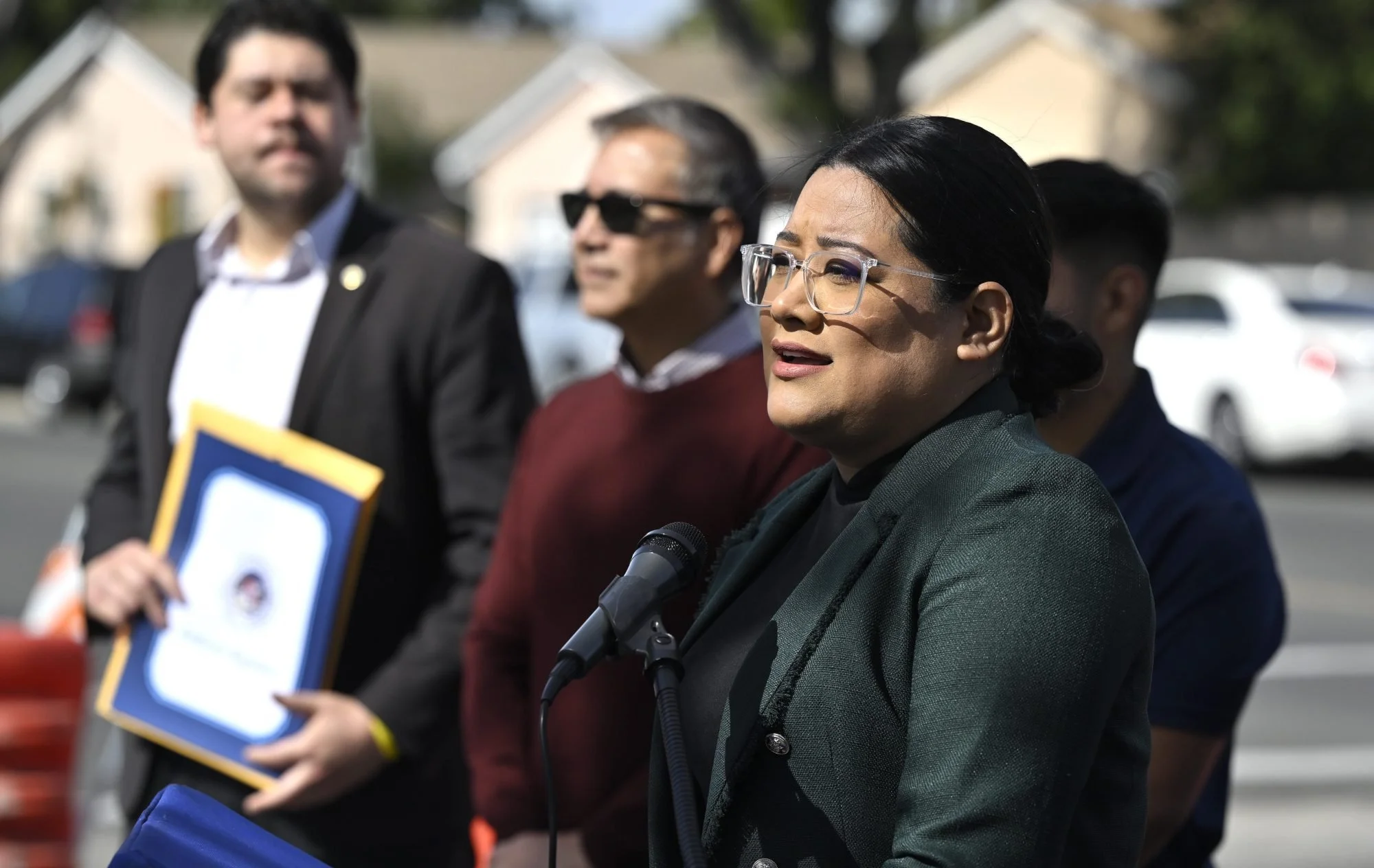
The biggest issue facing people right now is affordability. People are working hard and still cannot afford the lives they were promised. Housing costs are too high, health care is too expensive, groceries cost more, insurance costs more, and too many people are carrying crushing debt. Childcare is unattainable for too many families. Our wages have not kept up with inflation. People are working longer hours and taking on multiple jobs just to afford basic necessities.
We cannot talk about freedom or opportunity when people are one emergency away from financial disaster, when families are being forced to choose between paying rent and buying groceries, and when people are sleeping in their cars or on the streets because they simply cannot afford a place to live. That is not an abstract economic problem. It is an urgent crisis affecting our neighbors, our families, and our communities right now.
And while families are being asked to stretch every dollar, I believe we also have to ask whether our government is making the right choices with public resources. We should be investing in the needs of people here at home, including housing, health care, education, childcare, and economic opportunity.
Housing is a major part of that conversation. My record in Santa Ana shows that I am willing to take action to protect renters and expand affordable housing, including passing rent control and creating the infrastructure necessary to help seniors stay housed. I was also proud to establish Santa Ana's first-time homeownership program, giving our residents an opportunity to become homeowners and build wealth in the community they call home.
At the state level, I want to build on that work by expanding affordable housing, protecting renters, increasing opportunities for homeownership, and making sure state investments actually produce housing that working people can afford.
Health care is another major priority. I support Medicare for All because I do not believe someone's ability to see a doctor should depend on their income, employment, or whether they can afford their insurance premiums and deductibles.
We spend more on health care than any other country, yet we continue to see worse health outcomes than other wealthy nations. We are spending more and getting less, while working people are still being asked to pay more for premiums, deductibles, and care.
The fourth largest economy in the world was built in significant part on the labor of immigrants, and yet too many of those same communities continue to face barriers to accessing affordable health care. As a community health worker, I know what it means when people cannot access the care they need. I know what happens when hospitals close. For many of my constituents, access to health care is literally a matter of life and death.
But affordability is not only about what people pay. It is also about whether people have a pathway to build a better life.
I believe we need to invest in the future of our state by investing in the people, businesses, institutions, and ideas that make California an economic leader. That means supporting small business owners and entrepreneurs, protecting academic freedom, investing in research and innovation, and making sure California continues to attract the talent, ideas, and investment that create good jobs and economic opportunity.
It also means fully funding public education, protecting youth programs, protecting programs like PACE that help seniors remain housed, protecting our social safety net, investing in public spaces, and making sure young people have a real pathway to opportunity.
My approach is ultimately about using government to make it easier for people to build stable, fulfilling lives. I want a young person to be able to get a good education without being buried in debt. I want a family to be able to afford a home. I want a senior to be able to remain in the community they helped build. I want a small business owner to have a real opportunity to succeed. And I want people to be able to see a doctor without wondering whether they can afford the bill.
These issues are connected. When government invests in housing, health care, education, small businesses, research, and young people, we are not just spending money. We are building stronger communities, creating opportunity, and investing in the future of California.
That is the kind of government I want to help build: one that does not simply manage people's struggles, but actually works to change the conditions that created them.
© Alexander Fitch
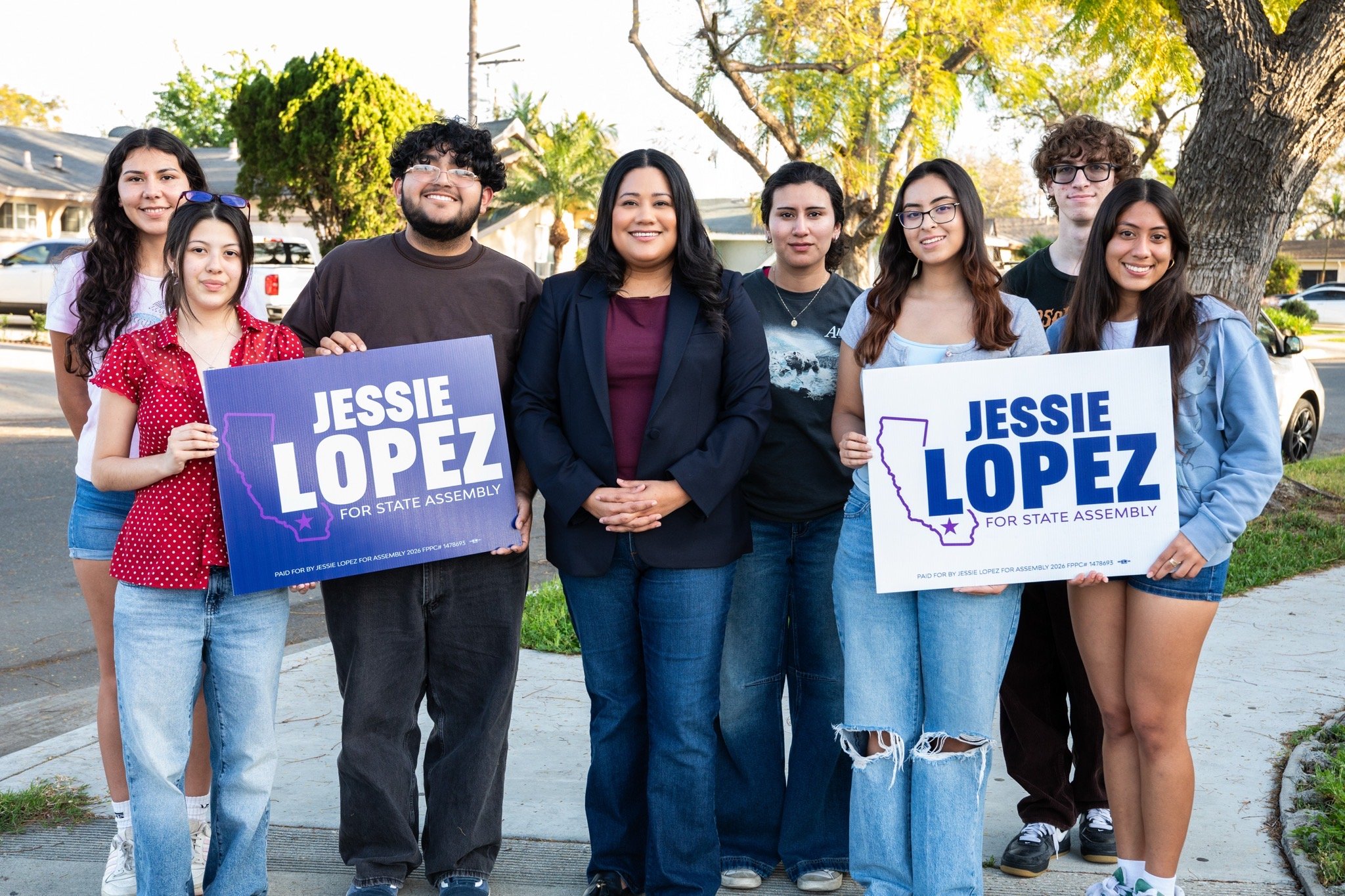
America is extremely divided these days. How would you hope to bridge that divide with your constituents to better unite Americans?
I don't believe bridging divides means pretending we don't have disagreements. It means being willing to listen, treat people with dignity, and find common ground where we can without abandoning our values. My approach has always been to listen to people, understand what they are experiencing, and then work to deliver results.
You can disagree with me politically and still deserve a government that works for you. You can disagree with me on a particular policy and still deserve to be heard and treated with respect.
At the same time, I don't believe unity should require us to abandon people who are being harmed. I will always stand up for working families, immigrants, renters, young people, and communities that have been ignored, even when doing so is politically difficult.
A big part of the work I do now is co-governance. I understand that it is impossible for any elected official to know everything, and I do not pretend to have all the answers. I rely on trusted community partners, advocates, experts, and constituents to inform my work, provide factual information, challenge my assumptions, and create space for me to learn.
Good governance is not about an elected official having all the answers. It is about creating a process where people with knowledge and lived experience can help shape the policies that affect their communities. My responsibility is to listen, learn, ask hard questions, and then have the courage to apply what I have learned, introduce and defend good policy, and see it through.
So much of what makes policy successful happens after the vote. It is making sure a policy is actually implemented, properly funded, and followed through. It is doing the hard and often tedious work of monitoring outcomes, measuring whether something is working, identifying what needs to change, and making sure public resources are being spent wisely and effectively.
That commitment to implementation and accountability is something I believe has been lost in politics. Passing a policy and taking a photo is not enough. My job is to make sure the policy works in practice and that the people it was intended to serve actually feel the difference in their lives.
© Mark Rightmire
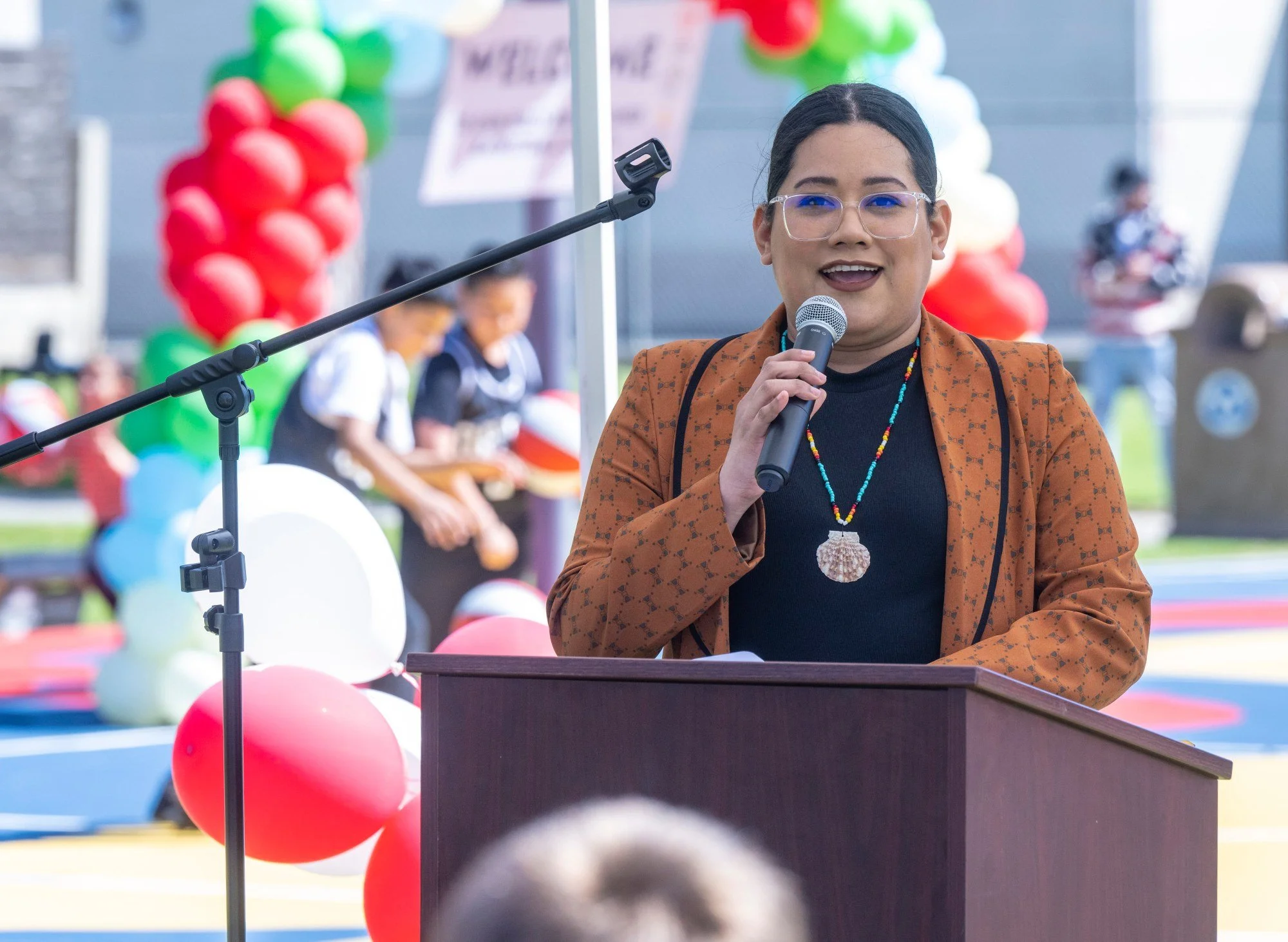
How do you see your unique identity and background to be an asset to you in office?
Being a young Latina and Salvadoran American gives me a perspective that has historically been underrepresented in political leadership. I know what it means to come from a working-class family, to be the daughter of parents who survived war, to work two jobs to put myself through college, to carry student debt, and to work hard while wondering whether the stability and opportunities my generation was promised will ever actually be within reach.
I also know what it feels like to walk into a room where people underestimate you, assume you do not belong, or believe you should wait your turn.
I did not come into politics through a political dynasty or through the traditional circles of power. I came into politics through organizing, through fighting for my community, and through learning how government actually works. I had to build my own political path, and that experience has shaped how I lead.
I would be the first woman elected to represent Assembly District 68, and that matters to me. But I don't want to be elected simply because I would be the first. I want to be elected because I have demonstrated that I can lead, that I will fight, and that I will deliver.
I am battle-tested. I have taken on powerful interests and faced immense political pressure to abandon positions I believed were right. I survived a million-dollar recall effort backed by powerful organizations because I refused to back down. I have passed rent control, established police oversight, protected youth funding, fought for immigrant protections, faced off with ICE, invested in affordable housing, and taken on surveillance technology and other policies that I believed were harmful to my community.
I have done what I said I would do.
That is what I believe sets me apart in this race. My identity gives me a lived understanding of the people I represent, but my record demonstrates that I know how to turn that understanding into action. I don't just understand what working people are going through because I represent them. I have lived it.
And I think that is also why I represent something different from the traditional political establishment. I am not the handpicked candidate of Sacramento's political insiders, and I am not interested in preserving a political culture that keeps power concentrated in the same circles.
There is a reason the old political structures are comfortable with the same kinds of candidates. They know what to expect. I represent something different: a young Latina from Santa Ana who built her own political pipeline, took on powerful interests, won, and came back ready to fight again.
I don't think Sacramento needs another politician who knows how to fit into the system. I think California needs leaders who are willing to change it.
And that is ultimately what my background has taught me. You don't have to come from the rooms where power has traditionally been concentrated to deserve a seat at the table.
Sometimes the people who have been kept outside those rooms are exactly the people who need to be there.
What is your motto in life?
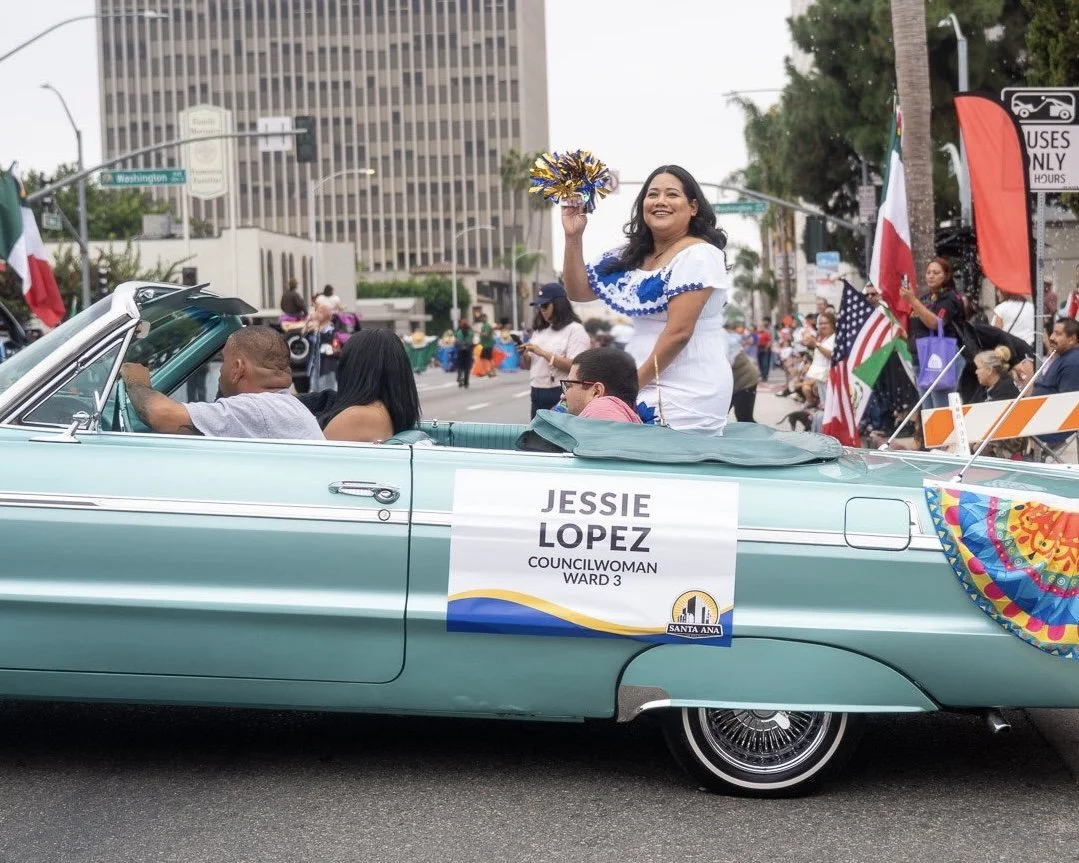
“Why not me?”
I am a survivor. I come from a hardworking family, and I learned early that hard work matters, but sometimes hard work alone is not enough. It is why I went to college, why I kept going through periods of housing insecurity and why I refused to give up on building a better future for myself.
That question has followed me through every difficult chapter of my life. When I was told I didn't belong in the room, I asked, “Why not me?” When I was told I couldn’t win, I asked “Why not me?” When I was told something was too difficult or too ambitious, I asked, “Why not me?”
It reminds me not to accept the limits other people place on me, and to keep fighting for a better future, not just for myself, but for the people and community I represent.
Where can we find out more about you?
You can learn more about me and my campaign at VoteJessieLopez.com
In the city of Santa Ana, Councilwoman Jessie Lopez (she/her) is running as a Democrat for State Assembly against her fellow councilmember David Penaloza, also a Democrat. A Latina millennial, Jessie got her start in public service as a volunteer with the Public Law Center and as a campaigner against sexual assaults occurring on and around her college campus, before being elected to the Santa Ana City Council in 2020. Jessie is most passionate about and is centering her campaign around affordable housing, Medicare for All, protecting and fully funding public schools, investing in young people, abolishing ICE, advancing environmental justice, expanding economic opportunity, and creating meaningful police accountability.