Mai Khoi - Pop Star To Exile
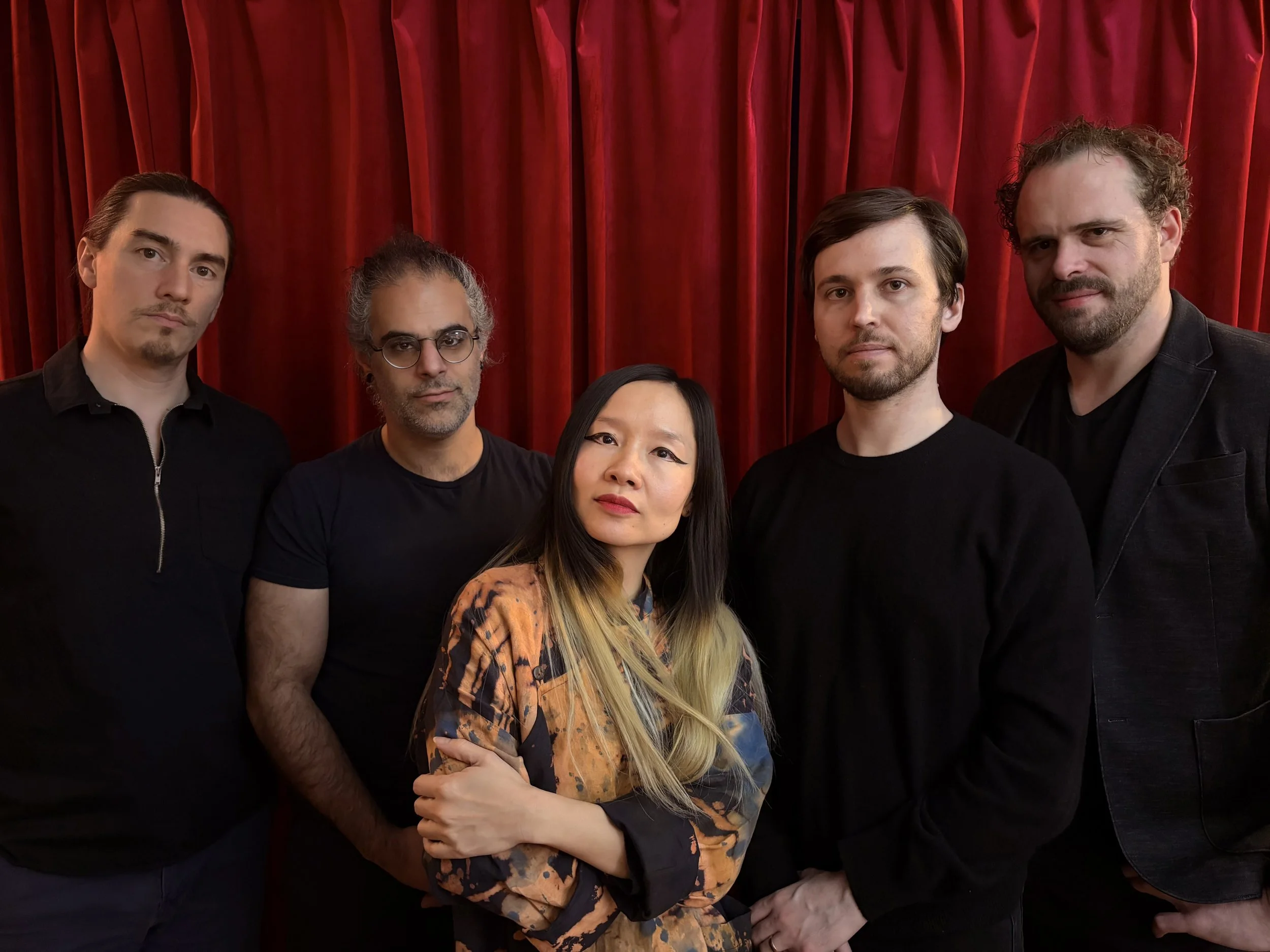
Photo by Renée Copeland.
Mai Khoi went from golden album pop star to exile just for standing up for the rights of her people in Vietnam. As Americans we take for granted our right to free speech and to protest. But we now have Mai Khoi helping us to fight to keep that right in America too. Mai Khoi has some of the most incredible rang of a singer I have ever heard. Her songs range from metal banshee to jazz to surreal art. With her new album, Five Years in Exile, just coming out you don’t want to miss it or seeing her live, if you can. But for now, read on to learn more about this absolutely fascinating woman and her art!
Where are you based?
I’ll be moving to Philadelphia later this summer.
Can you tell us a bit about your backstory and what inspired you to start making music?
I was a pop star back in Vietnam. I released a gold album, won a national “Song of the Year” award, and even made a hit song for a soap opera. But in 2016, I tried to fight the Vietnamese censorship system by running for parliament. In retaliation, the government banned me from performing in public, evicted me, detained me, and ultimately forced me to flee to the US. I’ve been living in exile since the end of 2019.
Your musical range is vast! How would you describe the kind of music you make?
I don’t try to describe it. I draw from art pop, jazz, punk, math rock, noise, and others.
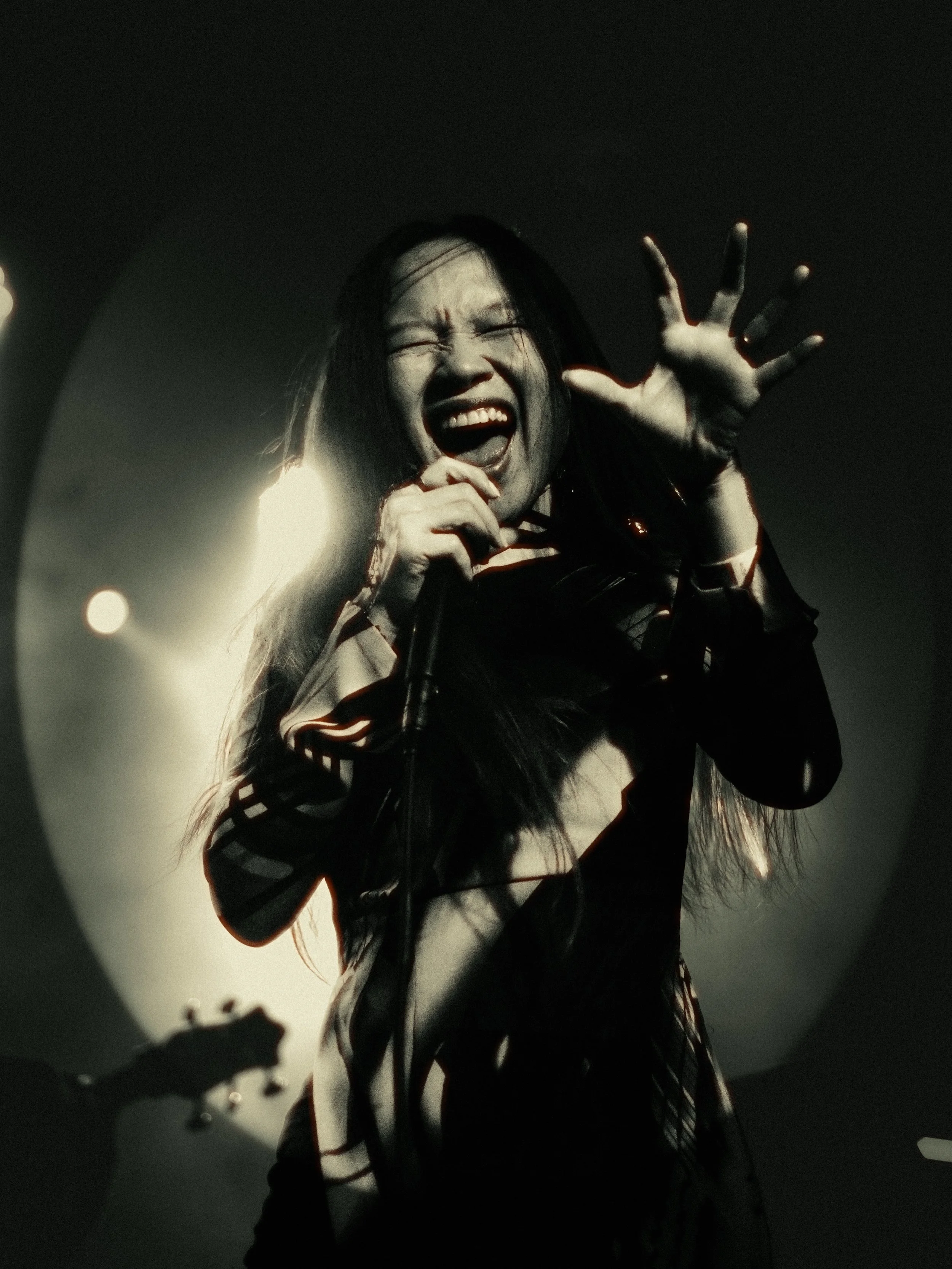
Photo by Lauren Bowlin
Your band, Mai Khoi & The Dissidents (MK&TD), was originally formed in Vietnam, but were later forced to break up, before reforming during 2021 in the U.S. Can you tell us the story of your band? How does the American version of Mai Khoi & The Dissidents differ from the version you had in Vietnam?
I started MK&TD in Vietnam soon after I was blacklisted. We organized secret shows without asking permission from the government. We had to break up after a couple years because my bandmate's family was threatened.
The original MK&TD was a trio, featuring Quyen Thien Dac on saxophones and Nguyen Duc Minh on a variety of traditional Vietnamese instruments. The new band is more like a jazz group, featuring saxophone, piano, bass, and drums.
You have a multi-media autobiography show titled “Bad Activist.” Can you tell us a bit about this project and what inspired you to create it? Why is it important we share stories like yours?
There is a very well produced documentary about me called Mai Khoi & the Dissidents. But I wanted to tell my story in my own words, with my own music. We recorded the show last summer, and hope to release it next year.
How did exile from Vietnam and relocation to the U.S. influence your music and your activism?
Exile and relocation made me very depressed because I had to rebuild my music career from nothing. The pandemic began shortly after I arrived in the US, which made it hard to find musicians to work with. I was so lucky when I found Mark Micchelli, who understands me and my work one hundred percent. (We got married last year.) My life has slowly been getting more stable so I can focus more on making music. I also continue to go out to protests to learn more about how best to do activism in the US.
You just released a enw album, “Five Years in Exile”. What was the inspiration behind the creation of this album? What significance does the title hold?
This album is about everything I have been through during my first five years in the United States.
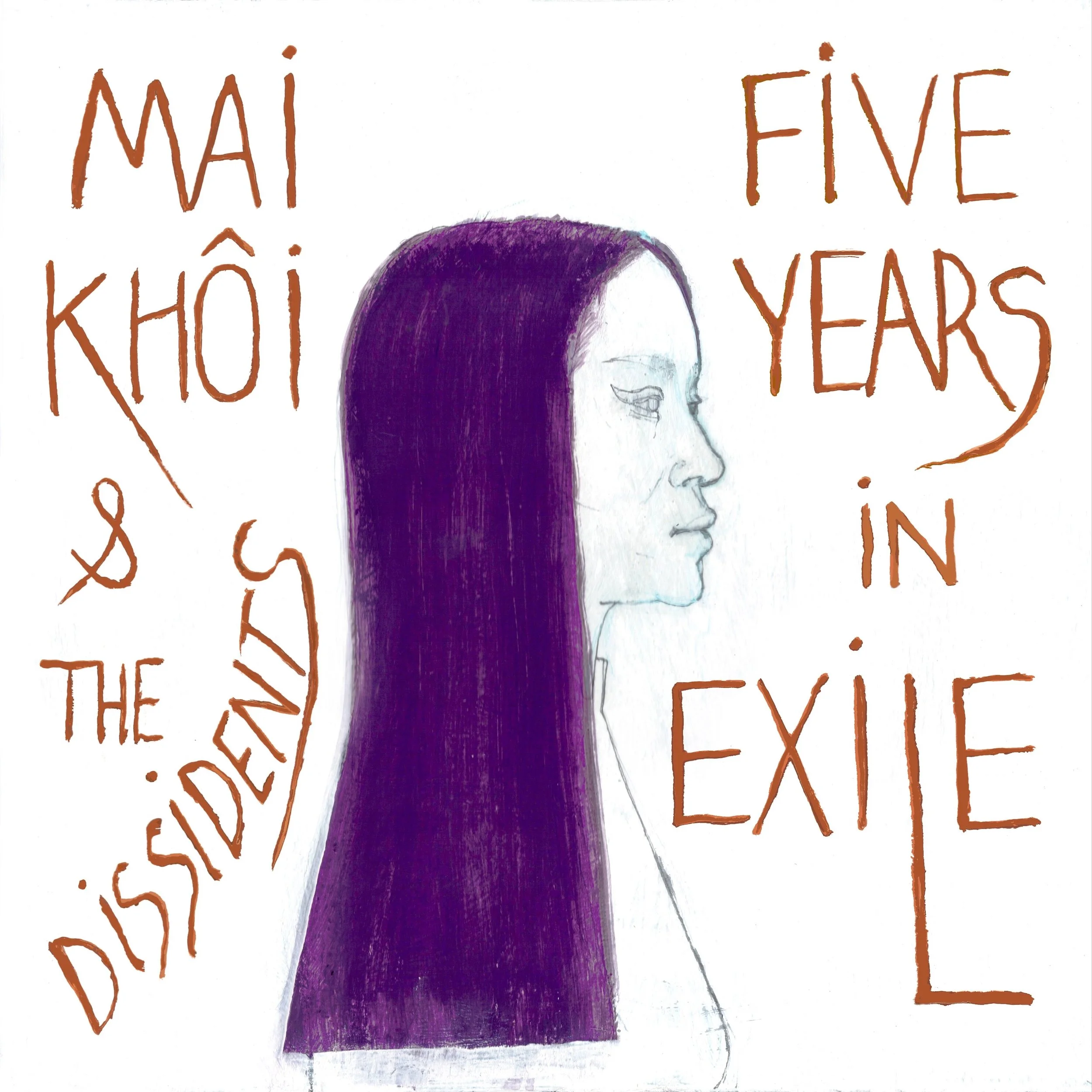
Art by Thomas Micchelli
What are some themes we can expect to hear explored throughout the album?
Love, nostalgia, Buddhism, forgiveness, trust, anger, frustration, wisdom, death, climate change, activism, and everything that happened in Vietnam and the US in the last five years. You will want to listen to the album many times to deeply understand the themes and the music.
How does the confrontational energy of activism within your artistry aid your process of making music? How much does your environment and the political climate of both your home country and the U.S. influence what you decide to write about?
I faced criticism from artists in Vietnam for addressing political themes in my music. But social issues inspire me. My song “BURN” is about Vietnamese climate activists who were unjustly imprisoned in 2023, around the same time wildfires raged throughout the US and Canada. “Innocent Deer” is about three Vietnamese men who have been unjustly placed on death row.
How does activism in the U.S. differ from activism in Vietnam? How do you find the courage to protest when repercussions can be life threatening?
Activists in the US still have much more freedom than activists in Vietnam. Vietnamese people are under constant surveillance: citizens can be fined or jailed just for posting their political views on Facebook. But I also see the rise of fascism and the horrendous police brutality here. I have friends who won’t dare to attend a protest because they are afraid of getting hurt. The immigration lawyers I know are encouraging their clients to delete posts critical of the Trump administration. Things are certainly getting worse.
What is one piece of advice you’ve been given that’s helped you achieve success within music and activism?
I am not successful enough to say anything. In music, I follow my feelings. In activism, I try to do something helpful.
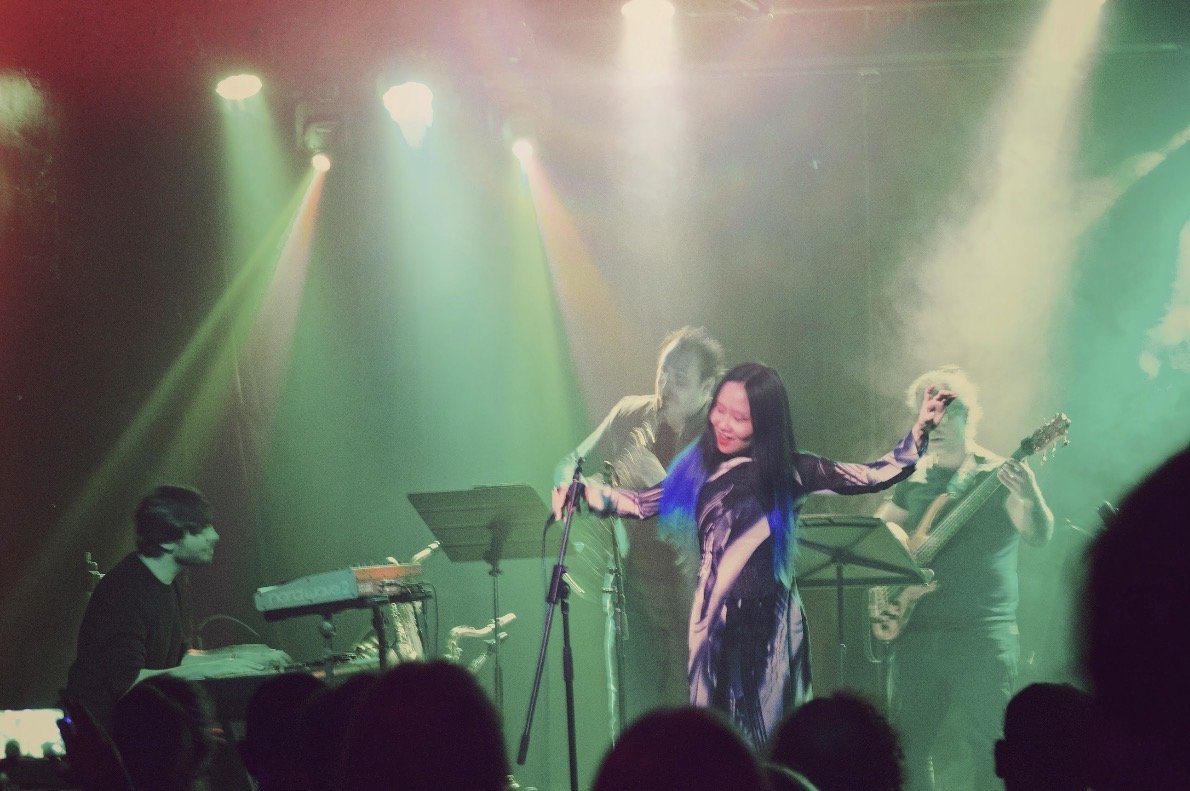
Photo by Ivy Marie
Are there any upcoming projects you are currently working on that we should be on the lookout for?
I am working on an opera cooking show called “The Immigrant Vegetable,” as well as a new album based on “Bad Activist.”
It has been a crazy few years, and we expect at least three more. How have you been staying positive?
I am fortunate to belong to a good community of people, with friends I trust and who share my values.
What is your motto in life?
I could die tomorrow. I always do the best I can every day.
To learn more about Mai Khoi please check out the following links:
Instagram is @mai.khoi for tour information and music clips.
Website is mai-khoi.com if you want to book me to perform or speak.
Other organizations I’ve collaborated with include The 88 Project, Artistic Freedom Initiative, IIE, Tamizdat, City of Asylum, CEC ArtsLink, and the International Free Expression Project.
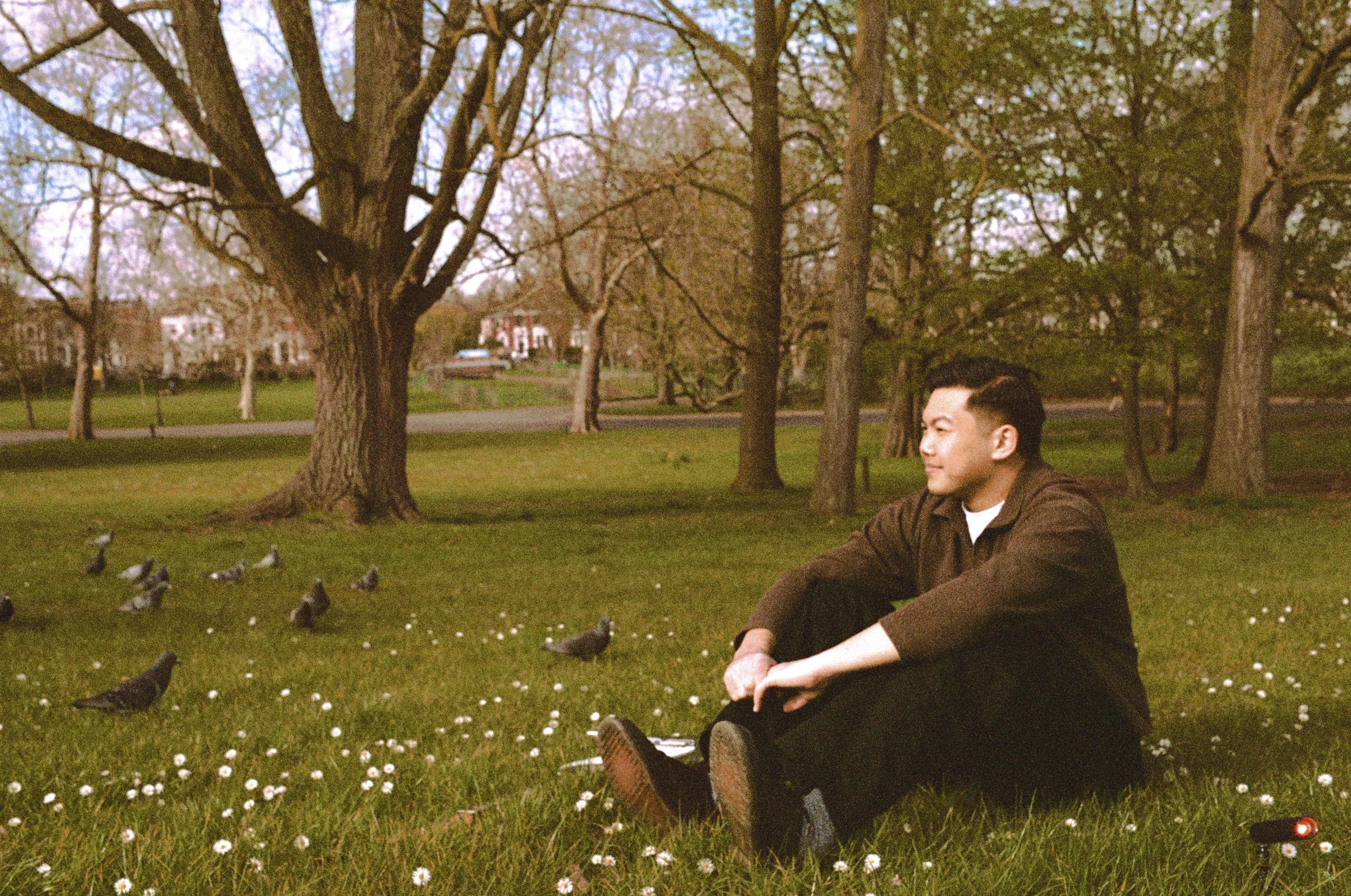
Bella Lam is a Tennessee girl through and through. She takes inspiration from her hometown, her parents and her favorite country music singers to create songs like “Bootfirst” and “Take It Out on My Guitar” that encapsulate all the powerful emotion country artists wrote about before her. She gives back to her community through charity shows and events, and makes sure she never forgets where she came from!