
Med Spike: 6 Ways Illness Impacts Your Blood Pressure
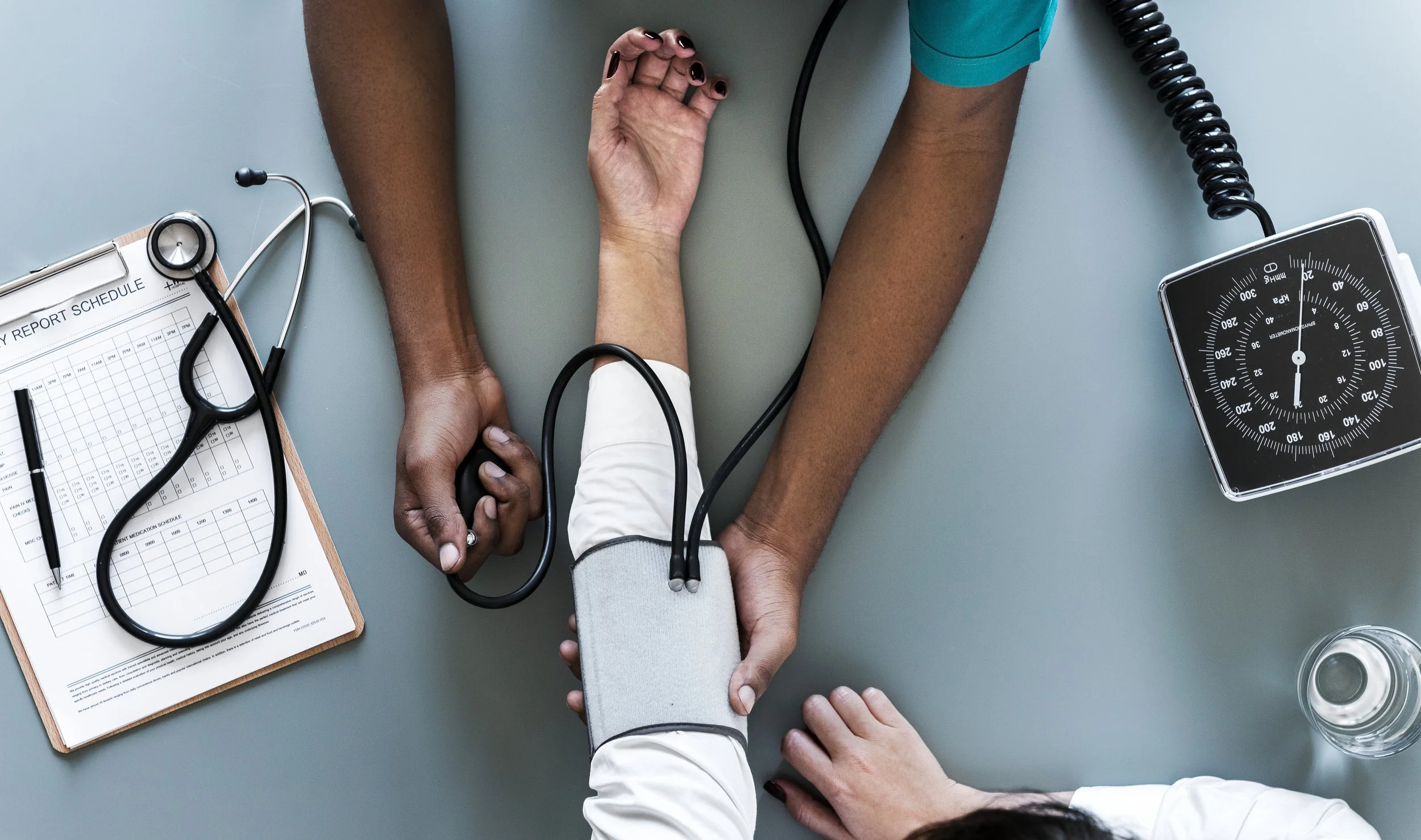
Your body has a way of whispering before it screams, but when illness strikes, those whispers can quickly turn into loud, alarming signals. One of the most ignored? Your blood pressure. You might believe that only adults, or only during a routine checkup, should check their blood pressure. But that’s not true.
Your blood pressure can change at any time, when your body is fighting off an infection, trying to recover from pain, or even as you take some medications.
Imagine you have a fever and a headache, and as you stand up, you get dizzy. That’s not only the disease, but also your blood pressure! This understanding is powerful, as it will allow you to respond better, recover faster, and prevent complications.
You’ll learn six significant ways that illness can affect your blood pressure, and why it’s important to take those changes into account.
1. Your Body’s Stress Response Raises Blood Pressure
You might wonder, "Does blood pressure go up when getting sick?”
Yes, your body does not simply lie back when you’re sick; it goes to battle. This response is known as the “fight or flight” reaction, and it is meant to help you survive. Adrenaline and cortisol are secreted, which cause your heart to beat faster and your blood vessels to contract.
The problem is that this is a natural response that can result in a significant increase in blood pressure. This effect can even be triggered by an infection such as a cold or the flu. Your body is running at full throttle, pumping blood at a higher rate to deliver oxygen and nutrients to the places where they are most needed.
That’s why your heart may race if you have a fever. This isn’t a coincidence; it’s what your body is doing to protect you. If you have high blood pressure for a prolonged period, however, it may place additional stress on the heart, particularly if you have other health-related issues.
2. Fever and Dehydration Can Cause Fluctuations
One of the most common symptoms of disease is fever. It can cause dehydration, especially if you’re sweating, vomiting, or not consuming enough fluids.
Now here’s the fun part. When you’re dehydrated, the amount of blood flowing in your body decreases. This may sometimes cause a drop in blood pressure and cause dizziness or weakness. However, when that doesn’t happen, your body will compensate by narrowing blood vessels, which can, in turn, increase blood pressure.
This will lead to instability because of the push-pull effect. Your blood pressure can be high one day, and then, when you stand up the next day, it can drop suddenly. For this reason, hydration during illness is not only comforting but also important for maintaining your body’s balance.
3. Pain and Discomfort Can Drive Blood Pressure Up
Remember when you had a really bad headache or backache? Your entire system felt on edge. Pain doesn’t just affect your mood; it also affects your cardiovascular system.
When you’re in pain, your body produces stress hormones, just like it does when you are sick. These hormones narrow the blood vessels, which leads to high blood pressure. Temporary spikes can occur with short-term pain, such as a migraine or muscle damage.
Chronic pain or prolonged discomfort during illness can keep your blood pressure elevated for longer periods. This is especially important if you have conditions that affect your circulatory system or heart.
Effective management of pain is not only about improving the patient’s sense of well-being but also about avoiding undue stress on the cardiovascular system.
4. Medications Can Alter Blood Pressure Levels
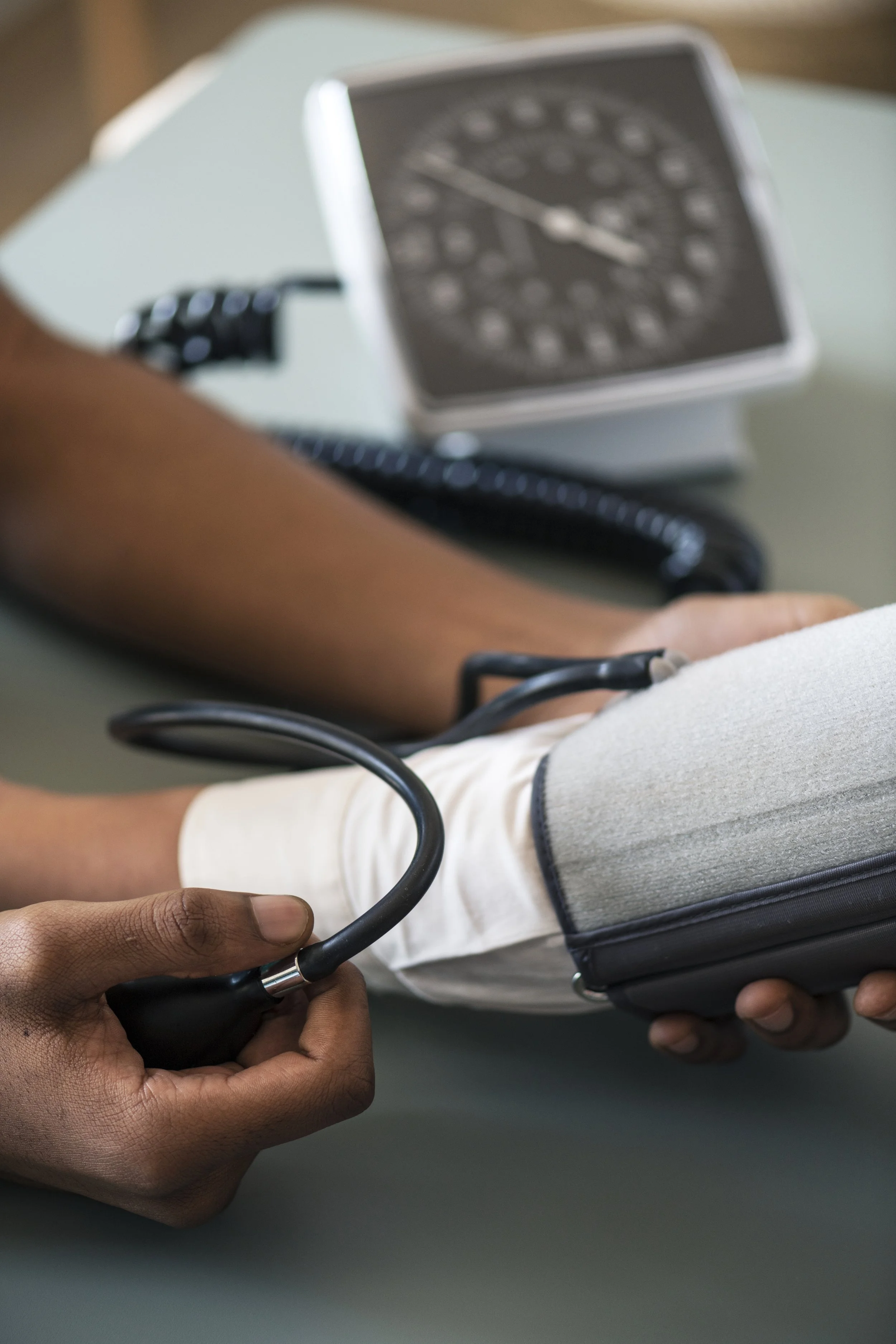
Many people aren’t aware of this: the pills they take to make them feel better just may also be affecting their blood pressure!
Some over-the-counter medications, particularly decongestants, may cause blood pressure to rise, which may cause the blood vessels in your body to constrict. They are often prescribed for colds or sinus infections, and they can become a hidden cause of what is frequently referred to as the “med spike.”
Conversely, certain medications can cause a drop in blood pressure, especially if you are already taking a medication for high blood pressure (hypertension). Pills, painkillers, and herbs may interact in surprising ways.
That’s why it’s important to read labels and, when necessary, consult a healthcare professional. When you’re already feeling stressed because of other issues in your body, the last thing you want is an unnecessary side effect because of the drugs you’re taking.
5. Infections Can Trigger Inflammation in Blood Vessels
If your body detects an infection, it triggers a response. This reaction involves inflammation, which helps defend against any harmful bacteria or viruses. However, the inflammation is not confined; it can also affect your blood vessels.
When blood vessels become inflamed, they become less supple, and blood flow is impaired. This can stress your blood vessels, causing them to become more resistant, which results in higher blood pressure.
This effect may be more pronounced in more severe infections. Your body is fighting on multiple fronts, with your cardiovascular system at the center.
This connection is important to understand because it can account for the varying levels of tiredness associated with certain diseases. It's not just the infection, but it’s also the strain on your entire system.

6. Anxiety and Emotional Stress Add Another Layer
Illness takes its toll not only on the body but also on the mind. It’s normal to feel anxious, worried, or overwhelmed when you’re not feeling well. Your blood pressure also changes when you’re in that emotional state.
Anxiety and stress elicit the same hormonal response as illness. Your heart rate increases, your blood pressure rises, and your muscles tense up. It’s a double whammy: both physically and mentally.
Imagine this: you visit the doctor’s office, log on to the internet, and convince yourself that something is definitely wrong. Suddenly, your thoughts race, your anxiety goes up, and your heart beats faster. It’s not just fear, it’s a physical reaction.
It’s important to learn to remain calm, even if you’re sick, as it will help your body cope better.
Listening to Your Body Matters More Than You Think
Your blood pressure is not a fixed number; it’s a dynamic signal that changes based on what your body is going through. Illness introduces a complex mix of stress, dehydration, inflammation, medication effects, and emotional responses, all of which can push your blood pressure up or down.
Here’s the key takeaway: these changes are not random. They are your body’s way of adapting, coping, and healing. But ignoring them can lead to bigger problems, especially if you already have health concerns.
So the next time you’re feeling under the weather, pay attention. Stay hydrated, manage your symptoms carefully, and don’t overlook how you’re feeling overall.


Everybody has a skincare routine nowadays. Everyone’s desks and vanities are littered with product upon product of serums and creams meant to make us age in reverse or glow like the sun. In the constant noise and hurricane of social media promotion and online pop up ads, however, how can you trust what will actually be the healthiest choice for your skin and what is just a bucket of glitter. Here are some examples of brands that carry vegan, cruelty free and overall sustainable sunscreen options to add into your skincare routine.