
Why Minimalist Fine Jewelry Is Resonating With Today’s Luxury Consumer
Minimalism has moved from interior design and fashion into the world of fine jewelry, reshaping how consumers think about luxury. Rather than bold, oversized statement pieces, today’s buyers are gravitating toward subtle, refined designs that feel personal and wearable every day. This transition reflects broader lifestyle changes where people are investing in fewer, more meaningful items that align with their values, aesthetics, and daily routines.
In the fine jewelry space, minimalist design is no longer seen as understated or secondary. Instead, it has become a defining feature of modern luxury. From delicate chains to understated rings, minimalist jewelry offers versatility, longevity, and emotional significance. Understanding why this trend continues to grow requires a closer look at how consumer priorities have evolved.
The Shift Toward Meaningful Ownership
One of the strongest drivers behind minimalist jewelry is the growing desire for meaning over excess. Consumers are moving away from impulse purchases and toward items that hold personal significance. Jewelry, in particular, has always carried emotional weight; marking milestones, relationships, and memories.
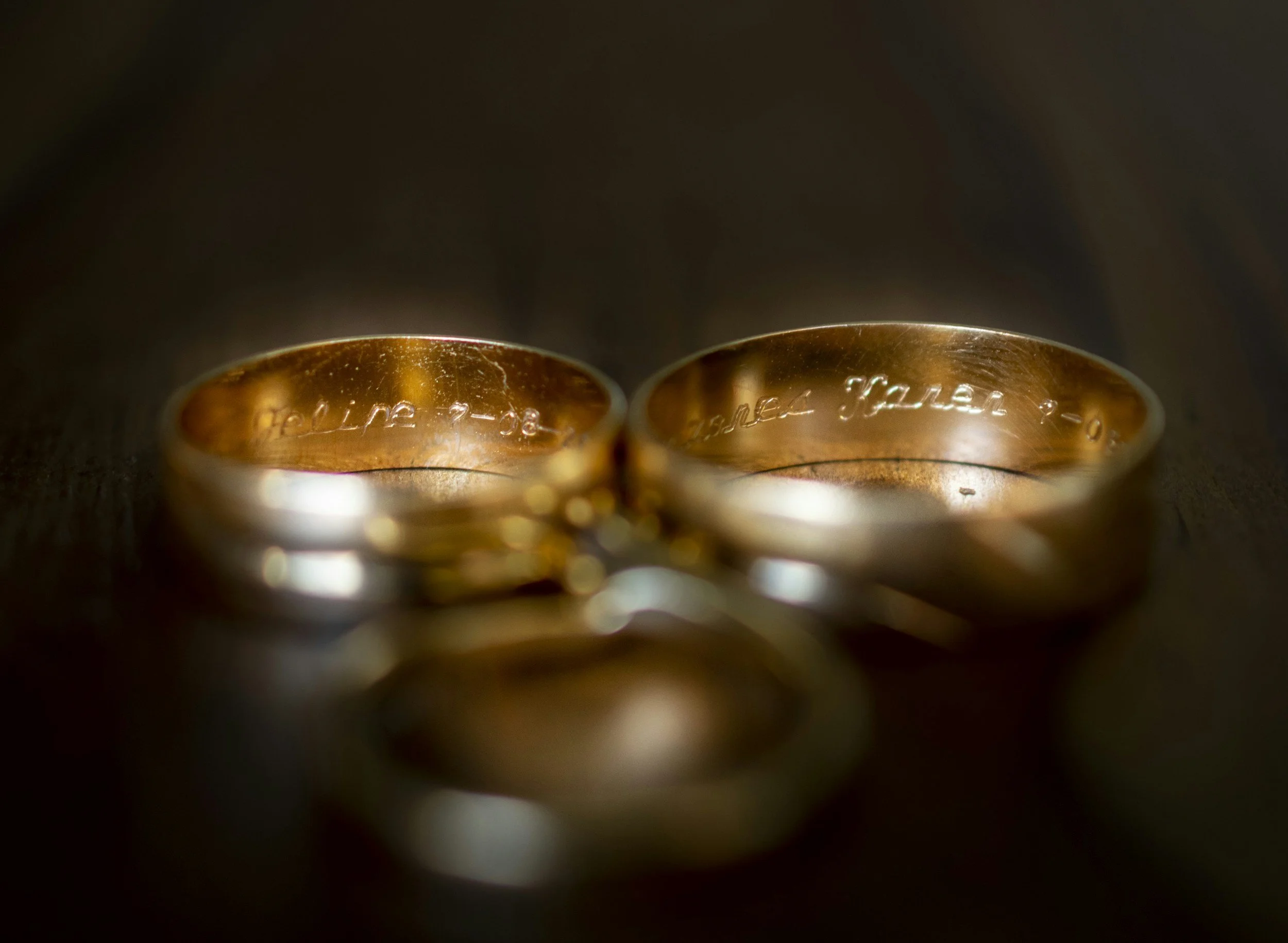
Minimalist pieces support this mindset by allowing the meaning to take center stage. A simple pendant engraved with initials or a birthstone ring often carries more emotional value than a larger, more ornate design. These pieces feel intentional rather than decorative.
This approach also aligns with how people curate their wardrobes. Instead of constantly updating collections with trend-driven items, many prefer timeless staples that can be worn daily. Minimalist jewelry fits seamlessly with this philosophy, offering pieces that feel just as appropriate at a casual brunch as at a formal event.
Versatility as a Modern Luxury Standard
Today’s luxury consumer places a high value on versatility. Jewelry is no longer reserved for special occasions; it is expected to integrate effortlessly into everyday life. Minimalist designs meet this expectation by being adaptable and easy to layer.
A delicate necklace can be worn alone for a clean, understated look or paired with other pieces for added dimension. Similarly, simple rings and bracelets can be stacked to create a personalized style without overwhelming the overall aesthetic.
This flexibility makes minimalist jewelry a practical investment. Instead of owning multiple bold pieces that only suit certain outfits, consumers can rely on a few well-crafted items that work across different settings. The result is a more cohesive and functional jewelry collection.
The Appeal of Personalization in Minimalist Design
Minimalism does not mean a lack of individuality. In fact, it often enhances it. Personalized elements such as initials, names, or symbolic charms stand out clearly when they are not competing with elaborate design details.
This is where brands like Zoe Lev have found a strong connection with modern buyers. By focusing on customization within a minimalist framework, they offer pieces that feel both refined and deeply personal. The ability to choose specific details allows customers to create jewelry that reflects their identity or commemorates meaningful moments.
Zoe Lev: A Modern Approach to Minimalist Fine Jewelry
Zoe Lev is a Los Angeles-based fine jewelry brand that reflects many of the qualities driving the minimalist movement. Their focus on personalized and custom-made pieces speaks directly to consumers who value individuality and meaning in their purchases.
At the core of the brand is a commitment to craftsmanship and responsible sourcing. Each piece is handcrafted in Los Angeles using 100% recycled solid 14k gold, available in yellow, white, or rose finishes. The use of natural, conflict-free diamonds and bezel-set birthstones adds a subtle yet refined touch to their designs.
What makes Zoe Lev stand out is how they integrate personalization into minimalist aesthetics. Their collections include necklaces, bracelets, rings, earrings, and charms that can be customized with names, initials, monograms, or engravings. This approach allows customers to create jewelry that feels uniquely their own while maintaining a clean and timeless look.
The brand also offers a “Build-Your-Own” concept through The Studio, where customers can mix and match charms to design personalized necklaces and bracelets. This interactive element adds another layer of individuality, making the jewelry part of a creative process.
In terms of accessibility, Zoe Lev occupies a space between fashion jewelry and high-end luxury. With personalized necklaces ranging from a few hundred to over a thousand dollars, the brand appeals to consumers seeking quality fine jewelry without reaching ultra-luxury price points.
Ethical and Material Considerations
Another factor influencing the rise of minimalist jewelry is increased awareness around materials and sourcing. Consumers are paying closer attention to where and how their jewelry is made, often favoring brands that prioritize ethical practices.
Minimalist designs naturally align with this. They typically require fewer materials and place greater emphasis on quality rather than quantity. When combined with responsible sourcing, such as recycled metals and conflict-free stones, these pieces offer a more conscious approach to luxury.
This focus on sustainability does not detract from the aesthetic appeal. Instead, it enhances the value of the piece. Knowing that a necklace or ring was made with care and ethical consideration adds an additional layer of meaning for the wearer.
Longevity Over Trends
Trends in fashion come and go, but minimalist jewelry doesn’t. Its appeal lies in its simplicity, which resists becoming outdated. A well-designed minimalist piece can remain relevant for years, even decades.
This longevity makes it a practical choice for consumers who want to build a lasting collection. Rather than replacing items each season, they can invest in pieces that remain current over time. This approach also aligns with a more sustainable mindset, reducing the need for frequent purchases.
Minimalist jewelry also transitions easily across life stages. A simple gold necklace worn in early adulthood can still feel appropriate years later, adapting to different personal styles and occasions without losing its relevance.
Conclusion
Minimalist fine jewelry reflects a broader shift in how people define luxury. Instead of focusing on size or extravagance, consumers are prioritizing meaning, versatility, and longevity. These values have reshaped the jewelry market, making understated designs more relevant than ever.
By combining simplicity with personalization, minimalist pieces offer a balance. They fit seamlessly into modern lifestyles while still holding deep personal value.

Back to school season is in full swing and with it, the endless journey of back to school shopping. As a college student, I am less likely to go out in search of colorful new notebooks and pencils like I used to as a kid because I spend all my time on my laptop now, but there’s still one thing we are often on the hunt for.