
Skincare Doesn’t Stop at the Face: Caring for a Dry, Shaved Scalp
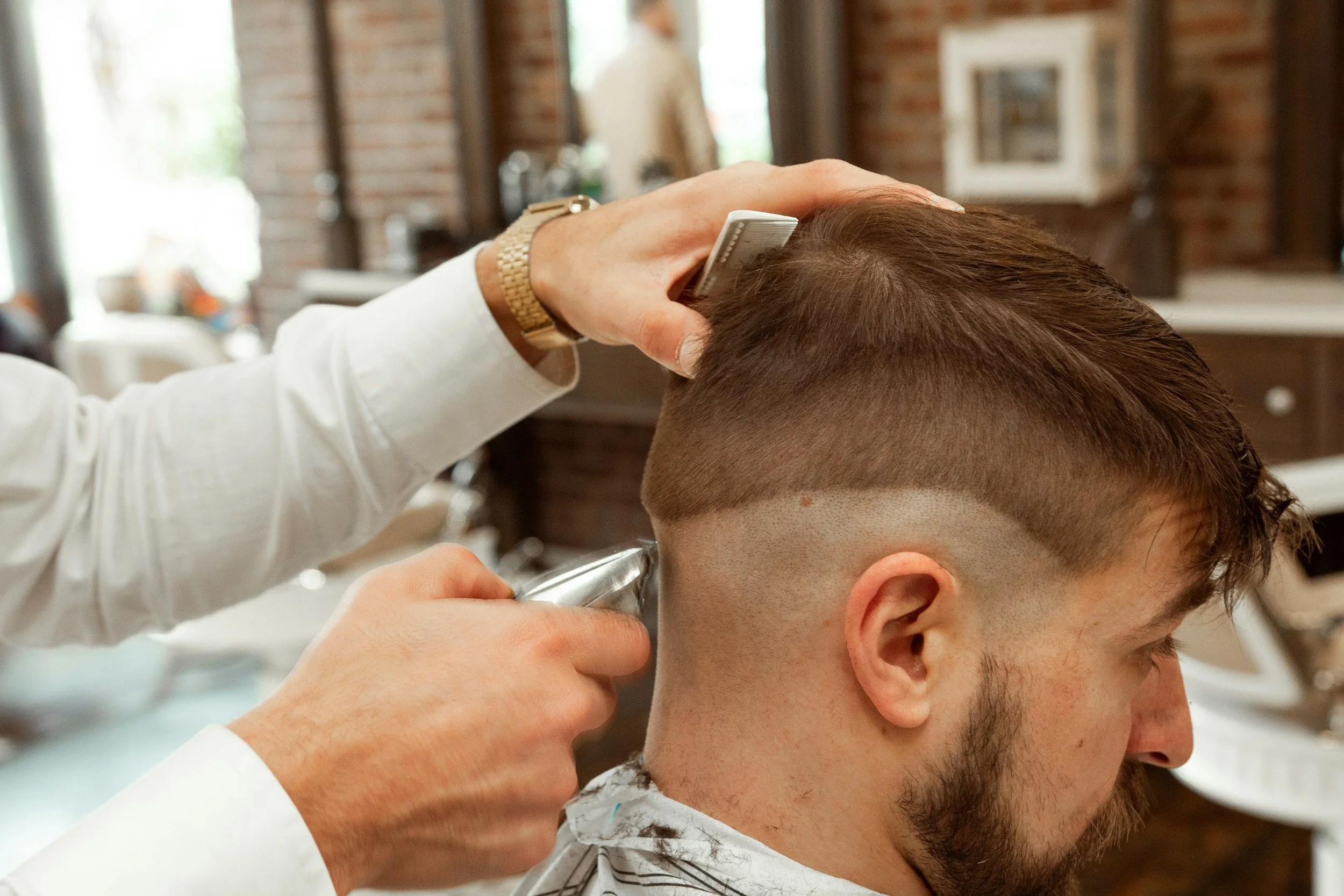
Shaving your head can feel like a clean, confident reset, but the skin it reveals is often left out of the beauty conversation. Without hair as a buffer, tightness, irritation, and visible flakes can make a freshly shaved scalp feel anything but smooth.
Fortunately, dry scalp after shaving your head calls for a simple approach: less friction, gentler cleansing, lightweight moisture, and daily protection for exposed skin.
What Should You Put on a Dry Scalp After Shaving?
After a close shave, rinse away any remaining lather with lukewarm water, gently pat the scalp dry, and apply a lightweight moisturizer while the skin is still slightly damp. This helps restore moisture without relying on heavy products that can feel greasy or contribute to clogged pores.
If tightness or visible flakes appear, understanding why a shaved scalp can feel dry and flaky is the first step toward choosing the right aftercare. Avoid harsh cleansers and artificial fragrances, especially if your scalp is sensitive.
Post-Shave Moisturizers for Different Scalp Needs
Choosing a moisturizer for exposed scalp skin comes down to four things: texture, sensitivity, finish, and how the product fits into your daily routine. Heavy creams may restore moisture, but they can also leave a bald head looking or feeling greasy.
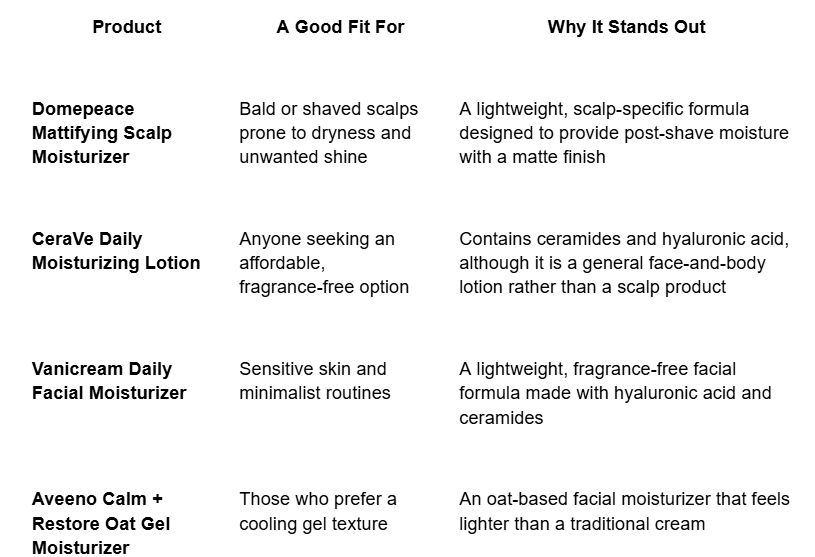
Domepeace Mattifying Scalp Moisturizer is the most specialized option in this group because it is positioned specifically for bald scalp care, combining lightweight post-shave hydration with a matte finish. It may be especially appealing to anyone who wants a comfortable, smooth-looking scalp without the shine that richer face or body lotions can leave behind.
Skin sensitivities vary, so patch-test any new product before applying it across a freshly shaved scalp.
Why Does Your Scalp Feel Dry After Shaving?
Shaving does not just remove hair. Each pass of the razor also creates friction against the scalp’s outer surface. Too much pressure, repeated passes, or a dull blade can leave the skin feeling tight, tender, or rough and disturb its natural moisture barrier.
Dryness can continue after the razor is put away. Hot showers, harsh cleansers, and frequent washing can remove natural oils, while cold air, wind, indoor heating, and sun exposure place additional stress on an uncovered scalp.
An oily scalp can still feel dehydrated because oil production and water content are not the same thing. Sweat and product buildup may also cause discomfort. Although small, dry flakes can be shed skin, persistent itching, redness, or heavier flaking may point to something other than ordinary post-shave dryness.
How to Care for Your Scalp After Shaving
A comfortable shaved scalp begins with reducing unnecessary friction and replacing the moisture lost during cleansing and shaving.
Cleanse Gently With Lukewarm Water
Wash the scalp with a mild cleanser to remove sweat, excess oil, and product residue before shaving. Use lukewarm rather than hot water, since prolonged heat and harsh detergents can leave the skin feeling even drier. Afterward, pat the scalp with a clean towel instead of rubbing it.
Use a Sharp Razor and Fewer Passes
A dull blade can tug at the skin and encourage repeated passes over the same area. Use a clean, sharp razor with enough shaving cream or lather to create slip. Shave with light pressure, beginning in the direction of hair growth. If close shaving regularly leads to razor bumps or irritation, an electric razor may offer a more comfortable alternative.
Moisturize While the Scalp Is Slightly Damp
Apply a lightweight moisturizer shortly after rinsing, while the scalp still holds a little water. Ingredients such as hyaluronic acid can help attract moisture, while emollients help soften the skin. If your scalp is sensitive, consider formulas without artificial fragrances and introduce new products one at a time.
Exfoliate Carefully, Not Aggressively
Dead skin and buildup can collect on a shaved head, but scrubbing harder is not the solution. Use a gentle scalp scrub on a non-shaving day and adjust the frequency based on how your skin responds. Avoid exfoliating skin that is freshly shaved, broken, or already irritated, since overdoing it can worsen dryness.
Is It Dry Scalp, Dandruff, or Razor Burn?
Flaking does not automatically mean dandruff. Look at when the symptoms began, how the flakes appear, and whether the scalp feels tight, itchy, or painful.
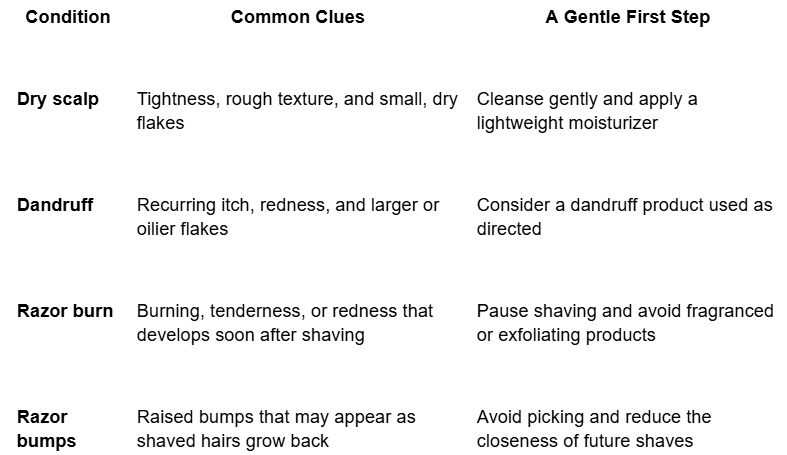
These signs can overlap, so use them as a starting point rather than a diagnosis. If the symptoms persist, spread, or become painful, a dermatologist can help identify the underlying scalp condition.
Protect Your Bald Scalp From Sun and Cold Air
A shaved or bald scalp receives direct sun exposure, making daily protection an important part of scalp care. Apply a broad-spectrum, water-resistant sunscreen with SPF 30 or higher whenever your head is uncovered. Reapply it every two hours and after swimming or sweating, following the product’s directions. A wide-brimmed hat can provide additional coverage. These habits help protect the skin from sunburn, UV damage, and long-term skin cancer risk.
Cold air and wind can also worsen tightness and dryness. During colder months, moisturize before going outdoors and cover your scalp with a clean, comfortable hat that does not rub against freshly shaved skin.
When Should You See a Dermatologist?
Consult a dermatologist if flaking persists or worsens despite gentler care, or if you notice thick patches, severe itching, swelling, bleeding, pain, pus-filled bumps, or a spreading rash. A professional can determine whether you are dealing with simple dryness, dandruff, a reaction to a product, or another scalp condition and recommend appropriate treatment.
Give Your Scalp the Same Care as Your Face
A smooth, comfortable shave does not require an overflowing shelf of products. It begins with gentle cleansing, less friction, consistent moisture, and protection from the elements. Treating a bald or shaved scalp as skin, rather than an afterthought, can make the daily ritual feel better while supporting the confidence behind the look.


In the world of makeup and skincare, the 2020s have been defined by little to no visible product on the face. “Clean girl” minimalism and the “no make-up make-up look” have long lapped the 2010s passion for big, blocky eyebrows, cut creases with thick eyeliner, blinding highlighter and overdrawn lips. As someone who began her makeup journey during that heavy, colorful era, I yearn for the days when people wanted to go outside wearing more than the latest in an endless parade of lip oils.