
What Makes HYROX Different From Every Other Fitness Challenge Out There
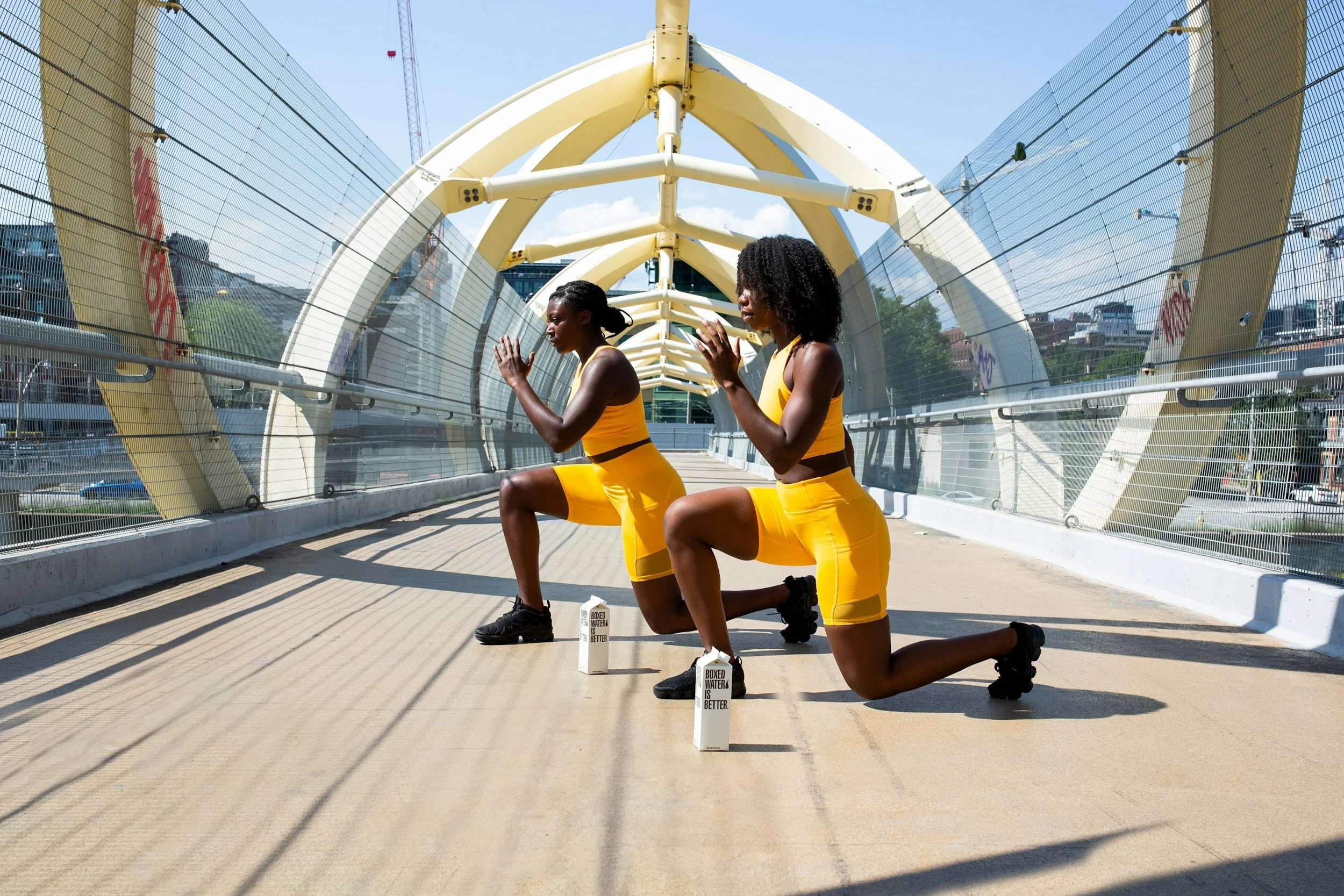
The fitness event landscape has never been more saturated. Obstacle races, marathon relays, CrossFit competitions, charity fun runs, and a rotating cast of branded workout challenges have been competing for attention for years. Most of them peak in popularity, plateau, and eventually become the thing your friend did once in 2019 and still mentions occasionally.
HYROX has done something different. It has grown consistently across more than eighty countries, drawn hundreds of thousands of participants annually, and built a competitive community that spans elite athletes and genuine beginners at the same event on the same day. Understanding why requires looking at what the format actually is and what it asks of the people who do it.
The Format Explained
HYROX is a fitness race with a fixed format that doesn't change between events. Eight one-kilometre runs, each followed by a specific functional fitness workstation, repeated until all eight rounds are complete. The total distance run is eight kilometres. The workstations are always the same: SkiErg, Sled Push, Sled Pull, Burpee Broad Jumps, Rowing, Farmers Carry, Sandbag Lunges, and Wall Balls. The order never changes. The weights scale by category, but the movements don't.
This consistency is deliberate and significant. Because the format is identical at every HYROX event worldwide, participants can compare their time in Melbourne against an event in Berlin or New York with complete accuracy. There's no variation in course difficulty, no weather advantage, no format change between venues. You get better at HYROX by getting better at HYROX, which means training with purpose and measuring progress with precision.
The combination of running and functional fitness stations is what creates the specific physical demand that makes the event unlike either discipline on its own. A strong runner who hasn't trained the stations will hit the sled push and immediately understand what they haven't prepared for. A gym-trained athlete with strong functional fitness will feel their running economy deteriorate under accumulated fatigue in ways that isolated training doesn't produce. HYROX exposes both gaps, which is part of why people come back to it repeatedly.
Who It's Really For
The honest answer is that HYROX is genuinely for a broader range of people than most fitness events, and the way it achieves that without diluting the competitive experience for faster athletes is one of its more thoughtful design features.
Weights scale across divisions. The Open category uses lighter implements that make the workstations achievable for anyone with reasonable fitness rather than requiring strength levels that take years to develop. The Pro category increases the weight significantly, creating a genuinely different physical challenge for competitors who have developed the specific capacity it demands. Both compete at the same event, on the same course, at the same time, which creates a shared experience that most fitness formats, with their age-group divisions and separate competitive tiers, don't produce in the same way.
The finish line is the same finish line regardless of where someone started. A first-timer who trained for six months and crossed in ninety minutes is having a genuinely different experience from an elite athlete chasing a sub-sixty-minute time, but they're doing it in the same space, against the same format, with the same sense of completion when it's over. That shared context is part of why HYROX builds community in a way that more segmented competitive formats don't.
As the Official HYROX Sponsor, PUMA has built a dedicated collection around the specific demands the event creates, with footwear and apparel engineered for the transition between running kilometres and functional fitness stations that defines the race format. The PUMA x HYROX Deviate NITRO Elite 4 and Velocity NITRO 5 are both designed with that dual-demand context in mind, providing the cushioning and grip that eight kilometres of running requires alongside the stability that sled pushes, sandbag lunges, and wall balls demand.
Why the Training Changes You Before Race Day
Most people who sign up for HYROX describe the training period as the part that surprised them most. Not the event itself, but the months of preparation that changed how they approached fitness before they ever stood on a start line.
Training for HYROX requires simultaneously developing running economy and functional fitness capacity, two things that most people train separately if they train them at all. The runner who adds station-specific training to their programme discovers muscle groups they weren't developing. The gym-trained athlete who adds running to their weekly schedule discovers a cardiovascular baseline they hadn't needed before. The combination produces a more complete fitness adaptation than either discipline pursued alone.
The specificity of the training also changes how people measure progress. Because the format is fixed, every training session has a clear relationship to race day performance. A faster kilometre time, a cleaner sled push, better form on sandbag lunges under fatigue, all of these map directly onto a faster finish time. That clarity of purpose is something general fitness training rarely provides, and it changes how motivated people feel about the sessions that would otherwise feel routine.
What Crossing the Finish Line Tends to Do
Ask anyone who has finished a HYROX event what the experience was like and most of them will describe something they weren't fully prepared for, not the difficulty, but the particular quality of exhaustion and satisfaction that comes from completing something that required every physical system they have, simultaneously, for an extended period.
It's a different kind of tired from a marathon or a heavy gym session. It's the specific tiredness of having run eight kilometres and pushed a sled and pulled a rope and done burpees and rowed and carried and lunged and thrown, all in sequence, all fatigued, all on the same day. There's a clarity to it that people find genuinely addictive, which is why the retention rate in HYROX, the proportion of first-timers who come back for a second event, is one of the more remarkable statistics in the fitness event space.
The format does something to people that's difficult to manufacture artificially. It gives them a complete picture of their fitness and a specific path to improving it. That combination, clarity plus community plus consistent format plus genuine challenge, is what makes HYROX different from everything else in the space. And it's why the question of whether to try one tends to have a fairly simple answer once someone understands what they're actually signing up for.


Everybody has a skincare routine nowadays. Everyone’s desks and vanities are littered with product upon product of serums and creams meant to make us age in reverse or glow like the sun. In the constant noise and hurricane of social media promotion and online pop up ads, however, how can you trust what will actually be the healthiest choice for your skin and what is just a bucket of glitter. Here are some examples of brands that carry vegan, cruelty free and overall sustainable sunscreen options to add into your skincare routine.