What are we Putting into the Grocery Cart? The United States Current Unprecedented Food Safety Crisis.
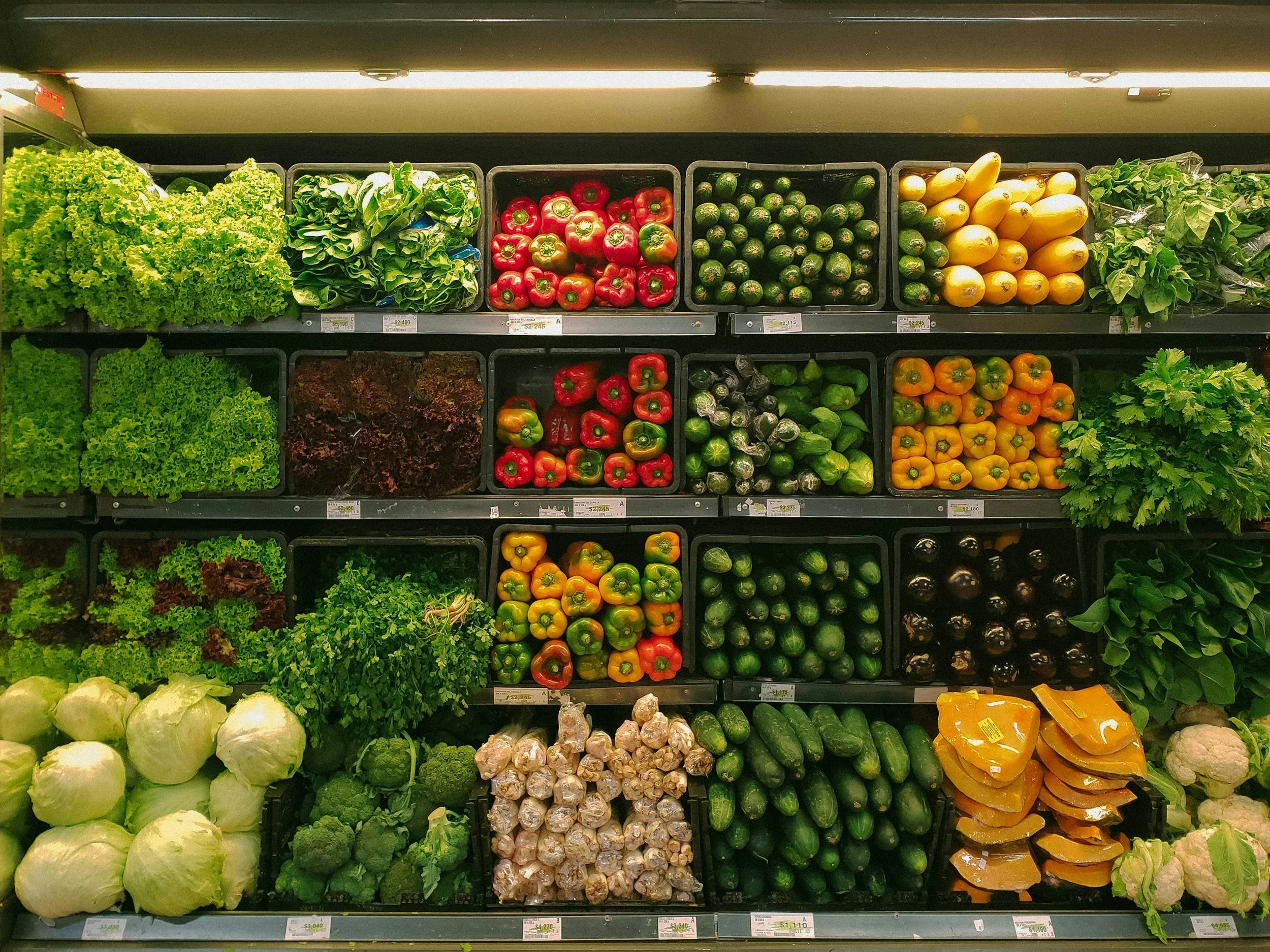
Since the beginning of summer, the question has been raised as to whether the United States is experiencing a food safety outbreak; while some clinical cases remain within average ranges, others exceed them, leaving the public with an unsettling impression. Consequently, I have set out to break down this issue.
To begin breaking down this crisis, it is important to note that on July 1st of this year, the Foodborne Diseases Active Surveillance Network program reduced surveillance to just two pathogens: Salmonella and Shiga toxin. Prior to July, the program had been tracking infections caused by six additional pathogens: Campylobacter, Cyclospora, Listeria, Shigella, Vibrio, and Yersinia. Following this, a massive surge in Cyclospora cases was reported by late August, with over 17,000 confirmed cases, far exceeding the figures from previous years.
Without comprehensive screening of the food sold to us, how can we determine the root of the problem? Since we are dealing with a parasitic issue, by the time the specific parasite and the affected food group are identified, the outbreak can be in full swing or may well have already ended ; parasites are among the most difficult organisms to detect, as many infections do not cause clear symptoms and the microorganisms are shed from the body irregularly.
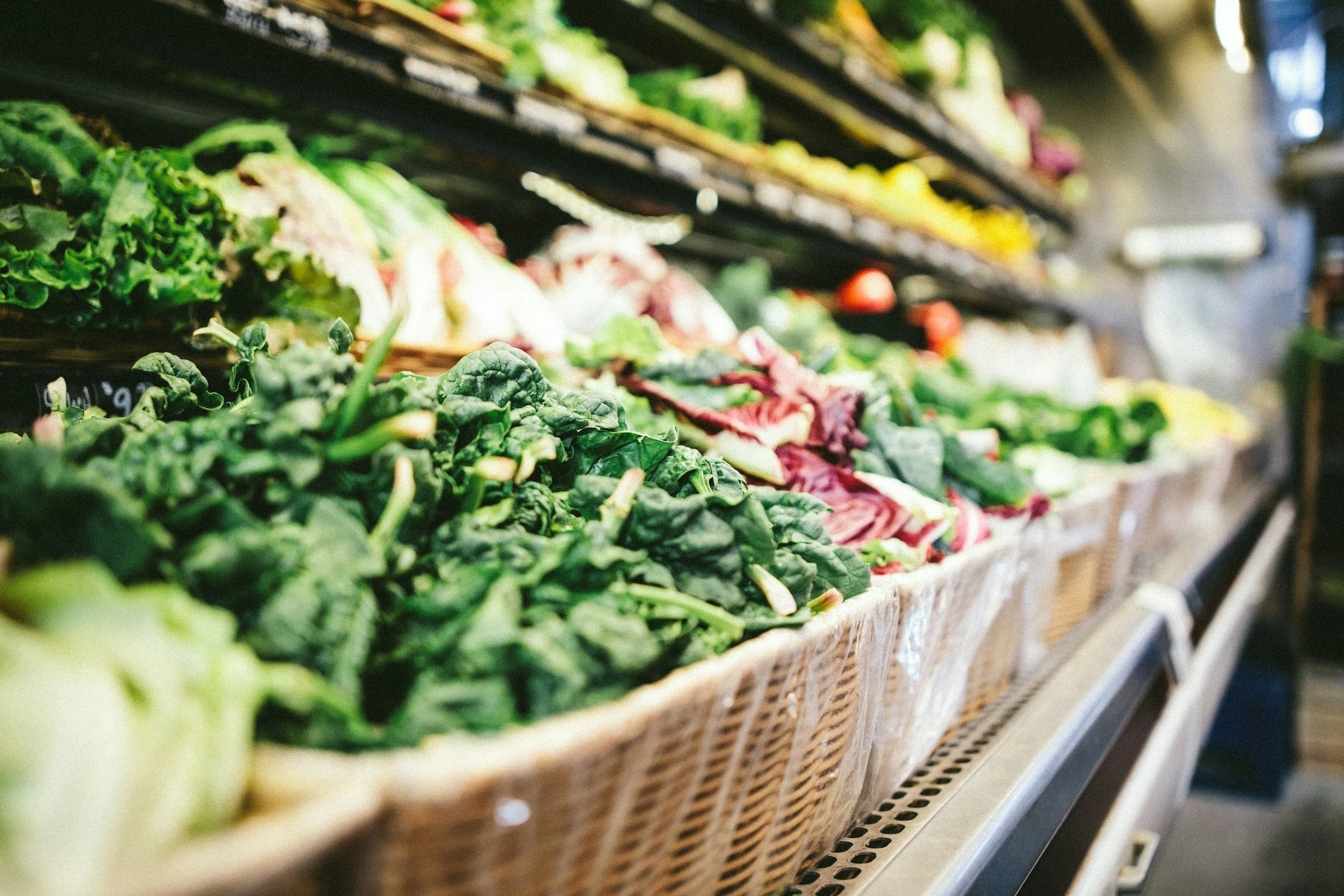
So, what is actually happening? What is being disguised as a “public health problem” turns out to be nothing more than a cost-cutting measure that consistently puts the individual at risk. While official statistics tell one story, those dealing with public health on a daily basis see it differently; according to Global Biodefense, The Centers for Disease Control and Prevention (CDC) has faced massive, overlapping funding cuts and freezes from the U.S. administration, including a proposed 40% administrative budget cut and targeted grant cancellations that closely align with the $40 million figure cited for specific regions. This is neither a seasonal flu nor a result of summer heat; it is a political and economic issue.
The importance of CDC
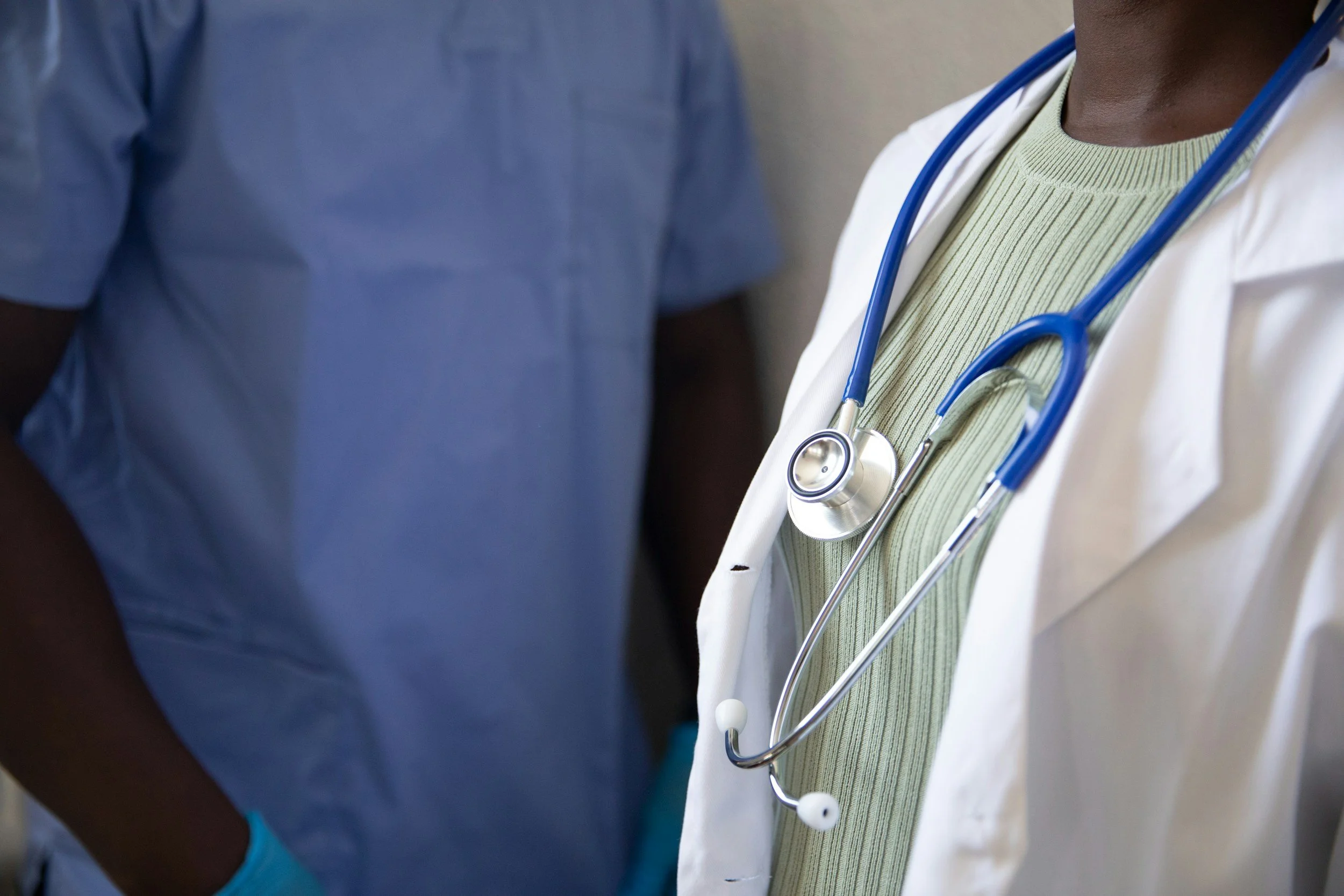
The U.S. Centers for Disease Control and Prevention (CDC) is the federal agency mandated with protecting the health of Americans. It also plays a crucial role in fighting disease globally, conducting cutting-edge research, and acting as a first responder in crises such as outbreaks of the Zika virus in South America and Ebola in West Africa. They protect and improve the health of Americans, which it fulfills by preventing, detecting and controlling diseases, however on the brink of a pandemic its employees are being displaced, just in February of this year 4000 CDC employees were reported fired by the Trump administration.
During modern crisis what we need to build is community, as the Trump administration continues to reshape the federal public health agencies, and disinforming the population, quoting the Guardian newspaper “the goal will be to someday rebuild the CDC into a stronger, better version of itself – one that restores Americans' faith in public health”.
What can we do and how can we help?
To protect yourself from foodborne illness you can:
Stay informed
Check out sites like Foodborne Outbreaks, where you can find information on the latest bacteria detected and the foods in which they are found. You can also keep an eye on FDA Recalls and Safety Alerts, which feature active investigations that are constantly updated. You can use these tools to double check what products and brands you are getting into the grocery chart.
Keep washing your groceries!
Even though it seems like the most basic or not useful tool, it's really a simple step that can be a game changing. Wash raw fruits and vegetables thoroughly, buy whole fruits and vegetables rather than pre-washed or pre-shredded bagged salads.
Prevent cross-contamination
When shopping, separate raw meat, poultry, and seafood from other foods, you can place these foods in plastic bags to prevent their juices from dripping onto other foods. When you are refrigerating, place raw meat, poultry, and seafood in containers, store eggs in their original carton and refrigerate as soon as possible. And while you're preparing food, always wash your hands, utensils, and countertops frequently with warm, soapy water before and after food preparation. When cutting, use a clean cutting board, if possible, use one cutting board for fresh produce and a separate one for raw meat, poultry, and seafood. Or even better, go vegan! That way you can help the planet and also protect yourself from the bacteria that the juices from foods like chicken and meat can carry.
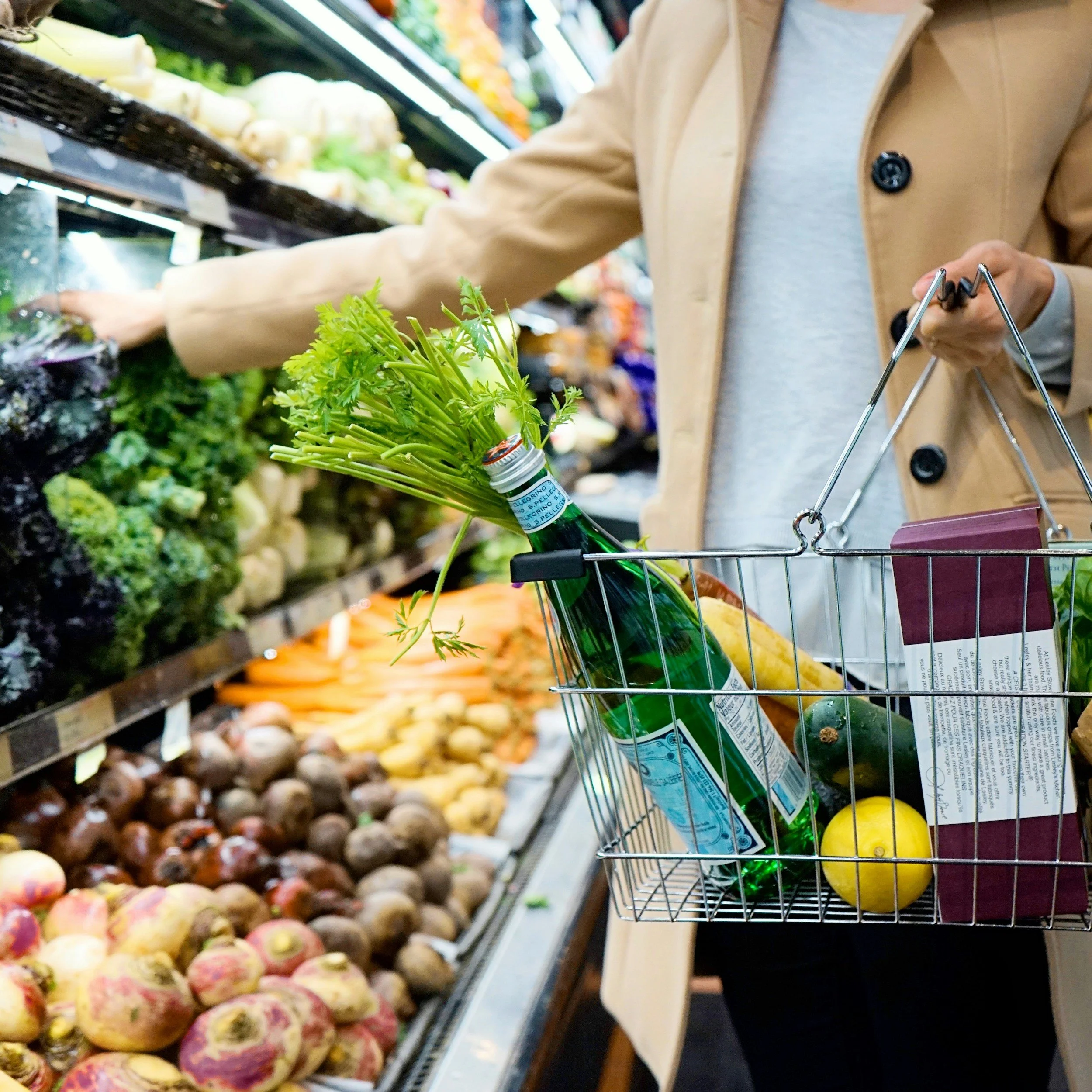
Beyond the individual steps we take to protect our food, the work of those who safeguard what we buy and consume, going far beyond just "washing our fruit" is at risk. The people who conduct research for the health of an entire nation are losing their jobs; it is up to us to speak up for them, vote, stay informed, and work together as a community to build a reliable public health system.


The 4th of July is more than a celebration of independence, it is a reminder of what it takes to stay free. While fireworks and parades can be joyful markers of the day, the true spirit of this holiday lives in civic action, compassion, and accountability. In a time of political uncertainty, social division, and environmental urgency, perhaps the best way to honor our freedom is to take responsibility for protecting it. What does freedom mean today, and how do we keep it alive for everyone, not just a privileged few? Independence Day should be a time not just of national pride, but of national reckoning. Are we living up to the ideal son which this country was founded? Are we ensuring liberty and justice for all, as the Constitution promises?