
What’s Happening in Iran & Why Should We Be Paying Attention?
Over the last 17 years Iranians have taken to the streets to protest their theocratic regime, but recently demonstrations have seen rapid growth. Alongside that increase, thousands of protestors have been severely injured and killed as a result of riot police force’s tear gas and live ammunition.
Why is Iran Protesting?
The growth in protest demonstrations was triggered by Iran’s recent economic collapse. Merchants in Tehran’s central bazaar were the first to start the rise in protests after the rial plummeted 1.48 million to the dollar on Dec. 28. Soon after, regular Iranians followed as they watched their purchasing power fade right before their eyes. By the new year, protests had spread across all 31 provinces.
Although there have been years of corruption within the government, this economic devastation accelerated after the United Nations re-laid sanctions over Iran’s pursuit of nuclear weapons in Sept.
At first, protestors were calling for economic relief, though they quickly shifted to demanding the overthrowing of the Islamic Republic altogether. Protests also include sentiment against many of the social restrictions imposed by the regime, including governance of dressing and personal behavior. The regime has been in power since 1979 and is known to be widely unpopular amongst most of its population.
How Many Protestors Have Lost Their Lives in Iran?
On the evening of Jan. 8, Iran shut down internet and phone network access as riot police confronted some of the largest demonstrations yet. Despite the blackout, it’s been reported that regime security forces responded by open firing on crowds of protestors. A doctor under anonymity told TIME that six hospitals alone in Tehran have recorded the deaths of at least 217 protesters, “most by live ammunition.” Video footage has also emerged, containing images of truck-mounted machine guns firing in residential areas.
As of Jan. 12, Human Rights Activist News Agency has confirmed 646 deaths and their identities across the nation. A news station that opposes the theocratic regime, Iran International, reported an estimate of at least 12,000 protest-related deaths during the blackout.
More images of morgues in the Tehran-area filled with hundreds of bodies, all from the night of the 12th alone, have emerged. The full death toll of that night is still unknown.
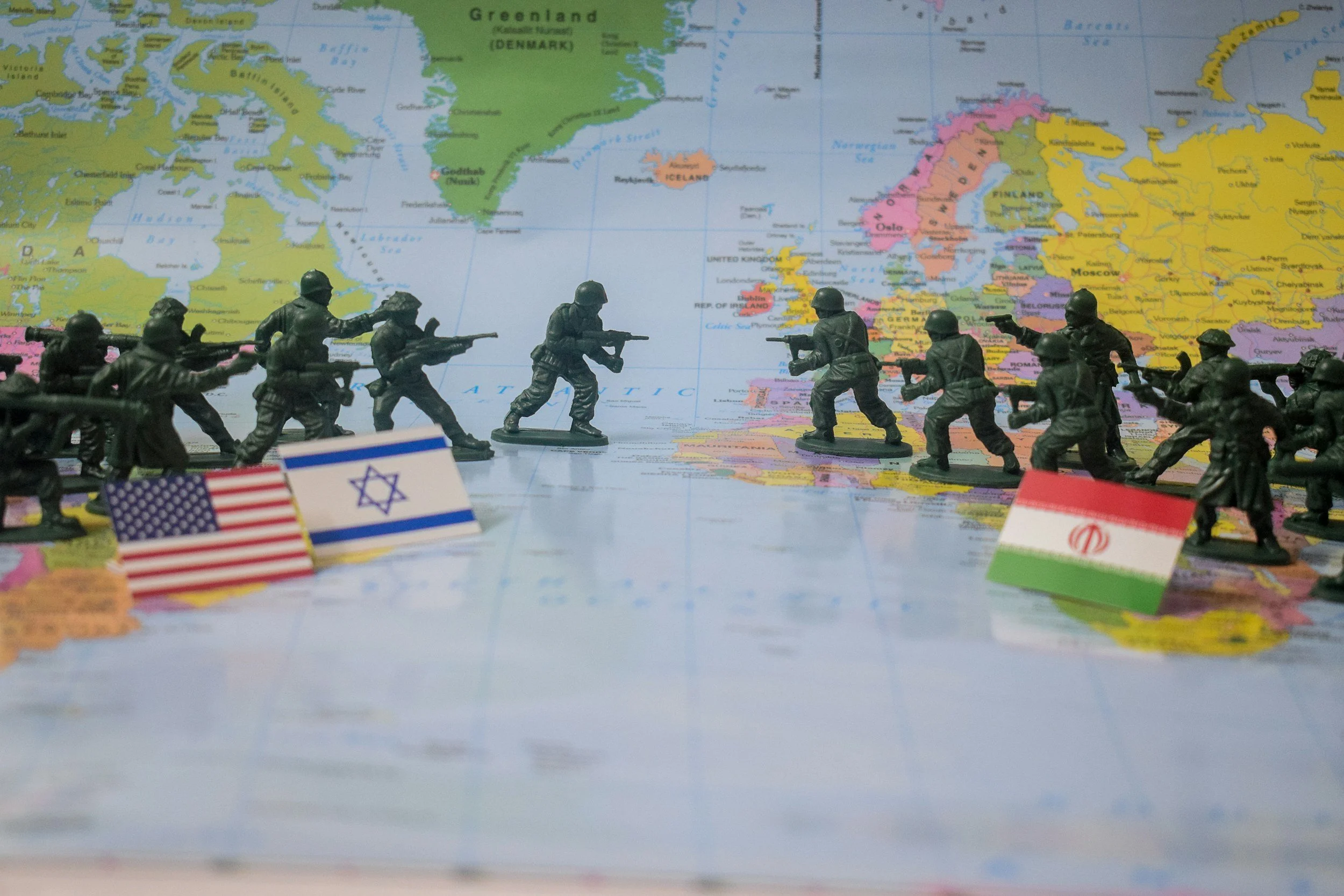
President Trump has vowed for a U.S. intervention against Iran’s government for these deaths, though has currently not made any action towards it at this time.
How is the Regime Responding?
While Tehran’s prosecutor warned protestors of the death penalty as a consequence, an Islamic Revolutionary Guard went on state television to further warn those partaking in demonstrations against the regime, stating, “If… a bullet hits you, don’t complain.”
On Jan. 9, Supreme Leader Ayatollah Ali Khamenei made a speech broadcast in which he stated, “The Islamic Republic will not back down in the face of vandals” who seek to “please: Trump.
Why Should The U.S. Be Paying Close Attention?
Protests against the Trump administration and their actions, specifically including severe ICE presence in cities like Minnesota, have ramped up in size and wide-spread influence. The response of ICE agents and the administration has been aggressive.
On Jan. 7, Renee Nicole Good, a U.S. citizen and mother of three, was murdered by an ICE agent. The agent claimed Good attempted to run him over and that his actions were in the name of self-defense, though video footage and incident reports show otherwise.
In a Truth Social post on Jan. 15, President Trump threatened to invoke the Insurrection Act and deploy the military to “put an end” to anti-ICE protests. Just days after this post, the Pentagon ordered 1,500 active duty military members to standby for potential deployment to Minnesota on top of the nearly 3,000 ICE agents that have already been sent to the state.
On Jan.19, the U.S. Department of Justice appealed a temporary court order that restricted the tactics that could be used by federal law enforcement against anti-ICE protestors in Minnesota.
During an Oval Office interview with Reuters, Trump even suggested the U.S. get rid of midterm elections in November, “when you think of it, we shouldn’t even have an election.” Though he later said, “Now, I won’t say cancel the election, they should cancel the election, because the fake news will say, ‘He wants the elections canceled. He’s a dictator,’” the mere suggestion is very telling.
While the U.S. is not at the level of violence against protestors that Iran is currently at, it is not entirely impossible that the U.S. has a chance to get close.
What is the point of making national parks more accessible if they aren't sustainable? In 2025 alone, the United States National Park System recorded 323 million recreational visits. However, as visits increased, there weren't enough staff to sustain such a system. Since Trump took office, it was reported that by mid-2025 the administration had dismissed nearly 1,000 NPS employees as part of a wave of far-reaching federal layoffs, all under the promise of "saving money."