Maduro’s Capture Raises Legal Concerns
For months the Trump administration has been running a pressure campaign on Venezuela and its autocratic leader, Nicolás Maduro. This campaign was an effort meant to push Maduro from power as the Trump administration has accused him and his government of being involved in drug-trafficking and terrorism. More specifically, Trump blames Maduro for sending the fentanyl that has contributed to the American opioid crisis and for the rise of Venezuelan immigrants in the United States.
Early Morning Action
On January third, America took assertive action through a military operation that placed Maduro and his wife, Cilia Flores, into U.S. custody, effectively removing him from Venezuela and from power. After being seized from their home, Maduro and his wife were sent to the U.S. to face prosecution for a Justice Department indictment that accused them of involvement in a narco-terrorism conspiracy.
Hours after Maduro’s capture, Trump told reporters of his plans to exploit the leadership void created in order to “fix” the country’s oil infrastructure and sell “large amounts” of Venezuela's oil to other countries. He claimed that the U.S. government would lend a hand in helping run the country and was already doing so, although there were no immediate signs of a U.S. governing presence as the country’s state TV continued to air pro-Maduro propaganda.
Trump later took to social media, posting a photo of Maduro on board the USS Iwo Jima, wearing a sweatsuit and blindfold. The Trump administration came out in support of the capture, calling it as a step towards reducing the flow of drugs into the U.S.
Maduro, along with other Venezuelan officials, have been indicted on charges of “narco-terrorism” conspiracy in the past, though the new indictment released by the Justice Department characterized the regime as a “corrupt, illegitimate government” powered by drug-trafficking operations that let an overflow of cocaine into the United States. The U.S. government currently does not recognize Maduro as Venezuela’s leader.
During the months leading up to Maduro’s capture, there was a steady increase of American forces in the waters near South America and targeted attacks on boats accused of carrying drugs in the Caribbean and eastern Pacific.
Legal Concerns
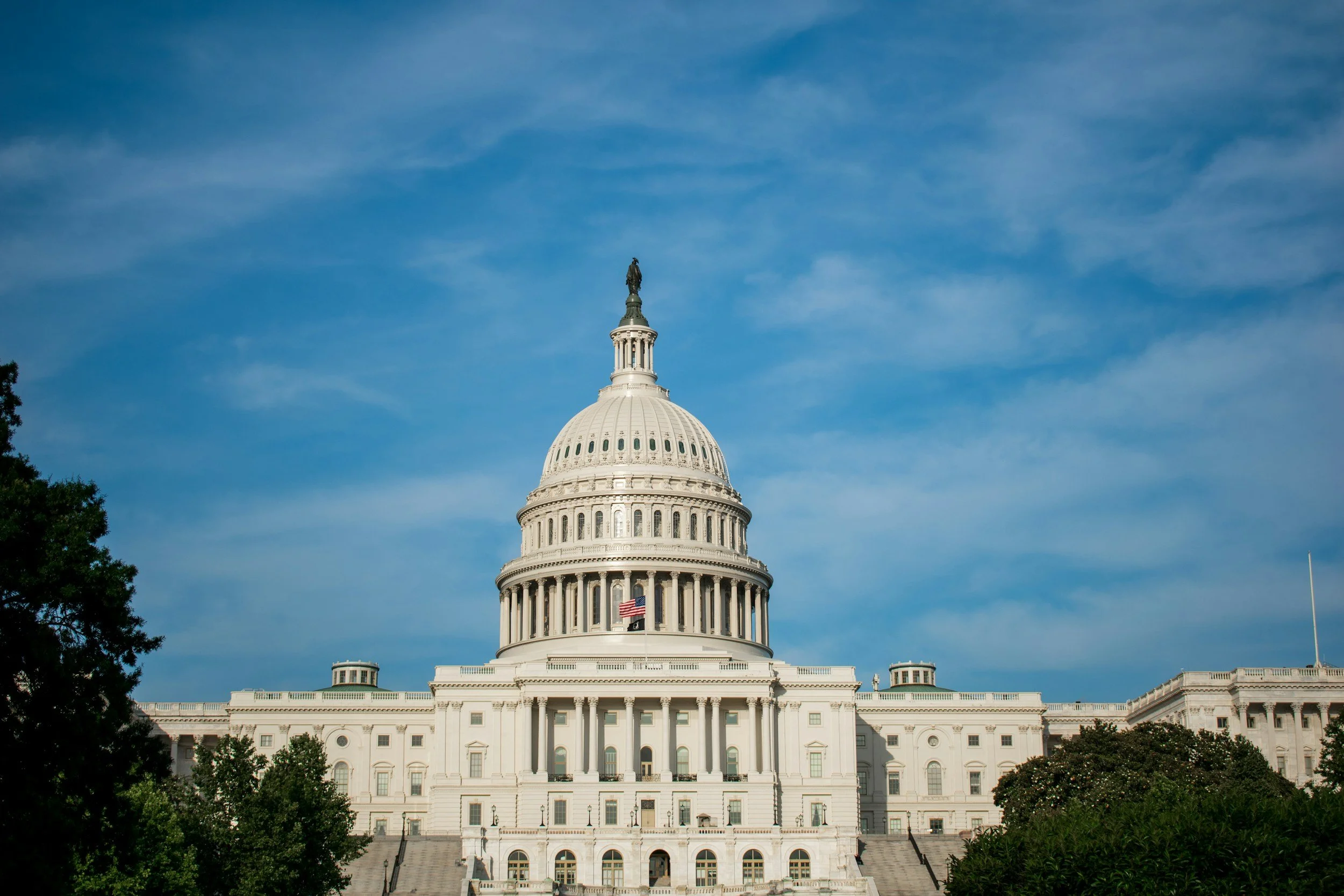
After concerns around international law violations rose due to the attacks on boats in the Caribbean and eastern Pacific, it seems the Trump administration is facing backlash once again surrounding the legal authority of Maduro’s capture. Citizens and lawmakers from both political sides have raised reservations and strong objections to Maduro’s capture, questioning the legal justification behind the move.
An administration memo obtained by The Associated Press in October, declared the U.S. in “armed conflict” against drug cartels operating in Venezuela, describing them as unlawful combatants to justify heavy military involvement. It also presents itself as rationale for past and future actions taken by the U.S. military.
Congress, which has the power to authorize and prohibit the president’s war powers, has done neither regarding any American military strikes or law enforcement actions against Venezuela. This U.S. operation has serious implications, including serving as a greenlight for other countries to carry out the same kinds of acts.
What is the point of making national parks more accessible if they aren't sustainable? In 2025 alone, the United States National Park System recorded 323 million recreational visits. However, as visits increased, there weren't enough staff to sustain such a system. Since Trump took office, it was reported that by mid-2025 the administration had dismissed nearly 1,000 NPS employees as part of a wave of far-reaching federal layoffs, all under the promise of "saving money."