
Why Embroidery Still Matters in the Future of Sustainable Fashion
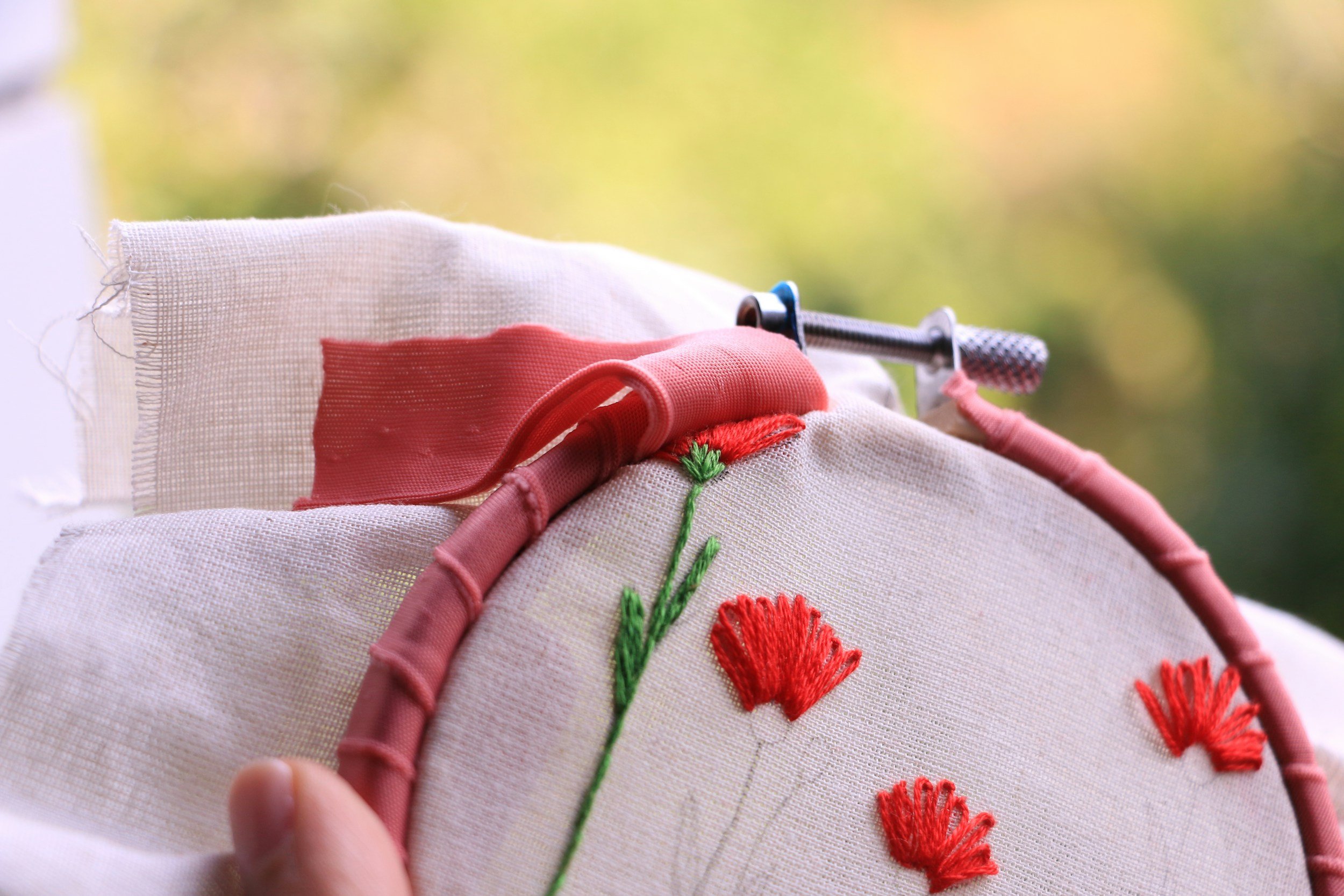
Fashion is changing. More shoppers are asking where clothes come from, how long they last, and what happens when they are thrown away. Sustainable fashion is now about buying less and finding creative ways to make clothing useful, personal, and worth keeping.
Embroidery fits naturally into that shift. A stitched detail can refresh an old jacket, cover a stain, repair a worn area, or turn a basic shirt into something special. Modern tools such as software machine embroidery from Embroidery Legacy also make it easier for makers to create custom designs without relying on mass-produced decoration.
That matters because people are more likely to keep clothing they feel connected to. A plain sweatshirt may feel replaceable, while one with a name, floral design, or meaningful symbol can become a favorite for years.
Embroidery Gives Old Clothing a Second Life
One of the biggest problems in fashion is how quickly clothing is discarded. A small rip, stain, or outdated look can be enough to send a garment to the trash.
Embroidery offers another option. Instead of hiding damage, makers can turn it into part of the design. A flower can cover a hole, a patch can strengthen thin fabric, and decorative stitching can make an older garment feel new again.
This kind of visible repair combines creativity with practicality. The repair does not have to disappear. It can easily become the standout feature of the garment.
Small Changes Can Make Clothes Feel New
You do not need to redesign an entire piece. A few thoughtful details can change how it looks and feels.
Popular ideas include:
Adding initials to a shirt cuff
Stitching flowers over a worn pocket
Decorating the back of a denim jacket
Covering small stains with simple shapes
Adding borders to collars or sleeves
These updates can extend the life of clothing without requiring a full replacement.
Personalization Can Reduce Throwaway Fashion
Fast fashion often encourages people to buy clothing because it is cheap, trendy, and easy to replace. Personalization creates the opposite feeling.
When people spend time choosing colors, designs, and placement, the finished garment becomes more meaningful. It feels less like a temporary purchase and more like something made specifically for them.
That emotional value can reduce unnecessary buying. People usually think twice before throwing away something that carries a name, memory, or custom design.
Machine Embroidery Makes Sustainable Projects Practical
Hand embroidery has a special charm, but it can take time. Machine embroidery makes it possible to complete detailed projects faster while still giving clothing a custom look.
This can help small businesses, home-based makers, and people who want to repair or personalize several garments. Digital designs can be adjusted, resized, and reused for different projects.
The goal is to use the technology with purpose. Faster production does not have to mean more waste. It can mean making better use of clothing and fabric that already exists.
Embroidery Supports Upcycling
Upcycling means turning an existing item into something more useful or valuable. Embroidery works well for this because it can be added to many fabrics.
Old jeans can become bags. Plain shirts can become personalized gifts. Fabric scraps can be turned into patches, ornaments, or small decorative pieces.
Instead of starting with new material every time, makers can look at what they already have. That habit can reduce waste while creating more interesting projects.
Embroidery Encourages Repair Skills
Embroidery also helps people learn how clothing is made. Once someone understands fabric, thread, needles, and stitching, repairs become less intimidating.
A loose seam or small tear may no longer seem like a reason to replace an item. Basic sewing and embroidery skills give people more control over what they own.
That mindset can have a bigger impact than one project. Sustainable fashion depends partly on people becoming comfortable with maintaining and repairing their clothing.
Fashion’s Future Can Still Feel Personal
Sustainable fashion is often discussed in terms of factories, recycling systems, and new materials. Those things matter, but personal habits matter too.
Embroidery gives people a reason to repair instead of replace, customize instead of constantly buy, and keep clothing that might otherwise be forgotten.
The future of fashion does not have to be less stylish or personal. Embroidery shows that sustainability can make clothing more meaningful.
FAQ
Is embroidery considered sustainable?
Embroidery can support sustainable fashion when it helps repair, reuse, or personalize existing clothing. The benefit depends on the materials used and whether the project extends the garment's life.
Can machine embroidery be used for clothing repairs?
Yes. Machine embroidery can cover small stains, reinforce worn areas, and add decorative patches. Make sure the fabric is stable enough for the design.
What clothing works best for upcycled embroidery?
Denim, cotton shirts, sweatshirts, jackets, canvas bags, and sturdy woven fabrics are good choices. Thin or stretchy fabrics may need extra stabilizer.
Does personalized clothing really last longer?
Not always physically, but people may keep personalized items longer because they feel more connected to them. That can reduce the urge to replace clothing simply because it feels outdated.
Is hand embroidery better than machine embroidery for sustainability?
Neither is automatically better. Hand embroidery uses less equipment, while machine embroidery can make repairs and customization faster. The best choice is the one that helps you reuse clothing, avoid waste, and create something you will keep.

Latin American fashion is not only beautiful; behind it lies a group of creatives who are transcending the industry through empathy, ancestral knowledge and artisanry. So, in honor of National Hispanic and Latino Heritage Month, I have put together a list of sustainable brands that are making a difference through their work.